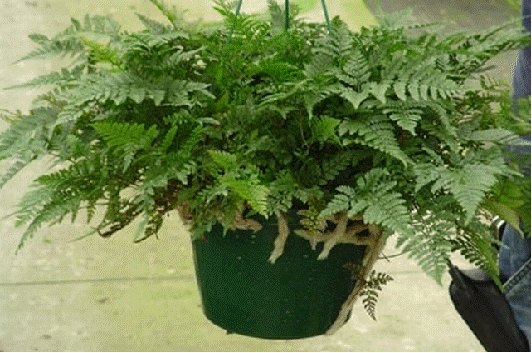
The Rabbit’s Foot Fern is the houseplant equivalent of a charming guest who shows up wearing fuzzy slippers and somehow becomes the star of the room. Officially known to many growers as Davallia fejeensis, and also seen in botanical references as Davallia solida var. fejeensis, this fern is famous for its soft, furry rhizomes that creep over the edge of the pot like tiny rabbit feet making a dramatic escape.
Unlike fussier ferns that collapse if your living room humidity briefly resembles a potato chip, the Rabbit’s Foot Fern is relatively forgiving. It still wants tropical comfort: bright indirect light, moderate warmth, steady moisture, good drainage, and extra humidity. But once you understand its rhythm, this plant becomes a graceful, long-lived companion with lacy green fronds and a personality that is impossible to ignore.
What Is a Rabbit’s Foot Fern?
The Rabbit’s Foot Fern is a tropical epiphytic fern, which means it naturally grows attached to trees, rocks, or organic debris rather than relying on deep soil like many common houseplants. In its native wet tropical habitat, it receives moisture from rainfall, humid air, and decaying plant matter. Indoors, that background explains nearly everything about how to care for it.
Its standout feature is not the fronds, lovely as they are, but the rhizomes. These creeping stems are covered in fine, pale brown to silvery hairs. They crawl across the soil surface and spill over the sides of containers. Do not bury them. They are supposed to be visible. In fact, hiding the rhizomes would be like buying a sports car and parking it permanently in a closet.
Common Names and Botanical Names
Rabbit’s Foot Fern may also be called hare’s foot fern, squirrel foot fern, deer foot fern, ball fern, or lacy paw. These names are often used loosely for several species in the Davallia group, so plant labels can vary. For home growers, the important point is simple: if your fern has fuzzy creeping rhizomes and delicate divided fronds, its care needs will be very similar.
Why Indoor Gardeners Love Rabbit’s Foot Fern
Some houseplants are bought for flowers. Some are bought for dramatic leaves. Rabbit’s Foot Fern is bought because it looks like it is quietly growing a pet. The furry rhizomes give it a playful, slightly magical appearance, while the finely divided fronds soften shelves, desks, bathrooms, plant stands, and hanging baskets.
It is especially attractive in a hanging pot where the rhizomes can travel naturally. Over time, the plant looks fuller, older, and more interesting. A mature Rabbit’s Foot Fern has the kind of character that makes guests ask, “What is that?” which is exactly what plant people secretly want.
Rabbit’s Foot Fern Care Guide
The best way to grow a Rabbit’s Foot Fern indoors is to imitate its tropical, epiphytic lifestyle without turning your home into a rainforest exhibit. It does not need constant soaking, but it does need consistent attention. Think “evenly comfortable,” not “swamp monster.”
Light Requirements
Rabbit’s Foot Fern grows best in bright, indirect light. An east-facing window is often ideal because it provides gentle morning light without harsh afternoon sun. A spot a few feet from a bright south- or west-facing window can also work, especially if filtered by a sheer curtain.
Too much direct sunlight can scorch the delicate fronds, turning tips brown or crispy. Too little light can make the plant thin, slow-growing, and sad-looking. If the fern seems stretched or pale, move it closer to a brighter window. If the fronds look burned or dry despite good watering, reduce direct sun exposure.
Watering: Moist, Not Soggy
Watering is where many fern friendships become complicated. Rabbit’s Foot Fern prefers soil that stays lightly moist during active growth, but it does not enjoy sitting in water. Water thoroughly until moisture drains from the bottom of the pot, then let the top layer of the potting mix dry slightly before watering again.
Avoid giving tiny “sip” waterings every day. That usually wets the surface while leaving deeper roots neglected. Instead, water deeply and allow good drainage. In fall and winter, growth naturally slows, so the plant usually needs less frequent watering.
Humidity: The Secret Ingredient
Rabbit’s Foot Fern appreciates higher humidity, especially in homes with air conditioning, heating, or dry winter air. Brown frond tips often signal low humidity rather than a dramatic plant emergency. A small humidifier, pebble tray, grouped houseplants, or a naturally humid bathroom with enough light can help.
Misting can temporarily moisten the rhizomes and fronds, but it is not a complete humidity strategy in very dry rooms. If your home is desert-dry, a humidifier will do more than a heroic spray bottle routine. Your wrist will thank you.
Soil and Potting Mix
Because Rabbit’s Foot Fern is epiphytic, it appreciates a loose, well-draining potting mix. A standard indoor potting mix amended with peat moss, coco coir, perlite, orchid bark, or another airy material can work well. The goal is a medium that holds some moisture while still allowing oxygen around the roots.
Heavy, compacted soil is risky because it can trap too much water and encourage rot. If water sits on the surface for a long time or the pot feels wet for days, the mix may be too dense.
Best Pots and Containers
Hanging baskets and shallow containers are excellent choices because they show off the rhizomes. Plastic pots retain moisture longer than unglazed clay pots, making them useful in dry homes. Clay pots can still work, but they dry faster and may require more careful watering.
Good drainage is non-negotiable. A decorative pot without drainage may look stylish, but it can turn your fern’s root zone into a tiny indoor swamp. If using a cachepot, keep the fern in a nursery pot inside it and empty any standing water after watering.
Temperature
Rabbit’s Foot Fern prefers moderate indoor temperatures, roughly the same range most people enjoy. Warm, stable rooms are best. Avoid cold drafts, frosty windows, heating vents, fireplaces, and sudden temperature swings. This fern is not cold-hardy in most U.S. climates and is usually grown as a houseplant outside very warm zones.
Fertilizer
Feed lightly during active growth in spring and summer. A balanced, water-soluble houseplant fertilizer diluted to a weak strength is usually enough. Overfertilizing can cause salt buildup and brown tips, so do not treat this plant like a tomato in a competitive county fair.
In fall and winter, reduce or pause feeding unless the plant is actively producing new growth under strong indoor light.
How to Propagate Rabbit’s Foot Fern
Rabbit’s Foot Fern is commonly propagated by rhizome division. Choose a healthy section of rhizome with attached fronds or growing points. Cut it with clean scissors or a sterilized knife, then pin or place the rhizome on top of moist potting mix. Keep the rhizome on the surface rather than burying it.
Provide bright indirect light, warmth, and humidity while the new division establishes. A clear plastic cover can help retain moisture, but open it regularly for airflow. Once new growth appears and the plant is stable, care for it as a normal Rabbit’s Foot Fern.
Common Rabbit’s Foot Fern Problems
Rabbit’s Foot Fern is not a high-drama plant, but it will communicate when something is wrong. Unfortunately, it communicates mostly by browning, yellowing, or looking generally offended. Here is how to decode the signals.
Brown Tips
Brown frond tips are commonly caused by low humidity, inconsistent watering, too much direct sun, or fertilizer salt buildup. Increase humidity, check watering habits, and flush the soil occasionally by watering thoroughly so excess salts drain away.
Yellow Leaves
Yellowing can come from overwatering, underwatering, poor drainage, or weak light. Feel the soil before reacting. If it is soggy, improve drainage and water less often. If it is bone dry, water more consistently.
Limp or Crispy Fronds
Limp fronds can indicate either thirst or root stress from overly wet soil. Crispy fronds usually point to dryness, sunburn, or very low humidity. The plant’s location and potting mix will help you identify the real culprit.
Pests
Watch for common houseplant pests such as spider mites, mealybugs, aphids, whiteflies, and scale insects. Scale can be especially sneaky because its small brown bumps may look like part of the plant. Check the undersides of fronds, leaf joints, and rhizomes. Treat early with gentle methods such as wiping pests away, using insecticidal soap according to label directions, and isolating affected plants.
Is Rabbit’s Foot Fern Pet Safe?
Rabbit’s Foot Fern is generally listed as non-toxic to cats and dogs. That makes it a popular choice for pet-friendly homes. However, “non-toxic” does not mean “salad bar.” Pets that chew plants may still experience stomach upset from eating leaves or potting mix, and repeated chewing can damage the plant.
Place the fern where curious paws can admire but not shred it. Hanging baskets are useful here, unless your cat has the athletic ambition of a superhero.
Best Places to Display Rabbit’s Foot Fern
This fern shines in places where its fuzzy rhizomes can be seen. Try a hanging basket near an east-facing window, a bathroom shelf with filtered light, a bright kitchen corner, or a plant stand where the rhizomes can trail over the pot.
Avoid dark corners. Rabbit’s Foot Fern may tolerate lower light for a while, but it grows better and looks fuller in bright indirect light. If natural light is limited, a grow light can help maintain healthy growth.
Seasonal Care Tips
Spring and Summer
During the growing season, water more regularly, feed lightly, and watch for new rhizomes and fronds. This is also the best time to propagate or repot if necessary.
Fall and Winter
Growth slows when days are shorter. Reduce watering slightly, stop or reduce fertilizer, and protect the plant from cold windows and heating vents. Indoor humidity often drops in winter, so this is the season when brown tips may appear.
Repotting Rabbit’s Foot Fern
Rabbit’s Foot Fern does not need frequent repotting. In fact, it often looks better when allowed to mature in place. Repot when the potting mix breaks down, roots become crowded, or watering becomes difficult because the plant dries too quickly.
When repotting, choose a container only slightly larger than the old one. Keep the rhizomes on the surface and handle them gently. They may look tough, but they are living stems, not decorative pipe cleaners.
Design Ideas: How to Style This Fern
Rabbit’s Foot Fern pairs beautifully with simple pots because the plant already brings plenty of texture. White ceramic, matte black, warm terracotta, natural fiber baskets, and aged metal containers all work well. For a tropical look, combine it with pothos, calathea, peperomia, bird’s nest fern, or philodendron. For a more minimalist style, let it stand alone in a clean hanging planter.
It also makes a memorable gift. Many people give it as a “good luck” plant because of the rabbit-foot association, minus the questionable folklore and with far better photosynthesis.
Personal Experience: Living With a Rabbit’s Foot Fern
Growing a Rabbit’s Foot Fern teaches patience in the best way. It is not the kind of plant that explodes overnight into a jungle monster. Instead, it slowly builds character. At first, you notice one fuzzy rhizome reaching over the rim of the pot. Then another appears. A few months later, the container looks like it has grown eyebrows, whiskers, and a private escape plan.
The biggest lesson from caring for this fern is that consistency matters more than perfection. I have seen Rabbit’s Foot Ferns thrive in ordinary homes when they were placed in bright, indirect light and watered thoughtfully. I have also seen them sulk in beautiful dark corners where they looked stylish for two weeks and then began dropping hints in the form of brown tips. The plant does not demand luxury, but it does ask you to notice it.
One practical experience: bathroom placement can be excellent, but only if the bathroom has real light. Humidity from showers helps, yet a windowless bathroom is still a cave with towels. A Rabbit’s Foot Fern in a bright bathroom can look lush and relaxed; one in a dark bathroom may simply become a decorative compost project.
Another useful observation is that the rhizomes should be respected. New growers sometimes try to cover them with soil because they look like exposed roots. That is a mistake. The fuzzy “feet” are part of the plant’s charm and function. Let them crawl, climb, and drape. If one stretches over the pot edge, celebrate it. That is the plant doing exactly what it was born to do.
Watering also becomes easier once you stop following a strict calendar. Instead of watering every Saturday because Saturday feels responsible, check the potting mix. If the top layer is slightly dry, water thoroughly. If it is still damp, wait. This simple habit prevents most problems.
Finally, Rabbit’s Foot Fern is a wonderful plant for people who enjoy quiet progress. It rewards observation. You will notice new fronds unfurling, rhizomes thickening, and the whole plant becoming more sculptural with age. It does not scream for attention, but it absolutely earns it.
Conclusion
Rabbit’s Foot Fern is one of the most distinctive indoor ferns you can grow. Its lacy fronds bring softness, while its fuzzy creeping rhizomes bring personality. Give it bright indirect light, steady moisture, good drainage, moderate warmth, and extra humidity, and it can become a long-lasting highlight in your houseplant collection.
The key is understanding what makes it different. This is not a plant that wants its rhizomes buried or its soil soaked. It wants air, moisture, filtered light, and room to show off those famous rabbit feet. Treat it well, and it will reward you with an elegant, slightly whimsical display that looks like nature had a sense of humor and excellent interior design taste.
Note: This article is written as publication-ready body HTML. Source-link markup and unnecessary citation placeholders have been intentionally excluded from the article content for clean web publishing.