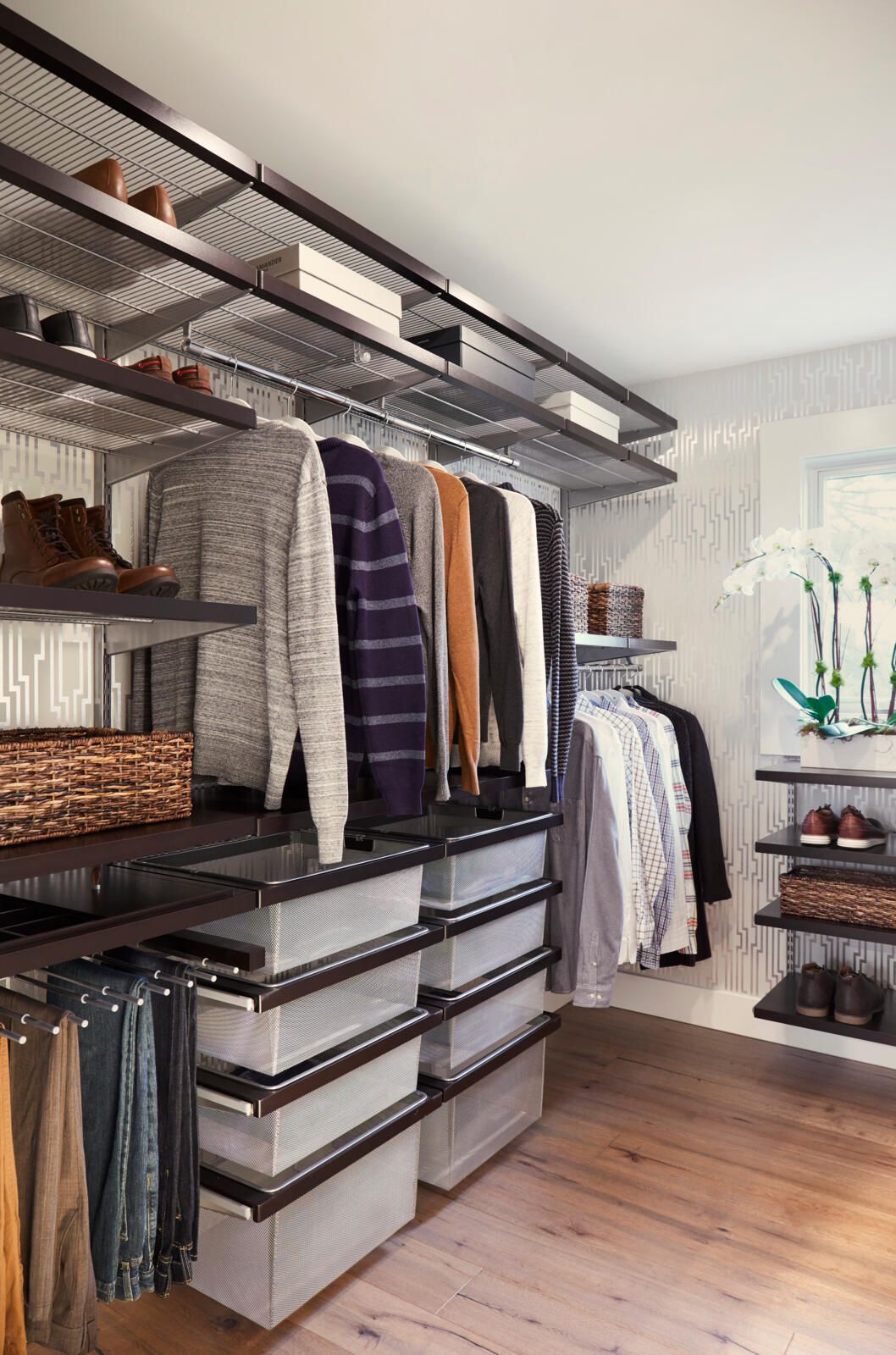
A walk-in closet sounds glamorous until it starts behaving like a small department store after a windstorm. Shoes wander. Sweaters collapse into soft little avalanches. A belt disappears for six months and then returns dramatically behind the hamper. The good news is that a walk-in closet does not need to be huge, custom-built, or celebrity-level expensive to feel organized. It simply needs a smart system that matches the way you actually get dressed.
These walk-in closet organization ideas are designed to help you create more space, reduce visual clutter, protect your clothing, and make daily routines easier. Whether your closet is a narrow pass-through, a generous dressing room, or a “technically walk-in if you inhale” kind of space, the right layout can turn it into a calm, functional zone instead of a fabric jungle.
Below are 14 practical, stylish, and realistic walk-in closet organization ideas you can use right away, plus an experience-based section at the end with lessons learned from real-life closet organizing projects.
1. Start With a Full Closet Edit
Before buying bins, hangers, baskets, shelves, or that dreamy rotating shoe tower you saw online at 1:00 a.m., start with the least glamorous step: editing. Organization is not about finding prettier ways to store things you never use. It is about making space for the clothing, shoes, accessories, and everyday essentials that genuinely support your life.
Remove items by category: tops, pants, dresses, shoes, bags, belts, seasonal pieces, workout clothes, and accessories. This method keeps the process from turning into a dramatic mountain of laundry with emotional consequences. Ask simple questions: Do I wear this? Does it fit comfortably? Is it damaged beyond repair? Would I buy it again today?
Create four piles: keep, donate, repair, and relocate. “Relocate” is important because walk-in closets often become storage units for gift wrap, old electronics, spare bedding, mystery cables, and things that belong anywhere else. A cleaner closet begins when every item earns its place.
2. Divide the Closet Into Clear Zones
A walk-in closet works best when it is divided into zones. Think of it like a tiny boutique where every section has a purpose. Instead of scattering similar items across random rods and shelves, group clothing and accessories according to how you use them.
Helpful closet zones include:
Daily clothing, workwear, casual outfits, formalwear, shoes, handbags, jewelry, accessories, seasonal clothing, laundry, and outfit planning. If you get dressed for work every morning, place workwear in the most accessible area. If you exercise daily, keep activewear near the front instead of buried behind wedding-guest dresses and winter coats.
Zones reduce decision fatigue. When you know exactly where your jeans, blazers, sandals, and scarves live, you spend less time searching and more time getting out the door with matching shoes. A radical concept, but we love growth.
3. Use Double Hanging Rods to Maximize Vertical Space
One of the easiest ways to increase storage in a walk-in closet is to install double hanging rods. Most shirts, blouses, jackets, skirts, and folded-over pants do not require full-length hanging space. By adding one rod above another, you can instantly double the hanging capacity on one wall.
Reserve single long-hang sections for dresses, coats, jumpsuits, robes, and full-length garments. Then use double rods for shorter pieces. This gives your closet structure and prevents the all-too-common problem of one lonely rod trying to carry your entire wardrobe like a stressed-out gym teacher.
For the neatest look, organize each rod by category and then by color. For example, keep short-sleeve tops together, then long-sleeve tops, then jackets. Within each group, arrange from light to dark or by color family. It looks polished, and it makes outfit planning much easier.
4. Upgrade to Matching Hangers
Matching hangers are a small change with a surprisingly big visual impact. Mismatched hangers make even a well-organized closet look chaotic. Thin velvet hangers are popular because they save space and help keep slippery garments in place. Wooden hangers add a polished, boutique-style look and work especially well for suits, coats, and structured pieces.
The key is consistency. Choose one main hanger style for everyday clothing and a few specialty hangers for pants, skirts, scarves, or delicate garments. Avoid keeping wire dry-cleaner hangers long-term because they can bend, snag fabric, and make your closet look like it is still waiting for laundry day to end.
Matching hangers also help you spot overcrowding. When hangers are evenly spaced, you can quickly see when a section is too packed. Clothes need a little breathing room, and frankly, so do we.
5. Add Drawer Dividers for Small Items
Drawers are wonderful until they become black holes for socks, underwear, ties, belts, sunglasses, and “I swear I had another one of these” accessories. Drawer dividers solve that problem by creating smaller compartments inside a larger space.
Use dividers for socks, undergarments, workout accessories, rolled belts, ties, scarves, watches, hair accessories, and small seasonal items. Adjustable dividers are especially useful because your needs may change over time. Fabric boxes, bamboo inserts, acrylic trays, and expandable organizers all work depending on your style and budget.
A good drawer system should let you see everything at a glance. If you have to dig, the system is not working. Fold or roll items so they stand upright instead of stacking them flat. This prevents the classic problem of wearing the same three items forever because they happen to be on top.
6. Store Shoes Vertically, Not Randomly
Shoes can quickly take over a walk-in closet. The solution is not to pretend you own fewer shoes. The solution is to give them an intentional vertical system. Flat shelves, cubbies, stackable racks, and floor-to-ceiling shoe walls can all work beautifully.
Group shoes by type: sneakers, flats, sandals, heels, boots, dress shoes, and special-occasion footwear. Keep daily shoes at eye level or within easy reach. Store rarely worn pairs higher up or in clear boxes with labels. Boots can be supported with boot shapers or rolled magazines to prevent sagging.
If your closet is small, avoid letting shoes sprawl across the floor. Floor piles make the entire closet feel messier than it is. Even a simple two-tier shoe rack can make the space feel instantly more controlled.
7. Use the Top Shelf for Seasonal Storage
The top shelf in a walk-in closet is prime real estate for things you do not need every day. Think off-season clothing, special-occasion accessories, travel bags, extra blankets, keepsake clothing, and formal items stored in garment bags.
Use labeled bins or fabric storage boxes to keep the top shelf neat. Clear bins make it easy to see what is inside, while matching opaque bins create a cleaner, more streamlined look. Choose whichever option your brain will actually use. A beautiful hidden storage system is only helpful if you remember what is hiding in it.
Keep a small folding step stool nearby if your shelves are high. This prevents the dangerous “stretch, wobble, and hope” method of closet access, which is not recommended by anyone with ankles.
8. Add Hooks for Outfits, Bags, and Accessories
Hooks are the unsung heroes of walk-in closet organization. They are inexpensive, easy to install, and perfect for using blank wall space. Add hooks for tomorrow’s outfit, frequently used bags, hats, robes, belts, necklaces, or dry-cleaning returns.
An outfit-planning hook is especially helpful. Use it to hang what you plan to wear the next day, including accessories. This small habit can save time in the morning and prevent the dreaded “clothing tornado” that happens when you try on seven outfits and leave six of them on a chair.
For a more polished look, choose hooks that match your closet hardware. Brass, matte black, chrome, acrylic, or wood pegs can all look intentional. Place them where they are useful but not in the walking path, unless you enjoy being attacked by your own tote bag.
9. Create a Handbag Display System
Handbags need structure and visibility. When they are stacked in a pile, they lose shape, collect dust, and become annoying to access. A good handbag system keeps them upright, separated, and easy to grab.
Use shelf dividers, acrylic organizers, cubbies, or dust bags with labels. Smaller bags can be stored in bins or drawer compartments. Clutches can stand upright in file sorters or slim shelf organizers. For luxury or delicate bags, use dust bags, but add tags or photos so you know what is inside.
Place everyday handbags at shoulder height or eye level. Store special-occasion bags higher up. If your closet has open shelves, handbags can also become part of the decor. A tidy bag display gives the closet that boutique feeling without requiring anyone to ask, “Can I help you find a size?”
10. Install Shelf Dividers for Sweaters and Jeans
Folded stacks are peaceful for approximately twelve minutes unless they have support. Shelf dividers keep sweaters, jeans, sweatshirts, and folded tops from leaning into each other and collapsing. They are especially useful on long open shelves where piles tend to spread.
Keep stacks short. Five or six folded items per pile is usually more manageable than one towering column that behaves like a fabric Jenga game. Store heavier items, such as jeans and bulky sweaters, on lower shelves. Lighter knits and seasonal tops can go higher.
If you prefer bins, choose open-front fabric bins or baskets so you can pull items out easily. Label bins by category: sweaters, denim, lounge tops, workout layers, or travel basics. The more obvious the system, the easier it is to maintain.
11. Add a Hamper That Fits the Space
A walk-in closet without a hamper is basically inviting laundry to create its own government. Add a hamper that fits the layout and your laundry routine. If you separate lights, darks, delicates, or dry cleaning, choose a divided hamper or multiple slim baskets.
Built-in hampers look sleek, but freestanding hampers work just as well if they are placed strategically. The best location is where clothes naturally land at the end of the day. If the hamper is too far away, the floor will win. The floor is undefeated.
Choose a hamper with ventilation, especially for workout clothes or towels. If your closet is tight, look for narrow vertical hampers or pull-out laundry bins. A laundry zone keeps worn clothes from mixing with clean ones and helps the entire closet stay fresher.
12. Improve Lighting for Better Visibility
Even a beautifully organized closet can feel frustrating if the lighting is poor. Good lighting helps you see colors accurately, find small accessories, and avoid leaving the house wearing one navy sock and one black sock. Again.
Install bright overhead lighting if possible, then add task lighting where needed. LED strip lights under shelves, motion-sensor lights, and rechargeable puck lights can brighten dark corners without major electrical work. If your closet has a vanity or mirror area, add flattering front-facing light rather than relying only on overhead bulbs.
Use warm or neutral lighting that makes the space feel inviting while still showing colors clearly. A full-length mirror placed near good light can make the closet more functional and help you evaluate outfits without running back and forth to another room.
13. Use Clear Bins and Labels for Accessories
Accessories are small, sneaky clutter-makers. Sunglasses, scarves, hats, gloves, jewelry, hair tools, travel pouches, and belts can disappear quickly unless they have designated homes. Clear bins and labels make these categories easy to manage.
Use stackable clear boxes for seasonal accessories, acrylic trays for jewelry, drawer inserts for sunglasses, and labeled bins for scarves or winter items. If you prefer a softer look, use fabric bins with simple tags. The goal is not to label every square inch like a museum exhibit; the goal is to make the system easy to understand when you are in a hurry.
Labels are especially useful in shared closets. They reduce confusion and make it easier for everyone to put items back where they belong. Yes, labels are bossy. That is why they work.
14. Leave Breathing Room and Schedule Mini Resets
The best walk-in closet organization idea is also the easiest to forget: leave empty space. A closet packed to the edges will not stay organized for long. Leave a little room between hangers, a small open area on shelves, and extra space in drawers. This makes it easier to put things away and allows your wardrobe to change over time.
Schedule mini resets every month or season. Spend 15 to 30 minutes returning stray items, wiping shelves, refolding messy stacks, removing empty shopping bags, and pulling out clothes that no longer fit your lifestyle. A quarterly review is especially helpful before major seasonal changes.
Maintenance matters more than perfection. A walk-in closet should support your routine, not become another room you feel guilty about. Keep the system simple enough that you can maintain it on a tired Tuesday night when your only ambition is pajamas.
How to Organize a Small Walk-In Closet
Small walk-in closets need sharper decisions. Use vertical space aggressively, but avoid blocking the walkway. In a narrow closet, consider built-ins on one side and hooks or a mirror on the other. This keeps the path open and prevents the closet from feeling cramped.
Choose slim hangers, stackable bins, wall hooks, shelf dividers, and shoe shelves that go up rather than out. Avoid deep bins for everyday items because they encourage digging. For small closets, visibility is everything. If you cannot see it, you probably will not wear it.
Keep only current-season clothing in the most accessible zones. Store off-season items on high shelves, under the bed, or in another storage area. A small walk-in closet can still feel luxurious when it is edited, bright, and easy to move through.
Budget-Friendly Walk-In Closet Organization Tips
You do not need a luxury closet system to create a better space. Start with affordable upgrades that create order quickly: matching hangers, a basic shoe rack, drawer dividers, shelf dividers, adhesive hooks, labeled bins, and better lighting.
Repurpose items you already own. Small bowls can hold jewelry. File sorters can organize clutches. Baskets can store scarves or sandals. Tension rods can create extra hanging areas for lightweight accessories. A simple stool can double as a place to sit while putting on shoes.
Spend money where it solves a real problem. If shoes are your biggest issue, invest in shoe storage. If drawers are chaotic, buy dividers. If the closet is dark, improve lighting first. Good organization is not about buying everything; it is about buying the right few things.
Common Walk-In Closet Mistakes to Avoid
One common mistake is organizing for fantasy life instead of real life. If you always reach for jeans and casual tops, place them front and center. Do not give the best space to formalwear you wear twice a year. Your closet should reflect your actual routine.
Another mistake is using too many storage products. Bins inside bins inside baskets may look impressive, but if accessing one sweater requires a three-step excavation, the system will fail. Keep everyday items easy to reach.
Finally, avoid overcrowding. When every rod, shelf, and drawer is full, there is no room to maintain order. A closet needs margin. Empty space is not wasted space; it is what allows the system to breathe.
of Real-Life Experience: What Actually Works in a Walk-In Closet
After working through many closet organization projects, one pattern becomes clear: people rarely need a perfect closet. They need a closet that stops arguing with them every morning. The most successful walk-in closet systems are not always the most expensive or the most photogenic. They are the ones that match the owner’s daily habits so closely that putting things away feels almost automatic.
For example, one of the most effective changes is placing the most-worn items at eye level. It sounds obvious, but many closets are arranged around what looks balanced rather than what gets used. When jeans, favorite tops, everyday shoes, and work bags are easy to reach, the closet stays cleaner because there is less rummaging. The opposite is also true: if you store daily sneakers in a box on the top shelf, you will eventually stop using the box. The sneakers will move to the floor, where they will invite friends.
Another lesson is that shoe storage usually needs more planning than people expect. Shoes are bulky, oddly shaped, and used at different frequencies. A simple rule works well: everyday shoes should be open and accessible, occasional shoes can be higher up, and special shoes should be protected. This prevents the floor from becoming the default shoe shelf. It also helps you see duplicates. Many people discover they own several similar pairs because the originals were hidden.
Lighting also changes behavior. A dark closet encourages messy habits because you cannot easily see what is happening. Once shelves and rods are properly lit, people tend to maintain the space better. Good lighting makes the closet feel less like storage and more like a dressing area. It also makes colors easier to match, which is useful unless you enjoy learning in public that your outfit was assembled in the shadows.
The biggest surprise is how powerful a small “landing zone” can be. A hook for tomorrow’s outfit, a tray for watches or jewelry, and a hamper within reach can prevent clutter from spreading. These tiny systems handle the items that usually float around without a home. When a closet has no landing zone, people create one on the nearest chair, bench, shelf, or floor. Better to give that habit a neat place to live.
Seasonal resets are another practical habit. Twice a year, pull forward what you will actually wear in the coming months and move the rest to less accessible storage. This keeps the closet from feeling crowded and helps you notice what needs cleaning, tailoring, donating, or replacing. A seasonal reset is also a reality check. If something survived three seasons without being worn, it may be time for a graceful goodbye.
Finally, the best closet organization systems leave room for imperfection. Life gets busy. Laundry piles happen. Bags land in the wrong spot. The goal is not to create a showroom that collapses the first time you are late for work. The goal is to create a forgiving system that can be reset quickly. If you can restore the closet in 15 minutes, you have built a system that works.
Conclusion
A well-organized walk-in closet is not just about pretty shelves or matching bins. It is about building a space that makes your daily routine smoother. Start with a thoughtful edit, divide the closet into clear zones, use vertical space wisely, improve lighting, and give every category a practical home. The result is a closet that feels calmer, functions better, and helps you get dressed without launching a search-and-rescue mission for your left shoe.
Whether your walk-in closet is large, small, custom, or creatively assembled with budget-friendly pieces, these 14 walk-in closet organization ideas can help you create a system that lasts. Keep it simple, keep it visible, and keep it realistic. Your future self, standing in the closet on a busy morning, will be very grateful.
Note: This article is written as original, publication-ready content in standard American English, with practical examples and web-friendly formatting for easy publishing.