Let’s begin with a sentence nobody expects to read before breakfast: your toilet has a personality, and when you flush it, that personality is dramatic. One press of the handle andwhooshwater swirls, waste disappears, and a cloud of microscopic droplets may rise into the air. Welcome to the not-so-glamorous world of the “toilet plume.”
That image alone is enough to turn a casual bathroom habit into a full-blown household debate. Should you flush the toilet with the lid up or down? Is closing the lid a smart hygiene move, or just a comforting little ritual we perform to feel like civilized people? And if the answer is more complicated than “always down,” what should you actually do to keep your bathroom cleaner?
The honest answer is this: if your toilet has a lid, you should generally flush it with the lid down. It is the better habit. Butand this is a very important bathroom-sized “but”closing the lid is not a magic force field. Research suggests it may help reduce the spread of some particles, yet it does not fully stop contamination of nearby surfaces. So if you want the most hygienic bathroom routine, the lid position matters, but it is only one piece of the puzzle.
The short answer: lid down wins, but not by itself
If you want the practical, no-nonsense verdict, here it is: flush with the lid down whenever possible. It is a simple habit, takes no extra money, and may help reduce the distance and direction of the aerosol spray created by flushing. That alone makes it worth doing.
However, newer research has complicated the old advice. Some studies suggest that a closed lid does not reliably prevent viral contamination of bathroom surfaces, likely because most toilet lids are not airtight. Tiny particles can escape through gaps between the lid and the bowl, and once airflow enters the equation, your bathroom becomes less of a sealed chamber and more of a tiny wind tunnel with hand towels.
So the real answer is not “lid up versus lid down” as if one choice solves everything. The better question is: what combination of habits gives you the cleanest bathroom? The winning formula looks like this: flush with the lid down, wash your hands thoroughly, clean and disinfect the toilet and nearby surfaces regularly, keep toothbrushes protected, and use ventilation to clear the air.
Why people care so much: the toilet plume is real
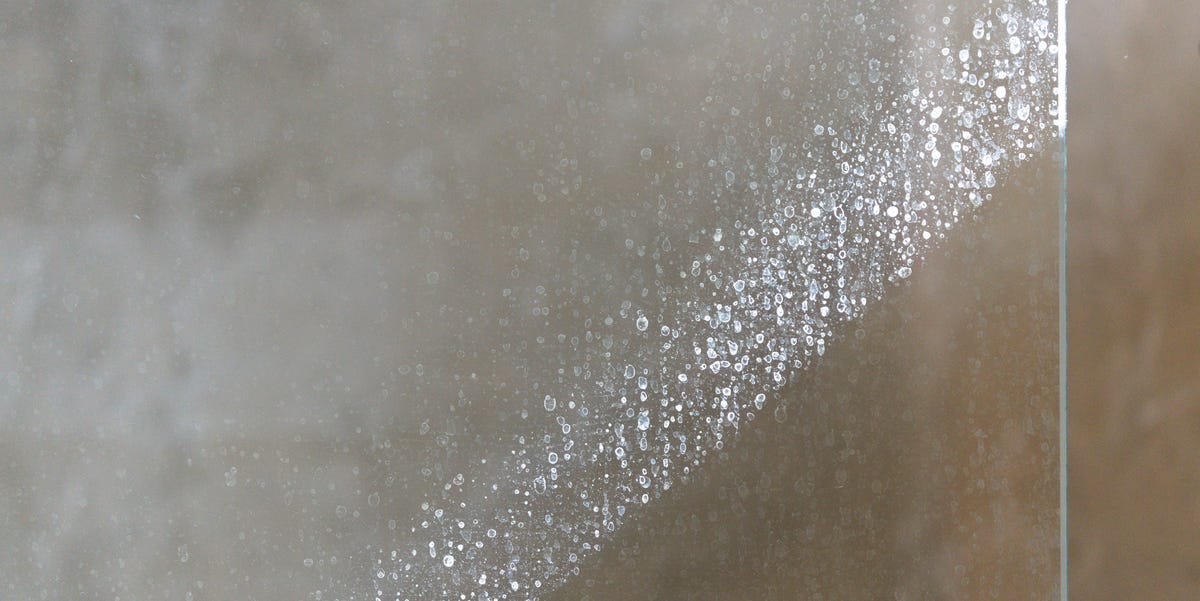
The reason this topic refuses to die is simple: the toilet plume is not just an internet myth cooked up by germaphobes and dramatic cleaning influencers. Scientists have studied aerosol generation during flushing for years. When a toilet flushes, it can release tiny droplets and aerosols into the surrounding air. Some larger droplets fall quickly onto nearby surfaces. Smaller particles can remain suspended longer and travel farther than most people would guess.
That means the area around your toilet can become a landing zone for microscopic contamination. We are talking about surfaces like the toilet seat, the lid, the flush handle, the floor, nearby counters, walls, and potentially items stored too close to the toilet. In small bathrooms, where everything lives within arm’s reach of everything else, that matters even more.
This is why so many cleaning experts recommend treating the toilet as part bowl, part splash zone, part drama queen. Even a toilet that looks spotless may be contributing to contamination if it is flushed frequently and cleaned infrequently. The visible mess is only part of the story. The invisible stuff is what keeps microbiologists employed and the rest of us slightly uneasy.
What the research says about flushing with the lid down
Closing the lid is sensible
From a common-sense standpoint, putting a barrier between a swirling bowl and the rest of your bathroom is a pretty reasonable move. If you cover a blender before turning it on, you already understand the principle. The lid may help limit how much material shoots upward and outward, especially larger droplets that would otherwise settle on nearby surfaces.
That is why many cleaning professionals and health-minded households still recommend lid-down flushing. It is a low-effort habit with possible upside and almost no downsideunless you count the emotional burden of being the only person in the house who remembers to do it.
But lid-down is not a perfect shield
Here is where the story gets more interesting. Recent research on surface contamination found that closing the toilet lid before flushing did not significantly reduce viral contamination on restroom surfaces compared with flushing with the lid up. That sounds shocking at first, but it makes sense when you remember that most household toilet lids do not seal tightly. Tiny particles can escape through the gaps, and surrounding airflow can continue moving them around.
In other words, a toilet lid is more like a speed bump than a brick wall. It may reduce some of the plume, but it does not fully trap everything inside. So if your bathroom hygiene plan begins and ends with “I close the lid,” your bathroom may politely disagree.
Public restrooms are their own special chaos
Research on lidless commercial toilets has made the whole subject even more vivid. Scientists have used lasers to visualize aerosol plumes shooting upward from public restroom toilets, showing how quickly tiny particles can rise and spread. Public restrooms often feature powerful flush systems and no lids at all, which means there is no barrier to close in the first place. That is one reason many people instinctively minimize time spent near a flushing toilet in public bathrooms, even if they cannot explain the fluid dynamics involved.
At home, you usually have more control. You can close the lid, clean more often, store personal items more carefully, and run the exhaust fan. In a public restroom, your best defenses are simpler: flush and step away, avoid placing belongings on questionable surfaces, wash your hands well, and resist the urge to touch your face like a confused raccoon.
So what should you actually do at home?
1. Flush with the lid down
This is still the best default habit. Even if it does not eliminate all contamination, it is a more hygienic choice than leaving the lid up. It may reduce the reach of larger droplets, it keeps the bowl covered, and it creates a cleaner-looking bathroom overall. Think of it as a baseline courtesy to your future self.
2. Wash your hands every single time
If there is one habit that matters more than the lid position, it is handwashing. Germs from feces can make people sick, and hands are a major route of transfer. Wash with soap and water after using the toilet, every time. Not when you remember. Not when you feel virtuous. Every time. A lid cannot save you from poor hand hygiene, but good hand hygiene can interrupt a lot of germ spread very effectively.
3. Clean first, then disinfect
A clean-looking toilet is not necessarily a disinfected toilet. If you want to reduce germs, start by removing visible dirt and residue, then disinfect hard surfaces according to product directions. That includes the toilet bowl, seat, lid, handle, base, and the nearby floor or surfaces that catch splashes and settling droplets.
Bathrooms often suffer from “single-surface optimism,” where people scrub the bowl and forget everything else. Meanwhile, the flush handle is out here collecting fingerprints like it is signing autographs. The underside of the seat, the hinge area, and the outside of the bowl deserve attention too.
4. Clean your toilet brush, too
This step gets ignored far too often. A dirty toilet brush can become its own little germ shuttle. After scrubbing, clean and disinfect the brush according to the cleaner’s instructions or your household routine. Otherwise, you are basically putting a contaminated tool back into storage and hoping for the best.
5. Store toothbrushes and personal items wisely
If your toothbrush sits directly beside the toilet in an open holder, it may be living a more adventurous life than you intended. Store toothbrushes farther away when possible, preferably in a cabinet or protected space. The same goes for washcloths, makeup brushes, contact lens cases, and anything else you do not want sharing airspace with toilet spray.
6. Use ventilation
Running the bathroom exhaust fan or improving airflow can help clear lingering moisture and airborne particles. Good ventilation is not a substitute for cleaning, but it is a smart supporting habitespecially in small bathrooms where air feels like it has nowhere to go except directly toward your folded towels.
When flushing with the lid down matters even more
In some homes, this is not just a nice cleaning preference. It becomes a more important precaution. If someone in the house has a stomach bug, diarrhea, a compromised immune system, or another condition that raises infection concerns, extra bathroom hygiene matters more. In those cases, lid-down flushing should be paired with more frequent cleaning and disinfection of high-touch and high-risk surfaces.
Households with young children and pets also benefit from a closed-lid habit. A closed lid can help keep little hands and curious paws out of the bowl, reduce splash-related contamination, and cut down on the number of times you hear the phrase, “Why is the dog drinking that?”
The final verdict: up or down?
So, should you flush the toilet with the lid up or down? Down. That is the better answer for most homes. It is cleaner, more considerate, and more aligned with what we know about toilet plumes and bathroom contamination.
But the smartest version of that answer is more complete: flush with the lid down, then back it up with proper hygiene. Because lid-down flushing helps, but not enough to replace the bigger habits that actually keep bathrooms healthierwashing hands, disinfecting surfaces, cleaning the toilet regularly, protecting personal items, and improving ventilation.
If you were hoping for a glamorous conclusion, I regret to inform you that bathroom science rarely sparkles. Still, the takeaway is refreshingly simple. Close the lid. Wash your hands. Clean the toilet. Protect your toothbrush. Repeat forever, or at least until the next household argument about whether the toilet paper roll should go over or under.
Common real-life experiences with the “lid up or down” debate
In real homes, this issue usually does not begin with science. It begins with one person noticing something gross and refusing to let it go. Maybe it is the family member who keeps a toothbrush cup on the counter and suddenly wonders why the cup always seems dusty. Maybe it is the roommate who cleans the bathroom every weekend and starts connecting the dots between frequent flushing, mystery specks on nearby surfaces, and the fact that nobody else in the house seems emotionally available for a conversation about toilet aerosols.
One of the most common experiences is the “guest bathroom awakening.” A homeowner spends weeks making the guest bath look polishedfresh towels, little candle, nice soap dispenser, perhaps a tiny plant brave enough to live near a toilet. Then the bathroom gets heavy use over a holiday weekend, and by Monday the room somehow feels grimier than expected. The toilet may not look terrible, but the handle, seat hinges, floor near the base, and nearby counter all seem to need attention. That is often when people realize the toilet affects more than just the inside of the bowl.
Another familiar experience happens in tiny apartment bathrooms, where the sink, toilet, shower, and storage shelves all seem to exist in one square foot of shared destiny. In spaces like that, flushing with the lid up feels less like a harmless habit and more like launching a microscopic neighborhood event. People who live in small apartments often become strict lid-down flushers simply because everything is so close together. When your toothbrush, face towel, and skincare products are all within easy splatter distance, bathroom hygiene becomes personal very quickly.
Parents often tell a similar story. Once children are old enough to use the toilet on their own, adults discover that “flush” and “wash your hands” are not the only bathroom lessons that matter. “Please close the lid first” joins the family script, usually right after “Use soap” and right before “Do not wipe wet hands on your shirt.” In homes with toddlers or pets, the closed lid also feels safer. It reduces the chances of accidental bowl exploration, toy-dropping experiments, and other adventures no adult wants to narrate.
There is also the experience of becoming the household’s unofficial bathroom detective. This is the person who notices that the exhaust fan is never used, the toilet brush never gets cleaned, and the bathroom trash can somehow sits directly beside the toilet like it enjoys danger. After one too many deep cleans, that person usually adopts a full bathroom routine: lid down, fan on, hands washed, surfaces wiped. Not because they love rules, but because they are tired of pretending the bathroom cleans itself through positive thinking.
Then there is the social side of it. Once people learn about toilet plumes, they can never quite unlearn it. They start closing the lid in other people’s homes. They quietly move their toothbrush farther from the toilet in hotel bathrooms. They judge public restrooms with the weary eyes of someone who has seen too much. It is not panic, exactly. It is more like bathroom maturity. You realize that “clean enough” and “actually hygienic” are cousins, not twins.
That is why the lid debate keeps coming back. It is not really about obsessing over one tiny bathroom habit. It is about the moment people understand that ordinary routines have invisible consequences. And once you know that, lowering the lid starts to feel less like a chore and more like one of those small grown-up actions that quietly make everyday life a little cleaner.
Conclusion
If you want the smartest answer, not the simplest slogan, here it is: flushing with the lid down is the better habit, but the cleanest bathroom depends on what happens before and after the flush. A toilet plume is real, a lid is helpful, and regular cleaning plus handwashing are the habits that truly carry the load. So yesclose the lid. Just do not stop there.