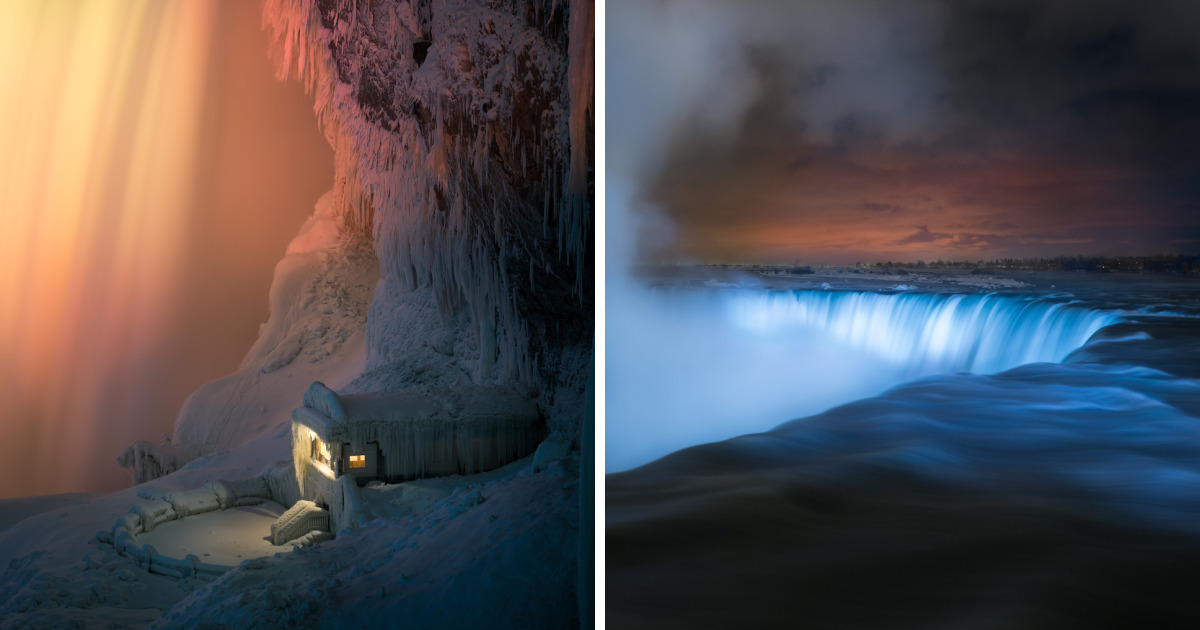
Niagara Falls is already dramatic on a normal day. Water thunders, mist rises, tourists point cameras in every direction, and at least one person in a poncho looks deeply surprised that a waterfall is wet. But when winter grabs the region by the scarf and refuses to let go, Niagara Falls becomes something else entirely. The cliffs glaze over. Trees wear crystal coats. Railings disappear under white frost. The roaring water keeps moving, but the scenery around it looks so icy, silent, and surreal that it feels less like New York and more like a frozen moon orbiting a very enthusiastic planet.
That is why photos of icy Niagara Falls travel so quickly online. They do not look like ordinary vacation snapshots. They look like concept art for a science-fiction movie where the hero must cross a frozen kingdom to find the last working hot chocolate machine. The scene is beautiful, strange, and a little intimidating. It makes people ask the same question every winter: did Niagara Falls actually freeze?
The short answer is no, not in the way many headlines suggest. The better answer is more interesting. Niagara Falls can look frozen because the mist, spray, river ice, and surrounding landscape build thick layers of ice around the falls. The water still flows underneath and behind those dazzling formations. So, while the falls may appear locked in place, the engine of the Niagara River is still very much running.
Why Icy Niagara Falls Looks So Otherworldly
The winter transformation begins with the falls themselves. Niagara Falls is made up of three waterfalls: Horseshoe Falls, American Falls, and Bridal Veil Falls. Together, they create one of North America’s most famous natural spectacles. In warmer months, visitors focus on the power of the water. In winter, the power is still there, but the details change. The mist becomes the artist, the wind becomes the sculptor, and freezing temperatures become the impatient project manager saying, “Great, now cover everything in ice.”
When the air is cold enough, the constant spray from the falls freezes on nearby surfaces. Trees, boulders, observation areas, and cliff faces collect layer after layer of ice. This can create giant icicles, glassy walls, snow-coated ledges, and strange frozen shapes that seem carved by another civilization. The effect is especially dramatic because Niagara Falls never stops producing mist. Even when the air feels still, the waterfall is creating its own tiny weather system.
The Magic Is Not StillnessIt Is Motion Wrapped In Ice
Part of what makes icy Niagara Falls so mesmerizing is the contrast. You see ice everywhere, but you also hear the deep roar of water. You see white frost clinging to the gorge, but clouds of mist still rise from below. The falls appear frozen, yet the river is alive. That tension between movement and stillness gives the scene its “different planet” feeling. It does not look like a quiet frozen pond. It looks like a powerful alien machine wearing a snowstorm as a jacket.
This is also why winter photos can be misleading in the best possible way. A camera captures the ice shell, the mist cloud, and the snow-covered scenery, but it cannot fully capture the sound. Standing nearby, visitors feel the vibration of the water and the sting of icy spray on their cheeks. It is not a museum display. It is nature performing a winter remix.
Does Niagara Falls Really Freeze?
Most of the time, Niagara Falls does not freeze solid. The volume and force of the Niagara River make a complete freeze extremely unlikely. What usually happens is partial icing: the edges, rocks, railings, trees, and lower river areas become coated in ice, while the main flow continues underneath or through open channels.
The famous exception often mentioned in Niagara history is March 1848, when an ice jam in the Niagara River dramatically reduced the flow. Strong winds pushed huge amounts of ice from Lake Erie into the river, blocking the water source for a period of time. That rare event is why discussions of “frozen Niagara Falls” often come with a historical footnote. It was not simply cold weather turning a waterfall into a popsicle. It involved ice movement, wind, river blockage, and very unusual conditions.
In modern winters, the falls may look frozen during cold snaps, but the water keeps going. That is actually more impressive than a complete freeze. The scene shows two forces at once: extreme cold building ice and unstoppable water breaking through it. It is a tug-of-war between winter and gravity, and gravity is not known for taking vacations.
The Science Behind The Frozen Falls Effect
The frozen-falls effect depends on several ingredients: cold air, constant mist, freezing spray, river ice, and wind. Niagara Falls sits in a region shaped by the Great Lakes, where winter weather can become intense very quickly. Cold air moving across relatively warmer lake water can pick up moisture and produce lake-effect snow. This is one reason western New York is famous for heavy winter weather.
At the falls, the mist adds another layer to the drama. Water droplets are thrown into the air, carried by wind, and deposited onto surfaces. When temperatures are below freezing, those droplets can freeze on contact. Over time, this creates thick coatings that make trees look like white coral, rocks look like frosted sculptures, and walkways look like they belong in a polar expedition brochure.
Ice Bridges And Glacier-Like Formations
Another winter feature is the ice bridge. During certain cold periods, ice chunks move through the river, collect near the base of the falls, and freeze into a large mass. Historically, these ice bridges sometimes looked solid enough for people to walk across. Today, visitors should absolutely not try that. The modern traveler’s winter survival plan should include warm gloves, good boots, and a firm commitment to admiring dangerous ice from approved viewing areas.
Ice bridges can create the appearance of a glacier below the falls. When paired with frozen mist and snow-covered cliffs, the scene becomes wildly photogenic. This is where the “different planet” comparison really earns its paycheck. The lower gorge may look like a frozen canyon, while the falls continue to pour through the middle like a glowing white river from another world.
Why Winter Makes Niagara Falls Feel Bigger
In summer, Niagara Falls is bold, crowded, colorful, and energetic. There are boat tours, bright rain ponchos, long lines, family photos, and the cheerful chaos of a classic American vacation. Winter changes the mood. The crowds thin. Sounds seem sharper. The air feels cleaner. Snow absorbs some noise while the falls continue booming through the cold.
The result is a more cinematic experience. The landscape feels wider because fewer people are in the frame. The white snow reflects light, making the cliffs and mist glow. At sunset or under illumination, the ice can shift from blue to silver to pale gold. Even familiar viewpoints can feel new. Prospect Point, Goat Island, Luna Island, and the Observation Tower can offer views that look completely different from their summer versions.
A Landscape Built For Photographers
Photographers love icy Niagara Falls because winter gives the scene texture. Summer photos often emphasize scale and motion. Winter photos add layers: ice in the foreground, mist in the middle, falling water behind it, and snow-softened cliffs in the background. The best images often include contrast, such as dark water cutting through white ice or a single tree glazed in frost against the rushing falls.
Still, photography here requires caution. Mist can freeze on lenses, batteries drain faster in cold weather, and surfaces may be slippery. Anyone hoping to capture the frozen-falls effect should dress warmly, use waterproof gear when possible, and keep a lens cloth handy. Niagara mist has a talent for finding cameras, glasses, hair, and any exposed inch of human confidence.
Best Ways To Experience Icy Niagara Falls
Winter visitors do not need to stand in one spot and shiver heroically. Niagara Falls State Park remains a major year-round destination, and several viewpoints provide unforgettable looks at the icy landscape. The Observation Tower is especially valuable because it gives a panoramic view of the three falls and the gorge. From there, visitors can appreciate how the ice forms around the river rather than imagining the entire waterfall has stopped.
Cave of the Winds also offers winter experiences, though the full summer deck setup changes seasonally. The winter version still gives visitors a chance to get closer to the gorge and feel the force of the falls. The experience is less about tropical poncho chaos and more about cold-weather awe. Think fewer “summer splash zone” vibes and more “I have entered the freezer aisle of the gods.”
The Aquarium of Niagara and indoor exhibits can also help balance the trip. This matters because winter sightseeing is best enjoyed in chapters: admire the frozen view, warm up, return outside, take more photos, repeat until your phone or your fingers request a formal negotiation.
What To Wear When Niagara Falls Turns Icy
Dressing for icy Niagara Falls is not about looking stylish, though if you can pull that off under four layers, congratulations. The goal is warmth, dryness, and traction. A winter coat, thermal layers, gloves, a hat, and waterproof boots are strongly recommended. The mist can make nearby areas damp, and damp clothing in freezing weather is a fast track to misery.
Footwear matters most. Walkways can become slick from snow, ice, and frozen spray. Choose boots with good grip, move slowly, and stay on marked paths. The falls may look like another planet, but gravity works exactly the same there as it does on Earth.
Safety Tips For A Frozen-Falls Visit
Visitors should check weather conditions before heading out, especially during lake-effect snow events or extreme cold warnings. Visibility can change quickly when mist, snow, and wind combine. It is also wise to protect electronics, carry backup power, and avoid leaning over railings for the “perfect” shot. No photo is worth becoming a cautionary tale with a very dramatic background.
Most importantly, respect closures. If a walkway, platform, or viewing area is blocked off, there is a reason. Ice may look solid while hiding moving water, weak spots, or unstable surfaces. The safest experience is also the most enjoyable one because it ends with warm food instead of a rescue operation.
Why The Scene Goes Viral Again And Again
Icy Niagara Falls has a built-in viral formula. It is famous, instantly recognizable, and transformed by weather into something unexpected. People already know what Niagara Falls is supposed to look like. When they see it wrapped in ice, their brains do a double take. That surprise fuels shares, headlines, and comments like, “Is this real?” and “I need to go there,” often followed by “Actually, how cold is it?”
The images also satisfy a deeper curiosity. We like seeing familiar places changed by nature. A city under snow, a desert after rain, or a waterfall covered in ice reminds us that landscapes are not static. They have moods. Niagara Falls in winter is not simply the summer attraction with colder air. It is a seasonal version of the same wonder, rewritten in frost.
The Human Side Of A Frozen Wonder
Part of the charm is the reaction of visitors. People arrive bundled like walking laundry piles, cheeks red from the cold, phones ready, and expectations already high. Then the mist rolls across the gorge, the ice shines on the cliffs, and the falls roar through the frozen frame. Suddenly, everyone becomes quiet for a moment. Even the people who came mainly for photos realize the scene is bigger than the picture.
That emotional pause is what makes icy Niagara Falls memorable. It is not just beautiful. It is humbling. It reminds visitors that nature can be both delicate and overwhelming. A frozen droplet on a branch and millions of gallons of moving water can exist in the same view. That combination feels rare, almost impossible, and wonderfully strange.
Experiences Related To “Icy Niagara Falls Looked Like A Different Planet”
Experiencing icy Niagara Falls is less like checking off a landmark and more like stepping into a weather-made theater. The first thing many visitors notice is not the view but the sound. Before the falls come fully into sight, the roar moves through the air like distant thunder. In winter, that sound feels heavier because everything else is quieter. There are fewer tour buses, fewer summer crowds, and fewer casual conversations competing with the river. The cold sharpens the moment.
Walking toward the viewpoints, the environment begins to change in small ways. The trees may appear dusted at first, then completely glazed. Branches bend under ice. Railings become thick white lines. Benches look decorative rather than usable, unless sitting on frozen furniture is part of your personal growth journey. The closer you get, the more the mist takes over. It touches your face, lands on your coat, and reminds you that Niagara Falls does not simply sit in the landscape. It reaches out and edits it.
At the edge of the gorge, the otherworldly feeling becomes strongest. The falls do not look gentle. They look ancient, loud, and alive. Ice hangs near the edges in heavy curtains, while the main water keeps plunging downward. The mist rises so thickly in places that the scene appears to breathe. When sunlight hits the frozen surfaces, the whole area can sparkle in a way that feels almost artificial, like a film set with an unlimited ice budget.
The experience changes throughout the day. Morning can feel blue and quiet, with soft light and colder tones. Midday reveals texture: cracks, ridges, icicles, and moving water behind the ice. Evening brings a different kind of magic, especially when lights reflect on the mist and frozen surfaces. The falls can shift from natural wonder to dream sequence in a matter of minutes.
For travelers, the best approach is to slow down. Do not rush from viewpoint to viewpoint just to collect photos. Stand still long enough to notice how the mist moves, how the sound changes with the wind, and how the ice forms differently on every surface. Look at the American Falls, then Horseshoe Falls, then the river below. Each angle tells a slightly different story.
It is also worth building warmth into the experience. A winter Niagara visit is much more enjoyable when paired with breaks indoors, hot drinks, and dry gloves. The cold is part of the adventure, but there is no award for pretending your fingers are not staging a rebellion. The smartest visitors treat the day like a rhythm: outside for awe, inside for warmth, outside again for more awe.
What stays with people afterward is not just the visual spectacle. It is the feeling of seeing a famous place become unfamiliar. Niagara Falls is one of the most photographed natural attractions in North America, yet winter makes it feel newly discovered. The icy version looks wild, cinematic, and slightly unreal. It is still Niagara Falls, but with a frozen mask that makes you look twice. For a few unforgettable moments, it truly does look like a different planet.
Conclusion
Icy Niagara Falls captures the imagination because it blends power with fragility. The falls do not usually freeze solid, but the freezing mist, snow, river ice, and glacier-like formations can transform the entire area into a surreal winter world. That is the real magic. The water keeps moving while ice reshapes everything around it.
For visitors, photographers, and nature lovers, winter offers a quieter and more dramatic way to experience Niagara Falls. The scene is cold, yes. It may test your boots, your battery life, and your relationship with wind. But it also delivers a view that feels rare and unforgettable. When Niagara Falls turns icy, it does not simply look pretty. It looks planetary, powerful, and wonderfully strange.