Working nights can feel like trying to play life on “hard mode” while everyone else got the instruction manual. Your breakfast happens when your neighbors are brushing their teeth for bed, your lunch break may arrive at 2:17 a.m., and the vending machine suddenly looks like a Michelin-starred restaurant because it has peanut butter crackers and dramatic lighting.
But here is the good news: losing weight while working the night shift is absolutely possible. You do not need a perfect schedule, a celebrity chef, or a fridge organized by color like a lifestyle influencer’s dream pantry. You need a realistic system that respects your circadian rhythm, protects your sleep, manages hunger, supports energy, and reduces the “I am exhausted, therefore I deserve three donuts” effect.
Night shift weight loss is not just about eating less. It is about eating smarter, sleeping better, moving consistently, and planning ahead so your tired brain does not have to make heroic decisions at 4 a.m. Below are 13 practical steps to help night shift workers lose weight without turning life into a sad salad documentary.
Why Night Shift Work Can Make Weight Loss Harder
Night work can disrupt the body’s natural sleep-wake rhythm. When sleep is shortened or poorly timed, hunger and fullness cues can become harder to manage. Many night workers also face limited food options, long stretches of sitting, stress, caffeine dependence, and irregular meal timing. Add in daylight sleep, family responsibilities, and a schedule that changes every few days, and weight management becomes less about willpower and more about survival strategy.
The goal is not to copy a daytime diet plan exactly. A person working 7 p.m. to 7 a.m. needs a different routine from someone working 9 a.m. to 5 p.m. The best plan is one you can repeat on tired days, busy days, and “who moved my lunch box?” days.
How to Lose Weight Working Nights: 13 Steps
1. Build Your Weight Loss Plan Around Sleep First
If sleep is a wreck, weight loss becomes much harder. Lack of sleep can increase cravings, reduce energy for exercise, and make high-calorie foods feel more rewarding. For night workers, the first weight loss step is not buying protein powder; it is protecting a reliable daytime sleep block.
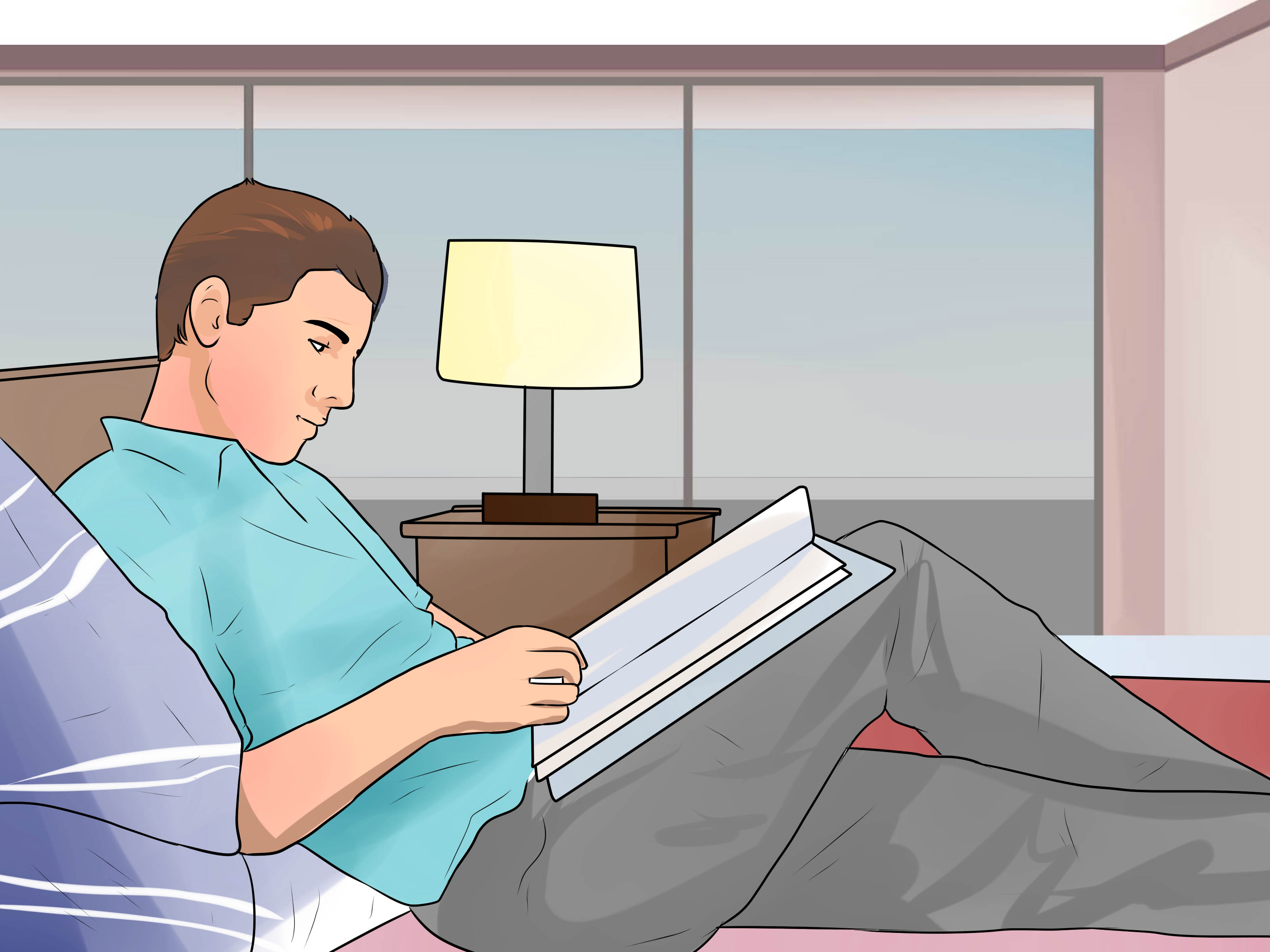
After your shift, create a simple wind-down routine. Wear sunglasses on the commute home if bright morning light makes you feel wired. Keep your bedroom cool, dark, and quiet. Blackout curtains, a sleep mask, earplugs, white noise, or a fan can help turn noon into “fake midnight.” Try to sleep as soon as you reasonably can after work, especially after overnight shifts.
Aim for a consistent sleep window, even if it is not perfect. A regular routine trains your body to expect rest. Weight loss becomes easier when you are not fighting biology with caffeine and stubbornness.
2. Stop Treating the Night Shift Like an All-Night Snack Festival
One of the biggest night shift traps is grazing. A handful of chips here, a cookie there, a “tiny” candy bar that somehow has the emotional impact of a full meal. Because the night is long, snacking can quietly turn into an extra meal or two.
Instead, decide before your shift when you will eat. Most people do well with one balanced meal before work, one lighter meal or planned snack during the shift, and one small meal or snack after work if needed. This structure helps you avoid random eating caused by boredom, stress, or fatigue.
You do not have to ban snacks. You do need to make them intentional. A planned Greek yogurt with berries is a snack. Eating chips directly from the bag while staring into the break room microwave like it owes you money is usually not.
3. Eat Your Main Meal Before Your Shift
A strong pre-shift meal can prevent late-night hunger attacks. Think of it as fueling the mission before entering the night-shift jungle. Your meal should include lean protein, high-fiber carbohydrates, vegetables or fruit, and a small amount of healthy fat.
Good examples include grilled chicken with brown rice and vegetables, turkey chili with beans, salmon with roasted potatoes and salad, tofu stir-fry with quinoa, or eggs with whole-grain toast and avocado. The protein helps with fullness, the fiber slows digestion, and the carbohydrates give you usable energy.
Eating your largest meal before work may also reduce the urge to eat heavy foods between midnight and early morning. Your body can handle food at night, but heavy, greasy, oversized meals at 3 a.m. often leave people sleepy, bloated, and spiritually connected to the nearest couch.
4. Keep Nighttime Meals Lighter and Easier to Digest
During the overnight hours, choose lighter meals that satisfy without making you feel sluggish. Soup, salad with protein, cottage cheese with fruit, a whole-grain wrap, tuna packets with whole-grain crackers, oatmeal, boiled eggs, roasted chickpeas, or a small rice bowl with lean protein can work well.
Try to limit huge meals between midnight and 6 a.m. if possible. This does not mean starving through your shift. It means choosing foods that support alertness instead of sending your digestion into overtime. Heavy fried foods, giant portions, spicy meals, and sugary desserts may taste exciting in the moment, but they can cause sleepiness, reflux, or cravings later.
A helpful rule: if the meal would make you want a nap during a daytime lunch break, it is probably too heavy for the middle of the night.
5. Pack Food Like Future You Is a Hungry Raccoon
The night shift rewards preparation. If you do not bring food, your choices may become vending machine chips, drive-thru meals, leftover break room cake, or a suspicious granola bar from the bottom of your bag. Packing food gives you control when your environment does not.
Prepare two or three reliable night-shift food combinations. For example: a turkey and hummus wrap with baby carrots; Greek yogurt, berries, and nuts; chicken salad over greens; vegetable soup with a boiled egg; or a bento box with cheese, fruit, whole-grain crackers, and edamame.
Do not make meal prep complicated. You are not auditioning for a cooking show called “Exhausted But Elegant.” Cook extra protein at dinner, use frozen vegetables, buy pre-washed greens, and keep emergency snacks in your locker or car. Easy beats perfect every time.
6. Choose Protein and Fiber at Every Meal
Protein and fiber are the dream team for night shift weight loss. They help you feel full longer, reduce cravings, and make meals more satisfying. Protein foods include eggs, chicken, turkey, fish, Greek yogurt, cottage cheese, tofu, beans, lentils, lean beef, and protein-rich dairy or soy options. Fiber comes from vegetables, fruit, beans, lentils, oats, whole grains, nuts, and seeds.
A simple plate formula works well: half your meal from vegetables or fruit, one quarter from protein, and one quarter from high-fiber carbohydrates such as oats, brown rice, quinoa, beans, sweet potatoes, or whole-grain bread. Add a small amount of fat from olive oil, avocado, nuts, or seeds.
This approach is flexible. It works for hospital nurses, warehouse workers, security guards, factory employees, hotel staff, first responders, and anyone whose “lunch hour” sounds like a vampire appointment.
7. Manage Caffeine Like a Tool, Not a Personality
Caffeine can be useful on night shift, but timing matters. Coffee early in your shift may improve alertness. Coffee late in the shift can ambush your daytime sleep, which then increases cravings the next night. That is how a small cup of coffee becomes a full lifestyle spiral.
Many night workers do better by setting a caffeine cutoff about six to eight hours before planned sleep. If you get home at 7:30 a.m. and want to sleep at 9 a.m., that 4 a.m. energy drink may still be tapping on your brain when you are trying to rest.
Hydration also matters. Keep water nearby and drink regularly. Sometimes “hunger” at night is actually thirst, dry indoor air, or the emotional confusion of being awake when the moon is in charge.
8. Create a Post-Shift Routine That Does Not End in a Drive-Thru
The commute home can be dangerous for weight loss goals. You are tired, hungry, and every fast-food sign appears brighter than a Broadway marquee. A planned post-shift routine can protect you from impulse eating.
If you are genuinely hungry after work, eat something small and sleep-friendly: Greek yogurt, a banana with peanut butter, a boiled egg, cottage cheese, oatmeal, or a small smoothie. Avoid huge meals right before bed, especially greasy or spicy foods. Going to bed stuffed can make sleep worse, and poor sleep can make weight loss harder.
Try to make the route home boring. Bring a post-shift snack, avoid unnecessary stops, and remind yourself that tired cravings are not emergency instructions. They are just your brain wearing pajamas and asking for fries.
9. Move in Short Bouts Instead of Waiting for the Perfect Workout
Night shift schedules can make traditional workouts difficult. You may not feel like doing a full gym session after a 12-hour shift, and before work you may be busy with family, errands, or sleep. The solution is to make movement smaller and more repeatable.
Aim for a weekly routine that includes moderate cardio and strength training. Walking, cycling, swimming, dancing, stair climbing, and fitness classes all count. Strength training can include machines, dumbbells, resistance bands, bodyweight squats, wall push-ups, lunges, rows, or deadlifts.
Use short sessions when needed. Ten minutes before work, ten minutes during a break, and ten minutes after waking can add up. Weight loss does not require dramatic workouts. It requires consistent movement that you can actually repeat.
10. Use Strength Training to Protect Muscle
When people try to lose weight, they often focus only on the scale. But the goal is not just to become lighter; it is to lose fat while keeping muscle. Muscle helps support metabolism, strength, posture, and everyday function. For night workers, strength training is especially useful because long shifts often involve either too much sitting or repetitive physical work that does not train the whole body evenly.
Start with two sessions per week. Keep it simple: squats or leg presses, hip hinges, rows, presses, planks, and loaded carries. Beginners can use bodyweight or resistance bands. More experienced exercisers can use weights.
You do not need to destroy yourself in the gym. In fact, crushing workouts right before daytime sleep may make it harder to wind down. Train at a time that leaves you feeling better, not like you have been folded into a laundry basket.
11. Control Liquid Calories
Night shifts and sweet drinks are old friends. Flavored coffees, energy drinks, sodas, sweet teas, fancy creamers, and bottled smoothies can add hundreds of calories without making you feel full. That does not mean you must drink plain water forever and pretend joy is illegal. It means liquid calories need a budget.
Check labels for added sugar and serving sizes. A drink that looks like one serving may contain two. Choose water, sparkling water, unsweetened tea, black coffee, or coffee with a measured amount of milk or creamer most of the time. If you love a sweet coffee, plan it as a treat rather than sipping several through the shift.
A practical swap: replace one sugary drink per shift with water or unsweetened tea. Small changes repeated nightly can create a meaningful calorie difference over weeks.
12. Keep a Simple Food and Sleep Log
You do not have to track forever, but a short food and sleep log can reveal patterns. Write down what you eat, when you eat, how long you sleep, caffeine timing, energy level, and hunger level. After one or two weeks, look for clues.
Maybe you overeat after sleeping only five hours. Maybe the 3 a.m. chips happen on nights when dinner was too small. Maybe caffeine after 2 a.m. ruins sleep. Maybe your “healthy” smoothie has enough calories to power a small lawn mower. Data removes guesswork.
Keep the log neutral. It is not a courtroom. You are not guilty because you ate cookies at midnight. You are gathering evidence so your next choice can be easier.
13. Plan for Days Off Without Flipping Your Life Upside Down
Days off can be tricky. Some night workers completely switch back to a daytime schedule, while others keep a modified night routine. There is no single perfect answer, but extreme schedule flipping can make sleep, appetite, and exercise harder to manage.
If possible, keep your sleep and meal times within a reasonable range of your work schedule. You might shift a few hours earlier on days off instead of becoming a full daytime person for 48 hours and then shocking your body back into nights. Consistency helps hunger cues, workout habits, and meal planning.
Also plan your social eating. If your family dinner happens during your “breakfast,” enjoy it, but adjust the rest of your meals. Weight loss for night workers requires flexibility, not isolation. You can have a life and still make progress.
Best Foods for Night Shift Weight Loss
The best night shift foods are portable, satisfying, and not too heavy. Choose meals and snacks that combine protein, fiber, and slow-digesting carbohydrates. Examples include Greek yogurt with berries, oatmeal with nuts, egg muffins with vegetables, chicken soup, turkey wraps, tuna salad, roasted chickpeas, cottage cheese with fruit, tofu bowls, bean chili, apples with peanut butter, and hummus with vegetables.
Keep a few shelf-stable backups at work: tuna packets, protein bars with reasonable sugar, roasted nuts, whole-grain crackers, instant oatmeal, low-sodium soup cups, or nut butter packets. The goal is to make the healthy choice more convenient than the vending machine choice.
Foods to Limit During Overnight Shifts
You do not need a forbidden-food list carved into stone. However, some foods make night shift weight loss harder when they become routine. Limit fried foods, oversized fast-food meals, candy, pastries, sugary drinks, heavy cream-based coffees, high-sodium packaged snacks, and large meals right before sleep.
These foods are not “bad,” and you are not bad for eating them. They are simply easy to overconsume, low in lasting fullness, and more likely to interfere with sleep or digestion. Save them for times when you truly want them, not when you are just tired, stressed, or trapped in a break room with fluorescent lighting.
Sample Night Shift Weight Loss Schedule
Here is a sample schedule for someone working 7 p.m. to 7 a.m. Adjust it to fit your real life.
- 3:00 p.m.: Wake up, hydrate, get daylight exposure if possible.
- 4:00 p.m.: Balanced main meal with protein, vegetables, and high-fiber carbohydrates.
- 5:00 p.m.: Short workout, walk, or strength session.
- 6:30 p.m.: Start shift with water and planned food packed.
- 10:00 p.m.: Light meal or snack such as a wrap, salad with protein, or yogurt with fruit.
- 1:00 a.m.: Caffeine cutoff for many people, depending on planned sleep time.
- 2:00 a.m.: Optional planned snack: boiled eggs, fruit, nuts, soup, or cottage cheese.
- 7:30 a.m.: Small post-shift snack only if hungry.
- 8:30 a.m.: Wind down in a dark, cool room.
- 9:00 a.m.: Sleep.
This is not a rulebook. It is a starting template. The best schedule is the one you can follow most of the time without needing superhero-level discipline.
Common Mistakes Night Shift Workers Make When Trying to Lose Weight
The first mistake is under-eating before work and then becoming wildly hungry at 2 a.m. The second is relying on caffeine and sugar instead of real meals. The third is skipping sleep to “get more done,” then wondering why cravings are louder than a fire alarm. The fourth is waiting for a perfect routine instead of building a flexible one.
Another common mistake is trying to lose weight too aggressively. Large calorie cuts can backfire when you are already tired. A moderate calorie deficit, consistent protein, regular movement, and better sleep usually work better than crash dieting. Slow progress is still progress, especially when your schedule is working against normal daylight biology.
Extra Experience-Based Advice for Losing Weight on Nights
Anyone who has worked nights knows the advice “just eat healthy and sleep more” can sound adorable, like it was written by someone who has never tried to nap while a neighbor mows the lawn, a delivery driver rings the bell, and the sun attacks through the curtains. Real night shift weight loss requires practical tricks that survive real-world chaos.
One useful experience is to make your food boring in the best possible way. Not flavorless, not sad, just predictable. Have two breakfasts, two work meals, and three snacks you can repeat without thinking. Decision fatigue is real at night. If every meal requires a fresh debate, your tired brain will vote for pizza with shocking enthusiasm. Repetition is not failure; it is automation.
Another helpful lesson is to separate hunger from exhaustion. Many night workers feel “hungry” near the end of the shift, but sometimes the body is asking for sleep, not food. Before eating a large post-shift meal, try drinking water and waiting a few minutes. If you are still hungry, choose a small snack. If you mostly feel cranky, cold, foggy, or emotionally attached to pancakes, sleep may be the real need.
Social pressure can also be surprisingly powerful. Night shift teams bond over food. Someone brings donuts, someone orders wings, someone has a cousin who apparently owns a bakery and wants everyone to participate. You do not have to reject every treat. A realistic approach is to pick the treats you actually love and skip the ones you eat just because they are there. If the break room cookie is dry enough to qualify as office furniture, you can pass.
People also underestimate how much the home environment matters. After a night shift, motivation is usually low. Set up your kitchen before you leave for work. Put a sleep-friendly snack in the fridge. Fill your water bottle. Lay out blackout curtains, pajamas, and anything you need for sleep. Future-you should be able to come home, eat if needed, shower, and go to bed without negotiating with the pantry.
Exercise is similar. The best workout for night shift workers is often the one with the lowest friction. Keep walking shoes near the door. Store resistance bands in your bag. Do a 12-minute strength circuit after waking instead of promising yourself a 90-minute workout after work. A short workout done consistently beats an ambitious workout you keep postponing until “next week,” also known as the magical land where all imaginary fitness plans live.
Finally, be patient with your body. Night work is demanding. Your progress may not look like someone who sleeps at 10 p.m., wakes at 6 a.m., and meal-preps under cheerful morning sunlight. That is okay. Losing half a pound a week, improving sleep, reducing sugary drinks, packing meals four nights out of five, or walking during breaks are all wins. Stack enough small wins and your body will notice.
Conclusion
Losing weight while working nights is not about fighting your schedule with pure willpower. It is about designing a system that protects sleep, reduces random snacking, improves food quality, controls caffeine, and makes movement realistic. Start with one or two steps: pack better food, set a caffeine cutoff, create a sleep cave, or take a 10-minute walk after waking. Then build from there.
Night shift workers do essential work while the rest of the world sleeps. Your health plan should respect that reality. Keep it simple, repeatable, and flexible. You do not need perfection. You need enough good choices, made often enough, to move your body in the right direction.
Note: This article is for educational purposes only and is not a substitute for medical advice. If you have diabetes, heart disease, pregnancy-related nutrition needs, a history of eating disorders, sleep disorders, or take medications affected by food or sleep timing, speak with a qualified healthcare professional before making major changes.