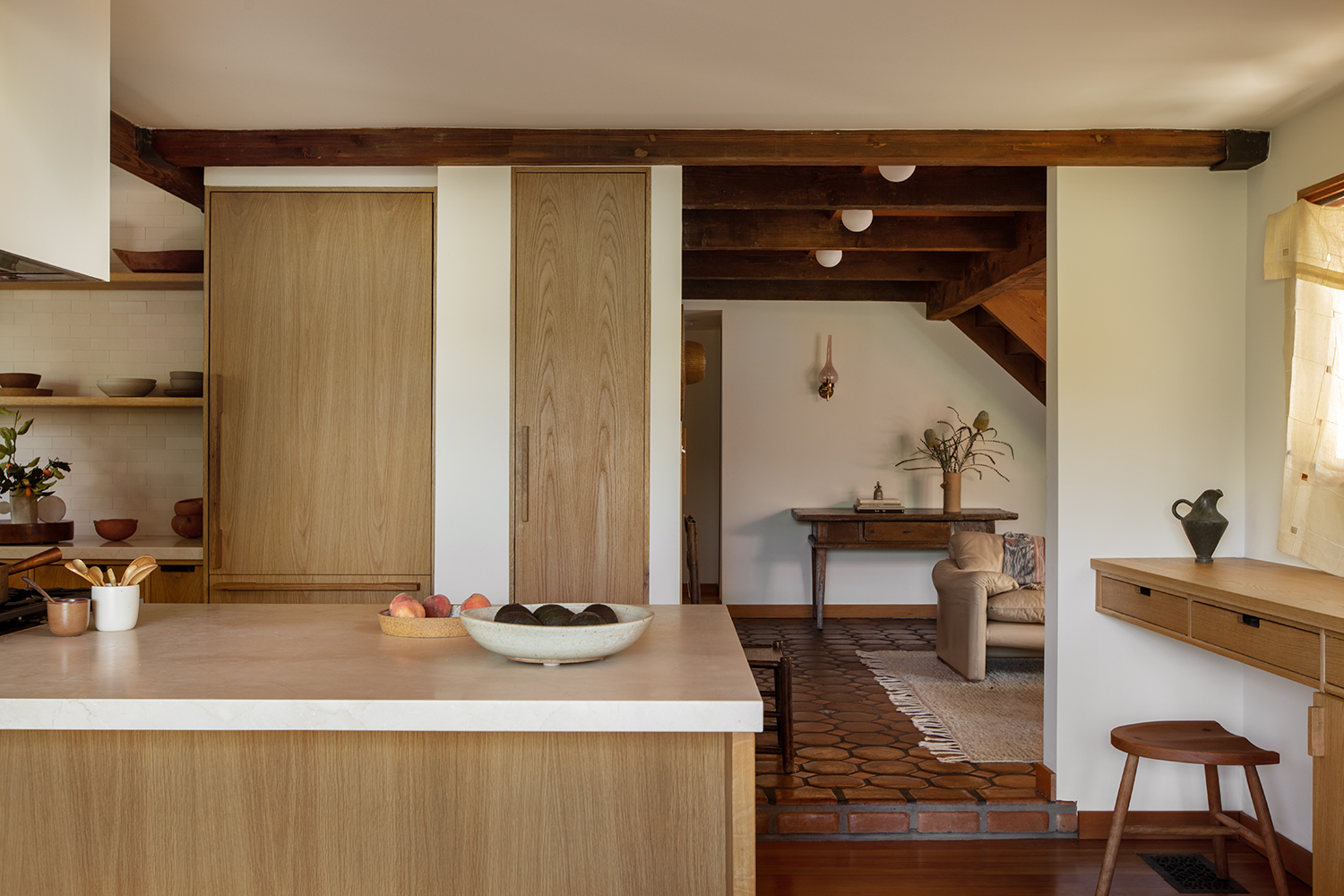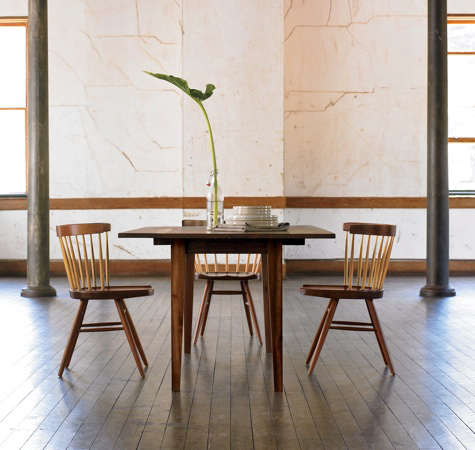
A harvest drop leaf table is the rare piece of furniture that understands real life: one minute you need a compact breakfast spot, and the next minute you are hosting soup, salad, homework, laptops, coffee mugs, and one guest who insists they “barely eat” before taking three servings. Practical, charming, and surprisingly stylish, this table brings the warmth of a traditional harvest table together with the space-saving magic of a drop leaf design.
What Is a Harvest Drop Leaf Table?
A harvest drop leaf table is a dining or kitchen table inspired by the long, sturdy farmhouse-style harvest table, but built with hinged sides that can fold down when not in use. In simple terms, it is a table that can expand when dinner gets serious and shrink when your kitchen remembers it is not a banquet hall.
The “harvest” part usually refers to the rustic, welcoming character of the table. Think solid wood, warm finishes, simple lines, and a design that feels comfortable rather than fussy. The “drop leaf” part refers to one or two hinged tabletop sections, called leaves, that can be raised to create more surface area or lowered to save floor space.
This combination makes the harvest drop leaf table especially useful for apartments, breakfast nooks, farmhouse kitchens, small dining rooms, studio spaces, and multipurpose rooms. It can serve as a dining table, work desk, craft station, buffet surface, entryway console, or emergency pie headquarters during the holidays.
Why the Drop Leaf Design Has Lasted for Centuries
The drop leaf table is not a trendy invention cooked up by a furniture brand after too much espresso. Its roots go back centuries, with gateleg and drop-leaf designs appearing in homes where space, flexibility, and function mattered. The basic idea has remained popular because it solves a problem people still have today: how to live comfortably when one room needs to do three jobs.
Traditional gateleg tables used swinging supports that opened like little gates beneath the tabletop. Modern drop leaf tables may use gatelegs, brackets, sliding supports, or center pedestal designs. Some keep a classic farmhouse profile, while others lean mid-century, cottage, Scandinavian, industrial, or modern rustic.
The beauty is in the adaptability. With both leaves down, a harvest drop leaf table can sit neatly against a wall. With one leaf up, it becomes a cozy two-person table. With both leaves raised, it can welcome a family meal, a board game, or a full Saturday brunch spread. It is basically furniture with social skills.
Best Uses for a Harvest Drop Leaf Table
Small Kitchen Dining
In a compact kitchen, every inch matters. A harvest drop leaf table can stay narrow during the day and open up at mealtime. This makes it ideal for kitchens where a fixed rectangular table would block cabinet doors, traffic flow, or the sacred path between the fridge and the coffee maker.
Apartment and Studio Living
For renters and apartment dwellers, a drop leaf dining table can be a lifesaver. It provides a real eating surface without permanently sacrificing valuable open space. When folded down, it may function as a console table, plant stand, writing desk, or extra prep area.
Farmhouse and Cottage Interiors
A harvest-style table naturally fits farmhouse, cottage, rustic, and country-inspired interiors. Pair it with ladder-back chairs, Windsor chairs, benches, woven placemats, linen napkins, or a simple ceramic vase to create a cozy, lived-in look.
Flexible Hosting
If you occasionally host guests but do not need a large dining table every day, this design is a smart compromise. It gives you the ability to expand for visitors, then reclaim floor space after the last plate has been cleared and someone finally admits they took the last dinner roll.
How to Choose the Right Harvest Drop Leaf Table
Measure the Room First
Before buying a harvest drop leaf table, measure your available floor space with the leaves down, one leaf up, and both leaves up. A table can look perfectly reasonable online and then arrive with the confidence of a baby grand piano. Use painter’s tape on the floor to map out the table’s footprint before committing.
For comfortable dining, allow enough room for chairs to pull out and for people to move around the table. In very tight layouts, one side of the table can sit near a wall, especially if you use stools, a bench, or chairs that tuck fully underneath.
Check the Open and Closed Dimensions
The most important measurements are the table’s width, length, height, and depth with the leaves folded down. Many drop leaf tables are wonderfully compact when closed, but the extended size determines how many people can actually sit comfortably.
A small rectangular drop leaf table may seat two people when partially open and four when fully extended. Larger harvest drop leaf tables can seat four to six, depending on the length, leg placement, and chair style.
Look at the Support System
Good drop leaf tables need stable support. Common support systems include swing-out legs, gatelegs, sliding wooden supports, metal brackets, and pedestal bases. A gateleg design is often sturdy because the support moves directly under the raised leaf. Brackets can work well too, especially on smaller tables, but they should feel secure and easy to operate.
Consider the Table Shape
Rectangular harvest drop leaf tables are classic and practical. They fit nicely against walls and work well in narrow rooms. Round or oval drop leaf tables soften the room visually and can improve movement in tight spaces. Square versions feel casual and modern, especially for breakfast nooks or two-person dining.
Materials: Solid Wood, Veneer, or Engineered Wood?
Solid Wood
Solid wood is the traditional choice for a harvest drop leaf table. Woods such as oak, maple, pine, rubberwood, mango wood, and acacia are commonly used in dining furniture. Solid wood offers durability, character, and the ability to age beautifully. Small scratches can often be treated, softened, or embraced as part of the table’s story.
Wood Veneer
Wood veneer uses a thin layer of real wood over a stable core. A well-made veneer table can look elegant while reducing weight and helping control cost. Veneer can be a smart choice for people who want the appearance of wood without the price or heft of a fully solid wood table.
Engineered Wood
Engineered wood, including MDF or particleboard, is often used in budget-friendly furniture. It can be practical for light use, but it is usually less forgiving than solid wood when exposed to moisture, heavy wear, or repeated moves. If the table will be used daily by children, guests, pets, and the occasional overenthusiastic casserole dish, choose the strongest construction your budget allows.
Design Styles That Work Beautifully
Classic Farmhouse
A classic farmhouse harvest drop leaf table often features a warm wood finish, turned legs, visible grain, and a practical shape. It works well with white walls, vintage rugs, open shelving, and chairs that do not match perfectly. In fact, a little mismatch can make the room feel more personal.
Modern Rustic
Modern rustic style blends clean lines with natural materials. Choose a table with a simple silhouette, medium wood tone, and minimal ornamentation. Add black metal chairs, neutral cushions, and matte ceramic dinnerware for a balanced look.
Mid-Century Inspired
A mid-century harvest drop leaf table may have tapered legs, a warm walnut or chestnut finish, and a leaner profile. This style works especially well in apartments because it feels visually light while still offering flexible surface space.
Cottage and Coastal
For cottage or coastal interiors, look for painted bases, light wood tops, soft edges, and airy colors. Cream, sage, pale blue, whitewash, and natural pine can all create a relaxed feeling. Add woven chairs or simple wooden stools for a breezy, casual finish.
How Many People Can a Harvest Drop Leaf Table Seat?
Seating depends on the extended size, table shape, base design, and chair width. As a general rule, plan for about 24 inches of table width per person for comfortable elbow room. A compact drop leaf table may seat two to four people. A longer rectangular harvest drop leaf table may seat four to six when fully open.
Pay close attention to leg placement. Some tables look large enough for four people, but the legs may interfere with knees. Pedestal bases can make seating easier because there are fewer corner legs in the way. Gateleg tables can also provide strong support, though the support legs should be positioned so diners are not playing footsie with the furniture.
Practical Styling Ideas
Use Chairs That Tuck In
Compact chairs, stools, or benches help preserve the space-saving advantage of the table. Avoid oversized dining chairs unless the room has plenty of clearance. A slim bench on one side can be pushed under the table when not in use.
Add a Rug Carefully
A rug can anchor the dining area, but it must be large enough for chairs to move without catching on the edge. In small rooms, washable flat-weave rugs are a practical choice. If the space is extremely tight, skip the rug and let the table breathe.
Keep the Centerpiece Simple
A harvest drop leaf table already has personality. A low bowl, candle, small plant, or pitcher of seasonal branches is often enough. Avoid tall arrangements that block conversation unless you enjoy asking guests to pass the salt through a decorative forest.
Use Wall Space Nearby
Pair the table with wall shelves, a peg rail, or a narrow sideboard. This keeps tableware close without crowding the tabletop. In a small kitchen, nearby vertical storage can make the table feel like part of a well-planned dining zone rather than a random landing pad for mail.
Care and Maintenance Tips
A harvest drop leaf table is built for use, but it still appreciates basic manners. Wipe spills quickly, especially if the table is made of wood or veneer. Use coasters, placemats, and trivets to protect the surface from water rings, heat marks, and scratches.
For everyday cleaning, use a soft cloth. A slightly damp cloth can handle most crumbs and light messes. Avoid harsh chemicals, abrasive pads, and soaking wet cloths, which can damage finishes over time. If your table has a natural or oil finish, follow the manufacturer’s care instructions for re-oiling or refinishing.
Check the hinges, brackets, and supports occasionally. Tighten loose screws when needed, and make sure the leaves raise and lower smoothly. If the table is solid wood, keep it away from extreme humidity, direct heat vents, and long exposure to strong sunlight. Wood moves with seasonal changes, and even the most well-behaved table may complain if treated like patio furniture in a sauna.
Common Mistakes to Avoid
Buying for the Party, Not Daily Life
It is tempting to buy the biggest table that fits when fully open. But if you host six people twice a year and eat breakfast alone most mornings, prioritize the closed size and everyday comfort. Your future self will thank you every time you walk through the kitchen without turning sideways.
Ignoring Chair Clearance
A table is only comfortable if the chairs work with it. Measure chair width, seat height, and how far the chairs need to pull out. Also check whether the apron or support frame leaves enough knee room.
Forgetting About Weight
Solid wood tables can be heavy. That is good for stability, but not so good if you move apartments often or like rearranging furniture at midnight because inspiration struck. If mobility matters, consider a lighter table or one with casters and locking wheels.
Choosing Style Over Structure
A beautiful table with weak supports is like a fancy umbrella with holes in it. Inspect the hinge quality, support system, joinery, and finish. If shopping online, read dimensions and reviews carefully rather than relying only on pretty photos.
Is a Harvest Drop Leaf Table Worth It?
Yes, a harvest drop leaf table is worth it for many homes, especially where space is limited but flexibility matters. It offers the charm of a farmhouse-inspired dining table without demanding a full-time dining room. It can be cozy for two, practical for four, and surprisingly capable when guests arrive.
It is also a good choice for people who want furniture that feels warm and useful rather than overly formal. A harvest drop leaf table does not sit in the corner waiting for a holiday. It works. It holds breakfast, bills, puzzles, birthday cake, laptops, soup bowls, and the occasional vase of flowers that makes you feel like you have your life together.
Real-Life Experiences With a Harvest Drop Leaf Table
Living with a harvest drop leaf table teaches you something important about furniture: the best pieces are not always the biggest or the most dramatic. Sometimes the hero of the home is the table that quietly adapts to whatever the day throws at it. In a small kitchen, the leaves can stay down during the morning rush, leaving room to move between the counter, stove, and sink. Then, when dinner arrives, one leaf comes up and suddenly there is enough space for plates, glasses, and a serving bowl that is definitely larger than necessary.
One of the most enjoyable experiences is how naturally the table changes roles. On weekday mornings, it can be a coffee spot. By noon, it becomes a work-from-home desk with a laptop, notebook, and a snack that was supposed to be lunch. In the evening, it turns into a dining table. On weekends, it may become a craft station, a board-game arena, or a place to fold laundry while pretending that folding laundry counts as a lifestyle ritual.
The drop leaf feature is especially helpful when guests visit. With both leaves raised, the table feels more generous and welcoming. It creates that classic harvest-table mood: people gathered close, dishes passed around, conversation bouncing from one side to the other. The table does not need to be perfect to feel special. In fact, a few marks in the wood can make it better. A tiny scratch from a serving tray or a faint ring from a forgotten glass becomes part of the household record, like a very quiet family historian.
There is also a practical pleasure in folding the leaves down after a meal. The room opens again. Chairs slide back into place. The table becomes compact, calm, and tidy. That small transformation can make a home feel more organized with almost no effort. It is the furniture equivalent of taking a deep breath.
Of course, there are lessons learned. First, always check that the supports are fully engaged before placing heavy dishes on a raised leaf. No one wants the mashed potatoes to experience gravity in a dramatic way. Second, choose chairs that fit the table’s smaller footprint. Large upholstered chairs may look beautiful, but they can defeat the whole point of a space-saving table. Third, keep the surface protected during messy projects. A harvest drop leaf table may be hardworking, but tomato sauce, permanent markers, and hot pans are still not its closest friends.
Over time, the biggest benefit is emotional as much as practical. A harvest drop leaf table makes small-space living feel intentional rather than compromised. It says, “Yes, this room is compact, but it can still host dinner, laughter, work, creativity, and dessert.” That is why the design remains so appealing. It is not just about saving space. It is about making space for everyday life.