Your transmission is the quiet workhorse of your vehicle. It does not ask for applause, it does not post dramatic updates, and it usually stays out of your wayuntil it suddenly decides to shift like a shopping cart with one bad wheel. That is when many drivers start asking the same nervous question: “Do I need a transmission flush?”
A transmission flush is a service that removes old automatic transmission fluid and replaces it with fresh fluid. In many vehicles, transmission fluid does more than lubricate. It helps cool the transmission, supports hydraulic pressure, protects internal components, and allows smooth gear changes. When the fluid gets old, contaminated, low, overheated, or burnt, your car may begin sending warning signs that are easy to ignore at first and expensive to ignore for long.
Before we go further, here is the honest mechanic-approved reality: not every transmission problem can be fixed with a flush. Sometimes a vehicle needs a fluid change, filter replacement, leak repair, diagnostic scan, software update, or deeper transmission repair. In some high-mileage vehicles with neglected fluid, an aggressive flush may not be the safest first step. Always check your owner’s manual and ask a qualified technician what service is right for your specific transmission.
That said, dirty or degraded transmission fluid is a common cause of poor shifting, slipping, overheating, and strange driving behavior. Below are seven signs you may need a transmission flushor at least a professional transmission fluid inspection before your car turns your commute into a mechanical soap opera.
1. Your Transmission Fluid Looks Dark, Dirty, or Burnt
Healthy automatic transmission fluid is often red, pink, or reddish amber, depending on the vehicle and fluid type. As it ages, it naturally gets darker. A little color change does not automatically mean disaster. But when the fluid becomes dark brown, nearly black, cloudy, gritty, or smells burnt, your transmission is waving a red flagpossibly with both hands.
Transmission fluid breaks down under heat and pressure. Over time, it can lose its ability to lubricate and cool internal parts. It may also collect microscopic debris from clutch material, metal wear, and normal operation. When that fluid circulates through the transmission, it is no longer doing its job like a clean protective fluid. It is more like sending old coffee through a heart pump. Technically liquid, but nobody is happy.
How to check it
If your vehicle has a transmission dipstick, park on level ground and follow the checking procedure in your owner’s manual. Some vehicles require the engine to be warm and running; others have different instructions. Wipe the dipstick with a clean white cloth or paper towel. Look at the color, smell it carefully, and check the level. If the fluid smells burned, looks muddy, or contains visible particles, schedule service soon.
Many modern vehicles have sealed transmissions without a traditional dipstick. In that case, do not guess, overfill, or attempt backyard wizardry. Have a shop inspect the fluid through the correct service port using the right temperature and procedure.
2. Gear Shifts Feel Delayed, Harsh, or Confused
A healthy automatic transmission should shift smoothly enough that you barely think about it. If your car hesitates before going into Drive or Reverse, bangs into gear, jerks between shifts, or takes a moment to respond after you press the gas, the transmission fluid may be part of the problem.
Automatic transmissions depend on proper fluid pressure. Old, contaminated, or low fluid can interfere with that pressure, causing delayed engagement or rough shifting. You might notice a pause after moving the shifter from Park to Drive. Then, suddenly, the car clunks forward like it just remembered it has a job.
Harsh shifting does not always mean the fluid is the only issue. It could involve worn internal parts, a failing solenoid, a bad sensor, software problems, or engine performance issues. But because fluid condition affects shifting quality, it is one of the first things a technician should check.
Example
Imagine pulling out of your driveway on Monday morning. You shift into Reverse, sip your coffee, check the mirror, and wait. The car pauses for two seconds, then engages with a thud. That is not your vehicle being dramatic for entertainment. That delay may indicate low fluid pressure, worn fluid, or another transmission issue that needs attention.
3. The Transmission Slips Between Gears
Transmission slipping is one of the most noticeable signs that something is wrong. It may feel like the engine revs, but the vehicle does not accelerate the way it should. You press the gas, the RPMs rise, the engine sounds busy, yet the car moves like it is considering its options.
Slipping can happen when the transmission cannot maintain proper engagement between gears. Dirty or worn-out fluid may reduce hydraulic performance and friction control. Low fluid can also cause slipping because there is not enough fluid to maintain pressure inside the system.
This is a warning sign you should take seriously. Slipping creates heat, and heat is one of the biggest enemies of automatic transmissions. The longer slipping continues, the more wear it can create. A timely inspection may reveal that the vehicle needs fresh fluid, a filter change, leak repair, or another service before the damage becomes more expensive.
Do not ignore slipping
If your transmission slips once, pay attention. If it slips repeatedly, avoid heavy acceleration, towing, or long drives until it is inspected. A transmission flush might help if old fluid is the main issue, but if internal clutch packs are already badly worn, fresh fluid alone will not perform miracles. Cars are machines, not fairy godmothers.
4. You Notice a Burning Smell While Driving
A burning smell from your vehicle is never something to casually file under “probably fine.” Burnt transmission fluid can produce a sharp, hot, unpleasant odor. Sometimes drivers notice it after city driving, climbing hills, towing, or sitting in traffic on a hot day.
Transmission fluid helps control heat. When it overheats, it can lose its protective qualities. Once fluid is burnt, it may no longer lubricate properly, which increases friction and internal wear. The smell can also point to fluid leaking onto hot exhaust parts, which creates another reason to stop ignoring it.
If you smell burning, check whether it happens during certain conditions. Does it appear after highway driving? After towing a trailer? After climbing a steep hill? After stop-and-go traffic? Those clues can help a technician understand whether the transmission is overheating, leaking, or struggling under load.
What to do
Pull over safely if the smell is strong or accompanied by smoke, warning lights, slipping, or poor vehicle response. Do not keep driving just because the car still moves. Many expensive transmission repairs begin with the phrase, “I thought I could make it home.”
5. You See Transmission Fluid Leaking Under the Vehicle
Transmission fluid leaks often appear as red, pink, reddish-brown, or dark oily spots under the vehicle. Fresh automatic transmission fluid is usually brighter, while old fluid may look darker. If you see fluid under the middle or front area of the vehicle, especially after parking overnight, it is time to investigate.
Unlike engine oil, transmission fluid does not normally “burn off” as part of regular operation. If the level is low, there is often a leak somewhere. Common leak points include cooler lines, pan gaskets, axle seals, output shaft seals, and transmission case areas.
Low transmission fluid can lead to delayed shifting, slipping, overheating, whining noises, and internal wear. In other words, a small drip can eventually invite a large repair bill to dinner. And that bill will order the most expensive thing on the menu.
Flush or fix first?
If your vehicle is leaking transmission fluid, the leak should be diagnosed and repaired before or during any fluid service. Flushing a leaking transmission without fixing the leak is like filling a bathtub while the drain is open and then acting surprised when your socks get wet.
6. You Hear Whining, Grinding, Humming, or Clunking Noises
Unusual transmission noises are another sign that your fluid may need attention. A whining sound can indicate low fluid, pump problems, or internal wear. Grinding may occur in manual transmissions or in automatics with serious internal issues. Clunking during shifts can point to harsh engagement, worn mounts, driveline issues, or transmission trouble.
Fluid matters because it cushions, lubricates, cools, and helps transfer force inside the transmission. When it becomes dirty or low, components may operate with less protection. That can create noise, vibration, and roughness.
Do not assume every noise is caused by the transmission. Wheel bearings, CV joints, engine mounts, differential components, brakes, and tires can also create strange sounds. But if the noise changes when the transmission shifts, appears during acceleration, or comes with slipping or delayed engagement, the transmission deserves a closer look.
Listen for patterns
Tell your technician when the noise happens. Is it only when cold? Only in Reverse? Only at highway speed? Only while accelerating? The more specific you are, the faster the diagnosis can be. “It makes a noise” is helpful. “It whines in Drive when cold and gets quieter after 10 minutes” is much more useful.
7. Your Dashboard Warning Light Comes On
Modern vehicles monitor transmission behavior through sensors and control modules. If something falls outside the expected range, your check engine light or transmission warning light may come on. The warning light does not automatically mean you need a transmission flush, but it does mean the vehicle has stored information that should be checked with a diagnostic scan.
Transmission-related codes can point to shift solenoids, fluid temperature, gear ratio errors, pressure problems, torque converter issues, or electronic control faults. Sometimes poor fluid condition contributes to these problems. Other times, the vehicle needs electrical or mechanical repair.
Ignoring a warning light is tempting because the car may still drive normally. Unfortunately, warning lights are not decorative dashboard confetti. They are there because the vehicle has noticed something worth investigating.
Scan before service
If a transmission warning light is active, ask for a diagnostic scan before approving a flush. A scan can help determine whether fluid service is appropriate or whether another repair should happen first. This is especially important for vehicles with CVTs, dual-clutch transmissions, and electronically controlled automatics that require specific fluid types and procedures.
Transmission Flush vs. Transmission Fluid Change: What Is the Difference?
The terms “transmission flush” and “transmission fluid change” are often used interchangeably, but they are not exactly the same.
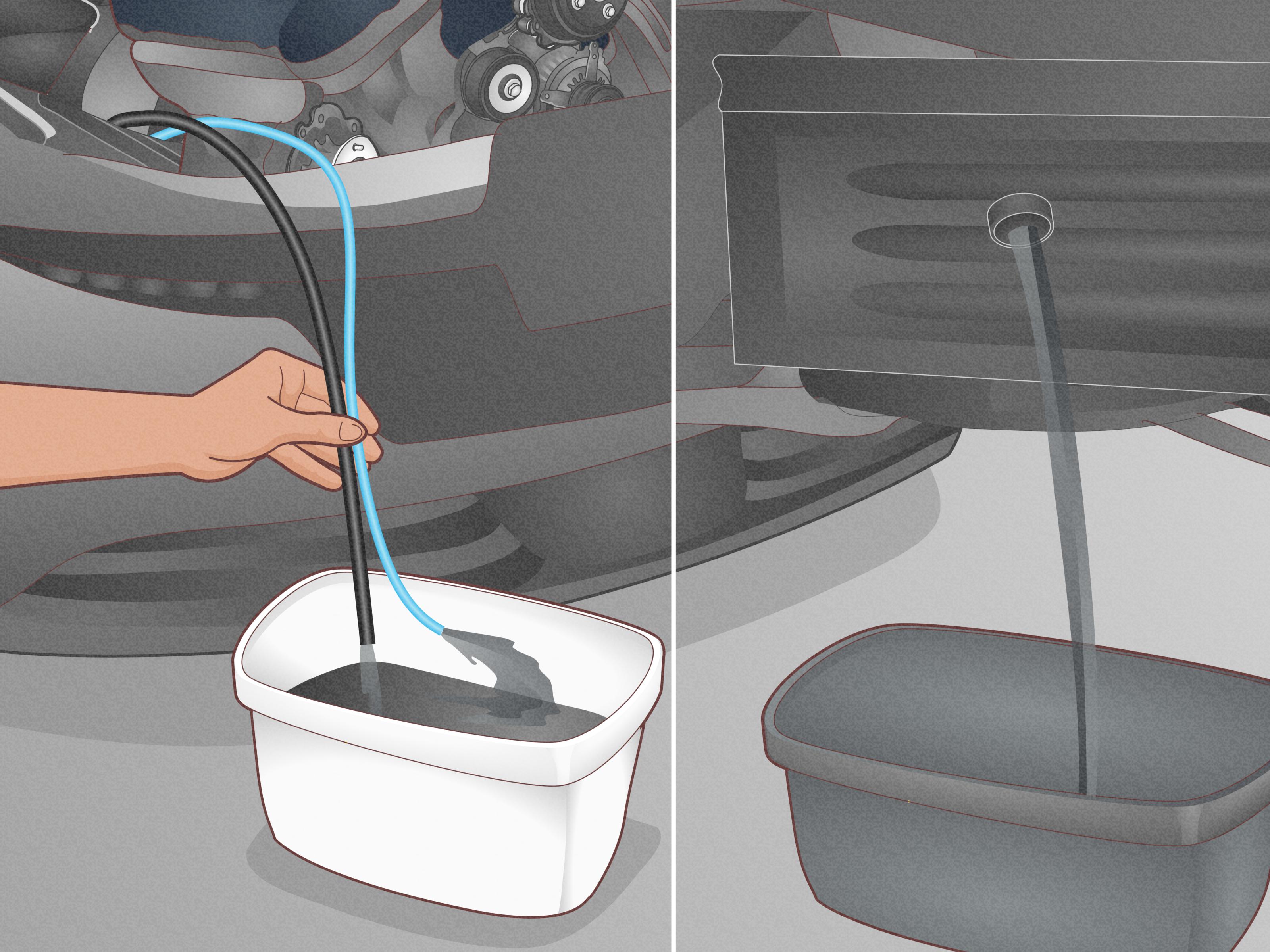
A transmission fluid change usually drains part of the old fluid from the pan and replaces it with new fluid. Depending on the vehicle, it may also include replacing the transmission filter and pan gasket. Because some fluid remains in the torque converter, cooler lines, and internal passages, a basic drain-and-fill may not replace all the old fluid.
A transmission flush uses equipment to exchange a larger amount of old fluid with new fluid. The goal is to remove more contaminated fluid from the entire system. A flush may be helpful when performed correctly on a vehicle that is suitable for the service.
However, a flush is not always the best choice. On some high-mileage vehicles with unknown service history, a gentler drain-and-fill may be safer. In badly neglected transmissions, fresh fluid can sometimes reveal existing wear rather than fix it. This is why a trustworthy shop should inspect the fluid, check for leaks, review the mileage, and consider the manufacturer’s recommendations before choosing the service.
How Often Should You Flush Transmission Fluid?
There is no single mileage interval that fits every vehicle. Some manufacturers recommend transmission service every 30,000 to 60,000 miles. Others may suggest 60,000 to 100,000 miles, while some newer vehicles claim “lifetime” fluid under normal conditions. The safest answer is simple: follow your owner’s manual and adjust for real-world driving.
Severe driving can shorten fluid life. That includes frequent towing, hauling heavy loads, stop-and-go traffic, mountain driving, hot climates, rideshare work, delivery driving, and aggressive acceleration. If your vehicle works hard, the transmission fluid works hard too. It does not get a tiny vacation or a motivational playlist. It just gets hotter.
If you bought a used car and do not know its service history, have the transmission fluid inspected. Do not automatically request a flush without diagnosis, especially if the vehicle has high mileage or existing shifting problems. A qualified technician can recommend whether a flush, drain-and-fill, filter replacement, or repair is the smarter move.
When a Transmission Flush May Not Be Enough
A transmission flush can help when old or contaminated fluid is causing poor performance. But it cannot rebuild worn clutch packs, repair broken gears, fix a damaged torque converter, seal a leak, or replace a failing solenoid. If your transmission has severe slipping, metal particles in the fluid, constant overheating, or loud mechanical noises, it may need more than fluid service.
Think of a flush like giving your transmission clean blood. That is useful when the system is healthy enough to benefit from it. But if the internal parts are already badly damaged, clean fluid alone will not reverse the wear. It may improve symptoms briefly, do nothing, or reveal how serious the problem already was.
This is why honest diagnosis matters. A good shop will not simply sell you a flush because the word sounds fancy. It will check fluid condition, scan for codes, inspect for leaks, test drive the vehicle, and recommend the right service.
Experience-Based Advice: What Drivers Often Learn the Hard Way
Many drivers do not think about transmission fluid until the car starts acting weird. That is understandable. Engine oil gets all the attention. It has stickers, dashboard reminders, quick-lube coupons, and an entire personality. Transmission fluid sits quietly in the background like the responsible adult at a party.
One common experience is the “morning hesitation.” A driver starts the car, shifts into Drive, and the vehicle waits a second before moving. At first, it happens only when cold. Then it starts happening after work. Then it comes with a little bump. By the time the driver finally schedules service, the fluid is dark and the level is low because of a small leak that could have been fixed earlier.
Another familiar story involves towing. A family uses an SUV to pull a small trailer on summer weekends. The vehicle seems fine, but after a few months, shifts become firmer and the fluid smells hot. Towing creates extra heat, and heat breaks down fluid faster. In that case, earlier transmission service may prevent bigger problems, especially if the vehicle has a transmission cooler and the correct fluid is used.
City drivers see a different pattern. Stop-and-go traffic forces the transmission to shift constantly. A car that spends its life crawling through traffic, idling at lights, and making short trips may need fluid service sooner than a car that cruises gently on the highway. Mileage alone does not tell the whole story. A 50,000-mile car used for delivery work can be harder on transmission fluid than an 80,000-mile car used mostly for calm highway commuting.
Used-car buyers also learn important lessons. A vehicle may look clean, smell nice, and have tires shiny enough to signal aircraft, but the transmission fluid can tell another story. If the fluid is black, burnt, low, or full of debris, it may suggest neglected maintenance or internal wear. Before buying a used car, especially one with high mileage, have the transmission inspected. A pre-purchase inspection may feel annoying in the moment, but it is much less annoying than buying a car that needs a transmission two weeks later.
Some drivers also confuse a flush with a cure-all. They wait until the transmission is slipping badly, then ask for a flush as if it were a magic reset button. Fresh fluid can help if the old fluid is the main issue, but it cannot erase years of overheating or neglect. The best time to service transmission fluid is before the transmission starts begging for help in five different languages.
The most useful habit is simple: pay attention to small changes. If the shift from Park to Drive feels slower than usual, make a note. If you see a reddish spot under the car, do not pretend it is driveway art. If the fluid smells burnt, schedule service. If the check engine light comes on and the car shifts strangely, get it scanned. Early attention gives you options. Late attention gives you invoices.
Finally, use the correct fluid. Modern transmissions are picky. CVTs, dual-clutch transmissions, traditional automatics, and manual gearboxes may require very different fluids. Using the wrong fluid can create shifting problems or damage. This is one area where “close enough” is not close enough. Your transmission is not making a smoothie. It needs the exact specification.
Conclusion
The seven signs you need a transmission flush include dark or burnt fluid, delayed shifting, slipping gears, burning smells, visible leaks, unusual noises, and dashboard warning lights. Each symptom deserves attention because transmission fluid plays a major role in cooling, lubrication, hydraulic pressure, and smooth gear changes.
Still, the smartest move is not to demand a flush blindly. Check your owner’s manual, consider your driving conditions, and have a qualified technician inspect the vehicle. In many cases, fresh fluid can improve performance and extend transmission life. In other cases, a drain-and-fill, filter replacement, leak repair, or deeper diagnosis may be the better choice.
Your transmission does not need constant pampering, but it does need clean, correct fluid and timely maintenance. Treat those early warning signs seriously, and you may avoid the kind of repair bill that makes people stare silently into the distance.