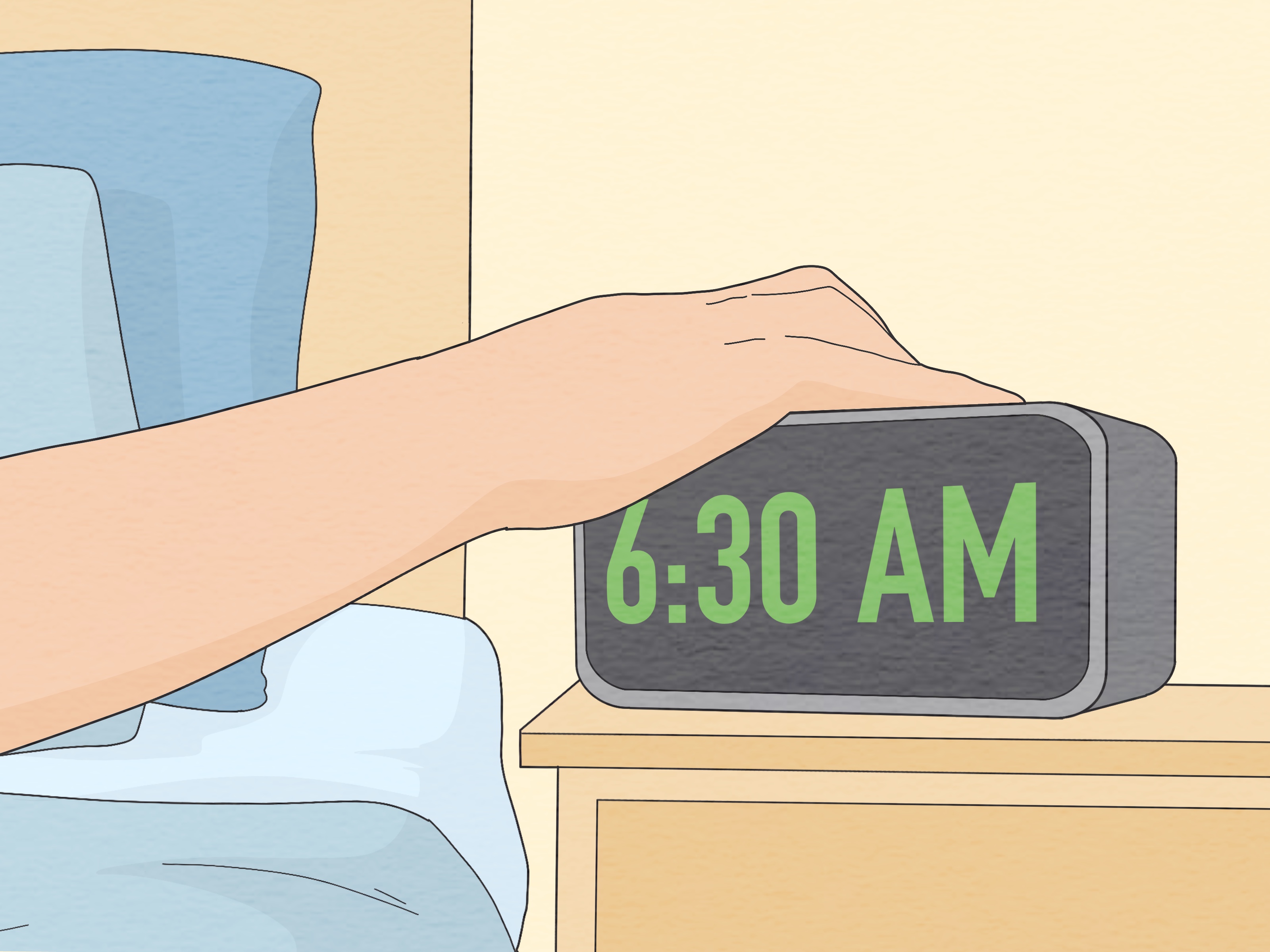
Being late to work happens to almost everyone at some point. Your alarm decides to become a silent monk. Traffic suddenly turns into a parking lot with cup holders. Your toddler discovers one shoe but not the other. Life is creative, and unfortunately, it often schedules its finest disasters right before your morning meeting.
Still, when you arrive late, your response matters. A good apology does more than say “sorry.” It shows accountability, respect for other people’s time, and a plan to prevent the same problem from becoming your unofficial workplace brand. Nobody wants to be known as “the person who arrives with coffee and excuses at 9:23.”
This guide explains 5 ways to apologize for being late to work professionally, naturally, and without making the situation more awkward than it already is. You will find practical examples, apology scripts, email templates, and real-world advice for handling tardiness in a way that protects your reputation.
Why Your Apology Matters When You Are Late to Work
Punctuality is not just about clocks. It is about trust. When you are late, your manager may need to adjust coverage, delay a meeting, move a deadline, or ask a coworker to handle something that was supposed to be yours. Even when your reason is completely understandable, the impact can still be real.
A professional apology helps repair that small break in reliability. It tells your employer, “I understand this affected the team, and I am taking responsibility.” That message is far more powerful than a dramatic explanation involving traffic, weather, a rebellious garage door, and a bagel that somehow became involved.
The best late-to-work apology is honest, brief, timely, and focused on fixing the disruption. It should not sound like a courtroom defense. It should not include every emotional detail of your morning. It should simply acknowledge what happened and show that you are back in work mode.
1. Notify Your Manager Before You Arrive Late
The first and most important way to apologize for being late to work is to communicate before you walk through the door. If you already know you will be late, send a quick message as soon as possible. Waiting until you arrive makes the delay more frustrating because your manager has to guess where you are, whether you are coming, and whether the team needs a backup plan.
A short early message shows respect and maturity. It also gives your supervisor time to rearrange coverage, start the meeting without you, or ask someone else to handle an urgent task. Even if you are only ten minutes behind, early communication is better than surprise lateness.
What to Say Before You Get to Work
Keep your message simple and specific. Mention that you are running late, provide a realistic arrival time, apologize briefly, and offer to help reduce the impact.
Example text message:
“Hi [Manager Name], I apologize, but I am running about 20 minutes late this morning due to an unexpected transportation issue. I expect to arrive by 9:20. I will jump into my priority tasks as soon as I get in.”
Example for a meeting:
“Good morning, I’m sorry, but I’m running 10 minutes late and may miss the start of the meeting. Please feel free to begin without me. I will review anything I miss and catch up right away.”
This kind of message works because it is clear, calm, and useful. It does not beg for forgiveness. It does not sound defensive. It gives your manager the information they actually need.
2. Apologize Sincerely and Directly When You Arrive
Once you arrive at work, do not pretend nothing happened. A quick, sincere apology is usually enough. You do not need to perform a tragic one-person play titled “The Morning Was Against Me.” Simply acknowledge the lateness, apologize, and move forward.
The key is to be direct. A weak apology sounds like, “Sorry, traffic was insane,” with the hidden message being, “Clearly the highway is the true villain here.” A stronger apology sounds like, “I’m sorry I was late. I know it affected the morning schedule, and I appreciate your patience.”
Good In-Person Apology Examples
“I apologize for being late this morning. I know the team was counting on me to be here at 8:30, and I appreciate you covering while I got in.”
“I’m sorry I missed the start of the meeting. I will review the notes right away and make sure I am caught up.”
“I apologize for arriving late. It was my responsibility to be here on time, and I will make sure this does not become a pattern.”
Notice that each example includes accountability. You are not saying the universe owes you an apology. You are saying you understand your role in the situation.
3. Give a Brief, Honest Explanation Without Oversharing
Honesty is essential when explaining why you were late to work. That does not mean you need to provide a minute-by-minute documentary of your morning. Your manager does not need the extended edition unless there is a serious emergency or formal documentation is required.
A good explanation is truthful, concise, and relevant. For example, “I had an unexpected issue with childcare this morning” is enough. “My son refused socks, then the dog ate half a waffle, then my car keys were in the refrigerator for reasons still under investigation” may be honest, but it is probably not necessary.
How Much Detail Should You Give?
Use the “need-to-know” rule. If the reason affects your schedule, your ability to work, or your future attendance, explain it briefly. If it is just a one-time inconvenience, keep it short.
Appropriate explanations include:
- “I had a transportation delay this morning.”
- “There was an unexpected childcare issue.”
- “I had a medical appointment that ran longer than expected.”
- “I misjudged the commute today, and that is on me.”
- “My train was delayed, and I should have built in more buffer time.”
The last two examples are especially strong because they do not hide behind the excuse. They admit the external problem while still accepting responsibility for planning better next time.
4. Offer a Practical Way to Make Up for the Lost Time
An apology becomes much more effective when it includes a solution. If your lateness caused missed work, offer a reasonable way to make up for it. That might mean staying a little later, shortening your lunch break, catching up on missed meeting notes, or handling a task that someone else covered for you.
This does not mean you should offer something unrealistic, like “I will sleep under my desk for the rest of the week to prove my loyalty.” Please do not do that. HR has enough emails. Instead, offer a practical fix that fits your workplace and role.
Examples of Making It Right
“I apologize for being late. I will stay 30 minutes later today to finish the report.”
“I’m sorry I missed the first part of the call. I will review the recording and send my updates by noon.”
“Thank you for covering the front desk while I was delayed. I can take the next coverage block so you have time back.”
“I know my late arrival affected the opening checklist. I will complete the remaining items now and make sure tomorrow’s setup is ready before I leave today.”
Offering a fix shows that you understand lateness is not only about your schedule. It can affect coworkers, customers, meetings, and deadlines. That awareness helps rebuild trust quickly.
5. Explain How You Will Prevent It From Happening Again
The final step is the one many people skip: prevention. A professional apology for being late to work should include a plan, especially if the lateness was significant or repeated. Managers do not only want to hear that you are sorry. They want to know the same issue will not continue every Tuesday like a depressing workplace tradition.
Your prevention plan should be specific. “I’ll try harder” sounds nice, but it is vague. “I am setting two alarms and leaving 20 minutes earlier on in-office days” is better. Specific actions show that you have thought about the cause and created a realistic correction.
Prevention Plan Examples
“I am going to leave earlier on days when I need to be in the office because traffic has been less predictable.”
“I have adjusted my morning childcare schedule so I have more buffer time.”
“I am setting a backup alarm and preparing my work bag the night before.”
“I will check the train schedule before leaving and message you immediately if there is a delay.”
“I realize this has happened more than once, so I am changing my commute routine and will make sure I am here on time going forward.”
When your plan is clear, your apology becomes more credible. It shifts the conversation from “I messed up” to “I understand the issue and I am fixing it.” That is exactly where you want the conversation to land.
How to Apologize by Email for Being Late to Work
Sometimes a verbal apology is enough. Other times, especially if you were very late, missed something important, or your workplace prefers written communication, an email is better. A late-to-work apology email should be short, professional, and specific.
Simple Email Template
Subject: Apology for Arriving Late
Hi [Manager Name],
I apologize for arriving late to work today. I understand that my delay affected the morning schedule, and I appreciate your patience. I am catching up on my tasks now and will make sure my priority work is completed today.
I will also adjust my morning routine to prevent this from happening again.
Thank you,
[Your Name]
Email Template for Missing a Meeting
Subject: Apology for Missing the Start of Today’s Meeting
Hi [Manager Name],
I apologize for being late and missing the beginning of today’s meeting. I understand that this may have disrupted the discussion. I will review the notes, follow up on any action items assigned to me, and make sure I am fully prepared for the next meeting.
Thank you for your understanding,
[Your Name]
These emails work because they are not overloaded with excuses. They acknowledge the issue, show respect, and include a next step.
What Not to Do When You Are Late to Work
Knowing what not to say is just as important as knowing how to apologize. A clumsy apology can accidentally make you look careless, defensive, or unaware of how your lateness affected others.
Do Not Blame Everyone Else
Traffic, weather, public transit, family issues, and emergencies can all be real. But if your apology sounds like you had no control over anything, it may seem like you are avoiding responsibility. A better approach is to acknowledge the reason while still owning your role.
Instead of saying, “It was not my fault; traffic was terrible,” say, “Traffic was heavier than expected, and I should have allowed more time. I apologize.”
Do Not Over-Apologize
One sincere apology is professional. Ten apologies in a row can become uncomfortable. After you apologize, explain your plan and get to work. Your manager probably wants reliability more than a dramatic apology tour.
Do Not Lie
Never invent a serious emergency to cover lateness. It may seem like a quick escape, but dishonesty can damage your credibility far more than being late. If the truth is embarrassing, keep it brief: “I mismanaged my morning schedule, and I apologize.” That is better than creating a fictional traffic pileup involving three buses and a runaway llama.
Do Not Walk In Loudly and Distract Everyone
If you arrive late during a meeting, enter quietly, sit down, and catch up without interrupting. Save the apology for a natural moment afterward. Announcing your arrival with a giant sigh, a coffee spill, and “You will not BELIEVE my morning” is memorable, but not in the way you want.
Special Situations: When Being Late Is More Serious
Not all lateness is equal. Being five minutes late once because of an unexpected delay is different from being 45 minutes late on the day of a client presentation. The more your lateness affects the team, customers, safety, or business operations, the more careful your apology should be.
If You Are Late for a Shift-Based Job
In retail, healthcare, food service, customer support, manufacturing, and other shift-based roles, one late arrival can force someone else to stay longer or leave the team short-staffed. Your apology should recognize the coverage issue directly.
“I apologize for being late and for the extra coverage it created for the team. I appreciate [Coworker Name] staying until I arrived. I will make sure this does not happen again.”
If You Are Late to a Client Meeting
Client-facing lateness needs extra care because it can affect the company’s reputation. Apologize to your manager and, when appropriate, briefly apologize to the client without overexplaining.
“Thank you for your patience. I apologize for joining late. I appreciate you moving forward, and I am ready to continue.”
If You Are Repeatedly Late
If lateness has become a pattern, a simple “sorry” may not be enough. You may need to have a more serious conversation with your manager. Be honest about the problem, ask whether there are schedule options if needed, and present a clear improvement plan.
“I recognize that my punctuality has not been consistent, and I understand why that is a concern. I am taking steps to correct it, including adjusting my commute and preparing earlier the night before. I want to rebuild trust and meet expectations going forward.”
Real Workplace Experiences: What Being Late Teaches You
Most people learn the art of apologizing for being late to work the hard way. It usually begins with a morning that feels cursed from the first minute. The alarm goes off, but somehow you negotiate with it like a tiny lawyer. Five more minutes becomes fifteen. Then the toothpaste cap rolls behind the sink, the shirt you planned to wear has a mystery stain, and your car keys have joined a witness protection program. By the time you leave, you are already late, and your commute seems personally offended by your optimism.
The experience is stressful because lateness makes you feel out of control. Even responsible employees can have one chaotic morning. What separates a professional response from an awkward one is how quickly you shift from panic to accountability. The best employees do not waste time inventing perfect excuses. They communicate early, give a realistic arrival time, and focus on reducing the impact.
One common workplace lesson is that managers usually respond better to honesty than drama. For example, an employee who says, “I apologize, I overslept and I am on my way now. I expect to arrive by 9:25,” may feel embarrassed, but the message is clear. A manager can work with clear information. Compare that with, “There has been an unbelievable series of events,” followed by silence. That second version creates uncertainty, and uncertainty is what frustrates supervisors most.
Another experience many workers have is realizing that coworkers are often the ones most affected by lateness. If a teammate had to cover the phones, open the store, start the report, or answer the client, apologizing to them matters too. A quick “Thank you for covering while I was delayed. I appreciate it” can go a long way. It turns the apology from a private conversation with your boss into a moment of respect for the team.
Being late can also reveal whether your morning routine is realistic. Some people plan their commute as if every traffic light will turn green, every elevator will be waiting, and their coffee will pour itself into the cup with the grace of a professional butler. That is not a plan. That is a fairy tale with a laptop bag. A better routine includes buffer time, backup alarms, prepared clothes, packed work items, and a clear departure deadline.
Remote and hybrid work can create a different kind of lateness. You may not be stuck in traffic, but you can still be late to a video meeting because of software updates, internet issues, calendar confusion, or the classic “I thought this was at 10:30” tragedy. The same rules apply: apologize briefly, avoid overexplaining, and get focused quickly. “Sorry for joining late. I had a connection issue, but I am here now and ready to continue” is enough.
The most important lesson is that one late arrival rarely defines you, but repeated lateness can. A sincere apology can fix a moment. A better habit fixes the pattern. If you are late once, apologize and move forward. If you are late often, look for the real cause. Are you sleeping too late? Is childcare unpredictable? Is the commute no longer realistic? Is your schedule incompatible with your responsibilities? Solving the root problem is more powerful than producing a new apology every week.
In the end, apologizing for being late to work is not about sounding perfect. It is about being respectful, honest, and useful. Your manager does not need a dramatic monologue. Your coworkers do not need a weather report from every mile of your commute. They need to know you understand the impact, you are taking responsibility, and you are doing something to prevent it next time. That is the kind of apology that protects your reputation and helps everyone move on with the day.
Conclusion
Learning how to apologize for being late to work is a small but important professional skill. The best approach is simple: communicate early, apologize sincerely, explain briefly, offer a practical fix, and show how you will prevent the problem from happening again. This combination protects your credibility because it proves you understand that punctuality is about more than showing up. It is about respecting your team, your manager, your customers, and the work itself.
Everyone has late mornings. What matters is whether you handle them with honesty and accountability. A calm, professional apology can turn an uncomfortable moment into proof that you are responsible, self-aware, and committed to doing better. And yes, setting a second alarm probably would not hurt either.
Note: This article is original, fully rewritten, and synthesized from current U.S.-focused workplace etiquette, HR, and career guidance. It is designed for web publishing without unnecessary citation placeholders or source-code artifacts.