Short hair is not a “limited edition” hairstyle. It is not the backup plan after a dramatic haircut, a gum-in-the-hair emergency, or one brave moment with kitchen scissors. Short hair for girls can be cute, sporty, polished, playful, elegant, and wonderfully low-maintenancesometimes all before breakfast. The secret is learning a few smart styling methods that work with the haircut instead of fighting it like a tiny hair tornado.
Whether the cut is a pixie, bob, bixie, crop, curly short cut, or chin-length style, short hair has one huge advantage: every small detail shows. A side part changes the mood. A barrette suddenly looks intentional. A little texture at the crown can make fine hair look fuller. A headband can rescue a rushed morning faster than anyone can say, “Where is my other sock?”
This guide focuses on 3 ways to style short hair for girls using realistic techniques, gentle hair-care habits, and simple tools. The goal is not to create stiff, overdone styles that look like they require a backstage glam squad. The goal is wearable short hairstyles for school, family photos, birthday parties, weekends, sports days, and those mysterious mornings when the hair wakes up with its own political opinions.
Why Short Hair Is So Fun to Style
Short hair is expressive because the shape is front and center. With long hair, styling often depends on length: ponytails, buns, braids, and curls. With short hair, styling depends more on detail: movement, texture, shine, parting, volume, and accessories. That makes it flexible for different ages, hair textures, face shapes, and routines.
A short bob can look sweet with a ribbon clip, modern with a middle part, sporty with a headband, or dressy with soft waves. A pixie cut can be smoothed down, brushed forward, flipped to the side, or lifted with a pea-sized amount of styling cream. Curly short hair can be shaped with moisture and finger-coiling, while straight short hair can gain personality from a bend at the ends or a few well-placed clips.
Another advantage is time. Many short hairstyles can be done in five to ten minutes, especially once you understand the haircut’s natural direction. That matters for busy school mornings, dance practice, summer camp, church, family outings, and weekends when everyone somehow needs to leave the house “right now.”
Before Styling: A Quick Short-Hair Prep Routine
Good styling starts before the barrette, brush, or blow-dryer appears. Short hair can lose shape quickly if it is greasy, dry, flattened, or overloaded with product. A simple prep routine keeps the hair soft, healthy-looking, and easier to manage.
Start with clean, lightly conditioned hair
Short hair often sits close to the scalp, so oil can show faster than it does on longer hair. However, washing too often can dry out the hair, especially curly, coily, color-treated, or textured hair. The best rhythm depends on the girl’s activity level, scalp oil, weather, and hair type. A child who plays sports daily may need more frequent cleansing than a girl with dry curls who benefits from fewer wash days.
Detangle gently
Use a wide-tooth comb, fingers, or a soft brush depending on hair texture. Start at the ends and work upward. Even short hair can break if it is yanked, especially around the hairline and nape. For curly or coily short hair, detangling with conditioner or a leave-in spray can make the process much easier.
Use heat carefully
Short styles sometimes need a blow-dryer or flat iron for a sleek finish, but heat should not be the everyday hero. When heat is used, apply a heat protectant, choose a low or medium setting, and avoid pressing hot tools repeatedly over the same section. For younger girls, heat-free styling is usually the better daily choice.
Pick lightweight products
Short hair can get weighed down quickly. A pea-sized amount of styling cream, a light mousse, a small mist of leave-in conditioner, or a touch of flexible hairspray is usually enough. Heavy gels, thick oils, and too much pomade can turn a cute pixie into a shiny helmet. Nobody asked for helmet hair unless there is an actual bicycle involved.
Style 1: The Polished Bob with a Side Clip
The polished bob is one of the easiest and most classic short hairstyles for girls. It works on chin-length bobs, jaw-length cuts, French bobs, blunt bobs, and slightly layered bobs. The look is neat without being boring, and the side clip adds personality without requiring complicated styling skills.
Best for
This style is great for school, picture day, family events, recitals, holidays, and any day when the hair needs to look tidy but still age-appropriate. It works especially well for straight, wavy, fine, medium, or lightly textured hair. Curly hair can wear this look too, but the finish should celebrate the curl pattern rather than force the hair into a flat shape.
What you need
You only need a brush or comb, a light leave-in spray or smoothing cream, one or two clips, and optional flexible hairspray. For extra polish, a blow-dryer with a concentrator nozzle and a small round brush can help shape the ends, but air-drying also works.
Step-by-step styling
Start with damp or dry hair. If the hair is damp, apply a small amount of leave-in conditioner or smoothing cream. Create a side part using the arch of one eyebrow as a guide. This keeps the part soft and natural instead of looking like it was measured with a ruler during math class.
Brush the hair downward and slightly inward at the ends. If using a blow-dryer, aim the airflow downward to reduce frizz and smooth the cuticle. For a bob that flips outward naturally, do not panic. You can either turn the ends under with a round brush or embrace the flip for a playful retro look.
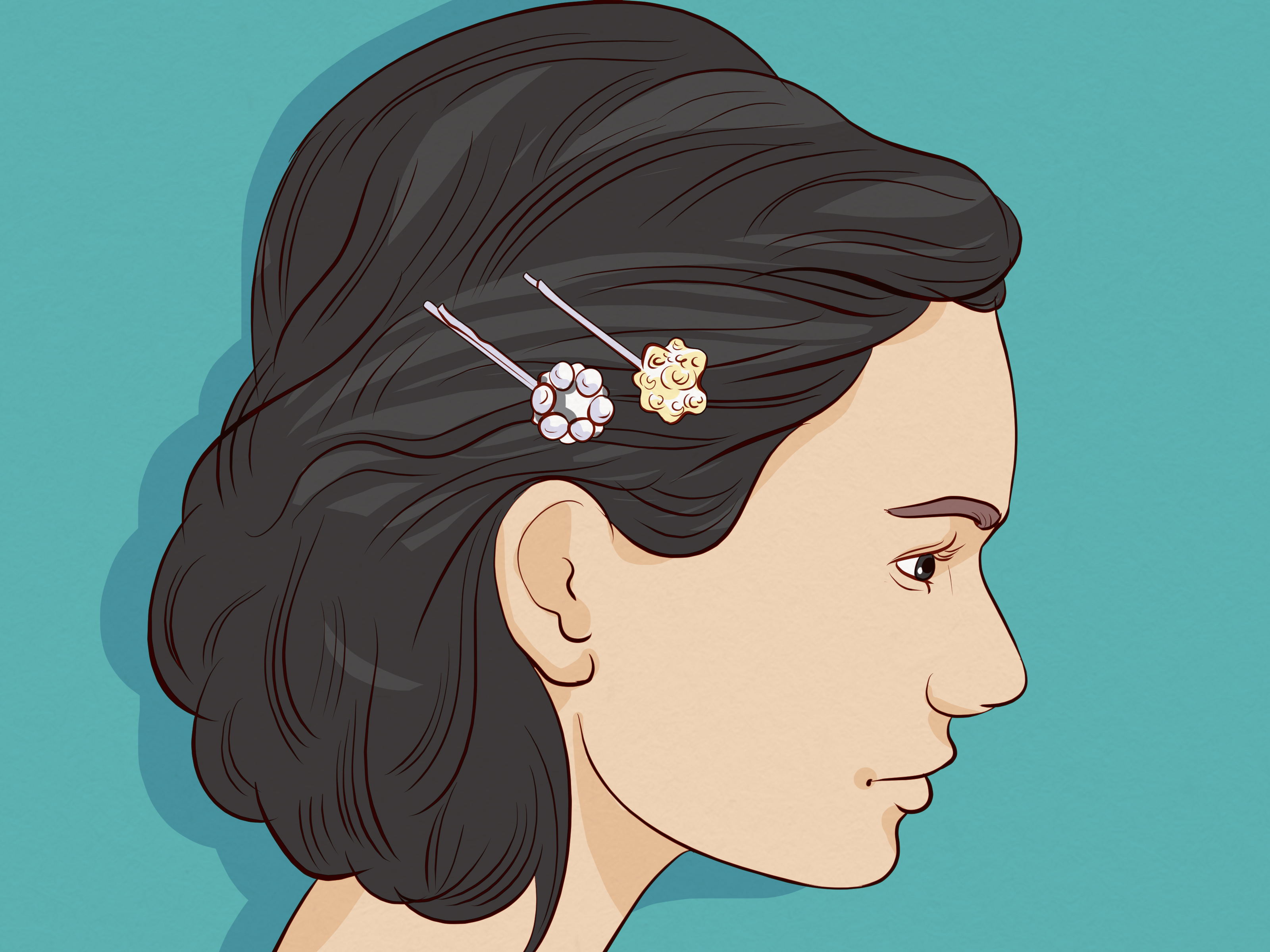
Next, choose the side with less hair and place a clip above the ear. A simple snap clip works for school. A pearl barrette, bow clip, tiny claw clip, or colorful bobby pin can make the style feel more special. For active girls, cross two bobby pins in an “X” shape so the hair stays in place.
Make it work for different hair types
For fine hair, use a light mousse at the roots before drying to create lift. Avoid heavy creams, which can make the bob collapse. For thick hair, ask the stylist for soft internal layers so the ends do not puff out into a triangle. For wavy hair, scrunch in a little curl cream and let the waves form naturally, then add the clip once the hair is dry. For curly hair, define the front curls with a leave-in conditioner and use the clip to hold only a small side section, not the whole curl pattern.
Common mistake to avoid
The biggest mistake is using too much product. A polished bob should move. If it looks stiff, crunchy, or suspiciously waterproof, it probably has too much gel or hairspray. Keep the finish soft, touchable, and child-friendly.
Style 2: The Textured Pixie or Bixie
A pixie cut is short, bold, and surprisingly versatile. A bixiea mix between a bob and a pixieoffers a little more length around the ears and nape. Both cuts can be styled smooth, tousled, side-swept, or piecey. The textured version is especially cute because it looks relaxed and modern without trying too hard.
This is one of the best short hairstyles for girls who like movement and personality. It is also practical for warm weather, sports, dance, swimming, and busy mornings. The trick is to create shape at the crown and definition around the fringe or front pieces.
Best for
The textured pixie or bixie works well for girls with straight, wavy, curly, fine, medium, or thick hair. It is especially helpful when short hair tends to lie flat. A little texture makes the haircut look intentional, even if the morning routine lasted less than the time it takes to find a lunchbox.
What you need
Use a spray bottle with water, a small amount of styling cream, curl cream, mousse, or lightweight pomade, and your fingers. A soft brush can help smooth the sides, while fingers create texture on top. For older girls or special occasions, a diffuser or blow-dryer on low heat can add volume.
Step-by-step styling
Lightly mist the hair with water to wake it up. Short hair can flatten overnight, especially at the crown. Rub a tiny amount of styling cream between your palms until it almost disappears. Then work it through the hair from back to front, lifting the top sections with your fingers.
For a side-swept pixie, push the front hair diagonally across the forehead. Keep the sides smooth by brushing them down or tucking them behind the ears. For a playful textured pixie, pinch small sections at the crown and fringe to create piecey separation. Do not twist every strand. The goal is “effortless cool,” not “tiny pineapple spikes.”
If the hair is curly, use curl cream instead of pomade. Apply it to damp hair, gently scrunch, and let the curls air-dry. Once dry, fluff the roots with fingers. For coily hair, a small amount of leave-in conditioner and light oil can help keep the style moisturized, while finger-shaping the front gives definition.
How to change the mood
For school, keep the pixie soft and brushed slightly to the side. For a party, add a sparkly clip near the temple or a thin headband. For a sporty day, use a stretchy fabric headband to keep hair off the forehead. For a dressier event, smooth the sides and create gentle lift at the top for a mini red-carpet effect.
Common mistake to avoid
Do not overload the roots. Product belongs mostly on the mid-lengths and ends, even on short hair. Too much product at the scalp can make the hair look oily. Start with less than you think you need. You can always add more, but removing extra pomade usually requires a sink, a towel, and emotional recovery.
Style 3: Mini Twists, Braids, and Accessories
Short hair may not always fit into a full ponytail, but that does not mean it cannot be styled up, pinned back, or decorated. Mini twists, tiny braids, headbands, clips, scarves, and small elastics can create endless looks for short hair. This style category is perfect for girls who want variety without growing their hair long.
Best for
This method works for bobs, lobs, short curls, pixies with longer top layers, and growing-out cuts. It is ideal for school mornings, playdates, summer camp, dance class, birthday parties, and days when the front pieces keep falling into the eyes like they have a personal mission.
What you need
Gather small elastics, bobby pins, snap clips, mini claw clips, a soft headband, a light styling spray, and a comb. For curly or coily hair, add leave-in conditioner or curl cream. For slippery straight hair, a tiny mist of texture spray can help pins stay put.
Option A: Two mini front twists
Create a middle or side part. Take a small section from the front on one side, divide it into two pieces, and twist the pieces around each other while adding a little hair as you move backward. Pin it above the ear or secure it with a small elastic. Repeat on the other side if desired.
This style keeps hair out of the face and works beautifully on short bobs and growing-out bangs. It is also gentler than tight ponytails because the tension is spread over a small section and does not pull hard at the scalp.
Option B: A tiny braid accent
Take a small section near the part and create a simple three-strand braid. Secure it with a tiny elastic or pin it under the top layer of hair. One small braid can make a short haircut look styled even when the rest is left natural. It is an excellent trick for girls who want something cute but do not want a full “fancy hair” production.
Option C: Headband and volume
Place a soft headband about one inch behind the hairline. Gently lift the hair at the crown with fingers so the headband does not flatten everything. This works well for pixies, bobs, and curls. Choose fabric headbands for comfort and avoid hard plastic bands that dig behind the ears.
Option D: Clip pattern styling
Use two to four small clips on one side of the head. Place them parallel, stacked, or crossed. This is one of the easiest ways to style short hair because it turns practicality into decoration. Bright clips feel playful; metallic clips feel polished; bow clips feel sweet; matte neutral clips look modern.
Common mistake to avoid
Avoid pulling short hair too tightly into mini ponytails or braids. Tight styles can stress the hairline and scalp. If the girl says it hurts, feels pinchy, or causes a headache, loosen it. A hairstyle should not require bravery.
How to Choose the Right Short Hairstyle for the Day
The best short hairstyle depends on the day’s schedule. A polished bob with a clip is perfect when the goal is neat and pretty. A textured pixie is better when the goal is quick, cool, and low-maintenance. Mini twists or accessories are best when hair needs to stay out of the face or when the outfit needs a little extra charm.
For school, choose secure styles that do not need constant fixing. Side clips, headbands, mini twists, and soft texture work well. For sports, prioritize comfort: fabric headbands, small clips, or smooth pixie styling. For special events, add shine, soft waves, a decorative barrette, or a tiny braid. For weekends, let the natural texture show and keep the routine relaxed.
Short Hair Styling Tips by Texture
Straight short hair
Straight hair can look sleek and shiny, but it may also fall flat. Add volume with a side part, lightweight mousse, or gentle root lift. Clips and headbands show clearly on straight hair, so accessories are a quick win.
Wavy short hair
Wavy hair looks great with a little definition. Scrunch in a light curl cream or mousse while damp and let it air-dry. Avoid brushing waves when dry unless you want fluff. Sometimes fluff is cute; sometimes it enters “science fair electricity experiment” territory.
Curly short hair
Curly short hair benefits from moisture and shape. Use leave-in conditioner, curl cream, and finger-coiling for front pieces if needed. Let curls dry before touching them too much. For accessories, choose clips that hold without crushing the curl pattern.
Coily short hair
Coily hair can be styled beautifully with mini twists, defined coils, soft puffs if length allows, headbands, and decorative clips. Moisture is key. Gentle detangling, protective nighttime care, and low-tension styles help keep the hair healthy and comfortable.
Simple Product Guide for Short Hair
You do not need a bathroom shelf that looks like a beauty supply store moved in permanently. A few smart products can handle most short hairstyles for girls.
Leave-in conditioner helps with softness, detangling, and moisture. It is especially useful for curls, coils, dry hair, and hair that tangles easily.
Light mousse adds volume to fine or flat hair without making it greasy. It works well before air-drying or blow-drying.
Styling cream smooths frizz and adds light control. Use a tiny amount on bobs, pixies, and wavy cuts.
Pomade or wax creates piecey definition on pixies and bixies. Use very little, especially on children’s hair.
Flexible hairspray can hold clips, flyaways, or special-event styles. Avoid stiff formulas for everyday wear.
Nighttime Care for Short Hair
Short hair can get flattened or bent while sleeping. A soft pillowcase, satin pillowcase, or sleep bonnet can help reduce friction, especially for curly and coily textures. In the morning, a spray bottle with water can reset the shape. For pixies, mist the crown and finger-style. For bobs, dampen the bent sections and brush them into place. For curls, mist lightly and scrunch with leave-in conditioner.
of Real-Life Experience: What Styling Short Hair for Girls Actually Feels Like
Styling short hair for girls teaches one lesson very quickly: short hair is honest. It does not hide. If one side flips out and the other side behaves, everyone can see the drama. But that honesty is also what makes short hair fun. A few small changes can completely transform the look, and once you learn the haircut’s personality, styling becomes faster and easier.
In real life, the polished bob with a side clip is often the most dependable style. It works when mornings are rushed, when the outfit already has a lot going on, or when the hair simply needs to look clean and tidy. The side clip is the magic detail. Without it, the bob may look plain. With it, the style looks finished. This is especially helpful for girls who are growing out bangs or dealing with front pieces that fall forward during reading, drawing, eating, or intense playground negotiations.
The textured pixie or bixie is a confidence style. It has energy. It says, “Yes, my hair is short, and yes, it has plans.” The best experience with this style usually comes from using fingers instead of trying to brush everything into perfect obedience. Pixies often look better with movement. A little lift at the crown, a soft side sweep, or defined pieces near the forehead can make the cut look stylish in minutes. The mistake many people make is treating a pixie like a tiny bob and trying to smooth it flat. Some pixies want polish, but many want texture.
Accessories are where short hair becomes playful. Clips, headbands, small elastics, and mini braids can turn the same haircut into several different looks throughout the week. A girl can wear a bob with two tiny twists on Monday, a headband on Tuesday, a side clip on Wednesday, natural waves on Thursday, and a tiny braid accent on Friday. Same haircut, different mood. That variety helps short hair feel exciting instead of repetitive.
Another real-life discovery is that comfort matters more than perfection. A hairstyle that looks adorable but pinches behind the ears will not survive the day. A tight clip, scratchy headband, or overly firm elastic can make a girl dislike styling altogether. Soft accessories, gentle tension, and lightweight products create a better experience. When the hairstyle feels good, the girl is more likely to enjoy wearing it.
Short hair also encourages independence. Many girls can learn to mist their hair, smooth the sides, place a clip, or scrunch curls by themselves. That small routine builds confidence. It lets them experiment with personal style in a safe, age-appropriate way. Some days the clip may be crooked. Some days the headband may not match the outfit. That is fine. Personal style is built through tiny experiments, not perfect results.
The biggest takeaway from styling short hair is this: do not fight the cut. Work with its shape, texture, and natural movement. If the hair flips out, make the flip look intentional. If the curls shrink, shape them instead of stretching them constantly. If the pixie sticks up in one spot, use that lift as volume. Short hair has character, and the best styles let that character show.
Conclusion
Short hair for girls is full of possibility. With only three styling approachesthe polished bob with a side clip, the textured pixie or bixie, and mini twists, braids, and accessoriesyou can create looks that are neat, playful, practical, and special-event ready. The key is to keep the routine gentle, use lightweight products, avoid too much heat, and choose styles that match the girl’s hair texture and daily activities.
Short hair does not need to be complicated to be beautiful. Sometimes all it takes is a side part, a soft curl, a tiny twist, or one cheerful clip placed exactly where the hair likes to misbehave. And honestly, if a hairstyle can survive school, snacks, recess, and a backpack strap, it deserves applause.
Note: This article is written as original web-ready content in standard American English, based on practical hair-styling methods and widely accepted gentle hair-care principles.