Thanksgiving has always had a squash problem. Not a flavor problem, obviously. Squash is sweet, earthy, cozy, and deeply committed to making your kitchen smell like you absolutely have your life together. The problem is the prep. Traditional holiday favorites like butternut are delicious, but peeling one can feel like volunteering for a part-time job with poor benefits and a high risk of hand cramps.
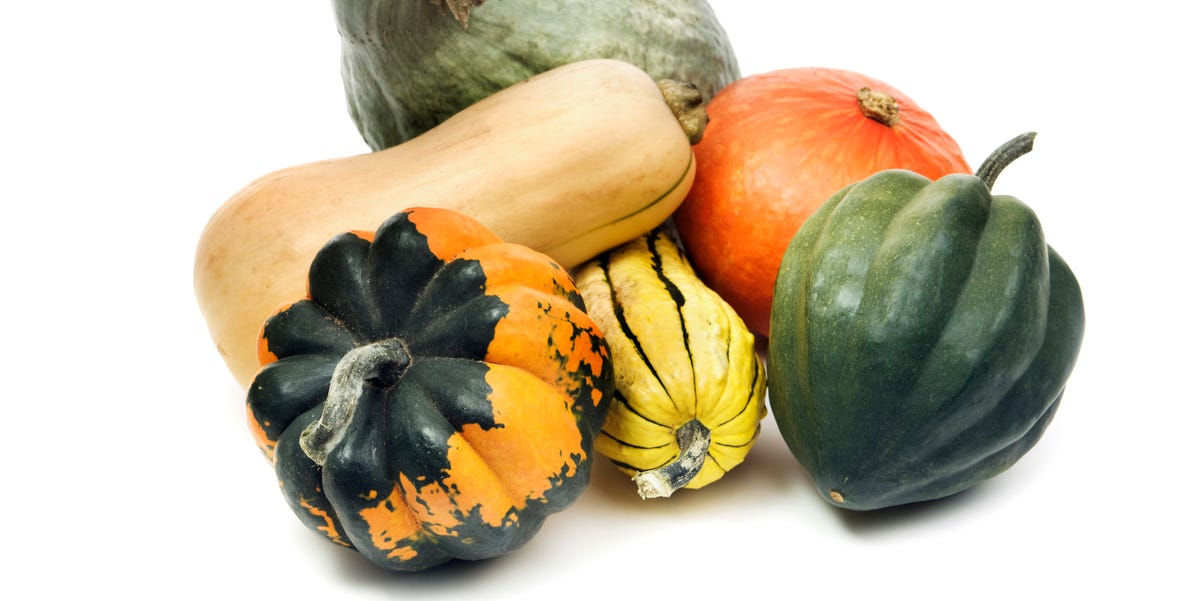
That is exactly why a new wave of Thanksgiving-friendly squash has become such a smart move for modern home cooks. These varieties bring the same golden, autumnal charm without the dreaded peeling step. Some are genuinely newer to many American shoppers, like honeynut. Others have been around for years but are finally getting the holiday spotlight they deserve, like delicata and red kuri. The big selling point is simple: tender skin, less waste, faster prep, and a side dish that still looks like it belongs in a magazine spread next to the turkey.
If your Thanksgiving game plan involves fewer kitchen battles and more actual enjoyment, this is your year to go peel-free. Here is what to know about the best no-peel squash varieties, how to cook them well, and why they deserve a permanent place on your holiday table.
Why No-Peel Squash Is Winning Thanksgiving
The appeal of peel-on squash is not laziness. It is efficiency with excellent taste. Thanksgiving already asks a lot from the cook: roasting, baking, mashing, whisking, timing, reheating, and pretending not to panic when someone opens the oven every six minutes. A squash that can be sliced, seeded, seasoned, and roasted without a peeling detour is not a shortcut in the bad sense. It is a better workflow.
There is also a flavor and texture benefit. When the skin is tender enough to eat, it helps the squash keep its shape during roasting. That means cleaner slices, prettier presentation, and less of that sad mushy collapse that can happen when squash is overhandled. In many dishes, the skin also adds a bit of contrast, color, and structure. Translation: your side dish looks fancy, even when it was ridiculously easy.
And then there is food waste. Peel-on cooking means more of the vegetable ends up on the plate instead of in the trash. Around a holiday centered on abundance, that feels like a nice little plot twist.
The Best Thanksgiving Squash Varieties You Don’t Have to Peel
1. Delicata Squash: The Gateway Squash
If there were a mascot for the no-peel movement, delicata would be wearing the crown. It is small, striped, easy to cut, and famously thin-skinned. Once roasted, the skin turns tender enough to eat comfortably, which makes delicata one of the easiest winter squash varieties to work with.
Flavor-wise, delicata lands somewhere between sweet potato and corn, with a soft, creamy interior and lightly nutty finish. It is friendly, reliable, and extremely hard to ruin, which is exactly the kind of energy a Thanksgiving side dish should bring. Slice it into rings, toss with olive oil and salt, roast until caramelized, and it already tastes like you planned ahead.
Delicata is also great for people who want their vegetable side to look cheerful without requiring advanced culinary geometry. Those crescent slices and scalloped rings roast beautifully and hold up well under brown butter, sage, maple, pecans, Parmesan, hot honey, or a tart vinaigrette.
2. Honeynut Squash: Tiny, Sweet, and Shockingly Useful
Honeynut squash looks like a mini butternut that got its act together. Smaller, sweeter, and much easier to handle, it was bred for concentrated flavor and kitchen practicality. The flesh is deeper orange, the sweetness is more intense, and the skin is thin enough to roast and eat.
This is the squash for cooks who love the taste of butternut but do not enjoy wrestling it into submission. Honeynut halves roast beautifully, making them ideal for individual servings or elegant plated sides. You can fill them with wild rice, sausage, mushrooms, cranberries, goat cheese, or herby breadcrumbs and suddenly your “vegetable side” is acting suspiciously like the star of the meal.
Because honeynut is naturally rich and concentrated, it also works well in purées and soups. Roast it first, scoop or blend as needed, and you get a luxurious texture without having to peel it raw. That is the kind of Thanksgiving math we like.
3. Red Kuri Squash: The Quiet Overachiever
Red kuri may not be the first squash people name at the grocery store, but it should be higher on the list. This bright orange squash has a chestnut-like sweetness and a skin that softens nicely when cooked. It is especially useful for holiday cooks because it can go sweet or savory without complaint.
Roasted in wedges, red kuri is gorgeous. Puréed, it becomes velvety and rich. Folded into soup, it creates a deep orange color that looks dramatic in the best possible way. If you want a Thanksgiving squash that tastes a little more sophisticated without becoming weird or fussy, this is a strong pick.
It is also a smart choice for hosts who want a dish that feels seasonal but not predictable. Everyone expects butternut soup. Fewer people expect red kuri with browned butter and thyme or red kuri mash with crème fraîche and black pepper. Same comforting spirit, better conversation starter.
4. Sweet Dumpling and Acorn Squash: Classic Shapes, Easier Prep
Sweet dumpling squash is small, adorable, and almost offensively photogenic. It has tender skin, sweet flesh, and a naturally portion-friendly size that makes it excellent for stuffing or roasting whole halves. On a Thanksgiving table, it looks charming without trying too hard. A few roasted sweet dumpling halves filled with grains, herbs, and nuts can make even a modest spread feel special.
Acorn squash is more familiar, but it deserves a second look. When roasted long enough, the skin becomes tender enough to eat, though texture can vary more than with delicata or honeynut. It is still one of the most practical choices for stuffing, baking, and serving in neat little edible bowls. If you like squash that shows up wearing a formal jacket, acorn is your guy.
5. Kabocha Squash: Rich, Dense, and Worth the Knife Work
Kabocha is not always the easiest squash to cut, but once it is in wedges or half-moons, it rewards you with dense, sweet flesh and excellent roasting potential. In many recipes, especially when cut thinner and roasted thoroughly, the skin becomes tender enough to leave on. That makes it a good candidate for peel-on holiday cooking, even if it is not quite as universally effortless as delicata.
Kabocha has a deeper, drier texture than some other winter squash, which makes it ideal for recipes where you do not want watery results. It roasts beautifully, holds its shape well, and pairs especially nicely with soy, miso, sesame, brown butter, chili crisp, sage, and toasted seeds. Think of it as the squash for people who want a side dish with a little more attitude.
How to Choose the Right No-Peel Squash for Your Menu
Not every squash does the same job. The best choice depends on what your Thanksgiving menu needs.
For an easy roasted side
Choose delicata. It is fast, forgiving, and slices into attractive pieces with minimal effort.
For elegant individual servings
Choose honeynut or sweet dumpling. Their small size makes them perfect for stuffed halves.
For soup or purée
Choose honeynut, red kuri, or kabocha. All three roast beautifully and offer rich flavor.
For a dramatic holiday platter
Mix varieties. A tray of delicata rings, kabocha wedges, and red kuri slices looks colorful, generous, and restaurant-level fancy without requiring restaurant-level stress.
How to Cook Peel-On Squash So the Skin Is Actually Pleasant
The secret is not just leaving the peel on and hoping for the best. A few technique details matter.
Roast hot enough
A 400 to 425 degree oven gives the skin time to soften while helping the sugars caramelize. Lower temperatures can leave the flesh cooked but the exterior a little stubborn.
Cut it to the right thickness
For peel-on cooking, thinner is kinder. Delicata rings and red kuri wedges should not be huge lumberjack chunks. Thick pieces take longer, and the skin may stay tougher than you want.
Use enough fat and seasoning
Olive oil, melted butter, or a butter-oil combo helps the exposed edges brown and the skin soften. Salt matters too. Squash can be naturally sweet, but underseasoned squash tastes like a side dish that forgot to show up emotionally.
Do not crowd the pan
If the pieces are piled on top of each other, they steam instead of roast. And steamed squash with half-tender skin is not the Thanksgiving memory you are trying to create.
Match the topping to the squash
Delicata loves brown butter, maple, sage, Parmesan, and toasted nuts. Honeynut thrives with miso, chili, honey, tahini, and Brie-level richness. Red kuri works with warming spices, yogurt, black pepper, and herbs. Kabocha can handle bolder flavors like soy, sesame, ginger, and toasted pepitas.
Common Mistakes That Make No-Peel Squash Less Fun
The first mistake is assuming all squash skin behaves the same. It does not. Delicata is naturally tender. Acorn and kabocha can be delicious skin-on, but they usually need a little more roasting care. The second mistake is undercooking. If the skin is resisting every bite like it is still mad at you, it probably needed more oven time.
Another common issue is using very old or oversized squash. Larger specimens often have tougher skin and more fibrous flesh. For the best peel-on results, choose squash that feel heavy for their size, with matte skin, no soft spots, and stems that look dry and intact.
Finally, do not ignore balance. Squash loves acid, salt, herbs, spice, and crunch. A squeeze of lemon, a spoonful of yogurt, a handful of pomegranate seeds, crisp fried shallots, or toasted nuts can keep the dish from sliding into one-note sweetness.
Thanksgiving Dish Ideas That Make the Most of No-Peel Squash
Maple-Sage Delicata Rings
Roast delicata rings until browned at the edges, then finish with maple, fried sage, flaky salt, and crushed pecans. This is the side dish that disappears while people are “just tasting.”
Miso-Butter Honeynut Halves
Roast halved honeynut squash cut-side up, brush with miso butter, and sprinkle with sesame seeds and scallions. Sweet, savory, glossy, and just interesting enough to make people ask what it is.
Red Kuri Mash with Brown Butter
Roast red kuri until soft, mash with brown butter, pepper, and a little crème fraîche. It feels like mashed sweet potatoes that went abroad for a semester and came back with better stories.
Mixed Squash Platter with Cranberries and Pepitas
Use a mix of delicata, kabocha, and acorn or red kuri. Roast until tender, then top with dried cranberries, toasted pepitas, herbs, and a tart vinaigrette. Great color, great texture, zero peeling trauma.
The Real Thanksgiving Experience of Switching to No-Peel Squash
The first thing you notice when you switch to no-peel squash is not the flavor. It is the mood. The kitchen feels calmer. There is less aggressive cutting-board drama, less muttering under your breath, and far fewer moments where you wonder why a vegetable seems personally offended by your peeler. Instead of spending twenty minutes stripping butternut like you are sanding furniture, you cut delicata into neat little rings, scoop out the seeds, and move on with your day.
That changes the rhythm of Thanksgiving in a surprisingly meaningful way. Holiday cooking is not usually hard because any one task is impossible. It is hard because there are a hundred tasks stacked on top of each other. So when one dish gets easier, the whole meal starts to feel more manageable. The casserole goes into the oven on time. The pie gets its final chill. You remember the herbs. Nobody is panic-texting about whether there is enough butter. The peel-free squash did not save the holiday single-handedly, but it definitely stopped being part of the problem.
There is also something deeply satisfying about how these squash look on the table. Delicata has those cheerful green stripes and pretty curved slices. Honeynut looks petite and intentional, like it belongs on a restaurant menu with a seasonal cocktail nearby. Red kuri brings dramatic color. Acorn and sweet dumpling look festive without needing any extra help. In a holiday meal full of beige-adjacent foods, these squash show up like they understood the assignment.
The texture surprise is another part of the experience. People hear “leave the peel on” and assume the result will be tough or rustic in the less flattering sense. Then they try a well-roasted slice and realize the skin is tender, pleasant, and often useful. It holds the squash together. It creates contrast. It gives the dish a bit of backbone. Suddenly the peel is not a compromise. It is part of the point.
And then there is the emotional experience that no recipe card ever talks about: confidence. When you make a side dish that is easier than expected but still tastes excellent, you cook differently. You stop hovering. You stop second-guessing. You start thinking, “Actually, yes, I can do one more platter of vegetables,” or “Maybe I will make that herb yogurt,” or “Look at me, casually hosting like a person who owns matching serving spoons.”
For many home cooks, that is the real win. No-peel squash varieties make Thanksgiving feel less like a marathon of vegetable prep and more like the kind of holiday cooking people actually want: warm, generous, a little festive, and maybe even fun. They are practical without being boring, beautiful without being high-maintenance, and flavorful enough to stand beside the turkey instead of hiding behind it. Honestly, that is more than some side dishes can say.
Conclusion
If Thanksgiving squash has always sounded good in theory but exhausting in practice, the new generation of peel-on favorites is your invitation to try again. Delicata is the easiest entry point, honeynut is the smart little powerhouse, red kuri is the elegant sleeper hit, and acorn, sweet dumpling, and kabocha all deserve consideration depending on your menu.
The main lesson is simple: you do not need to fight your vegetables to make a memorable holiday meal. Choose squash with tender skin, roast them well, season boldly, and let the oven do the heavy lifting. Your future self, standing in a warm kitchen with one less prep disaster to manage, will be extremely grateful.