Eating should be one of life’s simplest joys: sit down, take a bite, enjoy the food, maybe pretend you know what “umami” means. But for many people, eating around others feels less like lunch and more like a public performance with invisible judges, dramatic lighting, and a tiny anxiety orchestra playing in the background.
If you feel nervous eating in front of friends, coworkers, classmates, dates, relatives, or strangers at a restaurant, you are not weird. You are having a very human response to feeling watched, judged, or exposed. For some people, this nervousness is mild: a little self-consciousness, a careful bite, a napkin check. For others, it becomes strong enough to make social meals feel exhausting, embarrassing, or avoidable.
The good news: nervousness about eating around other people can improve. You do not have to become the loudest person at brunch or suddenly enjoy eating soup while wearing white. The goal is simpler and kinder: to feel safe enough to eat, participate, and stop letting anxiety choose your seat at the table.
This guide explains three practical ways to stop feeling nervous about eating around other people: understanding the anxiety loop, practicing gradual exposure, and using calming strategies that make social meals easier. Think of it as a confidence menuminus the awkward waiter who appears exactly when your mouth is full.
Why Do Some People Feel Nervous Eating Around Others?
Feeling anxious about eating in public or around other people often comes from a fear of being noticed in the “wrong” way. You might worry that someone will judge how you chew, how much you eat, what you order, whether you spill something, whether your hands shake, or whether you look awkward. Anxiety has a talent for turning normal human activities into courtroom dramas.
This fear can overlap with social anxiety, especially when the main worry is being watched, embarrassed, rejected, or negatively evaluated. Some people feel nervous only in specific situations, such as dates, work lunches, school cafeterias, family gatherings, or formal restaurants. Others feel anxious in almost any eating situation that involves another person nearby.
There can also be food-related anxiety, fear of choking, fear of nausea, sensory discomfort, past embarrassment, bullying, body-related self-consciousness, or a history of being criticized during meals. Sometimes the problem is not really about the food at all. The food is just sitting there innocently while anxiety points at it and says, “This is the problem.” Rude, but common.
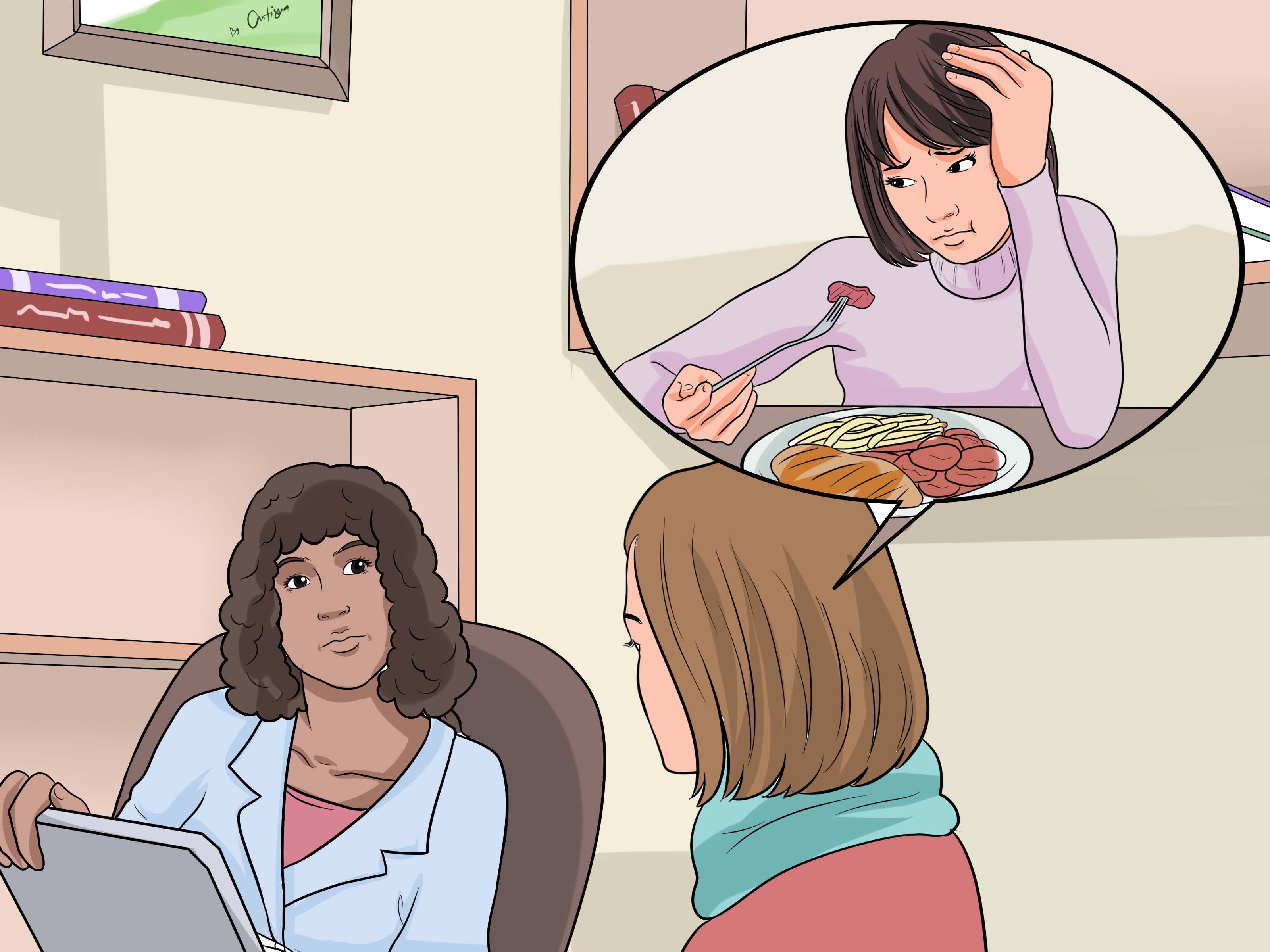
Before we get into the three ways to manage it, here is an important reminder: if nervousness about eating causes you to regularly skip meals, avoid school or work events, feel distressed around food, or experience major changes in eating patterns, it is worth talking with a trusted adult, doctor, counselor, therapist, or registered dietitian. Getting support early is not “making a big deal out of it.” It is simply taking care of yourself before anxiety gets too comfortable in the driver’s seat.
Way 1: Understand the Anxiety Loop Before You Try to Break It
The first step to feeling less nervous about eating around other people is understanding what anxiety is actually doing. Anxiety usually follows a loop: a situation triggers a fear, the fear creates physical symptoms, the symptoms make you more self-conscious, and then you avoid the situation or use safety behaviors to get through it. Avoidance brings short-term relief, but it can make the fear stronger over time.
The Eating Anxiety Loop
Here is how the loop might look:
- You are invited to eat with other people.
- Your brain predicts embarrassment: “Everyone will watch me.”
- Your body reacts: tight throat, shaky hands, fast heartbeat, tense stomach.
- You become even more aware of yourself: “Now I definitely look nervous.”
- You eat very little, avoid certain foods, leave early, or skip the meal.
- Your brain learns: “Good thing we escaped. That meal was dangerous.”
The tricky part is that avoidance feels helpful in the moment. If you skip the lunch, your anxiety drops. If you only order a drink, your anxiety drops. If you hide behind your phone and take microscopic bites like a nervous squirrel, your anxiety might drop. But your brain never gets the chance to learn, “Actually, I can eat around people and survive the awkwardness.”
Spot the Thought, Not Just the Feeling
When anxiety shows up, try asking yourself: “What am I predicting right now?” Usually, the fear is not just “I feel nervous.” It is more specific:
- “People will think I eat strangely.”
- “I will spill something and everyone will remember forever.”
- “My hands will shake.”
- “I will chew weirdly.”
- “I will look awkward.”
- “I will not know what to say between bites.”
Once you identify the thought, you can challenge it gently. Not with fake positivity like, “I am a flawless dining champion adored by all,” because your brain may reject that immediately. Instead, use realistic responses:
- “Most people are focused on their own food, conversation, or phone.”
- “Even if I spill something, spills are normal. Restaurants literally keep napkins for this reason.”
- “Feeling nervous does not mean I am doing anything wrong.”
- “I can eat slowly and still be part of the meal.”
- “Awkward moments pass faster than anxiety says they will.”
This is the heart of cognitive reframing: you are not trying to delete anxiety by force. You are teaching your brain to stop treating a sandwich like a national security threat.
Use the Spotlight Test
People who feel nervous eating around others often experience the “spotlight” feelingthe sense that everyone is watching. Try a quick reality check. When you eat with other people, how much time do you spend analyzing their chewing, fork angle, bite size, napkin technique, or soup strategy? Probably not much. You may notice someone for two seconds, then return to your own food, your own thoughts, or the extremely important question of whether you should order fries.
Other people usually give us far less attention than anxiety claims. That does not mean nobody ever notices anything. It means normal noticing is not the same as harsh judging. Someone may notice you taking a bite. That is not a disaster. That is literally what meals are for.
Way 2: Practice Gradual Exposure Instead of Waiting to Feel Ready
The second way to stop feeling nervous about eating around other people is gradual exposure. This means practicing the feared situation in small, manageable steps until your brain learns that it is not dangerous. You do not start by forcing yourself into the most terrifying dinner of your life. That is not bravery; that is emotional skydiving without checking the parachute.
Gradual exposure works best when it is structured, repeated, and realistic. The goal is to stay in the situation long enough to learn something new, not to punish yourself. You are building tolerance, confidence, and flexibility one step at a time.
Create an Eating Confidence Ladder
Make a list of eating situations from easiest to hardest. Rate each one from 0 to 10, where 0 means no anxiety and 10 means “absolutely not, my soul has left the building.” Your ladder might look like this:
- Eat a snack while video chatting with a close friend 2/10
- Drink water or coffee while walking with someone 3/10
- Eat a small snack with one trusted person 4/10
- Eat lunch beside a friend, not directly across from them 5/10
- Eat in a quiet cafe during a slow hour 6/10
- Eat a casual meal with two or three people 7/10
- Eat at a busy restaurant 8/10
- Attend a formal dinner, party, or date meal 9/10
Your ladder should fit your real life. If eating with family is harder than eating with strangers, put family meals higher. If restaurants are easier than school cafeterias, your ladder should reflect that. Anxiety is personal. It does not follow a universal menu.
Start Small, Repeat Often
Pick one step that feels uncomfortable but possible. Practice it more than once. Repetition matters because your brain needs multiple examples before it updates the fear file. One successful snack does not always convince anxiety. Anxiety is like a suspicious detective in a low-budget crime show: it wants more evidence.
During exposure, try not to escape immediately when anxiety rises. Instead, stay long enough to notice that anxiety changes. It may peak, dip, return, fade, or become boring. The goal is not to feel perfectly calm. The goal is to learn, “I can feel anxious and still eat.” That sentence is powerful because it removes anxiety’s favorite trick: convincing you that discomfort means danger.
Reduce Safety Behaviors Gradually
Safety behaviors are things you do to feel protected from embarrassment. Some are harmless in moderation, but if you rely on them too much, they can keep the fear alive. Examples include:
- Only eating when nobody can see you.
- Hiding your mouth the entire time.
- Taking extremely tiny bites to avoid being noticed.
- Checking your face or teeth over and over.
- Avoiding all foods that feel even slightly risky.
- Staying silent because you fear talking while eating.
You do not have to drop every safety behavior at once. Instead, choose one to loosen. For example, if you always hide behind your phone, try putting the phone face down for five minutes. If you only take tiny bites, try taking one normal bite. If you avoid eye contact the whole meal, look up once and ask a simple question. Tiny changes count. Confidence is often built in bites, not leaps.
Make the Practice Specific
Vague goals like “be normal at lunch” are too heavy. Use specific goals instead:
- “I will eat half of my sandwich while sitting with my friend.”
- “I will stay at the table for 20 minutes.”
- “I will take three bites even if my hands feel shaky.”
- “I will order something I actually want, not only the ‘safest’ option.”
- “I will ask one question during the meal.”
Afterward, write down what happened. Did everyone stare? Did the feared disaster occur? If something awkward happened, was it manageable? This turns exposure into learning, not just endurance. You are collecting proof that meals can be imperfect and still okay.
Way 3: Use Calming Tools and Support So Eating Feels Less Like a Performance
The third way to stop feeling nervous about eating around other people is to make the meal environment easier on your nervous system. This does not mean avoiding every challenge. It means giving yourself enough support to practice without feeling overwhelmed.
Calm Your Body Before the Meal
Anxiety is not just a thought problem. It is also a body experience. Before eating with others, try a simple calming routine:
- Take slow breaths, making the exhale a little longer than the inhale.
- Relax your shoulders, jaw, and hands.
- Plant your feet on the floor and notice the chair supporting you.
- Name five things you can see, four things you can feel, three things you can hear, two things you can smell, and one thing you can taste.
- Remind yourself: “I do not need to perform. I am allowed to eat.”
These tools are not magic spells. They will not make anxiety vanish in a puff of glitter. But they can lower the intensity enough for you to stay present and practice.
Choose Supportive Meal Setups
When you are starting out, choose settings that make success more likely. A quiet cafe with a trusted friend may be better than a loud group dinner where everyone is shouting over appetizers. Sitting beside someone can feel easier than sitting directly across from them. Ordering a familiar food can help when the main goal is practicing the social situation, not auditioning for a cooking show.
However, be careful not to make comfort the only rule. The point is to begin with support, then gradually expand. You might start with familiar food, then later try a restaurant meal. You might start with one friend, then join a small group. You might start by staying ten minutes, then work up to the full meal.
Use Conversation as a Helper, Not a Test
Many people feel nervous because meals involve two activities at once: eating and talking. That can feel like juggling forks while trying to appear casual. Keep conversation simple. Prepare a few easy topics:
- “How has your week been?”
- “Have you watched anything good lately?”
- “What are you ordering?”
- “Have you been here before?”
- “What is one food you could eat forever?”
You do not need to be charming every second. Silence during meals is normal. People look at menus. People chew. People stare into the middle distance while deciding whether dessert is “too much,” even though dessert is often exactly enough. A pause is not failure; it is part of eating.
Tell One Safe Person What You Are Practicing
You do not have to announce your anxiety to the entire table like a dramatic dinner toast. But telling one trusted person can reduce pressure. Try something simple:
“I get a little nervous eating around people, so I’m practicing. You don’t need to do anything specialjust being normal helps.”
This kind of honesty can turn a scary meal into a supported practice. It also removes some of the fear of “being discovered.” When one person already knows and responds kindly, anxiety loses some of its mystery power.
Know When to Get Professional Help
Self-help strategies can be useful, but you deserve extra support if this fear is affecting your health, relationships, school, work, or daily life. A mental health professional can help with cognitive behavioral therapy, exposure planning, social anxiety treatment, and related concerns. A doctor can help rule out medical issues if anxiety comes with strong physical symptoms, swallowing difficulty, nausea, or major appetite changes. A registered dietitian can support healthy eating patterns if meals have become stressful or inconsistent.
Getting help does not mean you failed. It means the problem is real enough to deserve backup. Even superheroes have teams, and they are usually not trying to eat pasta while anxious.
Practical Examples for Common Eating Situations
Eating at School or Work
If cafeterias, break rooms, or office lunches make you nervous, start with a predictable routine. Sit with one person you trust or choose a seat that feels manageable. Bring or order something familiar. Give yourself one small goal, such as staying for ten minutes or taking several bites before deciding whether to continue. Over time, add difficulty: stay longer, sit with two people, or join a group conversation for a few minutes.
Eating on a Date
Date meals can feel intense because you may already be worried about making a good impression. Choose a casual place instead of a formal restaurant. Pick food that feels comfortable for early practice. Focus on connection, not performance. A good date is not judging your fork technique like a food Olympics referee. If they are, congratulations: you have discovered useful information early.
Eating with Family
Family meals can be complicated, especially if past comments, teasing, criticism, or pressure happened at the table. Start with boundaries and support. You might sit near someone who feels safe, take a short break if needed, or practice a calm response to comments: “I’m not discussing my eating today.” If family meals feel emotionally intense, counseling can be especially helpful.
Common Mistakes That Keep Eating Anxiety Going
Mistake 1: Waiting Until You Feel Completely Calm
If you wait to practice until anxiety disappears, you may wait a very long time. Confidence often comes after action, not before it. Start while nervous. Start small. Start imperfectly. That still counts.
Mistake 2: Turning Every Meal Into a Test
You are not trying to “win” eating. You are practicing being present. Some meals will feel easier than others. Progress is not a straight line; it is more like a noodle. Still real, just twisty.
Mistake 3: Being Harsh With Yourself Afterward
After a social meal, anxiety may replay every moment: “Why did I say that? Did I chew weirdly? Did they notice?” Try reviewing the meal like a coach, not a critic. Ask: What did I practice? What went better than expected? What is one thing I can try next time?
Experience-Based Section: What Progress Can Feel Like in Real Life
Many people who feel nervous about eating around others describe the same strange contrast: they know logically that eating is normal, but their body reacts as if the table is a stage. One person might sit in a cafe with a friend and suddenly become hyper-aware of every movement. The fork feels too loud. The bite feels too big. The silence between sentences feels like it has grown legs and started tap dancing. Nothing terrible is happening, yet anxiety insists that everything is extremely important.
In real life, progress usually starts quietly. It may look like eating a granola bar while sitting beside a friend. It may look like taking a few bites at lunch instead of avoiding the meal completely. It may look like staying at the table even while your heart beats faster than you would prefer. From the outside, nobody may notice anything heroic. But inside, it can feel like you just negotiated peace with your nervous system.
One common experience is the “first five minutes” problem. Anxiety may be loudest at the beginning of the meal: when people sit down, menus open, plates arrive, and your brain starts scanning for danger. If you can stay through that first wave, the intensity may soften. You may still feel self-conscious, but you also start noticing other things: your friend telling a story, the music in the restaurant, the fact that nobody gasped when you picked up your sandwich. These small observations matter because they challenge the fear directly.
Another real-life pattern is selective comfort. You might feel fine eating with one friend but nervous around coworkers. You might eat comfortably at home but freeze in a cafeteria. You might handle snacks but struggle with full meals. This does not mean you are “faking it” or being dramatic. Anxiety is often context-specific. The solution is not to shame yourself; it is to build a ladder that matches your actual triggers.
People also learn that supportive companions make a big difference. A calm friend who keeps conversation normal can help the meal feel less like a performance. The best support is not usually dramatic reassurance every thirty seconds. It is ordinary kindness: talking about a movie, laughing about something random, not commenting on every bite, and treating the meal like a meal.
There may be awkward moments too. You might spill water. You might pause too long before answering a question. You might take a bite right when someone asks you something, because food has comedic timing. These moments are not proof that social eating is unsafe. They are proof that you are human. Everyone at every table is occasionally awkward. Most people forget these moments quickly because they are busy managing their own lives, their own worries, and possibly their own battle with a stubborn piece of lettuce.
The deeper experience of recovery is not becoming perfectly relaxed in every restaurant. It is realizing you can bring anxiety with you and still participate. You can feel your hands shake a little and still eat. You can worry about being judged and still stay. You can have an imperfect meal and still call it progress. Over time, meals become less about monitoring yourself and more about connection, nourishment, conversation, and maybe stealing a few fries from someone who said they “weren’t that hungry.” Classic.
Conclusion: You Can Feel Nervous and Still Take Your Seat
Feeling nervous about eating around other people does not mean something is wrong with you. It means your brain has connected social meals with possible embarrassment, judgment, or discomfort. That connection can be changed with patience, practice, support, and realistic thinking.
Start by understanding your anxiety loop. Notice the predictions your mind makes, and answer them with balanced thoughts. Then practice gradual exposure through small, repeatable steps. Finally, use calming tools, supportive people, and professional help when needed. You do not need to become fearless. You only need to become willing to take the next manageable bite.
Eating around others is not a performance. It is a normal part of being human. You are allowed to eat slowly, speak imperfectly, pause, laugh, spill, recover, and continue. Confidence grows when you stop waiting to feel perfect and start proving to yourself that you can handle being seen.
SEO Tags
Note: This article is for educational purposes only and is not a medical diagnosis or treatment plan. If anxiety around eating affects your health, daily routine, relationships, school, or work, consider reaching out to a qualified health professional or mental health provider for personal support.