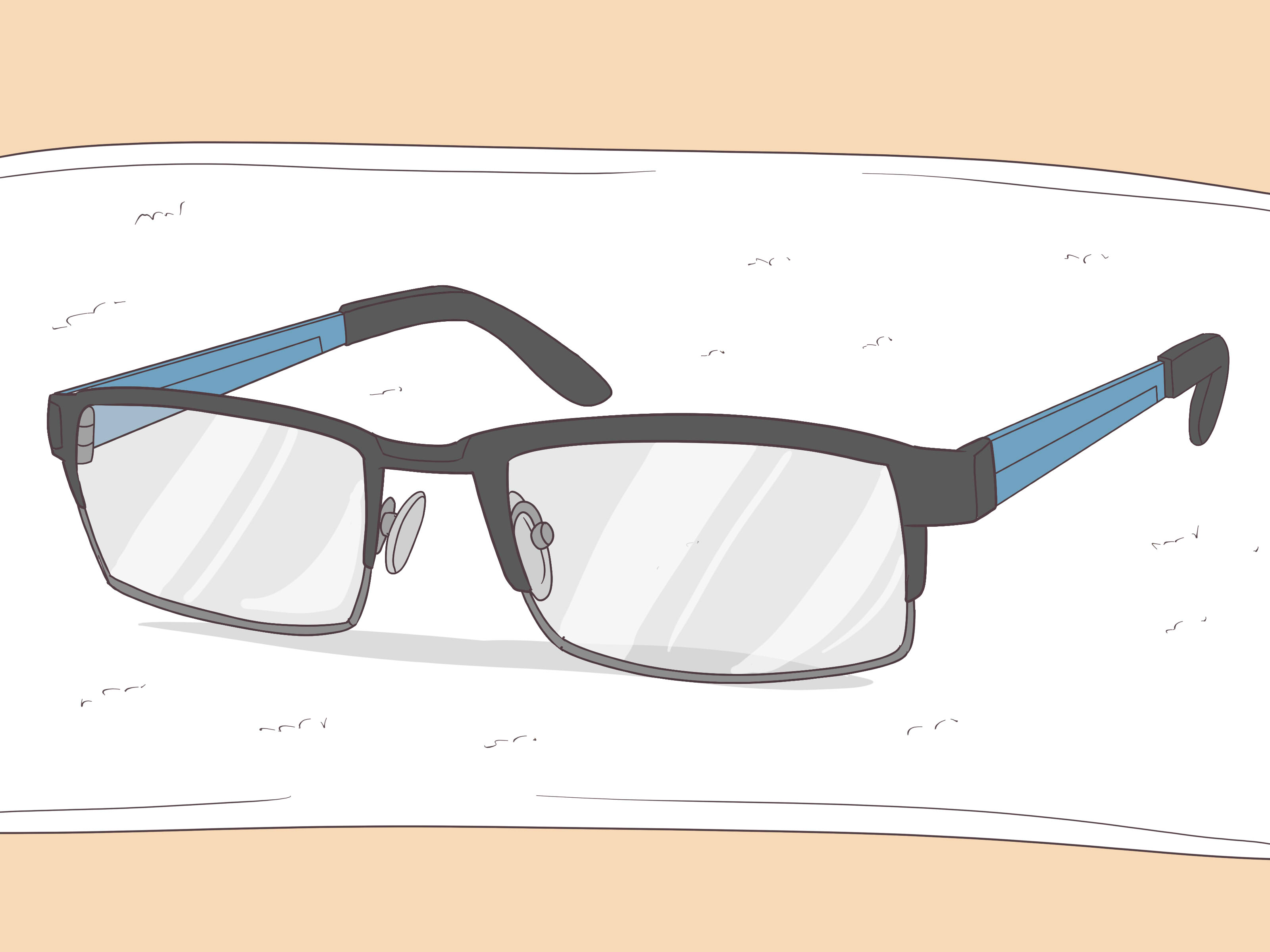
Glasses are supposed to help you see the world clearly, not perform a slow-motion escape down your nose every twelve seconds. Yet if you wear prescription glasses, reading glasses, sunglasses, blue-light glasses, or any other face-based window system, you probably know the move: push glasses up, blink twice, push glasses up again, sigh dramatically, repeat until bedtime.
The good news is that slippery glasses are not a personality flaw, a curse, or proof that your nose has joined a tiny rebellion. Most of the time, glasses slide because of one of three things: poor fit, low friction, or worn-out frame parts. Once you understand which one is causing the problem, keeping glasses from slipping becomes much easier.
This guide breaks the solution into three practical methods: adjust the fit, increase grip, and choose or maintain the right frames. These tips are useful for everyday eyeglasses, plastic frames, metal frames, kids’ glasses, sports glasses, and sunglasses. Some fixes take less than a minute. Others may require a quick visit to an optician. Either way, your glasses deserve a stable home on your face, not a daily downhill ski trip.
Why Do Glasses Keep Sliding Down Your Nose?
Before fixing the problem, it helps to know why your glasses are slipping in the first place. The most common causes include loose temple arms, stretched hinges, poorly adjusted nose pads, frames that are too wide, lenses that are too heavy, oily skin, sweat, humidity, and a bridge shape that does not match your nose.
In simple terms, glasses stay in place through balance. The bridge supports the front of the frame, the temples rest over the ears, and the frame width keeps everything centered. If one part is off, the whole system gets dramatic. A loose hinge can make the frame wobble. Nose pads that are too far apart can let metal frames slide downward. Plastic frames with a bridge that is too wide may sit too low and move every time you look down.
Another sneaky culprit is everyday wear. Glasses loosen naturally over time because you put them on, take them off, fold them, clean them, drop them on the couch, rescue them from under a pillow, and occasionally use them as a headband even though they did not apply for that job. Tiny screws can loosen. Temple arms can spread. Nose pads can flatten or become slippery. A pair that fit perfectly six months ago can slowly turn into a tiny plastic sled.
Way 1: Adjust the Fit So Your Glasses Sit Correctly
The first and most important way to keep glasses from slipping is to fix the fit. Grip tricks can help, but if the frames are too wide or the nose pads are out of place, you are basically putting a rug under a wobbly chair. Helpful? Maybe. A real solution? Not quite.
Check the Frame Width
Your glasses should sit comfortably across your face without squeezing your temples or floating outward like they are preparing for takeoff. If the frame is too wide, the temple arms may not hold the sides of your head properly. That allows the front of the glasses to slide forward and down.
Try this quick test: put your glasses on and look straight ahead. The lenses should be centered in front of your eyes. The frame should not shift when you gently shake your head. The temples should touch the sides of your head lightly, not clamp down like a tiny workout machine. If the frame is loose even after tightening screws, the overall size may be wrong.
For people with a low nose bridge or higher cheekbones, standard plastic frames may slide more often because the bridge does not make enough contact with the nose. Low-bridge-fit frames, adjustable nose pads, or frames with a narrower bridge can make a big difference. The goal is not to force your face to fit the glasses. The goal is to find glasses that understand the assignment.
Adjust the Nose Pads on Metal Frames
If your glasses have adjustable nose pads, they are one of the best tools for stopping slippage. Nose pads should rest evenly on both sides of your nose, spreading the weight without digging in. If they are too wide apart, the glasses may slide down. If they are too close, the glasses may sit too high or pinch.
For a minor adjustment, you can gently move the nose pads closer together using clean fingers. Use very light pressure and adjust a little at a time. After each tiny change, put the glasses on and test the fit. Do not twist the pads aggressively, because the pad arms are small and can bend or break. Glasses are useful; broken glasses are just expensive confetti.
If the nose pads are yellowed, flattened, cracked, slippery, or uncomfortable, replacing them may help. Silicone nose pads often provide better grip than harder plastic pads, and they can feel softer during long wear. Many optical shops can replace nose pads quickly, and some may do simple adjustments at little or no cost depending on where you bought the frames.
Tighten Loose Screws and Hinges
Loose screws are another common reason glasses slip. When hinge screws loosen, the temple arms spread outward. Once the temples lose tension, the frame has less support around your head, and gravity begins its little comedy routine.
A small eyeglass screwdriver can tighten hinge screws in seconds. Turn gently and stop when the screw feels secure. Do not overtighten, because that can strip the screw or damage the hinge. If a screw keeps loosening, an optician can replace it or add a tiny amount of safe thread-locking material designed for eyewear repair.
Also check whether one side of the frame sits higher than the other. Crooked glasses can slide because the weight is uneven. If one lens is closer to your cheek or one temple arm feels looser, the frame may need professional alignment. An optician has tools to adjust the frame without cracking the material or turning your stylish glasses into modern art.
Way 2: Increase Grip and Reduce Slippery Surfaces
Even well-fitted glasses can slide when the surface of your skin or frames becomes slippery. Oil, sweat, sunscreen, moisturizer, makeup, heat, and humidity can all reduce friction. In plain English: your nose becomes a waterslide, and your glasses are holding a season pass.
Clean Your Glasses and Nose Pads Regularly
A simple cleaning routine can make a surprising difference. Oils from your skin collect on nose pads, the bridge, and the lower part of the frame. Once that buildup gets slick, your glasses are more likely to slide.
Wash your hands first, then rinse your glasses with lukewarm water. Use a small drop of mild dish soap or lens-safe cleaner, gently clean the nose pads and bridge area, rinse well, and dry with a clean microfiber cloth. Avoid hot water, paper towels, rough fabric, window cleaner, bleach, alcohol-based household cleaners, or anything that sounds like it belongs under the kitchen sink rather than near your eyes.
If you wear makeup, sunscreen, or facial moisturizer, let products absorb before putting on glasses. You can also lightly blot the bridge of your nose during the day. The goal is not to dry out your skin like a desert postcard. It is simply to remove excess oil where the glasses rest.
Use Anti-Slip Nose Pads or Adhesive Pads
For plastic frames without adjustable nose pads, adhesive silicone nose pads can add grip and slightly improve bridge fit. They stick to the inside of the frame where it touches your nose. These pads can help lift frames, reduce sliding, and make the bridge feel more secure.
Choose thin pads if your glasses already fit fairly well but need more grip. Choose thicker pads if the bridge is too wide or the glasses sit too low. Clean and dry the frame before applying the pads, then press them firmly into place. Replace them when they lose stickiness, collect buildup, or start peeling at the edges.
One important warning: adhesive pads are a helpful short-term or medium-term fix, but they cannot fully correct frames that are completely the wrong size. If your glasses still slide constantly after adding pads, the frame shape may not suit your face.
Try Temple Grips, Ear Hooks, or Retainers
Sometimes the problem starts behind your ears. If the temple arms slide forward, the entire frame moves. Silicone temple grips, ear hooks, and eyewear retainers can help anchor the glasses in place.
Temple grips slide onto the ends of the arms and increase friction behind the ears. Ear hooks curve around the ears for stronger hold, which can be useful for sports, kids, work, or anyone who spends the day looking down at screens, books, tools, or a snack they promised themselves they would not finish.
Eyewear retainers or straps are especially useful for outdoor activities, running, cycling, boating, or working in hot weather. They may not be the most invisible solution, but they are practical. For sunglasses or safety glasses, they can prevent drops, scratches, and the classic “my glasses fell somewhere mysterious” moment.
Way 3: Choose Better Frames and Maintain Them Over Time
The best way to keep glasses from slipping long-term is to choose frames that match your face and maintain them regularly. A perfect-looking frame is not very helpful if it spends half the day sliding down your nose like it is late for a bus.
Pick the Right Bridge Style
The bridge is the part of the frame that rests across your nose. It matters more than many people realize. A bridge that is too wide will let glasses sit too low and slide. A bridge that is too narrow can pinch and leave marks. A bridge that has the wrong shape may not touch enough surface area to stay stable.
People with lower nose bridges often do better with adjustable nose pads, low-bridge-fit frames, keyhole bridges, or frames designed to sit securely without resting on the cheeks. People with higher bridges may prefer standard bridges or saddle bridges that distribute weight smoothly.
When trying on frames, smile, look down, turn your head, and move naturally. If the glasses lift when your cheeks rise or slide when you look at the floor, keep looking. A frame should survive real life, not just the three seconds you spend admiring it in a mirror under flattering store lighting.
Consider Lens Weight and Frame Material
Heavy lenses can pull frames forward. If you have a strong prescription, ask about high-index lenses, which can be thinner and lighter than standard lenses. Lighter lenses reduce pressure on the bridge and make slipping less likely.
Frame material also matters. Metal frames usually have adjustable nose pads, which gives you more room to fine-tune fit. Plastic or acetate frames often look bold and stylish, but they may need a more precise bridge fit because the nose area is usually not adjustable. Some plastic frames can be adjusted slightly with professional heat, but this should be done carefully. Do not attack your glasses with a hair dryer and confidence. Confidence is not a licensed optician.
Schedule Regular Adjustments
Glasses are wearable tools, and wearable tools need maintenance. If your glasses suddenly start slipping, something likely changed. Maybe the screws loosened, the temples stretched, the nose pads wore out, or the frame was bent in a bag. Regular adjustments can restore the original fit.
A good rule: if you keep pushing your glasses up more than a few times a day, check the fit. If the glasses slide when you lean forward, visit an optical shop. If they hurt behind your ears, pinch your nose, leave deep red marks, or sit crookedly, do not ignore it. A secure fit should feel stable and comfortable, not like your face is negotiating with office equipment.
Quick Fixes vs. Long-Term Fixes
Not every solution has the same purpose. Some fixes are quick and temporary. Others solve the root problem. Knowing the difference saves time and prevents frustration.
Quick Fixes
Quick fixes include cleaning the nose pads, blotting skin oil, tightening screws, adding adhesive nose pads, using temple grips, or wearing an eyewear retainer. These are great when your glasses fit reasonably well but need extra support.
Long-Term Fixes
Long-term fixes include professional frame adjustment, replacing worn nose pads, choosing a better bridge width, switching to low-bridge-fit frames, selecting lighter lenses, or buying frames with adjustable nose pads. These options address the real cause of slipping rather than simply fighting the symptoms.
Think of it like shoes. Thick socks can help loose shoes feel better for a while, but if the shoes are two sizes too big, socks are not the hero of the story. Glasses work the same way. Accessories are helpful, but fit is king.
Common Mistakes That Make Glasses Slip More
One common mistake is wearing glasses on top of your head. This stretches the temples over time, making the frame wider and looser. It also leaves hair oil on the lenses and frame. Convenient? Yes. Sneaky frame sabotage? Also yes.
Another mistake is cleaning glasses with harsh products. Household cleaners can damage lens coatings and frame materials. Rough cloths can scratch lenses. Hot water can affect certain coatings or loosen parts. Use lens-safe products and microfiber cloths instead.
A third mistake is trying to bend frames aggressively at home. Metal frames can break at the solder points, and plastic frames can crack if bent cold. Minor nose pad adjustments are usually manageable, but bigger changes should be handled by an optician.
Finally, many people ignore small fit problems until they become big ones. If your glasses start sliding a little, fix them early. A two-minute adjustment today can prevent months of nose-pushing gymnastics.
When Should You See an Optician?
See an optician if your glasses keep slipping after basic cleaning and screw tightening, if the frame feels crooked, if nose pads are uncomfortable, if the temples are too loose, or if your glasses slide during normal activities. You should also get help if you have expensive frames, delicate materials, rimless glasses, or a strong prescription with heavy lenses.
An optician can adjust temple angle, frame width, nose pads, pantoscopic tilt, and how the frame rests behind your ears. These changes may sound technical, but the result is simple: your glasses feel better and stay where they belong.
Real-Life Experiences: What Actually Works When Glasses Keep Sliding?
After dealing with slipping glasses in everyday life, one lesson becomes clear: the best fix depends on when and why the glasses slide. For example, glasses that slip only during summer may not be a frame disaster. They may simply be losing grip because of sweat, sunscreen, and humidity. In that case, cleaning the nose pads twice a day and blotting the bridge of the nose can help more than buying a new frame.
For people who work at a computer all day, the problem often appears when looking down at a keyboard, notebook, phone, or lunch that somehow keeps asking for attention. If the glasses slide forward every time the head tilts, the temples may be loose or the bridge may be too wide. A professional adjustment behind the ears can make the glasses feel instantly more stable. It is one of those tiny changes that feels almost suspiciously effective, like discovering your chair has had a height lever this whole time.
Plastic frames can be trickier. They often look great, but if the molded bridge does not match your nose, there is not much built-in adjustment. Adhesive silicone nose pads can help a lot in this situation. They add friction, slightly narrow the bridge, and lift the frame. The experience is usually best when the pads are thin, placed evenly, and replaced before they become grimy. If they are too thick, the glasses may sit oddly or push the lenses too far from the eyes.
Metal frames are usually easier to fine-tune because the nose pads can be adjusted. A tiny inward movement can stop sliding, but too much pressure can cause soreness. The sweet spot is secure but gentle. If the pads leave deep marks or make the nose tender, they are not adjusted correctly. Glasses should not feel like they are trying to win an arm-wrestling match with your face.
For active people, temple grips and retainers are often the most practical solution. Running, hiking, biking, gardening, or chasing a very determined dog around the yard can all turn regular glasses into flying objects. Silicone ear hooks can keep frames secure without requiring constant adjustments. They may not be ideal for every outfit or formal setting, but for movement-heavy days, function beats fashion. Besides, glasses falling onto concrete is rarely a stylish event.
Another experience many glasses wearers share is that new frames are not always perfectly fitted right away. A pair may look amazing in the store but slide after a full day of real wear. That does not always mean the purchase was a mistake. Sometimes frames need a second adjustment after the temples settle and the wearer notices how they behave during normal routines. Going back for a fitting adjustment is normal, not picky.
The most reliable routine is simple: clean the contact points, check the screws, notice when the slipping happens, and get adjustments before frustration takes over. Glasses are small, but they affect your whole day. When they fit well, you stop thinking about them. That is the goal. The best glasses are not the ones you keep pushing back into place; they are the ones that quietly do their job while you do yours.
Conclusion
Keeping glasses from slipping comes down to three smart moves: adjust the fit, increase grip, and choose frames that match your face. Start with the basics. Clean the bridge and nose pads, tighten loose screws, and check whether the frame sits evenly. If the glasses still slide, try silicone nose pads, temple grips, ear hooks, or an eyewear retainer. For a lasting solution, consider professional adjustments, lighter lenses, low-bridge-fit frames, or frames with adjustable nose pads.
Slipping glasses may seem like a small annoyance, but it can affect comfort, vision, posture, and daily focus. You should not have to push your frames up every time you look down, smile, sweat, read, cook, walk, or exist near humidity. With the right fix, your glasses can stay comfortably in placeand your nose can finally retire from full-time frame management.