A coffee pot may have “coffee” in its job title, but it is perfectly capable of moonlighting as your office kitchen contains exactly one functioning appliance, or you simply need to brew several cups at once, an automatic drip coffee maker can provide the hot water you need.
The trick is not to treat tea exactly like ground coffee. Tea needs controlled steeping time, and different varieties prefer different water temperatures. For the cleanest flavor, use the coffee maker mainly to heat and dispense water, then steep the tea in the carafe or individual mugs. This method also keeps leaves and tiny particles away from the machine’s internal plumbing.
Below, you will learn how to make tea using a coffee pot in seven practical steps, plus how to prevent coffee-flavored chamomile, adjust the process for green tea, and turn the finished brew into iced tea.
Can You Really Make Tea in a Coffee Pot?
Yes. A standard drip coffee maker heats water and sends it through a showerhead into a filter basket before the liquid collects in a carafe. When making coffee, the hot water extracts soluble compounds from ground beans. When making tea, you can run the machine without coffee and use the resulting hot water to steep tea bags or loose leaves.
Automatic drip machines commonly brew coffee with water near 195°F to 205°F. That range works well for black tea, many herbal infusions, and some oolong teas, but it can be too hot for delicate green or white tea. Those varieties may become bitter or sharply astringent when exposed to very hot water. safest all-purpose method is simple: put only fresh water in the reservoir, run a water-only cycle, and steep the tea separately in the carafe. Do not pour milk, sweetener, honey, tea concentrate, loose leaves, or spices into the reservoir. The reservoir and internal tubing are designed to carry water, not a wandering cinnamon stick with dreams of adventure.
What You Will Need
- A clean automatic drip coffee maker
- Fresh, cold water, preferably filtered
- Tea bags or loose-leaf tea
- A tea infuser or reusable filter for loose leaves
- The coffee maker’s carafe
- A timer
- Mugs and optional milk, lemon, honey, or sugar
As a general starting point, use one tea bag or approximately one teaspoon of loose tea for every 6 to 8 ounces of water. Large-leaf teas may require a heaping teaspoon because their leaves occupy more space without necessarily weighing more. The Tea Association of the USA recommends roughly one tea bag or teaspoon of loose tea per cup, followed by a three- to five-minute steep for conventional hot tea. n>
How to Make Tea Using a Coffee Pot in 7 Steps
Step 1: Clean the Coffee Maker Thoroughly
Begin with an empty machine. Remove used coffee grounds, discard the old filter, and wash the filter basket and carafe with warm, soapy water. Rinse everything carefully so no soap remains.
If the machine smells strongly of coffee, run one or two full cycles using only fresh water. Persistent odors or visible mineral buildup may require descaling according to the manufacturer’s directions. Several coffee-maker manufacturers recommend a diluted vinegar cleaning cycle for compatible models, followed by at least one complete fresh-water rinse. Always check the appliance manual first because cleaning instructions vary. his step matters more than it seems. Tea has subtler aromas than coffee, especially varieties such as jasmine green tea, white tea, and chamomile. Even a little leftover coffee oil can make a floral tea taste as though it spent the weekend sleeping beside an espresso machine.
Step 2: Choose the Right Tea and Calculate the Amount
Select tea based on the flavor and caffeine level you want. Black tea produces a full-bodied cup and tolerates the high temperature of a drip coffee maker well. Herbal blends are also convenient because many benefit from very hot water and longer steeping.
Green and white teas require more care, but you can still prepare them with a coffee pot by allowing the dispensed water to cool before adding the leaves. Oolong falls somewhere in the middle; darker oolongs generally handle hotter water better than very light, floral varieties.
Multiply the number of cups by the tea needed per serving. For six 8-ounce cups, use approximately six tea bags or six teaspoons of loose tea. When making iced tea, use about 50 percent more tea because melting ice dilutes the finished drink. ion>
Step 3: Add Fresh Water to the Reservoir
Measure the amount of water you need and pour it into the reservoir. Fresh, cold, filtered water usually gives tea a cleaner flavor than water carrying noticeable chlorine, sulfur, or mineral tastes. Tea is mostly water, so poor-quality water has nowhere to hide.
Use the cup markings on the machine cautiously. A coffee maker’s “cup” may be only 5 or 6 fluid ounces rather than the standard 8-ounce measuring cup. For accuracy, measure the water with a kitchen measuring cup before adding it to the reservoir.
Never fill beyond the machine’s maximum line. Also, remember that a small amount of water may remain inside the coffee maker after brewing, so the final yield can be slightly lower than the amount poured in.
Step 4: Place the Tea in the Carafe or Mugs
Put the tea bags directly into the clean carafe before starting the machine. For loose tea, place the leaves in a large infuser with enough room for them to expand. Set the infuser inside the carafe, making sure it will not interfere with the lid or drip mechanism.
You can also place one tea bag in each mug and use the coffee maker to dispense hot water. This option is useful when several people want different flavors. One person can choose English breakfast, another can choose peppermint, and the office rebel can select something labeled “mystical forest berry.”
Some people put tea bags in the filter basket and let the water drip through them. Although this can produce a light infusion, the water often passes too quickly for complete extraction. Steeping in the carafe gives you better control over strength and brewing time.
Do not place loose leaves directly in the filter basket unless the machine’s manufacturer specifically permits it and you are using an appropriate paper filter. Fine particles can overflow, enter the carafe, or create a cleanup situation best described as botanical confetti.
Step 5: Run a Water-Only Brew Cycle
Make sure there are no coffee grounds in the basket. Insert an empty paper filter if your model requires one for proper operation, position the carafe correctly, and start a normal brew cycle.
The coffee maker will heat the water and dispense it over the empty basket into the carafe. Some single-serve brewers also allow a water-only cycle by operating the machine without a beverage pod. Manufacturer instructions commonly recommend occasional cleansing or water-only brews, particularly when switching between different beverages. tay nearby while the machine runs. Confirm that the carafe is seated properly and that the tea bags or infuser are not preventing the lid from closing. Hot water has many talents, but politely returning to the countertop after a spill is not one of them.
Step 6: Steep the Tea for the Correct Time
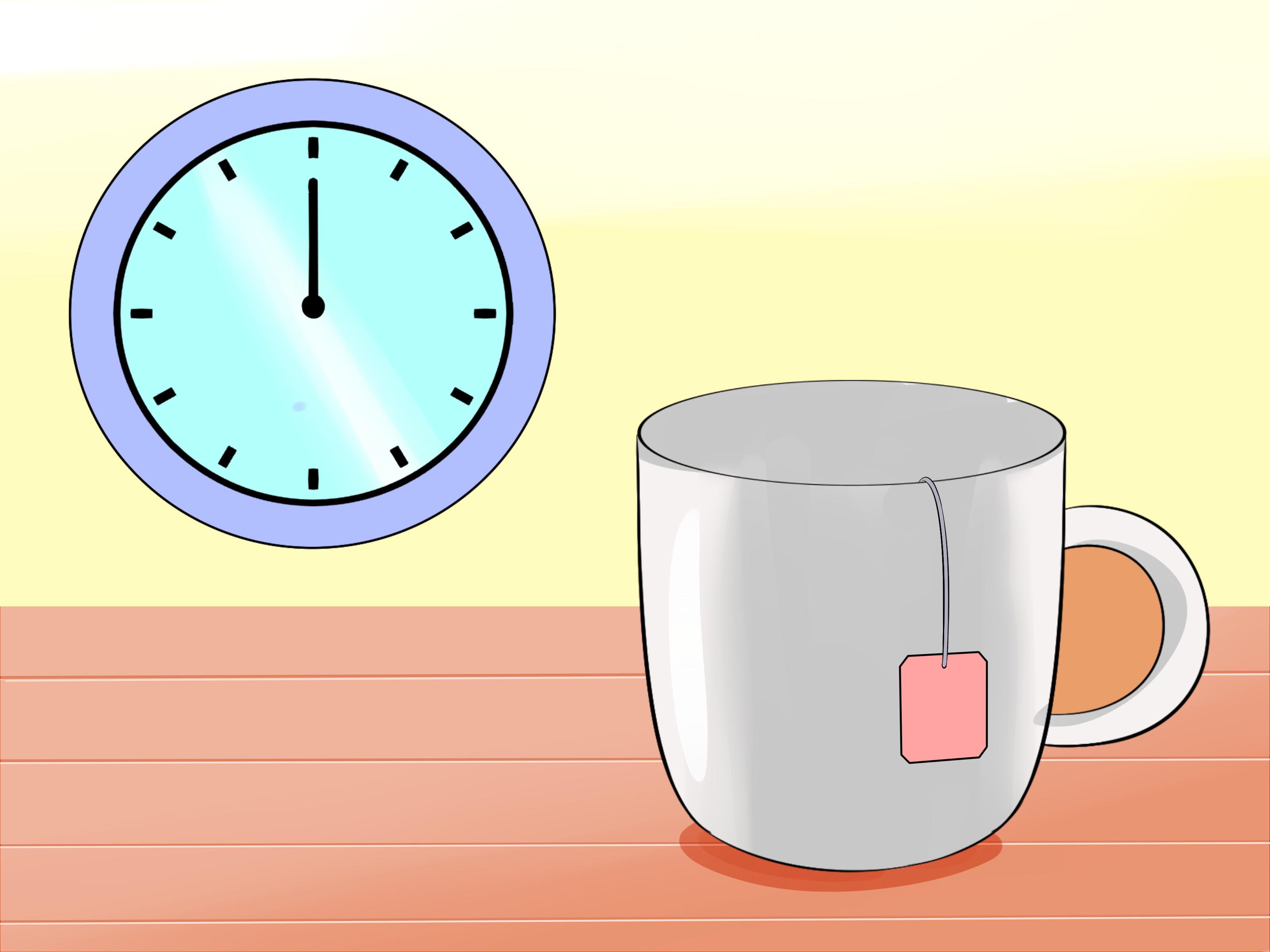
Start a timer as soon as enough hot water surrounds the tea. Do not judge steeping time only by color. Some teas darken quickly while still tasting weak, and others remain pale even when fully brewed.
Use these ranges as a practical starting point:
| Tea Type | Suggested Water Temperature | Typical Steeping Time |
|---|---|---|
| Black tea | 195°F to 212°F | 3 to 5 minutes |
| Herbal tea | 200°F to 212°F | 5 to 7 minutes |
| Dark oolong | 190°F to 205°F | 3 to 5 minutes |
| Light oolong | 180°F to 195°F | 3 to 5 minutes |
| Green tea | 160°F to 180°F | 1 to 3 minutes |
| White tea | 170°F to 185°F | 3 to 5 minutes |
Steeping recommendations differ by tea, leaf size, processing style, and personal preference. Expert guides generally suggest shorter steeps for green tea and longer steeps for herbal infusions. Follow the package instructions when available. For green or white tea, let the hot water rest in the carafe for several minutes before adding the tea, or mix in a small amount of cool water. A kitchen thermometer provides the most reliable control. Avoid simply steeping delicate leaves for a shorter time in excessively hot water; very hot water can extract bitter compounds quickly.
Step 7: Remove the Tea, Serve, and Clean Up
When the timer ends, remove all tea bags or lift out the infuser. Leaving tea in the carafe may make the drink increasingly bitter, dry, or medicinal. If the tea is stronger than expected, dilute it with hot water rather than attempting to negotiate with the leaves.
Serve immediately. Add milk to strong black tea, lemon to Earl Grey or iced tea, and honey to herbal blends if desired. Avoid combining milk and lemon in the same cup unless curdled dairy is part of your artistic vision.
After serving, discard the tea bags or leaves. Wash the carafe and infuser, wipe the filter basket, and leave removable components open to air-dry. If tea has splashed into the basket, run a brief water-only rinse before brewing coffee again.
How to Make Green Tea Without Making It Bitter
The greatest challenge when making tea in a coffee pot is temperature control. Drip coffee makers are designed to produce water hot enough for coffee extraction, which is often hotter than green tea requires.
Run the water-only cycle into the carafe without adding the tea. After brewing, remove the carafe from the warming plate and turn off the machine. Allow the water to cool for several minutes, checking it with a thermometer when possible. Add the green tea once the water reaches the range recommended on the package, then steep for one to three minutes.
Do not leave the carafe on the hot plate while delicate tea is steeping. Continued heating can maintain an overly high temperature and slowly cook the leaves. A thermal carafe is better than a glass carafe with a warming plate for this particular method.
How to Make Iced Tea in a Coffee Pot
To make iced tea, prepare a stronger hot concentrate so the ice does not turn it into lightly tinted disappointment. Use approximately 1.5 tea bags per 8-ounce serving, or follow the iced-tea directions on the package.
- Fill the reservoir with about half the final amount of water.
- Place the extra tea bags in the carafe.
- Run a water-only cycle.
- Steep for the appropriate time and remove the tea.
- Add cold water or pour the concentrate over a heat-safe pitcher filled with ice.
- Refrigerate promptly and keep the finished tea cold.
For food quality and safety, use a clean container and avoid leaving brewed tea at room temperature for extended periods. University extension guidance recommends keeping cold-brewed or chilled tea refrigerated below 40°F rather than allowing tea and water to sit warm for hours. n>
Common Problems and Easy Fixes
The Tea Tastes Like Coffee
Wash the carafe, basket, and reusable filter more thoroughly. Run additional water-only cycles. Coffee oils can cling to plastic and metal components, so a machine used heavily for dark-roast coffee may never produce completely neutral-tasting water.
The Tea Is Too Weak
Use more tea rather than automatically extending the steeping time. One additional tea bag often improves body without introducing the harshness caused by over-steeping.
The Tea Is Bitter
Reduce the steeping time, lower the water temperature, or remove the carafe from the warming plate. This problem is especially common with green tea and finely cut black tea.
Loose Leaves Escaped into the Carafe
Use a finer infuser or a disposable tea filter. Do not pour loose leaves directly into the reservoir or leave them uncontained in the filter basket.
The Finished Tea Is Cloudy
Cloudiness may occur when strong tea cools quickly or when minerals in the water interact with tea compounds. Try filtered water, reduce the tea concentration slightly, or allow hot tea to cool gradually before refrigerating it.
Experience-Based Lessons: What Usually Happens in a Real Kitchen
A common first attempt at making tea with a coffee pot begins with admirable confidence and ends with a cup of tea that smells suspiciously like yesterday’s Colombian roast. The lesson is immediate: rinsing the carafe once is not the same as cleaning the entire brewing path. Coffee residue hides in the basket, beneath the lid, around the showerhead, and inside reusable mesh filters. Two water-only cycles usually make a noticeable difference, while a full cleaning may be necessary for a machine that has brewed coffee every morning since the invention of email.
The second lesson is that tea bags behave better in the carafe than in the filter basket. When tea bags sit in the basket, hot water touches them briefly and drains away. The first part of the pot may be strong, the last part weak, and the overall result difficult to predict. Placing the bags in the carafe allows all the water to interact with the tea for the same amount of time. It also makes strength easier to adjust: remove the bags when the flavor is right, rather than hoping the drip cycle has interpreted your intentions.
Making several kinds of tea for a group reveals another useful approach. Instead of filling the carafe with one tea, run a water-only cycle and distribute the hot water among mugs containing different tea bags. This method works especially well in offices, dorm rooms, vacation rentals, and hotel suites. Everyone gets the flavor they want, and nobody has to defend why peppermint tea is apparently a personality trait.
Temperature becomes the biggest difference between an acceptable cup and an excellent one. Black tea is forgiving. It generally handles coffee-maker water without complaint and produces a bold, satisfying brew. Green tea is less diplomatic. Add delicate leaves immediately after a brew cycle, and the result may taste grassy, dry, or sharply bitter. Letting the water cool first transforms the same tea into something smoother and more aromatic. A basic thermometer eliminates guesswork, but even a short cooling period is better than dropping green tea into nearly boiling water and hoping for emotional growth.
The warming plate is another source of trouble. It is useful when serving black tea over a short period, but it can continue heating the carafe after the steep is complete. Tea left on the plate may become flat or overcooked, particularly when tea bags remain in the liquid. Turn off the machine, remove the tea promptly, and transfer leftover tea to a thermal carafe when possible.
Finally, smaller batches usually taste better. A full 12-cup coffee pot may seem efficient, but tea is most enjoyable while fresh. Brewing four to six cups gives you better control over strength, makes cooling easier, and reduces leftovers. Once the basic method is familiar, the coffee pot becomes a surprisingly useful tea toolnot a perfect replacement for a temperature-controlled kettle, but a dependable solution when convenience matters.
The winning formula is uncomplicated: clean the machine, heat only fresh water, steep the tea outside the reservoir, respect the temperature, and remove the leaves on time. Follow those principles, and your coffee maker can produce a genuinely good pot of tea without experiencing an appliance identity crisis.