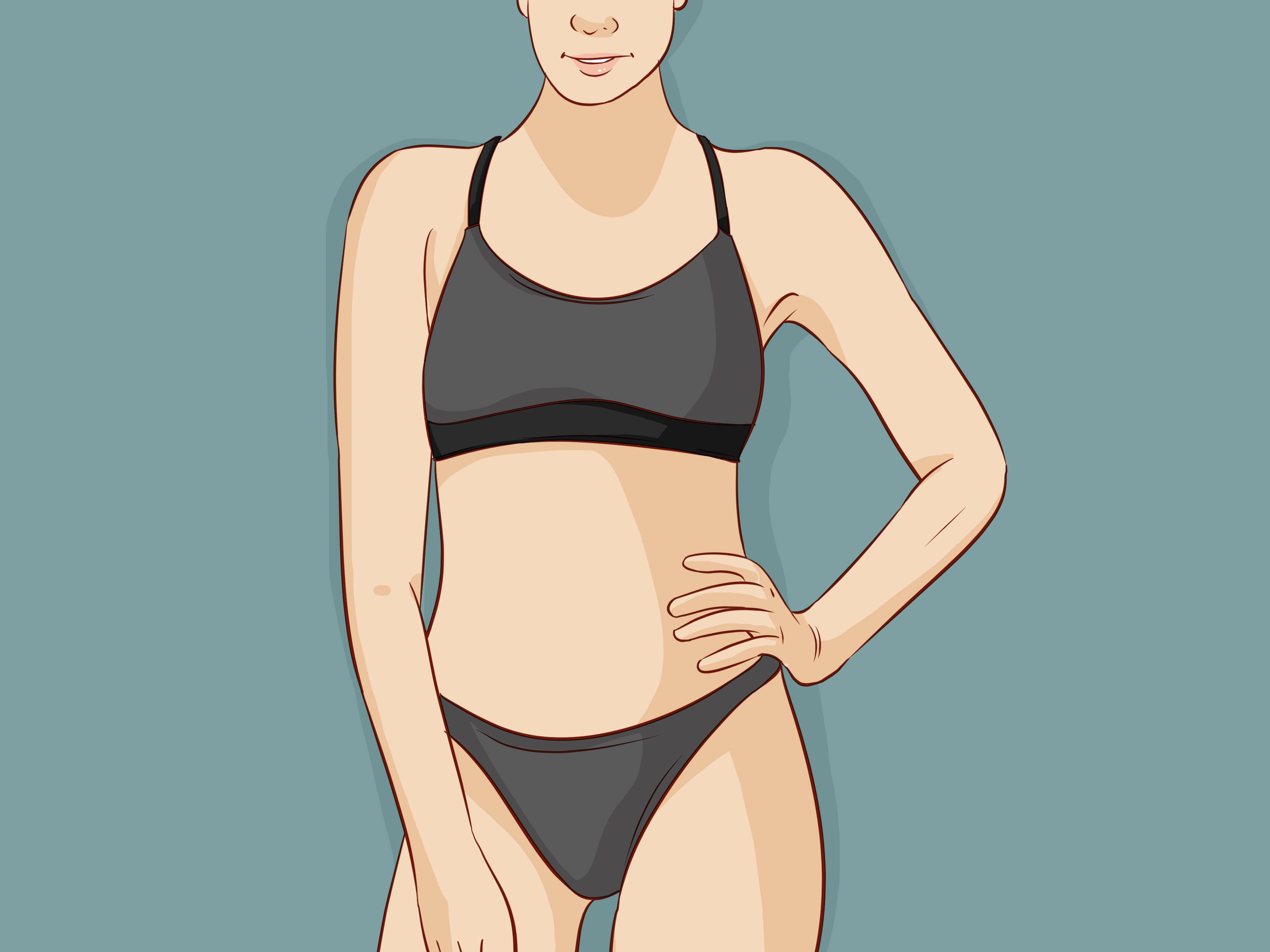
Shopping for a swimsuit should feel like planning a beach day, not preparing for a math final. And yet somehow, one brand’s medium is another brand’s “maybe if you haven’t eaten bread since Tuesday.” That is exactly why learning how to measure your swimsuit size matters. A few simple numbers can save you from saggy straps, pinchy leg openings, awkward gaping, and the deeply humbling experience of trying to inhale your way into a one-piece.
The good news? You do not need a fashion degree, a personal tailor, or a moon-phase chart. You only need a soft measuring tape, five quiet minutes, and a willingness to stand naturally without sucking in your stomach like you are auditioning for a Victorian corset ad. Once you know your key measurements, you can compare them with any swimsuit size chart and shop with much more confidence.
In this guide, you will learn three easy ways to measure your swimsuit size, plus how to handle one-pieces, two-pieces, bra-sized swim tops, long-torso fits, and those annoying “in-between sizes” situations. By the end, you will know exactly what to measure, how to measure it, and how to turn those numbers into a swimsuit that actually fits your body instead of arguing with it.
Why Swimsuit Sizing Feels So Different From Regular Clothing
Before we get to the tape measure, here is the truth that makes swimsuit shopping much less personal: swimsuit sizing is not universal. A size 8 in one brand may feel very different in another because swim fabrics, compression, lining, bust support, and cut all change the fit. Some brands also size by dress size, while others use alpha sizing like XS to XXL, and others offer bra-sized tops or long-torso options.
That means the smartest thing you can do is stop relying on the number printed in your jeans and start relying on your bust, waist, hips, and sometimes torso. Those measurements are your swimsuit-shopping home base. Everything else is just branding with better lighting.
Way 1: Measure Your Bust, Waist, and Hips
This is the classic and most important way to figure out your swimsuit size. If you only do one thing before buying swimwear online, do this. These three measurements are the foundation for most bikini, tankini, and one-piece size charts.
What You Need
- A soft measuring tape
- A mirror, if possible
- Form-fitting clothing or underwear
- A notepad or your phone to record the numbers
Do not use a metal carpenter’s tape unless you enjoy inaccurate numbers and minor emotional damage. A flexible tape is the right tool because it follows the curves of your body without turning the process into performance art.
How to Measure Your Bust
Wrap the tape around the fullest part of your bust. Keep the tape level all the way around your body and make sure it is snug but not tight. If you are measuring for a swimsuit top, it helps to wear a well-fitting, non-padded bra so your bust sits naturally.
A common mistake is pulling the tape too tight because you want a smaller number. That is not sizing; that is fiction. The goal is an honest measurement that leads to a swimsuit you can actually breathe in.
How to Measure Your Waist
Measure around the narrowest part of your natural waist. If you are not sure where that is, bend to one side. The crease that forms is usually your natural waist. That is your measuring spot.
Keep your posture relaxed. No sucking in. No dramatic posture correction. No pretending you are being photographed for a magazine cover. Your swimsuit needs to fit your real body, not your “I only stand like this for 4.5 seconds” body.
How to Measure Your Hips
Stand with your feet together and wrap the tape around the fullest part of your hips and seat. Keep the tape parallel to the floor and check in the mirror that it is not creeping upward in the back.
This measurement matters a lot for swim bottoms, high-leg cuts, and one-pieces. If your hip measurement puts you in a different size than your bust, that is not weird. That is called being human.
How to Use These Numbers
Once you have your bust, waist, and hip measurements, compare them with the brand’s swimsuit size chart. If you are buying a two-piece swimsuit, you may not need the same size in the top and bottom. In fact, many people do better in mixed sizes. A medium top and large bottom is not a problem. It is a solution.
Example: Let’s say your bust matches a size medium, but your hips match a size large. For a bikini or tankini set, buy the medium top and large bottom if the brand offers separates. For a one-piece, read the fit notes and consider whether the cut is forgiving or compressive. When in doubt, choose the size that accommodates the fuller area of your body, especially if the fabric has firm support.
Way 2: Measure Your Torso for One-Piece Swimsuits
If you love one-pieces, this step can be a total game-changer. Bust, waist, and hips are important, but they do not tell the full story for a one-piece. A suit can match your other measurements and still feel like it is trying to negotiate peace talks between your shoulders and your thighs. That is where torso measurement comes in.
How to Measure Torso Length
Start at the top of one shoulder. Run the tape down the front of your body, over the fullest part of your bust, through your legs, and back up to the starting point. This gives you your torso measurement.
It sounds slightly ridiculous the first time you do it, but it is one of the best ways to find the right one-piece swimsuit size. If you are tall, have a long rise, or often feel like one-pieces are either yanking downward or riding upward, you may need a long-torso suit or a brand with more vertical length.
Signs You Need a Long-Torso Swimsuit
- The straps dig into your shoulders even when the suit fits elsewhere
- The leg openings pull uncomfortably upward
- The neckline gets dragged lower or higher than intended
- You feel constant tension through the body of the suit
- You are always adjusting the suit after sitting, swimming, or walking
Some women assume a one-piece feels tight because they need a bigger size overall, when the real issue is torso length. Going up one full size might fix the vertical pull but create gaping in the bust or loose fabric at the hips. If that sounds familiar, a long-torso swimsuit may fit better than simply sizing up.
When Torso Matters Most
Torso length is especially important for:
- One-piece swimsuits
- Swimdresses
- Zip-front or structured athletic swimsuits
- Supportive one-pieces with built-in bras
- Compression swimwear
For bikinis and most separates, torso length matters much less because the top and bottom are not connected. That is one reason many shoppers who struggle with one-pieces fall in love with tankinis. You get the look of more coverage without asking one garment to solve every fitting issue at once.
Way 3: Use Bra Size and Fit Clues to Fine-Tune Your Swim Size
The third easy way to measure your swimsuit size is part numbers, part common sense, and part “listen to the body you already have.” This method is especially helpful if you are shopping for structured swim tops, underwire styles, athletic suits, or bra-sized swimwear.
Measure for Bra-Sized Swim Tops
If you are buying a swimsuit top that comes in band and cup sizes, measure around your rib cage just under your bust for your band, then measure around the fullest part of your bust for your cup. Many swim brands use bra sizing because it offers more support and a more secure fit than general small-medium-large sizing.
This is especially useful if you have a fuller bust, need more lift, or always feel like triangle tops are engaged in active betrayal. A bra-sized bikini or tankini top often gives you better support, better shaping, and fewer “wardrobe malfunction” moments.
Use Fit Clues From Clothes You Already Own
You can also learn a lot from what has or has not worked for you before. Ask yourself:
- Do bottoms usually pinch at the hips?
- Do tops fit your bust but feel loose in the band?
- Do one-pieces feel too short even in your usual size?
- Do straps slide off your shoulders?
- Do you prefer more coverage, less compression, or more bust support?
These clues help you interpret the measurements instead of treating them like magic numbers. A swimsuit that fits on paper but ignores your real comfort preferences is still not the right suit.
How to Decide When You Are Between Sizes
Being between sizes is incredibly common. Here is a simple rule of thumb:
- For active swimming or firm compression: choose the size that fits the largest measurement comfortably
- For lounging or softer fabrics: choose based on the fit you prefer, supportive versus relaxed
- For one-pieces: if you are between sizes and have a longer torso, sizing up often makes more sense
- For separates: buy different top and bottom sizes whenever possible
A swimsuit should feel snug but not punishing. If it rides up, leaves deep marks, or requires constant adjusting, it is probably too small. If it sags, gaps, or forms wrinkles, it is probably too big. Swimwear is meant to stay put while you move, not act like it is considering resignation.
Common Swimsuit Sizing Mistakes to Avoid
- Using jean size as your swimsuit size: Denim and swim fabric are not even in the same universe.
- Skipping the size chart: Brand charts matter more than the tag you usually buy.
- Measuring over bulky clothes: That extra fabric creates inaccurate numbers.
- Pulling the tape too tight: You want reality, not wishful compression.
- Ignoring torso length: Especially risky for one-pieces.
- Forgetting support needs: If you need bust support, shop accordingly instead of hoping stretchy fabric becomes an engineer.
A Quick Swimsuit Fit Check Before You Commit
Once your swimsuit arrives, try it on and actually move around. Raise your arms. Sit down. Walk around. Twist a little. If you are brave, do a mini dance. A good swimsuit should stay in place, feel secure, and not require a negotiation every time you move.
Check these details:
- The bust should feel supported, not flattened or unstable
- The waist should lie smooth without digging painfully
- The bottoms should cover what you want covered
- The straps should stay in place
- The suit should not sag, wrinkle, ride up, or pull sharply
If you are shopping online, keep the tags on until you are sure. This is not mistrust. This is wisdom.
Real-Life Experiences Measuring Swimsuit Size
One of the most common experiences people have with swimsuit sizing is realizing they have been buying the wrong size for years without knowing it. Not because they did anything wrong, but because most of us were taught to shop swimsuits the way we shop T-shirts: grab a size that sounds familiar, hope for the best, and avoid eye contact with the dressing room mirror. Then one day we actually measure ourselves, and suddenly the mystery unravels.
For example, someone may always buy a large one-piece because mediums feel too short. After measuring, she finds out her bust and hips actually fall into a medium, but her torso measurement is longer than average. The issue was never “I need a bigger suit everywhere.” The issue was “I need more length.” That one detail can completely change the shopping experience. Instead of wearing a loose, baggy suit that still feels weird, she can choose a long-torso medium and finally understand what a proper fit feels like.
Another very real experience happens with two-piece swimsuits. Plenty of women discover they are not the same size on top and bottom. Shocking, I know. The female body, in a bold act of individuality, does not always arrange itself into matching halves. Someone with a fuller bust and narrower hips may need a large or a bra-sized top and a medium bottom. Another person may need the opposite. Once you stop insisting both pieces share one label, swimsuit shopping gets dramatically easier.
There is also the bust-support revelation. Many shoppers spend years tugging at flimsy bikini tops, wondering why swimming feels like a trust fall. Then they try a band-and-cup-sized swim top and realize that support can actually exist at the beach. Suddenly the straps are not doing all the work, the neckline stays put, and movement becomes much less stressful. It is not magic. It is just better sizing.
Then there are the people who discover that the problem is not size at all, but cut. They measure correctly, buy the right size, and still hate the fit of a particular suit because the leg line is too high, the coverage is too skimpy, or the compression feels too intense. That experience matters, too. Measuring gives you the right starting point, but your comfort preferences still help you choose the best style.
Over time, most experienced swimsuit shoppers create a little personal fit formula. They know their bust, waist, hips, and torso. They know whether they prefer adjustable straps, underwire support, fuller seat coverage, or long-torso styles. They know that one brand runs snug, another runs stretchy, and a third seems to believe all humans are shaped like abstract sculptures. That knowledge makes every future purchase easier.
So if swimsuit shopping has ever made you feel confused, annoyed, or personally attacked, you are in very good company. The best thing you can do is measure once, write the numbers down, and use them every time. It turns a frustrating guessing game into a practical process. And that is the kind of beach prep we can all get behind.
Final Thoughts
If you want the simplest answer to how to measure your swimsuit size, here it is: measure your bust, waist, and hips first; add torso if you are buying a one-piece; and use bra sizing or fit clues to fine-tune the result. That is it. No drama. No guessing. No need to let a random size tag decide your self-esteem before noon.
The right swimsuit size is the one that supports you, stays put, and lets you enjoy the water without constant adjusting. Whether you are shopping for a sporty one-piece, a supportive tankini, or a bikini that actually behaves itself, accurate measurements will get you much closer to the perfect fit. In swimsuit shopping, knowledge is power. Also comfort. Also fewer returns. A true triple win.