Outdoor living spaces are no longer just “the place where the grill lives and one suspicious plastic chair slowly fades in the sun.” Today, a patio, deck, porch, balcony, or backyard can work like a second living room, a weekend café, a sunset dining room, a quiet reading nook, or the social headquarters for every warm-weather gathering on your calendar. The best part? You do not need a resort-size yard or a billionaire’s landscaping budget to make it happen.
Whether you are refreshing a tiny apartment balcony, rebuilding a tired deck, or staring at your backyard like it owes you an apology, the right outdoor living space ideas can help you create something stylish, practical, and deeply usable. The trick is to think in zones: seating, shade, lighting, privacy, greenery, dining, storage, and atmosphere. Once those pieces work together, your outdoor area starts feeling less like leftover square footage and more like an actual destination.
Below are 17 outdoor living spaces to inspire patio, deck, or yard updates, with practical examples you can adapt to small spaces, large backyards, covered patios, open decks, and everything in between.
1. The Outdoor Living Room
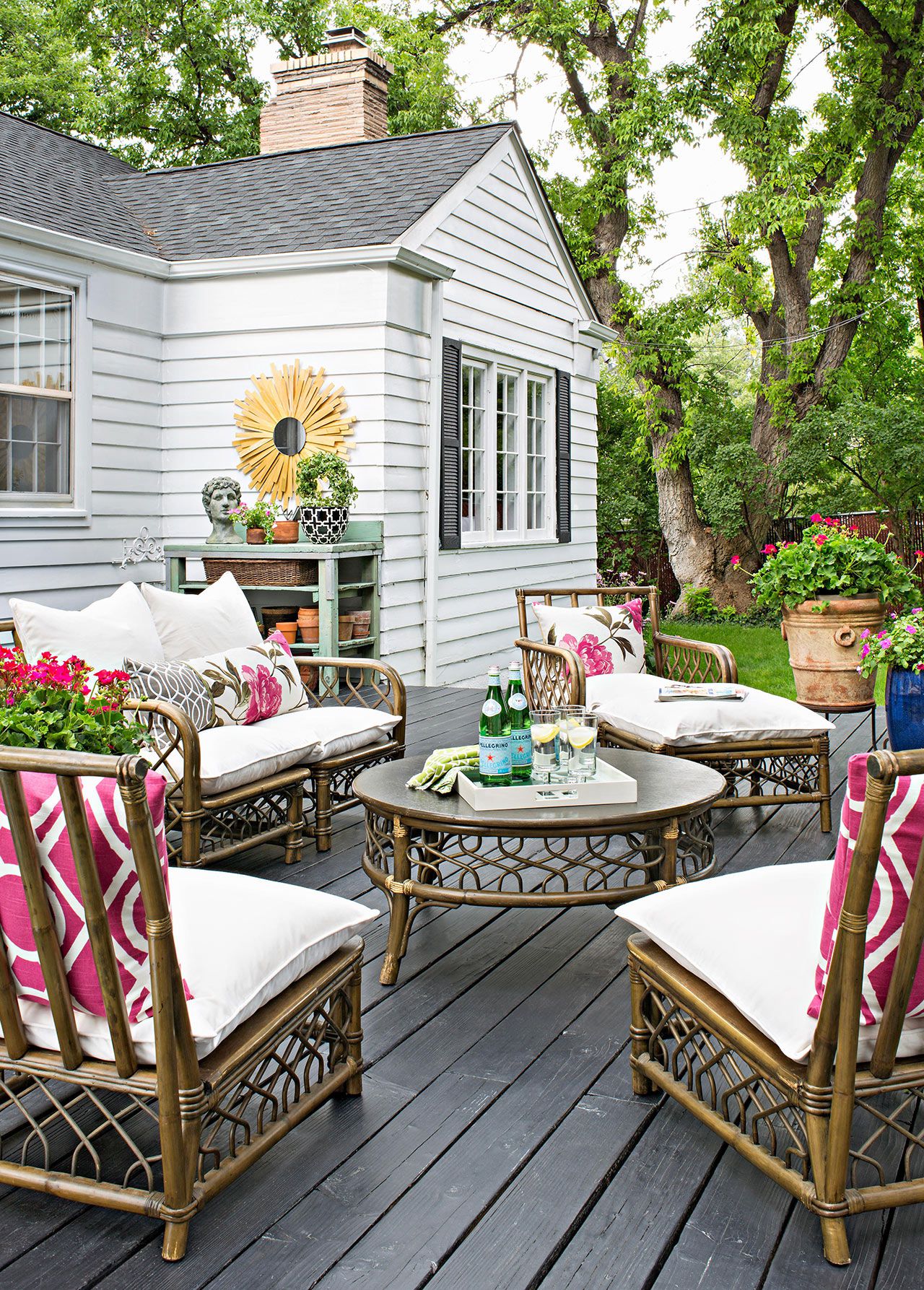
An outdoor living room is the classic starting point because it instantly makes a patio or deck feel intentional. Instead of scattering random chairs around, arrange weather-resistant sofas, lounge chairs, ottomans, and a coffee table just as you would indoors. A U-shaped or L-shaped seating arrangement encourages conversation, while a large outdoor rug visually anchors the space.
For a cozy look, choose cushions in warm neutrals, olive green, terracotta, charcoal, or sandy beige. Add throw pillows with texture, a side table for drinks, and a basket for lightweight blankets. Suddenly, your deck is not just a deck. It is a lounge with fresh air and better lighting than your living room during golden hour.
2. A Covered Patio Retreat
A covered patio is one of the smartest outdoor living upgrades because it extends the number of days you can actually use the space. A pergola, pavilion, awning, shade sail, or roof extension protects furniture from harsh sun and gives guests a comfortable place to gather.
Under the cover, create a relaxed retreat with cushioned seating, a ceiling fan if wiring allows, outdoor curtains, and layered lighting. For a more polished design, repeat materials from your home’s exterior, such as black metal, natural wood, stone, or brick. The goal is to make the patio feel connected to the house rather than accidentally attached like an afterthought.
3. The Small Patio Café Corner
Small patios can be magical when they stop trying to act like giant backyards. A café table with two chairs, a narrow bench, or a compact bistro set can turn even a tiny concrete slab into a charming morning coffee spot. Add a planter, a small outdoor rug, and string lights, and the space becomes cozy instead of cramped.
If your patio is very narrow, choose folding furniture or stackable chairs. A wall-mounted shelf can serve as a mini bar, plant stand, or snack station. This setup works beautifully for apartment patios, townhome yards, and side-yard spaces that are too small for full dining furniture but perfect for croissants, coffee, and pretending you are in Paris.
4. A Deck Designed for Dining
An outdoor dining deck is ideal for families, entertainers, and anyone who believes food tastes better outside. Start with a table size that fits the deck comfortably, leaving enough room for chairs to slide back without sending someone into a hydrangea bush.
Use an umbrella, pergola, or shade canopy to protect diners from midday sun. Add lanterns, battery-powered table lamps, or overhead string lights for evening meals. If space allows, place a serving console nearby for plates, drinks, and condiments. This keeps the table from becoming overcrowded and saves you from making twelve dramatic trips through the back door.
5. The Fire Pit Conversation Zone
A fire pit area creates a natural gathering point in a yard. It works especially well when placed slightly away from the main patio, giving the backyard a destination feel. Surround the fire pit with Adirondack chairs, deep lounge chairs, or built-in benches. Gravel, pavers, or stone can define the zone and reduce lawn wear.
Choose a fire feature that fits your local rules and lifestyle. Wood-burning fire pits offer crackle and campfire charm, while propane and natural gas models are cleaner and easier to start. Add a few side tables for mugs, snacks, and marshmallow supplies. Because if there is fire, someone will eventually suggest s’mores. It is practically outdoor law.
6. A Garden Lounge Surrounded by Greenery
For a softer outdoor living space, build the design around plants. A garden lounge can include a bench, loveseat, hammock, or pair of chairs tucked among flowering shrubs, ornamental grasses, raised beds, or container gardens. The greenery provides color, movement, privacy, and that “I have my life together” feeling even when your laundry says otherwise.
Mix plant heights for depth. Use tall planters, climbing vines, low border plants, and seasonal flowers. If you prefer low maintenance, choose native or climate-appropriate plants that can handle your region’s heat, cold, or dry spells. The goal is not to create a fussy botanical museum. It is to make a relaxing outdoor room that gets better as plants mature.
7. The Outdoor Kitchen or Grill Station
An outdoor kitchen does not have to mean a luxury setup with a pizza oven, sink, refrigerator, and enough counter space to host a cooking show. A practical grill station can be just as useful. Start with a reliable grill, a prep surface, storage for tools, and a safe landing zone for hot trays.
For a budget-friendly version, use a weather-resistant cart or cabinet. For a more permanent update, install stone, stainless steel, or concrete counters around the grill. Keep the cooking zone near the dining area but not so close that smoke becomes the evening’s main seasoning. Good layout makes outdoor cooking feel easy instead of chaotic.
8. A Privacy-Focused Patio
Privacy can completely change how often you use your outdoor space. A patio that feels exposed to neighbors, sidewalks, or nearby windows may look pretty but remain empty. Add privacy with outdoor curtains, bamboo or reed screens, lattice panels, trellises, tall planters, hedges, or fencing.
The best privacy solutions feel decorative, not defensive. A trellis with climbing jasmine, clematis, or roses can soften a seating area while blocking unwanted views. Freestanding screens are great for renters because many can be moved or removed. Once privacy improves, the patio becomes a place to relax instead of a stage you did not audition for.
9. The Balcony Living Space
A balcony may be small, but it can still work hard. Choose slim furniture, railing planters, outdoor cushions, and lighting that does not require complicated installation. A bench with hidden storage can hold gardening tools, candles, or extra pillows. A small folding table can become a breakfast spot, work-from-home perch, or evening drink station.
Because balcony square footage is precious, think vertically. Use hanging planters, wall hooks, rail-mounted shelves, and tall narrow plant stands. Keep the color palette tight so the space feels calm rather than cluttered. With a few smart choices, even a modest balcony can become your favorite “room” in the home.
10. A Backyard Movie Night Area
A backyard movie zone is easier to create than it sounds. You need a blank wall, portable screen, or stretched outdoor fabric; a projector; comfortable seating; and soft lighting so people can find the popcorn without stepping on someone’s flip-flop.
Layer floor cushions, outdoor poufs, low chairs, and blankets for casual comfort. Keep a storage box nearby for cords, throws, and bug spray. A movie area can be temporary, which makes it perfect for families or renters. On ordinary days, the same space can function as a lounge. On movie nights, it becomes the neighborhood’s most charming little cinema.
11. A Poolside-Style Lounge Without the Pool
You do not need a swimming pool to borrow the style of a poolside retreat. Place chaise lounges on a deck, patio, or gravel pad; add a large umbrella; include a small table; and surround the area with tropical-looking or sculptural plants. The result feels vacation-like without the pool maintenance bill quietly eating your budget.
For a resort-inspired look, use striped cushions, woven textures, teak or acacia wood, and oversized planters. Add a rolling cooler or outdoor bar cart for drinks. This is an excellent setup for sunny yards and side patios where lounging matters more than formal dining.
12. The Multi-Zone Backyard
If you have a larger yard, divide it into outdoor rooms. One zone might be for dining, another for lounging, another for cooking, and another for a fire pit or garden bench. Use pavers, rugs, gravel, planters, low walls, or changes in furniture style to define each area.
The key is circulation. Leave clear paths so people can move between zones naturally. A multi-zone backyard makes the space feel larger and more useful because every area has a job. It also prevents the classic mistake of placing one lonely patio set in the middle of a huge yard and hoping personality arrives by magic.
13. A Low-Maintenance Concrete Patio
Concrete patios are durable, versatile, and often more stylish than people expect. If plain concrete feels too basic, consider staining, painting, scoring, stamping, or adding an outdoor rug. You can soften the hard surface with container gardens, wood furniture, woven accents, and layered textiles.
A concrete patio works especially well for modern, minimalist, or family-friendly outdoor living spaces. It is easy to clean, handles heavy furniture, and can support dining sets, grills, and fire tables. With the right styling, it can look crisp and intentional rather than cold.
14. The Porch Sitting Room
A front porch or back porch can become a true sitting room with the right furniture. Rocking chairs are timeless, but do not stop there. Try a porch swing, cushioned bench, small loveseat, or pair of lounge chairs. Add an outdoor rug, side tables, lanterns, and planters near the steps.
Porches are wonderful because they bridge indoor comfort and outdoor freshness. They are shaded, welcoming, and often visible from the street, so they can boost curb appeal too. A tidy porch with comfortable seating says, “Come sit awhile,” which is much friendlier than, “Please admire this empty doormat.”
15. A Vertical Garden Patio
Vertical gardens are excellent for small patios, narrow yards, and bland walls. Use wall planters, trellises, hanging pots, plant ladders, or modular vertical garden systems. Herbs, succulents, ferns, trailing flowers, and compact vegetables can all work depending on sun exposure.
A vertical garden adds texture and life without taking up much floor space. It can also create privacy, soften fences, and provide a fresh backdrop for seating. For beginners, start with a few easy-care plants and expand slowly. Plants are wonderful, but they do not appreciate being adopted in bulk and then forgotten during a heat wave.
16. The Outdoor Work or Reading Nook
An outdoor nook can be one of the most personal patio or yard updates. Choose a quiet corner with some shade, then add a comfortable chair, small table, and good lighting. A hammock, hanging chair, or deep lounge chair can also work if the goal is reading, journaling, or pretending to work while actually listening to birds.
Keep this space simple. Too many features can turn a peaceful nook into another project zone. A plant, a side table, a cushion, and a view are often enough. If you work outside, make sure there is glare control, Wi-Fi reach, and a safe place for devices.
17. The Budget-Friendly Weekend Refresh
Sometimes the best outdoor living space is not a full renovation. It is a weekend refresh that makes your patio, deck, or yard feel cared for again. Power wash surfaces, clean furniture, replace faded cushions, add an outdoor rug, hang string lights, group planters, and create one strong focal point.
A focal point might be a fire bowl, water feature, large planter, painted wall, colorful umbrella, or statement chair. Small changes can dramatically improve atmosphere when they are coordinated. The secret is not buying everything in sight. It is choosing a simple direction and repeating colors, textures, and materials so the space feels designed.
How to Choose the Right Outdoor Living Space for Your Home
Start with How You Actually Live
Before buying furniture or sketching a patio plan, ask how you will use the space most often. Do you host dinners? Need a quiet coffee spot? Want a play area for kids? Love grilling? Prefer reading alone? Your real habits should guide the design. A huge dining table is not useful if you mostly want a nap-friendly lounge chair.
Respect the Climate
Sun, rain, humidity, wind, and winter weather should influence every choice. In hot areas, prioritize shade, breathable fabrics, and heat-tolerant plants. In rainy climates, consider covered spaces, quick-dry cushions, and drainage. In windy locations, avoid lightweight umbrellas and delicate décor that may attempt flight.
Layer Comfort, Lighting, and Privacy
The most inviting outdoor living spaces usually have three things in common: comfortable seating, thoughtful lighting, and some sense of enclosure. Lighting extends use into the evening. Privacy makes people feel relaxed. Comfortable furniture makes them stay longer. Get those three right, and the space will feel welcoming even before you add decorative details.
Use Materials That Can Handle Real Life
Outdoor furniture and finishes need to survive sun, moisture, dirt, pets, guests, and the occasional spilled lemonade. Look for weather-resistant woods, powder-coated metals, resin wicker, outdoor fabrics, and washable rugs. Durable materials cost more upfront sometimes, but replacing cheap pieces every season is not exactly a financial victory parade.
Real-Life Experience: What Makes Outdoor Living Spaces Feel Finished
The most memorable outdoor spaces are rarely the most expensive ones. They are the ones that feel easy to use. In real life, a patio becomes successful when people naturally drift toward it without needing a formal invitation. That usually happens when the layout is obvious, the seating is comfortable, and the space has a reason to exist. A chair facing a fence is furniture. Two chairs angled toward a small table under soft lights is a conversation waiting to happen.
One common experience many homeowners have is starting too big. They imagine a full outdoor kitchen, pergola, fire pit, dining area, garden wall, and lounge zone all at once. Then the project becomes expensive, overwhelming, and strangely less fun. A better approach is to build in layers. Begin with the area closest to the house because that is usually the easiest to use. Add seating, shade, and lighting first. Once that space works, expand outward with planters, paths, or a second destination like a fire pit or bench.
Another lesson: outdoor storage matters more than people expect. Cushions, throws, gardening gloves, candles, grilling tools, and children’s toys need a home. Without storage, even the prettiest patio can look messy by Tuesday. A storage bench, deck box, weatherproof cabinet, or console table can quietly save the whole design. It keeps the space ready for spontaneous use, which is the real test of outdoor living. If you need forty minutes to set up the patio, you will use it less. If you can walk out with a drink and sit down immediately, you will use it constantly.
Lighting is another detail that changes everything. Many patios look fine during the day but disappear into darkness at night. String lights are popular because they are affordable and instantly atmospheric, but they are not the only option. Lanterns, solar path lights, step lights, wall sconces, rechargeable table lamps, and uplighting around plants can create depth. The best outdoor lighting is layered, just like indoor lighting. It should help people see, flatter the setting, and avoid making the yard feel like a parking lot.
Comfort also depends on small decisions. A chair may look gorgeous online but feel like a punishment after ten minutes. Whenever possible, test seating or read measurements carefully. Deep seats, supportive cushions, armrests, and footrests make a major difference. Side tables are equally important. Every seat should have a place nearby for a glass, book, phone, or snack. Otherwise, guests start balancing plates on their knees, and suddenly your elegant patio has the energy of a camping trip.
Privacy is often the final piece that makes a space feel complete. Even a beautiful yard can feel uncomfortable if it is too exposed. The solution does not always require a tall fence. A few large planters, outdoor curtains, a trellis, or a row of ornamental grasses can create just enough separation. People do not need total isolation; they simply need a sense that the space belongs to them.
Finally, the best outdoor living spaces include something personal. It might be a blue chair, a collection of clay pots, a hammock, a vintage lantern, a herb garden, or a dining table that has hosted years of summer meals. Trends can guide the design, but personality makes it feel alive. A patio should not look like a showroom nobody is allowed to touch. It should look ready for coffee, conversation, bare feet, grilled vegetables, birthday cake, and lazy afternoons that accidentally turn into evenings.
Conclusion
Outdoor living spaces can transform the way you use your home. A patio can become a dining room, a deck can become a lounge, a balcony can become a café, and a yard can become a series of beautiful outdoor rooms. The most effective updates combine comfort, function, shade, lighting, privacy, greenery, and durable materials. Whether your project is a full backyard makeover or a simple weekend refresh, the goal is the same: create an outdoor space that feels inviting, practical, and unmistakably yours.