Old houses have a special kind of magic. They creak at dramatic moments, hide mysterious little closets, and somehow make a simple doorway feel like it has a backstory. But even if your home was built after open floor plans, recessed lighting, and “builder-grade beige” became a personality type, you can still give it that warm, layered, character-rich look.
The secret is not pretending your house is a Victorian mansion when it is clearly wearing yoga pants and vinyl windows. The secret is adding architectural details that feel intentional: trim, texture, hardware, wood, built-ins, and finishes that suggest someone cared enough to measure twice, cut once, and maybe mutter into a coffee mug at least three times.
These 12 DIY projects to add old-house charm are practical, stylish, and realistic for homeowners who want history without needing a full restoration budget. Some projects can be finished in a weekend. Others may take a little more patience, a few extra trips to the hardware store, and a healthy relationship with caulk. Either way, the payoff is big: more warmth, more personality, and less “basic box with outlets.”
Why Old-House Charm Still Works
Old-house charm comes from craftsmanship, proportion, and detail. Think tall baseboards, beadboard walls, picture rails, natural wood floors, divided-light doors, built-in shelves, brass knobs, and cozy corners that feel collected rather than copied from page 14 of a catalog.
Modern homes often skip these details to save time and cost. Flat drywall, hollow-core doors, tiny trim, and plain cabinet pulls may be efficient, but they do not always give a room much soul. Fortunately, charm can be added in layers. Start with one room, one wall, or one small feature. Your house does not need a monocle overnight.
Before You Begin: A Smart Safety Note
If your home was built before 1978, assume painted surfaces may contain lead unless testing proves otherwise. Avoid sanding, scraping, or disturbing old paint without proper precautions. For electrical, structural, plumbing, or suspected asbestos issues, bring in a qualified professional. Old-house charm is wonderful; accidental chaos is not part of the aesthetic.
1. Install Crown Molding for Instant Architecture
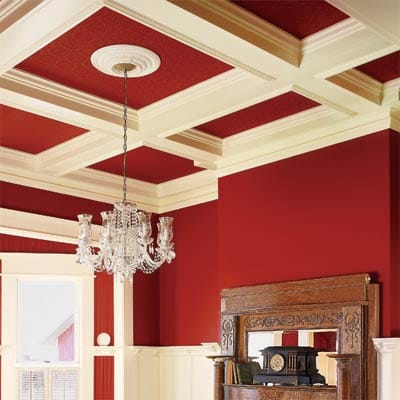
Crown molding is one of the fastest ways to make a room feel finished. It creates a visual bridge between wall and ceiling, giving the space a sense of height and polish. In older homes, crown molding was often part of a larger trim package that made even simple rooms look dignified.
How to Make It Look Authentic
Choose a profile that matches your home’s style. A small cottage or bungalow may look better with simple cove molding, while a formal dining room can handle a deeper, more dramatic crown. Avoid oversized molding in a low-ceilinged room unless you want the walls to look like they borrowed a hat from a giant.
For easier installation, mark the wall and ceiling where the molding will sit before you start. Use a miter saw for outside corners and cope inside corners for a cleaner fit. Finish with caulk, primer, and paint. The result is subtle, but the room suddenly looks like it has manners.
2. Add Beadboard Wainscoting
Beadboard wainscoting brings cottage charm, texture, and durability to kitchens, bathrooms, hallways, mudrooms, and breakfast nooks. It is especially useful in spaces that feel flat or overly modern. The vertical grooves catch light beautifully and make walls look more handcrafted.
Best Rooms for Beadboard
Bathrooms benefit from beadboard because it adds warmth without taking up floor space. Mudrooms love it because it hides scuffs better than plain drywall. Dining areas can use beadboard below a chair rail for a classic old-house look that says, “Yes, we own cloth napkins, even if we rarely use them.”
Use real tongue-and-groove boards for the richest look, or choose beadboard panels for a more budget-friendly DIY approach. Add a baseboard at the bottom and a cap rail at the top to make the installation feel built-in instead of pasted on.
3. Create Picture Frame Molding on Plain Walls
Picture frame molding is a simple way to add elegance without covering the entire wall. Thin strips of molding are arranged into rectangles or squares, often below a chair rail or across a full accent wall. Once painted the same color as the wall, the effect is classic and surprisingly high-end.
Design Tip
Measure carefully and keep spacing consistent. Uneven boxes are very good at announcing themselves from across the room. Sketch the layout first, use painter’s tape to preview it, and then install the trim with adhesive and finish nails.
This project works beautifully in dining rooms, entryways, bedrooms, and staircases. It gives blank drywall a sense of tradition without requiring major carpentry skills.
4. Install a Picture Rail
A picture rail is a narrow molding installed below the ceiling that allows art to hang from hooks and cords. It was common in older homes with plaster walls because it reduced nail holes and made artwork easier to rearrange.
Today, picture rails still make sense. They are practical, decorative, and wonderfully flexible. If you love gallery walls but hate committing to nail placement, a picture rail is your new best friend.
Where to Use It
Install picture rail molding in living rooms, hallways, bedrooms, or dining rooms. Paint it to match the trim for a traditional look, or match it to the wall color for a softer effect. Add brass or dark metal hooks with picture cord for a vintage-inspired finish.
5. Upgrade Baseboards and Door Casings
Tiny baseboards are one of the biggest giveaways of a newer or budget-renovated home. Taller baseboards and wider door casings instantly create a more substantial, old-house feeling.
You do not always need to rip out existing trim. In many cases, you can build it up by adding a slim molding above the current baseboard, leaving a small gap, and painting everything the same color. This trick creates the illusion of a taller baseboard at a fraction of the cost.
Classic Combinations
Try a flat stock board with a simple cap molding for a farmhouse or Craftsman-inspired look. For a more formal space, add back band molding around door casings. The goal is not to make trim complicated; it is to make it look intentional.
6. Swap Modern Hardware for Vintage-Style Pieces
Hardware is the jewelry of the house. And just like jewelry, the wrong piece can make everything look a little confused. Replacing plain knobs, pulls, hinges, and switch plates with vintage-style hardware is one of the easiest DIY projects to add old-house charm.
Small Details, Big Difference
Look for unlacquered brass, oil-rubbed bronze, antique nickel, glass knobs, bin pulls, oval backplates, or porcelain details. These finishes develop depth and character, especially compared with shiny, overly uniform hardware.
Start with cabinet pulls, then move to interior door knobs, closet knobs, and light switch covers. Keep finishes coordinated, but not painfully identical. Old homes often have layers, and a little variation feels natural.
7. Build Simple Built-In Bookshelves
Built-ins are old-house charm in furniture form. They make a room feel permanent, useful, and custom. A wall of built-in shelves can frame a fireplace, fill an awkward nook, or turn a plain office into a small library with main-character energy.
Budget-Friendly Built-In Idea
Use ready-made bookcases as a base, then add trim, crown molding, baseboards, and side panels so they look built into the wall. Secure everything properly, fill gaps, and paint the entire unit the same color. The transformation can be dramatic.
For a more historic look, include closed storage at the bottom and open shelves above. Add brass library lights if your budget allows. Then fill the shelves with books, framed art, pottery, and one object that makes guests ask, “Where did you get that?”
8. Add a Ceiling Medallion
Ceiling medallions were often used in formal rooms to highlight chandeliers and decorative light fixtures. Today, lightweight polyurethane medallions make the look much easier to achieve.
This is a high-impact project that can often be completed quickly, especially when replacing or updating a light fixture. The medallion draws the eye upward and makes the ceiling feel considered rather than ignored.
Choose the Right Size
A tiny medallion under a large chandelier can look shy. A giant medallion in a small bedroom can look like the ceiling is wearing a dinner plate. Match the scale to the room and fixture. Paint it the ceiling color for subtle texture or a contrasting color for drama.
Always turn off power before working near electrical fixtures, and call an electrician if wiring looks outdated, damaged, or mysterious in a way that makes you whisper, “Oh no.”
9. Refinish or Refresh Hardwood Floors
Few things add old-house charm like real wood floors. If you already have hardwood hiding under carpet, congratulations: your house may have been keeping treasure underfoot. Refinishing can reveal warmth, grain, and character that no laminate can quite fake.
Refinish or Screen and Recoat?
If floors have deep scratches, dents, or heavy damage, a full sand and refinish may be needed. If the finish is dull but the wood is mostly sound, screening and recoating may restore the surface without removing as much material.
Before sanding old floors, check whether they have been refinished many times. Very thin boards may not tolerate another aggressive sanding. When in doubt, ask a flooring professional to inspect them. Your floors have survived decades; they deserve a respectful conversation.
10. Add Wallpaper or a Vintage-Inspired Wall Treatment
Wallpaper has returned from design exile, and it brought snacks. Vintage-inspired patterns can transform powder rooms, dining rooms, bedrooms, and entryways into spaces with personality and depth.
Botanicals, small florals, stripes, toile, block prints, and Arts and Crafts-inspired patterns all work well for old-house charm. If full wallpaper feels like a big commitment, try peel-and-stick wallpaper in a small space or use wallpaper above wainscoting.
Make It Feel Collected
Pair patterned walls with simple trim, warm lighting, and natural materials. The goal is charm, not visual shouting. A powder room is a perfect place to be brave because guests are only trapped in there for a few minutes.
11. Install a Faux or Reclaimed Mantel
A mantel gives a room a focal point even if you do not have a working fireplace. Salvaged mantels, reproduction surrounds, or simple DIY mantel shelves can create that classic parlor feeling.
If you already have a fireplace, consider restoring the mantel, replacing generic tile, or adding period-style surround details. If you do not have a fireplace, a decorative mantel can still anchor a room. Add candles, books, framed art, or a mirror above it for a layered look.
Design Rule
Keep proportions believable. A massive ornate mantel in a tiny room may feel like it wandered in from an opera house. Choose a size and style that suits the architecture you have, not the mansion your Pinterest board is secretly dating.
12. Restore Windows with Weatherstripping and Interior Storms
Historic wood windows often get blamed for drafts, but many can be improved with repairs, weatherstripping, glazing compound, and storm windows. Even in newer homes, adding divided-light style, traditional trim, or better window treatments can help create a more old-house feeling.
Charm and Comfort Can Work Together
Seal air leaks, repair loose stops, replace broken sash cords when possible, and use curtains or shades that fit the room’s style. Roman shades, cafe curtains, bamboo shades, and full-length drapes can soften modern windows and make rooms feel more settled.
If your windows are original and repairable, think carefully before replacing them. The wavy glass, wood profiles, and old proportions are hard to duplicate. Sometimes the greenest and most charming option is not replacement, but thoughtful repair.
How to Choose the Right DIY Project First
Start where the visual reward is highest. If your entryway feels bland, add picture frame molding or a better light fixture. If your kitchen feels sterile, swap hardware and add beadboard to an island. If your living room lacks a focal point, build shelves or add a mantel.
Also consider your tools, time, and comfort level. A ceiling medallion may be easier than full wainscoting. Hardware swaps are beginner-friendly. Built-ins require more planning. Floor refinishing can be dusty, physical, and unforgiving, so do your homework before renting the big machine that looks like it could win a fight.
Color Choices That Boost Old-House Charm
Paint color can make or break these projects. Soft whites, warm creams, muted greens, dusty blues, deep browns, oxblood reds, charcoal, and muddy neutrals often feel more historic than icy grays or stark whites.
For trim, consider something warmer than pure white. Creamy white, putty, mushroom, or soft taupe can make molding look older and richer. In small rooms, painting walls, trim, and ceiling in related tones can create a cozy, enveloping effect.
Materials That Feel More Authentic
When possible, choose real wood, metal, stone, plaster, ceramic, and natural fibers. You do not need the most expensive version of everything, but tactile materials help a home feel layered. A brass knob, a wood shelf, a ceramic switch plate, or a linen curtain can quietly outperform a dozen trendy accessories.
Salvage yards, estate sales, antique stores, reuse centers, and online marketplaces are excellent places to find old doors, mantels, corbels, knobs, hooks, light fixtures, and trim. Just measure carefully before buying. Architectural salvage is charming, but it does not care about your return policy feelings.
Common Mistakes to Avoid
Adding Too Many Styles at Once
Victorian crown molding, farmhouse shiplap, midcentury lighting, and French country hardware can all be beautiful. In one room, however, they may start arguing. Pick a general direction and repeat a few details consistently.
Ignoring Scale
Old-house details work because they are proportionate. Oversized trim in a small room or tiny molding in a large room can feel off. Use painter’s tape, samples, and mockups before committing.
Making Everything Look New
Old-house charm should feel collected over time. Mix new DIY upgrades with vintage pieces, worn textures, books, art, and personal objects. Perfection is not the point. A little patina is the house equivalent of laugh lines.
Experience Notes: What These Projects Feel Like in Real Life
Adding old-house charm is less like flipping a switch and more like teaching your home to tell better stories. The first project often seems small. Maybe you replace cabinet knobs with aged brass pulls. You step back and think, “That looks nice.” Then two days later you notice the plain switch plates. Then the baseboards look too short. Then you are standing in the trim aisle at 8:42 p.m. holding three molding samples like you are choosing a name for a child. This is normal.
One of the most satisfying beginner projects is hardware replacement because it gives immediate results. A basic white cabinet with plain silver pulls can look completely different with cup pulls or glass knobs. The job usually requires a screwdriver, patience, and the ability not to drop tiny screws into another dimension. It is also a great way to test your style before committing to larger changes.
Wainscoting and picture frame molding are more involved, but they deliver that “was this always here?” feeling when done well. The real trick is layout. Many DIYers want to start cutting immediately because measuring is boring and saws make people feel powerful. Resist that urge. Use tape on the wall, check your spacing, and look at the layout from multiple angles. A good wall treatment starts before the first nail goes in.
Built-ins are the project that can make a room feel truly transformed. Even simple shelves can look custom if you add face frames, trim, and a continuous paint color. The challenge is that walls are rarely straight, especially in older homes. Floors slope. Corners wave. Nothing is square except your optimism. Shims, caulk, and scribe molding become your loyal companions. The finished result, however, is worth the fuss because built-ins add storage and architecture at the same time.
Ceiling medallions are surprisingly emotional. They are small, affordable, and usually easy to paint, yet they make a light fixture feel important. In a dining room or bedroom, a medallion can turn a standard ceiling into a feature. The key is to choose one that supports the room rather than steals the entire show. Think “elegant frame,” not “ceiling flower demanding applause.”
Floor projects require the most honesty. Refreshing hardwood can be magical, but sanding floors is not a casual Saturday hobby for everyone. Dust gets everywhere, machines are heavy, and mistakes can be permanent. If the floors are valuable, thin, historic, or heavily damaged, getting professional advice is smart. Sometimes a careful clean and recoat is better than aggressive sanding.
The best experience comes from layering projects slowly. Install crown molding in one room. Live with it. Add vintage-style hardware. Then maybe bring in wallpaper, a mantel, or picture rails. Old-house charm does not need to arrive all at once. In fact, it looks better when it feels accumulated. A home with character should seem as if it has been loved over time, not decorated in one frantic weekend while three online shopping carts screamed for attention.
Most importantly, let your home guide you. A modest ranch may not want elaborate Victorian trim. A Craftsman-style bungalow may prefer simple woodwork and warm colors. A new townhouse may need built-ins and better hardware more than faux distressing. Charm is not about copying the past exactly. It is about adding detail, warmth, and permanence in a way that makes your house feel more like itself.
Conclusion
Adding old-house charm does not require buying an old house, discovering original pocket doors, or inheriting a stained-glass window from a mysterious aunt. With the right DIY projects, any home can feel warmer, richer, and more personal. Crown molding, beadboard, picture rails, vintage hardware, built-ins, ceiling medallions, hardwood floors, wallpaper, mantels, and thoughtful window upgrades all bring depth to rooms that feel plain.
Start small, respect your home’s proportions, and choose materials that feel lasting. A charming home is not perfect. It is layered, useful, slightly quirky, and full of details that reward a second look. In other words, it is a home with a pulseand probably better baseboards.
Note: For homes built before 1978, use lead-safe practices before disturbing painted surfaces. For electrical, structural, asbestos, or major flooring concerns, consult a qualified professional before beginning DIY work.