Finding a bra that feels good should not require a minor in engineering, three changing rooms, and an emotional support iced coffee. Yet many people have experienced the classic bra-shopping mystery: the band fits, the cups technically fit, and somehow the bra still acts like it was designed for a completely different torso.
That is because bra fit is about more than the number on the tag. Breast shape, fullness, spacing, projection, shoulder position, and personal comfort all affect how a bra sits. “Breast types” are not medical diagnoses or rigid categories; they are simply useful visual descriptions that can help you narrow down which bra styles may work best for your body. Breasts naturally vary in size, position, shape, and density, and slight asymmetry is extremely common.
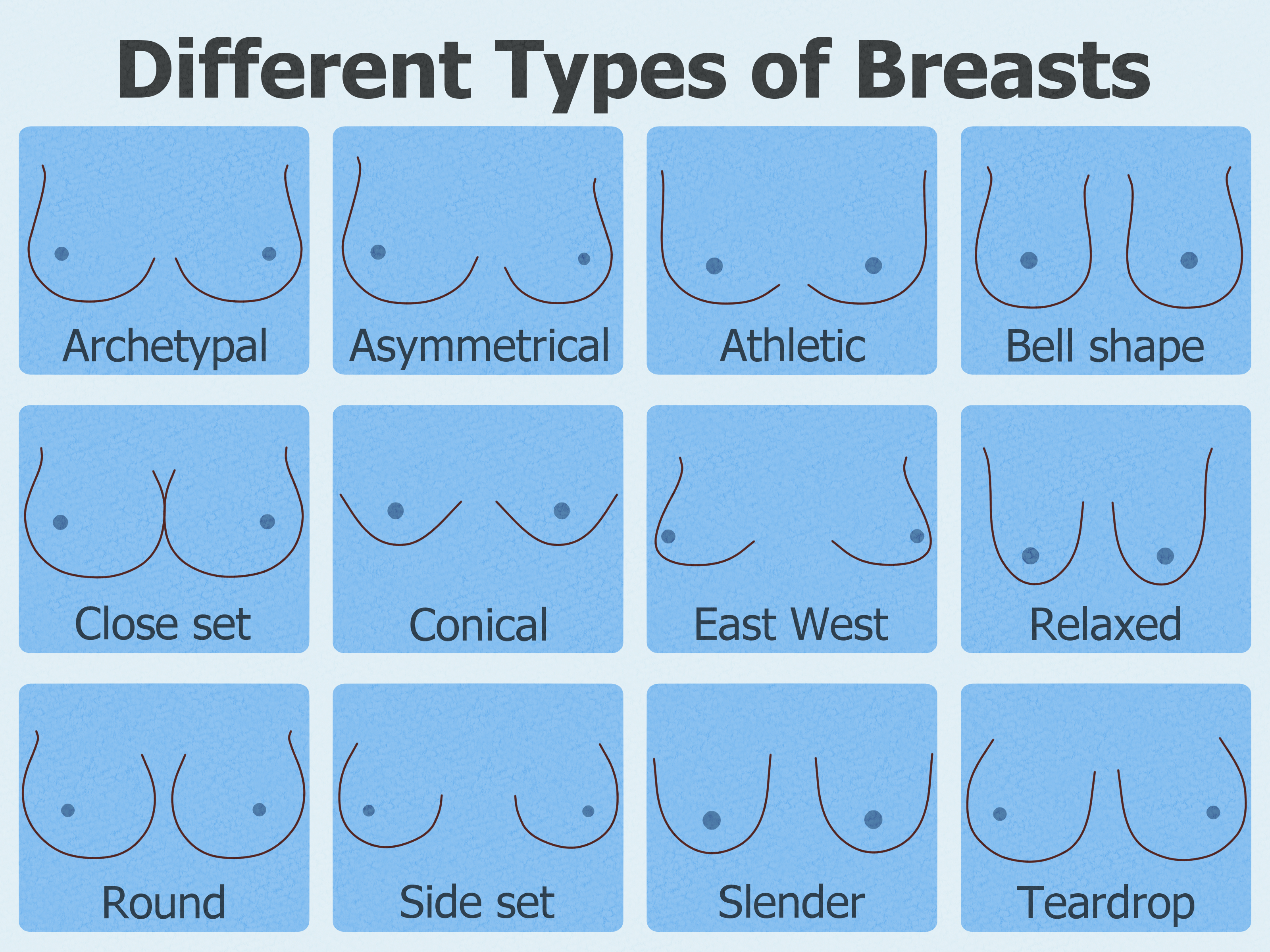
This guide covers 12 common breast shape and fullness patterns, along with practical bra recommendations for each one. Think of it less as a rulebook and more as a map. You may recognize yourself in one category, three categories, or a suspiciously accurate combination of “east-west, full on bottom, and refuses to cooperate before 9 a.m.”
First: There Is No “Perfect” Breast Shape
Breasts are made up of fatty tissue, glandular tissue, connective tissue, ducts, lobules, nipples, and areolas. Their appearance can shift over time because of puberty, menstrual cycles, pregnancy, breastfeeding, weight changes, menopause, medications, and aging. A breast shape that looks different from a friend’s, a sibling’s, or a lingerie model’s is not automatically unusual.
The goal of a bra is not to make every body resemble the same two rounded cups on a billboard. A good bra should provide the level of support, coverage, lift, separation, shaping, or softness that you prefer. Some people love underwire. Others consider underwire a personal betrayal. Both positions are valid.
12 Common Breast Types and the Best Bras for Each
1. Round Breasts
Round breasts tend to look equally full at the top and bottom, with a generally even distribution of volume. Because they already have a naturally balanced shape, many bra styles can work well. The main decision is usually about the look you want rather than fixing a fit problem.
Best bra choices: T-shirt bras, balconette bras, lightly lined bras, wireless bras, and plunge bras. A smooth T-shirt bra works beautifully under fitted tops, while a balconette can create a lifted, open neckline for lower-cut clothing.
2. Teardrop Breasts
Teardrop breasts are usually fuller at the bottom and gently taper toward the top. They often have a natural slope from the chest wall down to the fullest part of the breast. This shape may look great in many bra styles, but some molded cups can feel a little roomy at the top.
Best bra choices: Balconette bras, plunge bras, demi bras, and lightly padded bras. These styles support the lower fullness while avoiding too much empty space at the upper edge of the cup.
3. Bell-Shaped Breasts
Bell-shaped breasts are narrower near the top and fuller toward the bottom, often with more projection. They can be especially common in larger cup sizes, though anyone can have this shape. A shallow cup may flatten the breast or create spillover near the top.
Best bra choices: Full-coverage bras, seamed bras, side-support bras, and full-cup underwire bras. Look for cups with enough depth and structure to support the lower portion of the breast without creating the dreaded “quad-boob” situation.
4. Relaxed or Pendulous Breasts
Relaxed breasts have softer tissue and may hang lower on the chest, with nipples that point slightly downward. This is a normal shape that can become more noticeable after pregnancy, breastfeeding, weight changes, or menopause. It is not a design flaw. Your body did not “lose points” for having gravity involved.
Best bra choices: Full-cup bras, seamed underwire bras, uplift bras, side-support bras, and bras with firm lower cups. Styles with a supportive base and side panels can help lift and center breast tissue comfortably.
5. Slender Breasts
Slender breasts are typically narrower at the top and may be fuller toward the bottom, often with more vertical length than width. The key fit challenge is usually finding cups that do not sit too wide or too tall for the breast root.
Best bra choices: Plunge bras, demi bras, balconette bras, and bras with narrower underwires. These styles can provide lift without overwhelming the chest with overly tall, wide cups.
6. Athletic Breasts
Athletic breasts often have a broader chest base and less soft tissue or projection. They may appear firmer, wider, or more shallow from front to back. Molded cups that are too deep can wrinkle or gap, even when the band and cup size technically seem correct.
Best bra choices: Bralettes, shallow-cup T-shirt bras, triangle bras, plunge bras, and lightly padded balconette bras. A flexible cup or light padding can create a smooth silhouette without trying to force your breasts into a cup shaped like a cereal bowl.
7. Asymmetrical Breasts
Asymmetrical breasts differ in size, shape, or position. In many cases, the difference is subtle; in others, it is more noticeable. Small differences between breasts are common, and the best fit is usually based on the larger breast.
Best bra choices: Stretch-cup bras, removable-pad bras, lightly lined bras, and bras designed for uneven breast volume. Fit the larger breast first, then use a removable insert or padding in the smaller side if you want a more balanced look.
8. East-West Breasts
East-west breasts tend to point outward, away from the center of the chest. They may sit wider apart and have more tissue toward the outer sides. This does not mean they need to be “corrected”; it simply means bras with strong side support may feel especially helpful.
Best bra choices: Side-support bras, full-coverage bras, plunge bras with side panels, and front-closure bras. These styles can gently guide breast tissue forward and create a more centered look under clothing.
9. Side-Set Breasts
Side-set breasts have a wider gap between them but generally point forward rather than outward. They may have good fullness but less natural cleavage at the center of the chest. A bra with a very high center gore may feel awkward or leave more space than you prefer.
Best bra choices: Plunge bras, push-up bras, front-closure bras, and side-support bras. These can provide lift and bring tissue slightly inward without making the fit feel overly compressed.
10. Close-Set Breasts
Close-set breasts have less space between them, sometimes with very little room for a tall center gore. Bras with high center panels can dig in, float away from the chest, or create uncomfortable pressure between the breasts.
Best bra choices: Plunge bras, low-gore bras, wireless bras, and styles with a narrow center panel. A plunge design often gives close-set breasts room to sit naturally without feeling like the bra is trying to build a fence between them.
11. Full-on-Top Breasts
Full-on-top breasts have more volume above the nipple than below it. This can make the upper edge of a bra cup feel tight, especially in stiff molded styles. You may notice spillover near the neckline even when the cup otherwise seems close to the right size.
Best bra choices: Stretch-lace bras, full-coverage bras with flexible upper cups, plunge bras, and bras with elasticized cup edges. Stretch fabric is especially helpful because it can adapt to your natural upper fullness rather than cutting across it.
12. Full-on-Bottom Breasts
Full-on-bottom breasts have more volume below the nipple and a gentler upper slope. This is one of the most common fullness patterns. The wrong bra may gap near the top even when the lower part of the cup feels full.
Best bra choices: Balconette bras, demi bras, lightly lined bras, and styles with lower cup support. These designs lift from underneath and can suit a softer upper slope without leaving extra fabric at the top.
How to Tell Whether a Bra Actually Fits
Breast shape matters, but basic bra fit matters just as much. A beautiful bra that pinches, rides up, slides around, or leaves you desperate to remove it in a restaurant restroom is not the one.
- The band should stay level: It should sit parallel to the floor rather than climbing up your back.
- The cups should contain the breast tissue: No major gaping, wrinkling, overflow, or cutting in at the top or sides.
- The underwire should sit around the breast tissue: It should not rest on the breast itself or poke into the underarm.
- The straps should support without carrying the entire job: They should not leave deep grooves or constantly slide off.
- You should be able to move normally: Sit, reach, bend, hug someone, carry groceries, and inhale like a human being.
Common signs of a poor fit include a band that rides up, cups that wrinkle or gap, straps that slip, and underwires that sit away from the body. Trying different styles, brands, cup shapes, and sister sizes can make a major difference.
Why Bra Shape Matters More Than Most Size Charts Admit
Two people can wear the same bra size and have completely different fit experiences. One may have a shallow, wide breast root; the other may have a narrow, projected shape. One may be full on top, while the other is fuller below the nipple. A bra size label is useful, but it is not a magical personality test that reveals the one bra destined to solve all wardrobe problems.
That is why trying more than one style matters. A 34D in a full-coverage bra may feel fabulous, while a 34D in a molded plunge bra may gap, pinch, or make you wonder whether the brand has ever met an actual human chest. Cup construction, wire width, fabric stretch, strap placement, and center-gore height all change the fit.
When testing a bra, use the “scoop and swoop” method: lean slightly forward, use your hand to bring breast tissue from the side and underneath into the cup, then stand upright and adjust. This helps you see whether the cup truly fits or whether the bra is only pretending to cooperate.
Real-World Bra-Fitting Experiences: What Often Happens
The following examples are common fit situations, not medical case studies. They are included to show how breast shape, lifestyle, and bra construction can affect everyday comfort.
Experience 1: The T-shirt bra that looked perfect online. Someone with full-on-bottom breasts buys a smooth molded bra because it is marketed as “the everyday essential.” The band feels fine, but the upper cups wrinkle. At first, they assume the cup is too large. In reality, the cup may simply be too tall or too full at the top for their breast shape. Switching to a balconette or lightly lined demi bra often creates a smoother fit without needing a dramatically different size.
Experience 2: The mystery of the slipping straps. A person with narrow or sloped shoulders may tighten bra straps repeatedly, only to have them keep sliding down. The problem is not always the straps themselves. A racerback clip, convertible bra, or bra with straps placed closer together can help more than tightening everything until circulation becomes a distant memory.
Experience 3: The “my cups fit, but the band is awful” problem. This is where sister sizes can be useful. If the cups feel right but the band feels too tight, moving up one band size and down one cup size may preserve a similar cup volume while improving comfort. For example, someone in a 34D may try a 36C. The reverse can also work when a band rides up and feels loose.
Experience 4: The asymmetry adjustment. People with one breast slightly larger than the other often buy bras that fit the smaller side, then struggle with spillover on the fuller side. Fitting the larger breast first is usually the better strategy. A removable pad, thin insert, or stretch cup can make the smaller side look more even if that matters to the wearer. It is not cheating. It is simply tailoring.
Experience 5: The “I hate underwire” discovery. Some people assume all underwire bras are uncomfortable because they have only worn poorly fitted ones. Others genuinely prefer wireless bras, period. Both outcomes are normal. A properly fitted underwire can provide excellent separation and support, especially for fuller or more projected breasts. But a wireless bra can be ideal for lounging, travel, sensory comfort, pregnancy, or anyone who wants their rib cage to experience peace.
Experience 6: The sports bra reality check. A low-impact bralette may feel fine for errands or yoga but become wildly unhelpful during running, dancing, or high-impact workouts. The best sports bra is based on activity level, breast size, and comfort preference. Encapsulation sports bras support each breast separately, while compression styles hold the chest closer to the body. Trying both can help you find the right balance between bounce control and breathing room.
Experience 7: The changing-body wardrobe. Weight changes, pregnancy, breastfeeding, menopause, hormonal shifts, and certain medications can alter breast size, tenderness, or shape. A bra collection that worked two years ago may suddenly feel like it belongs to a former version of your body. Re-measuring occasionally and keeping a few flexible, comfortable styles can make those transitions easier. Breast changes are common across life stages, but new or unexplained changes should always be discussed with a health professional.
When a Breast Change Is About Health, Not Bra Fit
This article is about comfort and clothing, not diagnosis. Still, it is important to know your normal. Contact a healthcare professional if you notice a new lump or thickening, persistent focal pain, unexplained swelling, skin dimpling or puckering, redness, a new inverted nipple, unusual nipple discharge, or a sudden change in breast size or shape. Many breast changes are benign, but new changes deserve professional evaluation.
Conclusion: Your Best Bra Is the One That Works for Your Body
There are dozens of breast shapes, fullness patterns, and fit preferences, which is exactly why a single “best bra” does not exist. Round, teardrop, bell-shaped, relaxed, athletic, asymmetrical, east-west, close-set, full-on-top, and full-on-bottom breasts can all look and feel great in different styles.
Start with your band size, then pay attention to cup depth, wire width, coverage, center gore, strap placement, and the way your breast tissue naturally sits. Try bras as tools, not judgments. The ideal bra should help you feel supported, comfortable, and able to forget you are wearing itwhich, frankly, is the highest compliment a bra can earn.