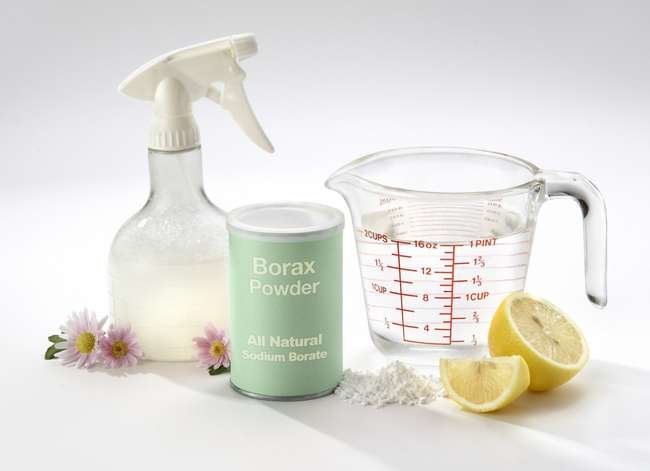
That unassuming box of borax in the laundry aisle may not have flashy packaging, a tropical fragrance, or a commercial featuring a sparkling kitchen. What it does have is versatility. Borax can boost detergent, loosen stubborn grime, neutralize odors, freshen drains, and help with several other household chores that usually require a small army of specialized products.
Also known as sodium tetraborate, borax is a naturally occurring mineral compound sold as a white powder. Because it is alkaline and dissolves in warm water, it can improve the performance of soaps and detergents, especially in homes with hard water. It is not magic dust, however, and it is not harmless simply because it comes from the ground. Poison ivy is natural too, and nobody invites that into the laundry room.
The following practical borax uses focus on cleaning, deodorizing, stain removal, and carefully controlled household applications. Always follow the directions on the product package, test surfaces and fabrics in an inconspicuous area, and keep borax away from children, pets, food, and curious adults who think internet health trends are a substitute for medical advice.
What Makes Borax Useful for Household Cleaning?
Borax is an alkaline mineral salt. When dissolved in water, it can help soften hard water by reducing the interference caused by calcium and magnesium. This gives laundry detergent and soap a better opportunity to lift oily residue, soil, and odors rather than spending all their energy arguing with the minerals in the water.
Its mild abrasive texture can also help loosen grime from durable surfaces. In solution, borax is useful for deodorizing washable fabrics, cleaning bathroom fixtures, refreshing trash cans, and tackling buildup in other moisture-prone areas. It should not be confused with baking soda, washing soda, boric acid, or an EPA-registered disinfectant. These products may look like relatives at a family reunion, but they have different chemical properties and appropriate uses.
Essential Borax Safety Rules
- Wear household cleaning gloves, particularly when handling concentrated solutions or dry powder.
- Avoid creating airborne dust, and work in an area with good ventilation.
- Never swallow borax or use it as a dietary supplement, skin treatment, bath additive, or personal-care ingredient.
- Do not mix borax with bleach, ammonia, drain opener, toilet cleaner, or other household chemicals.
- Store it in its original labeled container, securely out of reach of children and pets.
- Rinse cleaned surfaces thoroughly, especially anywhere that may contact food.
- Follow the care instructions for appliances, fabrics, countertops, flooring, and plumbing fixtures.
Borax cleans, but it should not automatically be treated as a disinfectant. When a surface requires disinfection because of illness, raw meat, sewage, or another biological hazard, use an EPA-registered disinfecting product according to its label.
1. Boost the Performance of Laundry Detergent
The laundry room is borax’s traditional habitat. Adding the label-recommended amount to a wash load can help detergent perform better, particularly when hard water leaves clothes looking dull or feeling less than fresh.
Place the borax where the package directions recommend, usually in the washer drum before adding clothes or in a designated dispenser if the appliance manufacturer allows it. Use your regular detergent as usual. Warm water helps dissolve the powder, but people using cold-water cycles can first dissolve it in a small container of warm water.
This method can be useful for everyday cotton clothing, towels, workwear, and washable bedding. Check care labels before treating delicate fabrics. Silk, wool, leather, embellished garments, and unstable dyes deserve more specialized care than the “throw in some powder and hope for character development” approach.
2. Presoak Stubborn Washable Stains
Old stains often survive because they have bonded with fabric fibers through repeated drying and general stubbornness. A borax presoak can help loosen some washable food, soil, perspiration, and organic stains before the garment enters the washing machine.
Follow the product label to prepare a diluted solution in a sink, bucket, or plastic tub. A commonly recommended method uses approximately one-half cup of borax per gallon of warm water, but package directions should take priority. Soak the washable item for about 30 minutes, occasionally moving it through the solution. Then launder it according to the garment’s care label.
Never place a stained item in the dryer until the mark is gone or significantly reduced. Dryer heat can set certain stains, turning a temporary laundry problem into a permanent design feature. Test colored fabrics first, and do not combine the presoak with chlorine bleach or unrelated stain removers.
3. Remove Musty Odors From Towels and Bedding
Towels can smell less like a mountain breeze and more like a forgotten gym locker when detergent residue, body oils, minerals, and moisture accumulate in the fibers. Borax can help detergent remove that buildup during a normal wash cycle.
Wash musty towels with the label-directed amount of borax and an appropriate quantity of detergent. Avoid pouring in extra detergent, since overdosing can contribute to the residue you are trying to remove. Choose the warmest water permitted by the fabric-care label and dry the items completely after washing.
Persistent odors may indicate a dirty washing machine rather than unusually rebellious towels. Clean the washer’s gasket, detergent drawer, filter, and drum according to the appliance manual. Leave the washer door or lid open between loads when safe to do so, allowing trapped moisture to evaporate instead of opening a small indoor resort for mildew.
4. Clean Bathroom Tile, Grout, and Shower Surfaces
Soap residue, body oils, and hard-water deposits can create a dull film on bathroom tile and grout. A diluted borax solution or lightly abrasive paste can help loosen this buildup on compatible surfaces.
For a small area, add enough warm water to borax to create a soft paste. Apply it with a damp sponge or soft-bristled brush, allow a few minutes of contact time, and scrub gently. Rinse the area thoroughly with clean water and dry it to reduce new water spots.
Test first, particularly on colored grout or specialty finishes. Avoid using abrasive borax mixtures on natural stone such as marble, travertine, or limestone unless the stone manufacturer specifically approves it. Those materials can be scratched or chemically damaged. Borax may help remove surface grime, but recurring mold usually signals a moisture or ventilation problem that cleaning alone cannot solve.
5. Tackle Toilet Bowl Stains
Mineral rings and general toilet-bowl discoloration often need contact time more than furious scrubbing. When the toilet will not be used for several hours, add borax according to the package instructions, distribute it around the bowl, and let it sit before brushing.
Some household-cleaning guides recommend leaving approximately one cup in the bowl overnight. In the morning, scrub with a toilet brush and flush. Never add borax when bleach tablets, acidic toilet cleaner, drain opener, or another chemical is already present. Mixing cleaning products is not an advanced cleaning technique; it is an excellent way to create an emergency.
If the toilet has severe orange, brown, or black staining that quickly returns, the cause may be hard water, iron, manganese, bacteria, or deterioration of plumbing components. A water test or plumbing inspection may provide a longer-lasting answer than repeatedly attacking the bowl with increasingly dramatic facial expressions.
6. Freshen Slow, Greasy Drains
Borax can help freshen a drain and loosen light grease or soap buildup, although it will not remove solid objects, repair damaged pipes, or defeat a clog large enough to have its own mailing address.
For a slow drain, some cleaning references suggest adding about one-half cup of borax followed by roughly two cups of very hot water. Allow the mixture to sit for 15 to 30 minutes, then flush with additional warm water. Use caution with boiling water, particularly if the home has PVC plumbing or delicate sink materials. Hot tap water may be the safer choice when the plumbing manufacturer discourages boiling water.
Do not use this technique before or after applying commercial drain opener, bleach, acid, or other chemicals. If water does not drain, stop adding products. Remove and clean the stopper or trap when appropriate, use a drain snake, or call a plumber. Chemistry should not become a substitute for retrieving the wad of hair that is clearly running the operation.
7. Refresh Plastic Outdoor Furniture
Patio chairs and tables collect pollen, dust, bird droppings, mildew stains, and the mysterious gray film produced by spending an entire season outdoors. Borax can be used in a diluted cleaning solution for many types of plastic outdoor furniture.
Mix approximately one teaspoon of borax and one teaspoon of mild dishwashing liquid into one quart of warm water. Apply the solution with a spray bottle, cloth, or soft brush. Scrub gently, paying attention to textured areas where grime likes to establish long-term residency. Rinse thoroughly with a garden hose and dry the furniture with a clean towel or in open air.
Test painted, coated, wood, metal, wicker, and fabric components separately because one patio chair can contain several materials with very different cleaning requirements. Prevent runoff from reaching lawns, vegetable gardens, ponds, or other plants, since excessive boron can damage vegetation.
8. Deodorize Trash Cans and Utility Bins
A trash can can be empty and still smell as though it remembers every onion peel that ever crossed its path. Borax helps loosen residue and neutralize odors in washable indoor and outdoor bins.
Remove all trash and debris, then wash the container with a diluted borax solution made according to the product label. Scrub the bottom, corners, lid, handles, and hinge areas with a long-handled brush. Rinse completely and allow the bin to dry before inserting a fresh liner.
Do not combine borax with bleach or other cleaners, even when the odor seems capable of negotiating its own television contract. For stronger contamination from raw meat, diapers, animal waste, or illness, clean first and then use a suitable disinfectant in a separate step, following its label. Keep wastewater away from storm drains, edible plants, and areas where pets drink or play.
9. Freshen Carpets and Treat Small Odor Spots
Borax can help with certain carpet odors and washable spots, but carpet treatment requires restraint. Excess powder can settle deep into the pile, and concentrated solutions may affect dyes, backing, adhesives, wool, or stain-resistant coatings.
For a small washable spot, blot up as much liquid as possible before applying anything. Test a diluted borax solution in a hidden location and allow it to dry completely. If no color change occurs, lightly treat the affected area without soaking the carpet. Blot rather than scrub, rinse carefully, and extract as much moisture as possible.
Some guides recommend sprinkling dry borax as a deodorizer, but this is a poor choice where children or pets may contact the powder. A safer approach is to keep everyone away during treatment and vacuum repeatedly with a well-maintained machine. For valuable rugs, wool carpet, widespread pet urine, sewage, or mold growth, hire a professional cleaner instead of staging an amateur chemistry festival in the living room.
10. Loosen Light Rust on Durable Tools
A paste made from borax and lemon juice is sometimes used to loosen light surface rust on sturdy steel tools, keys, and hardware. The lemon juice supplies acidity while the powder provides gentle abrasion.
Mix a small amount into a spreadable paste, apply it to the rusted spot, and let it work briefly. Scrub with a cloth, nylon brush, or other tool appropriate for the metal. Rinse away all residue, dry the object immediately, and apply a suitable protective oil if needed.
Always test the method first. Avoid it on antiques, valuable finishes, plated metals, electronic components, aluminum, natural stone, or objects whose manufacturer prohibits acidic or abrasive cleaners. Deep rust, pitting, or structural deterioration cannot be scrubbed back into sound metal. Sometimes a rusty fastener is not asking to be cleaned; it is submitting its resignation.
11. Preserve Flowers for Crafts and Displays
Borax is not limited to cleaning. Its moisture-absorbing qualities can help dry flowers for wreaths, shadow boxes, framed arrangements, and other crafts.
Create a drying medium by combining borax with a lightweight absorbent material such as cornmeal, using a tested flower-drying recipe. Place a layer in a lidded container, position the flowers carefully, and gently cover the petals and spaces between them. Seal the container and leave it undisturbed while the flowers dry. Timing varies by flower size, petal thickness, and humidity.
Work carefully because dried petals become fragile. Use a soft artist’s brush to remove remaining powder. Label the container clearly and never reuse the drying mixture for food. Keep the project away from children and pets. The finished flowers may look impressively preserved, but the powder is still a household chemical, not artisanal powdered sugar.
Should Borax Be Used to Control Ants or Cockroaches?
Borate compounds are used in registered products for ants, cockroaches, silverfish, and other pests. However, sprinkling loose borax along baseboards or mixing homemade bait with sugar, honey, or flour can expose children, pets, wildlife, and unsuspecting household members.
Choose an EPA-registered pest-control product designed for the specific insect, and follow its label exactly. Enclosed bait stations generally reduce exposure compared with loose powder, although they must still be placed where children and animals cannot reach them. Clean up food crumbs, repair leaks, seal cracks, and store pantry goods in durable containers. Pest control works best when the bugs lose both their food supply and their tiny unauthorized entrances.
A serious or recurring infestation may require a licensed pest-management professional. Avoid applying household borax to lawns, gardens, fruit trees, or soil without a professional soil test and guidance from a local extension specialist. Plants need boron only in small amounts, and the difference between deficiency and toxicity can be narrow.
Real-World Experience: What Happens When Borax Joins the Cleaning Routine?
The greatest practical benefit of borax is not that it performs one spectacular trick. It is that the same box can quietly support several ordinary chores. In a typical household routine, the most noticeable improvement often appears in the laundry room. Towels that have gradually developed a stale odor may come out fresher when borax is used correctly alongside detergent, particularly in hard-water areas. The result is rarely a perfume-cloud transformation. It is more satisfying than that: the towels simply smell clean instead of trying to tell the story of every humid bathroom they have ever known.
Presoaking also rewards patience. A stained cotton cleaning cloth or work shirt may not look dramatically different after five minutes, but a proper soak gives the alkaline solution time to loosen residue. The key lesson is to treat one item first rather than dropping an entire wardrobe into an experimental bucket. Testing may feel overly cautious until a dark red shirt decides it would prefer to become a pale pink shirt.
Bathroom cleaning provides another useful reality check. Borax can help remove dull soap film and grime from durable tile, yet it does not eliminate the reason mildew returns. After cleaning, improving ventilation, running the exhaust fan, drying shower walls, and repairing leaks make a larger long-term difference. The powder handles the visible mess; moisture control handles the plot.
Drain freshening is similarly helpful within limits. A modest amount of greasy buildup may respond to borax and hot water, but a drain blocked by hair, a dropped object, or damaged plumbing needs mechanical removal or professional repair. One of the most useful household skills is recognizing when a cleaning method has finished being a solution and started becoming procrastination.
Outdoor furniture may deliver the most visually rewarding result. A mild borax-and-soap solution can lift a surprising amount of gray residue from textured plastic. Working in small sections prevents the solution from drying on the surface, while a soft brush reaches grooves that a cloth misses. Thorough rinsing matters. More cleaner left behind does not mean more cleanliness; it simply means the chair is wearing cleaning residue as an accessory.
Flower preservation reveals a completely different side of the product. The process is slow, delicate, and pleasantly low-tech. Flowers with firm petals generally hold their shape better than thin, bruised, or already-wilting blooms. The first attempt may produce a few bent petals, but adjusting the way the drying mixture is poured makes later batches more attractive. It is the rare cleaning-aisle project that ends with a decorative bouquet instead of a damp sponge.
The broader lesson is that borax works best as a measured household helper, not an all-purpose miracle. Read the label, use small amounts, avoid random chemical combinations, and choose methods that match the material being cleaned. A box can last a long time when it is stored dry and used selectively. That makes borax economical, but its real value comes from replacing several overly specialized chores with a few careful, repeatable techniques.
Used responsibly, borax can earn a permanent spot in the laundry cabinet. It boosts detergent, helps release stains, freshens washable surfaces, and even preserves flowers. It cannot repair plumbing, cure mold problems, disinfect every surface, or transform a neglected house in one afternoon. Frankly, that would be an unreasonable workload for a cardboard box.