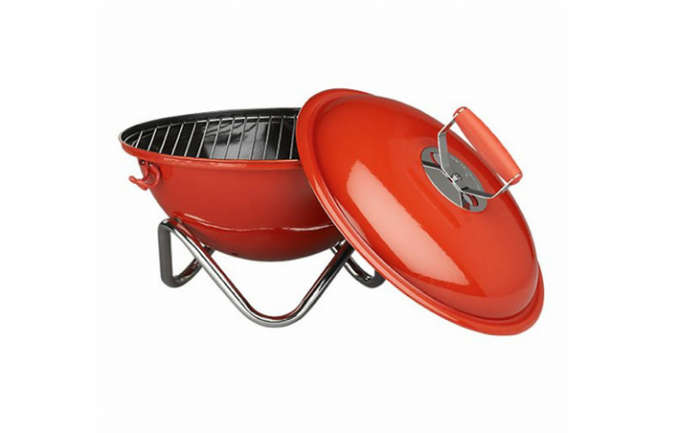
The Fyrkat Picnic Charcoal Grill is the kind of portable grill that looks like it wandered out of a design museum, smelled burgers in the distance, and decided to become useful. Created by Bodum, a brand better known for sleek coffee makers and kitchenware, the Fyrkat brings a little Scandinavian-style attitude to the old-school joy of charcoal grilling. It is compact, colorful, easy to carry, and built for the sort of outdoor meals where nobody wants to haul a grill the size of a washing machine across a parking lot.
At its heart, the Fyrkat Picnic Charcoal Grill is a small portable charcoal grill designed for picnics, camping, tailgating, beach days, terraces, balconies where allowed, and quick backyard meals. It is not trying to replace a full-size backyard smoker. It is not here to babysit a brisket for fourteen hours while you whisper encouragement to the bark. Instead, it is made for burgers, hot dogs, small steaks, fish, chicken pieces, portobello mushrooms, corn, peppers, and the happy little foods that cook quickly over live coals.
This guide breaks down what the Fyrkat Picnic Charcoal Grill is, how it performs, who it is best for, what to cook on it, how to use it safely, and what real-life experience with a compact charcoal grill like this actually feels like. Spoiler: it feels a lot like freedom, with a side of grilled onions.
What Is the Fyrkat Picnic Charcoal Grill?
The Fyrkat Picnic Charcoal Grill is a portable charcoal barbecue from Bodum’s FYRKAT line. Most product listings describe the larger picnic version as roughly 15 inches deep, 18 inches wide, and 15 inches high, with a round cooking area around 13 to 15 inches depending on the model and market version. That makes it small enough to move easily but large enough to cook a practical meal for two to four people.
The grill typically features an enamel-coated or powder-coated steel body, chrome-plated steel legs, a removable cooking rack, a charcoal grate, a lid, silicone clips, and a heat-resistant silicone handle. The handle is not just decorative. On many Fyrkat models, it also connects to the lid vent, allowing you to adjust airflow from the top. That is a clever little design touch, and clever little design touches are basically Bodum’s love language.
The grill’s main selling point is portability. The snap-on lid and silicone clips help secure the top for carrying after the grill has completely cooled. The compact body fits easily in a car trunk, patio corner, garage shelf, or camping setup. If your outdoor cooking life involves “grab it and go” rather than “assemble the command center,” the Fyrkat makes sense.
Design and Build Quality
A Small Grill With Big Personality
Many portable charcoal grills are practical but about as stylish as a toolbox wearing ash. The Fyrkat Picnic Charcoal Grill takes a different route. It has a rounded kettle-style shape, slim legs, a smooth lid, and color options that have included black, chrome, red, green, and other bright finishes over the years. It looks cheerful, modern, and slightly retro without trying too hard.
The enamel-coated steel body is meant to resist scratches and corrosion better than bare metal. That matters because portable grills live a rough life. They get loaded into cars, placed on picnic tables, used near sand, exposed to smoke, and occasionally judged by squirrels. The Fyrkat is not indestructible, but its materials are appropriate for a lightweight charcoal grill in this category.
Silicone Handle and Lid Clips
The silicone handle is one of the Fyrkat’s most recognizable details. It gives the grill a softer, more colorful look and is designed to stay cooler than bare metal. The silicone clips help lock the lid in place for storage and transport after the grill is fully cool. That last part matters: no portable charcoal grill should be moved while hot, unless your hobby is learning emergency-room vocabulary.
The clips are especially helpful for picnics and camping because they keep the grill components together. A loose grill lid in the trunk can rattle around like a tiny metal ghost. With the Fyrkat, everything feels more contained.
Cooking Capacity: What Can You Really Grill?
A portable grill always comes with one big question: can it actually cook enough food, or is it just a decorative charcoal bowl with ambition? The Fyrkat Picnic Charcoal Grill is generally large enough for four burgers, a few sausages, small fish fillets, chicken thighs, vegetables, or two modest steaks. It works well for couples, small families, roommates, or anyone who believes dinner tastes better outdoors.
For larger parties, it requires planning. You may need to cook in rounds: first burgers, then vegetables, then buns or fruit. That is not necessarily a problem. In fact, it can make the meal feel relaxed. People snack, talk, hover near the grill, offer advice nobody requested, and suddenly the cookout has become an event.
The Fyrkat is best for quick-cooking foods. Burgers, hot dogs, shrimp skewers, boneless chicken pieces, sliced zucchini, asparagus, mushrooms, corn halves, thin pork chops, and fish all make sense. Big roasts, whole chickens, ribs, and large cuts are less ideal because the compact firebox and limited airflow control make long, steady temperature management more challenging.
Charcoal Flavor in a Portable Package
The biggest reason to choose the Fyrkat over a small electric or propane grill is flavor. Charcoal gives food a distinct smoky edge that is difficult to fake. Fat drips onto hot coals, smoke rises, vegetables blister, and suddenly even a humble hot dog tastes like it has attended culinary school.
Because the Fyrkat is small, it heats quickly and does not require a mountain of charcoal. That is good news for casual grilling. A modest amount of briquettes or lump charcoal can create enough heat for a meal without wasting fuel. For best results, start with a small chimney starter or carefully lit charcoal briquettes. Wait until the coals are mostly covered in gray ash before cooking. This usually takes about 25 to 30 minutes, depending on weather, charcoal type, and how dramatically the wind decides to participate.
How to Use the Fyrkat Picnic Charcoal Grill
Step 1: Choose the Right Location
Place the grill outdoors on a flat, stable, heat-safe surface. Keep it away from siding, deck railings, dry grass, low branches, tents, vehicles, and anything that looks like it would panic near sparks. Charcoal grills produce carbon monoxide, so they must never be used indoors, inside garages, inside tents, inside campers, or in enclosed patios.
Step 2: Add Charcoal
Add a reasonable layer of charcoal to the charcoal grate. Do not overfill the bowl. On small grills, too much charcoal can create excessive heat and reduce control. A compact grill rewards patience and moderation. Think “campfire chef,” not “volcano intern.”
Step 3: Light the Coals Safely
A chimney starter is one of the cleanest ways to light charcoal because it avoids lighter-fluid flavors. If you use charcoal starter fluid, use only fluid designed for charcoal grilling, and never add it after the coals have already ignited. Gasoline is absolutely not an option. It belongs nowhere near your grill, your dinner, or your eyebrows.
Step 4: Wait for the Right Heat
Start cooking when the coals are glowing and covered with a light ash. If the flame is still wild, wait. Cooking over uncontrolled flames often leads to food that is burned outside, raw inside, and emotionally confusing.
Step 5: Cook in Zones When Possible
Even on a small grill, try to create a hotter side and a cooler side. Push more coals to one half and leave a lighter coal layer on the other. This gives you a direct-heat zone for searing and a gentler zone for finishing food or moving items away from flare-ups.
Food Safety Tips for Portable Charcoal Grilling
A picnic grill should be fun, but food safety is not optional. Use a food thermometer, especially for meat and poultry. Cook whole cuts of beef, pork, veal, and lamb to 145°F followed by a three-minute rest. Ground meats such as burgers should reach 160°F. Poultry should reach 165°F. Fish should reach 145°F or cook until the flesh is opaque and flakes easily.
Keep raw meat separate from cooked food. Do not use the same plate for raw burgers and finished burgers unless it has been washed. Bring clean utensils, paper towels, hand sanitizer, and a cooler with enough ice. Outdoor meals are charming until mayonnaise starts behaving like a science experiment.
After cooking, let the coals cool completely before disposal. Ash and charcoal can stay hot long after the meal ends. Dispose of cooled ashes in a metal container when possible. Never pack a warm charcoal grill into a vehicle or camper.
Best Foods to Cook on the Fyrkat Picnic Charcoal Grill
Burgers and Sliders
Burgers are the natural first test for the Fyrkat. Four standard patties usually fit comfortably, depending on size. For the best result, make patties slightly wider than the buns because they shrink while cooking. Season simply with salt, pepper, garlic powder, and maybe a little smoked paprika. Flip once or twice, avoid smashing them into sadness, and use a thermometer to confirm doneness.
Hot Dogs and Sausages
Hot dogs are nearly impossible to make boring on charcoal. Sausages also work beautifully, but they benefit from a medium heat zone so the casing does not burst before the inside is hot. Toast the buns for the final minute and pretend you planned everything this elegantly.
Fish and Shrimp
The Fyrkat’s compact cooking area is a good match for fish fillets, shrimp skewers, and small whole fish. Oil the grate well and avoid moving delicate fish too early. Lemon, herbs, garlic, and olive oil are enough. Charcoal will handle the rest.
Vegetables
Vegetables may be the secret stars of a small charcoal grill. Zucchini, bell peppers, mushrooms, asparagus, corn, onions, eggplant, and thick tomato slices all cook quickly and absorb smoky flavor. Brush them with oil, season with salt, and grill until tender with a little char.
Pros and Cons of the Fyrkat Picnic Charcoal Grill
Pros
The Fyrkat Picnic Charcoal Grill is stylish, compact, and easy to carry once cool. It uses real charcoal, so it delivers authentic grilled flavor. The removable cooking rack helps with cleaning, and the lid clips make transportation tidier. Its size is ideal for small meals, picnics, camping, and casual outdoor cooking.
Cons
The compact size limits cooking capacity. Airflow control is not as advanced as on larger kettle grills, especially if the model lacks a lower damper. That can make precise temperature management harder. The legs are lightweight, so the grill must be placed carefully on a stable surface. Also, because availability varies, shoppers may find some colors or models discontinued or sold through third-party marketplaces.
Fyrkat vs. Other Portable Charcoal Grills
Compared with classic portable kettle grills, the Fyrkat wins points for design and picnic-friendly styling. It looks less like camping equipment and more like something you would happily leave on a modern patio. Compared with larger portable grills, it is easier to move but less versatile for long cooks. Compared with disposable grills, it is more durable, more attractive, and far less wasteful.
Its closest competitors are small kettle grills from brands like Weber and other compact charcoal cookers. Those alternatives may offer better vent control, wider replacement-part availability, or larger cooking space. The Fyrkat’s edge is style, simplicity, and portability. It is a grill for people who care about how their gear looks as much as how it cooks.
Cleaning and Maintenance
Cleaning the Fyrkat is straightforward if you do it consistently. After the grill is completely cool, remove the cooking grate and brush away food residue. Empty the ash safely. Wipe the enamel-coated body with a damp cloth and mild soap if needed. Avoid harsh abrasives that could damage the finish.
Store the grill in a dry place. If you keep it outside, use a cover or place it under shelter. Portable grills are tougher than they look, but rain, humidity, and leftover ash can shorten their life. Ash absorbs moisture, and moisture plus metal is not a friendship anyone should encourage.
Who Should Buy the Fyrkat Picnic Charcoal Grill?
The Fyrkat Picnic Charcoal Grill is best for people who want a compact, attractive, real-charcoal grill for small outdoor meals. Apartment dwellers with legal outdoor grilling space, couples, campers, beachgoers, tailgaters, design lovers, and casual weekend grillers are the obvious audience.
It is not the best choice for someone who regularly cooks for eight people, wants to smoke ribs all afternoon, or needs highly precise airflow control. It is also not appropriate for indoor use, enclosed balconies, or buildings where charcoal grilling is prohibited. Always check local rules, lease terms, fire codes, and park regulations before lighting charcoal.
Practical Buying Tips
Because the Fyrkat has appeared in different colors and versions, check the exact model number, dimensions, condition, and included parts before buying. Look for the cooking grate, charcoal grate, lid, clips, legs, and handle. If buying used, inspect for rust, bent legs, missing clips, cracked silicone, and heavy enamel damage.
Also compare price with other portable charcoal grills. If the Fyrkat is priced reasonably, it can be a charming and useful purchase. If it is being sold as a rare design object at a dramatic markup, decide whether you want a grill or a small sculpture that occasionally smells like burgers.
Real-Life Experience: Living With the Fyrkat Picnic Charcoal Grill
Using a compact charcoal grill like the Fyrkat changes the rhythm of outdoor cooking. With a large backyard grill, people often act like they are operating a station. There are shelves, tools, thermometers, sauces, trays, and one person standing proudly in smoke like the mayor of Meat Town. The Fyrkat is different. It invites smaller meals, shorter prep, and more spontaneous plans.
Picture a Saturday afternoon picnic. You pack a cooler with four burger patties, sliced cheese, a bag of buns, pickles, corn, a few peppers, sparkling water, and one overly ambitious container of homemade sauce. The Fyrkat goes in the trunk beside a folding chair and a picnic blanket. It does not dominate the trip. It just comes along, like a friend who is small but surprisingly useful.
Once you arrive, setup feels simple. Find a legal grilling area, place the grill on level ground, add charcoal, and light it safely. The waiting period becomes part of the experience. You are not pushing a button and walking away; you are watching coals come alive. Someone asks when the food will be ready. Someone else offers to help and then immediately opens a bag of chips instead. This is the ancient social structure of grilling.
When the coals are ready, the Fyrkat performs best with a little organization. Because the cooking area is compact, you want food prepped before anything hits the grate. Burgers should be shaped. Vegetables should be sliced. Buns should be nearby. Tongs should not be buried at the bottom of the picnic bag under sunscreen and mystery napkins. Small grills reward calm cooks and punish chaos gently, usually by making you rotate food more often.
The first thing you notice is that charcoal flavor does not need a huge grill to show up. A burger cooked over a small bed of coals still gets that smoky, savory edge. Vegetables pick up char quickly. Corn becomes sweeter. Mushrooms turn juicy. Even plain buns taste better after a brief toast over fading heat. The Fyrkat makes simple food feel intentional.
There are limitations. Wind affects a small grill more than a large one. If the day is breezy, you may need to position the grill carefully and keep a closer eye on hot spots. You cannot load it with a dozen burgers and expect magic. You may cook in batches, which means the first round disappears before the second round is done. This is not a flaw so much as a reminder that hungry people move faster than recipe writers admit.
Cleanup is also part of the experience. You cannot simply close the lid and forget about it. Charcoal needs time to cool completely. That means the Fyrkat is best for relaxed outings where you are not racing to leave five minutes after eating. Let the coals die down, enjoy the park, pack the food, wipe the table, and give the grill the time it needs. Once cool, the lid clips make carrying easier and cleaner.
On a patio, the Fyrkat feels equally useful. It is excellent for weeknight grilling when firing up a full-size grill feels excessive. Two pieces of chicken, a few skewers, or a quick vegetable dinner are exactly its lane. It makes outdoor cooking feel accessible. You do not need a massive yard, a huge grill station, or a sacred barbecue apron. You need safe outdoor space, charcoal, food, and enough patience to let the coals get ready.
The most enjoyable part is the mood it creates. The Fyrkat Picnic Charcoal Grill is small enough to keep things casual but real enough to make dinner feel special. It turns “we should eat something” into “let’s grill.” That difference matters. A compact charcoal grill encourages people to step outside, slow down, and make food with a little smoke, a little heat, and a little theater.
Conclusion
The Fyrkat Picnic Charcoal Grill is not trying to be the biggest or most technical portable grill on the market. Its appeal is more specific: it is compact, stylish, easy to transport, and capable of delivering real charcoal flavor in small outdoor spaces. For picnics, camping trips, tailgates, terraces, and casual backyard meals, it offers a satisfying balance of design and practicality.
Its limitations are worth understanding. Cooking space is modest, temperature control is basic, and availability can vary by model and color. But for the right user, those trade-offs are easy to accept. The Fyrkat is for people who want a charming portable charcoal grill that looks good, cooks well, and makes outdoor meals feel more memorable than another sad sandwich eaten over the sink.
Use it safely, keep it outdoors, let the coals cool completely, and cook with a thermometer when grilling meat. Do that, and the Fyrkat Picnic Charcoal Grill can become a dependable little companion for flavorful meals under open sky.
Note: This article synthesizes real product specifications, retailer descriptions, grilling safety guidance, food-safety recommendations, and practical charcoal-grilling experience. Source links are intentionally not displayed in the article body.