Some everyday objects look completely harmless sitting in your kitchen, closet, car, or backpack. A roll of duct tape. A bag of candy. A pair of sunglasses. A wristwatch. Nothing about them screams “battlefield innovation,” unless your kitchen junk drawer is more dramatic than most. Yet many ordinary items have surprising military roots. Some were invented directly for troops, while others were shaped, funded, tested, or popularized because armies needed better food, faster communication, stronger gear, safer navigation, or simply chocolate that would not melt into sadness.
The history of military inventions is not just about tanks, aircraft, or classified technology. It is also about problem-solving under pressure. War has often forced designers, scientists, cooks, engineers, and manufacturers to solve basic human problems: How do you preserve food for months? How do you keep soldiers dry? How do pilots protect their eyes? How do people coordinate action down to the second? The answers eventually escaped the barracks and marched straight into civilian life.
Below are 10 everyday items with a surprising military past, explained in a practical, story-driven way. You may never look at your pantry, closet, or GPS app the same way again.
1. Duct Tape: The Battlefield Fix-It Legend
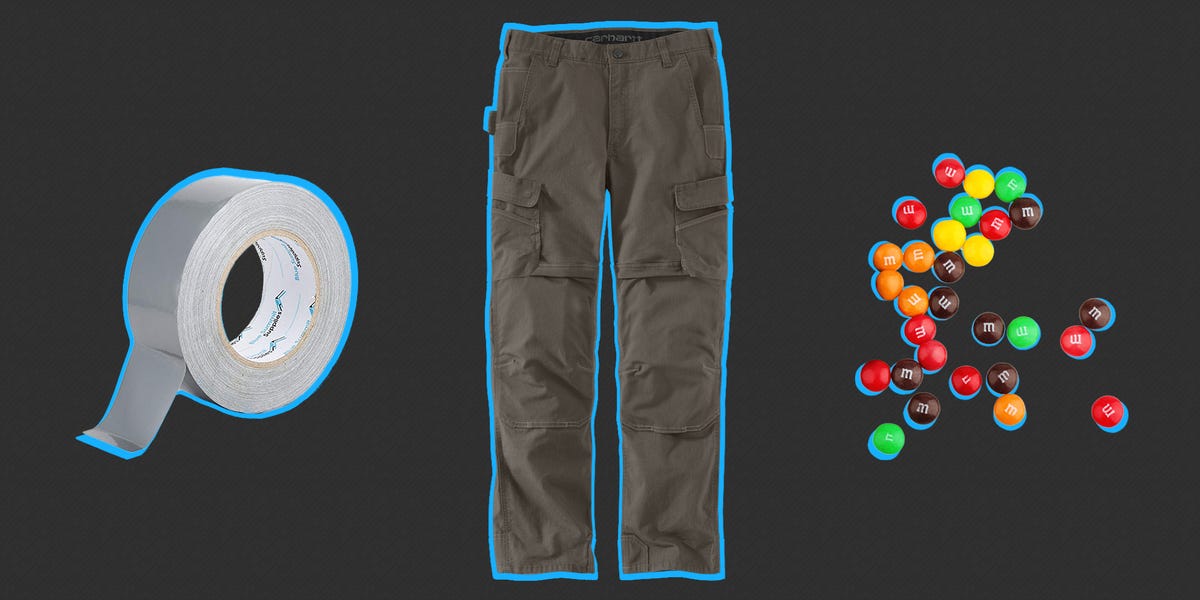
Duct tape may be the closest thing humanity has to a universal repair spell. Broken tent? Duct tape. Loose cable? Duct tape. School project collapsing five minutes before the deadline? Duct tape and a prayer. Its military story begins during World War II, when factory worker Vesta Stoudt noticed a serious problem with ammunition boxes. The paper tape used to seal them could be difficult to open quickly, especially under pressure.
Stoudt proposed a stronger, waterproof cloth tape that could seal ammunition cases while still being easy to tear by hand. Johnson & Johnson’s Permacel division helped produce the material, and soldiers quickly discovered that the tape was good for much more than ammo boxes. It could patch equipment, repair vehicles, cover cracks, and hold things together in rough field conditions.
After the war, the tape entered civilian life and became popular in construction, household repairs, camping, and emergency kits. Its military past explains why it is so durable: duct tape was not born to look tidy in a drawer. It was born to solve problems fast when failure was not an option.
2. Canned Food: Napoleon’s Army Needed Dinner
Canned food is one of those things we take for granted until a storm, power outage, or late-night laziness makes it feel heroic. Its origin story is deeply tied to military logistics. In the late 18th century, Napoleon Bonaparte needed a reliable way to feed French troops during long campaigns. Fresh food spoiled quickly, and hungry armies do not exactly perform at their best.
In 1795, the French government offered a cash prize for a method of preserving food. Nicolas Appert, a French confectioner and inventor, eventually developed a process that involved sealing food in containers and heating it. His method helped lay the foundation for modern canning, even though early versions used glass jars before metal cans became common.
Today, canned soup, beans, tuna, tomatoes, and vegetables are pantry staples. They are cheap, portable, and shelf-stable. What began as a way to keep armies fed now helps college students, busy parents, campers, and anyone who has ever thought, “Dinner will be whatever is in this can.”
3. The Wristwatch: From Trench Tool to Everyday Accessory
Before wristwatches became normal for everyone, many men carried pocket watches. That worked fine in peaceful settings, but it was not ideal in muddy trenches, aircraft cockpits, or fast-moving military operations. During World War I, timing became essential. Artillery barrages, infantry advances, aircraft missions, and supply movements required coordination. Digging around for a pocket watch was not exactly convenient when every second mattered.
Wristwatches became practical tools for soldiers because they allowed quick time checks without using both hands. Many early military wristwatches had sturdy straps, readable faces, luminous markings, and protective covers. The watch moved from being viewed largely as jewelry to being recognized as useful equipment.
After the war, veterans returned home wearing wristwatches, and the habit spread. Modern smartwatches may track sleep, steps, texts, and heart rate, but their great-grandparent was a tough little battlefield timekeeper. The wristwatch’s military past is a reminder that convenience often becomes fashionable only after it proves useful.
4. The Trench Coat: Rainwear With Rank
The trench coat is now associated with detectives, movie stars, office commuters, and people who somehow look elegant in bad weather. But its name is not decorative. The trench coat became iconic during World War I, when officers needed outerwear that was lighter and more practical than heavy greatcoats. Trench warfare was cold, muddy, wet, and miserable; clothing had to protect the wearer while still allowing movement.
Classic trench coat details reflect that military environment. Shoulder straps, storm flaps, belts, deep pockets, and durable water-resistant fabrics all served practical purposes. The coat helped officers carry gear, shed rain, and move through rough conditions. It was not originally designed for walking confidently into a coffee shop, though it does that job very well now.
After the war, the trench coat transitioned into civilian fashion. Hollywood helped turn it into a style icon, but its original appeal came from function. It looked sharp because it was built with purpose. That is why a good trench coat still feels timeless: it combines utility, structure, and just enough mystery to make anyone look like they know where the secret documents are hidden.
5. The Jeep: From Military Workhorse to Weekend Adventure Machine
Modern Jeep vehicles are associated with off-road trails, beach roads, mountain trips, and drivers who wave at each other like members of a secret club. The original military Jeep, however, was created to meet the U.S. Army’s need for a light, rugged, four-wheel-drive reconnaissance and utility vehicle during World War II.
The Willys MB became one of the most recognizable vehicles of the war. It could move across rough terrain, carry personnel, transport supplies, tow equipment, and go places larger vehicles could not. Soldiers valued it because it was tough, simple, and adaptable. It was less about comfort and more about getting the job done.
After World War II, the Jeep’s design influenced civilian vehicles built for farming, exploration, utility work, and recreation. The basic idea of a compact, durable, go-anywhere vehicle became deeply appealing outside military life. Today’s SUVs and off-road vehicles owe part of their popularity to that wartime demand for mobility. In other words, your weekend adventure vehicle may have inherited its attitude from a battlefield workhorse.
6. Aviator Sunglasses: Built for Pilots Before They Became Cool
Aviator sunglasses are now a global fashion staple. They show up on celebrities, travelers, police officers, musicians, and people trying to look calm while parallel parking. But their original purpose was practical: military pilots needed eye protection during high-altitude flight.
In the 1930s, pilots faced harsh glare, bright sunlight, and eye strain. Early aviation goggles could be bulky or uncomfortable. Companies such as American Optical and Bausch & Lomb developed sunglasses for U.S. military aviators, including designs with large lenses that helped block peripheral light. Ray-Ban’s classic aviator style was designed for pilots and later became available to the public.
The teardrop shape was not just stylish; it helped cover more of the pilot’s field of vision. The lenses reduced glare while preserving visibility. Over time, aviators moved from cockpit gear to pop-culture icon. Their military past explains why the design still feels functional. They were made for people who needed to see clearly in extreme conditions, which is also helpful when driving west at sunset and regretting every life choice that put you on that road.
7. The Microwave Oven: From Radar Research to Leftover Pizza
The microwave oven may be the most underappreciated kitchen appliance in America. It reheats coffee, rescues leftovers, softens butter, and makes popcorn while asking for almost no respect. Its roots go back to radar technology developed during World War II.
Engineer Percy Spencer was working with magnetrons at Raytheon when he noticed that microwave energy could heat food. The story is often told with a candy bar melting in his pocket, which sounds like the most delicious lab accident in history. Raytheon later developed the Radarange, an early commercial microwave oven. The name itself hinted at radar origins.
Early microwave ovens were large, expensive, and far from the compact countertop models we know today. Over time, the technology became smaller, cheaper, and more practical for home kitchens. What began with military radar research eventually became the appliance that lets people reheat lasagna in two minutes and then burn their tongue because patience is apparently too much to ask.
8. M&M’s: Candy That Survived the Heat
M&M’s may look like cheerful little chocolate buttons, but they have a surprisingly practical wartime history. During World War II, the candy was sold exclusively to the U.S. military for a period because its hard sugar shell helped prevent the chocolate from melting easily. That made it useful for soldiers’ rations, especially in warm climates.
The idea of candy that “melts in your mouth, not in your hand” was not just a catchy slogan; it described a real advantage. Troops needed food that was portable, durable, and morale-boosting. Chocolate could provide quick energy and comfort, but plain chocolate did not always travel well in heat. A protective coating helped solve the problem.
After the war, returning soldiers already knew the candy, and civilian demand grew. M&M’s became one of the most recognizable candies in the world. Its military connection is a perfect example of how practical design can become fun. A candy engineered to survive tough conditions now survives movie nights, Halloween buckets, road trips, and the mysterious disappearance of snacks from kitchen cabinets.
9. GPS: From Military Navigation to “Turn Left in 500 Feet”
GPS feels so ordinary now that it is easy to forget how extraordinary it is. Your phone can locate you, guide you through traffic, help delivery drivers find your door, track a run, tag a photo, or save you from pretending you know where you are. The Global Positioning System began as a U.S. military navigation system.
Developed by the U.S. Department of Defense, GPS uses satellites, ground control, and receivers to provide positioning, navigation, and timing information. It was built to solve a serious military problem: knowing exactly where forces, vehicles, ships, aircraft, and equipment were located. Accurate navigation can determine whether a mission succeeds or fails.
Over time, GPS became available for civilian use and transformed daily life. Aviation, shipping, farming, emergency response, banking, mapping, fitness apps, and rideshare services all depend on precise timing and location data. The next time your phone calmly reroutes you around traffic, remember that the same basic system grew from military navigation needs. Also remember to thank it when it saves you from taking the wrong exit for the third time.
10. The Internet: A Defense Research Project That Changed Everything
The internet is not a single “item” in the same way duct tape is, but it is too important to leave off this list. Its roots trace back to ARPANET, a pioneering computer network funded by the Advanced Research Projects Agency, now known as DARPA. The goal was to explore ways for computers in different locations to share resources and communicate.
ARPANET sent its first computer-to-computer message in 1969, connecting research institutions and laying groundwork for later networking technologies. Over the following decades, researchers developed protocols that allowed separate networks to connect and exchange information. The National Science Foundation later played a major role in expanding academic networking and helping move the internet toward broader public and commercial use.
Today, the internet supports education, entertainment, business, banking, medicine, publishing, social life, and approximately 42 million arguments about whether pineapple belongs on pizza. Its military research past shows how a technology created for resource sharing and resilient communication became the backbone of modern life.
Why Military Innovation Often Becomes Civilian Convenience
The items above share a pattern. Military environments create intense pressure. Equipment has to be durable. Food has to last. Communication has to work. Transportation has to be reliable. Clothing has to protect people from weather and terrain. Timing has to be exact. These demands push invention forward because the cost of failure is high.
Once a solution proves itself in military use, companies often adapt it for civilian life. The rough edges get smoothed out. Costs drop. Designs improve. A battlefield necessity becomes a household product, a fashion item, a medical tool, or a digital service. This does not mean war is good for innovation in a simple or cheerful way. It means human beings often learn under pressure, and society later repurposes those lessons for safer, ordinary settings.
That is why military-origin everyday items are so fascinating. They reveal hidden histories inside familiar objects. The things we use casually may have been designed for survival, logistics, speed, or coordination. Behind the convenience is a story of adaptation.
Real-Life Experiences: Noticing the Military Past in Everyday Objects
Once you learn the military background of everyday items, you start seeing your surroundings differently. A normal morning can suddenly feel like a miniature museum tour. You check the time on your wristwatch or smartwatch and realize that fast, hands-free timekeeping became mainstream because soldiers needed coordination in harsh conditions. You open the pantry and see canned beans or soup, and the label no longer looks boring. It becomes part of a long story about feeding people when fresh food was impossible to carry.
Then you grab a jacket on a rainy day. If it has the shape or details of a trench coat, you can almost trace its design back to muddy World War I conditions. The belt, storm flap, and practical silhouette are not just fashion choices. They are echoes of weather, movement, and utility. Even if you are only walking to a bus stop, the coat carries a little bit of history with every button.
The same thing happens in the kitchen. A microwave feels ordinary until you remember that radar research helped make it possible. Suddenly, reheating leftovers becomes a tiny science lesson. It is funny to think that a technology connected to advanced wartime radar now mostly helps people revive pizza, warm oatmeal, and make popcorn during movie night. That contrast is part of what makes these histories so memorable.
Duct tape may be the best example because almost everyone has used it in a moment of mild panic. A box splits open. A cable needs securing. A temporary repair has to last “just until tomorrow,” which often becomes three years. Knowing duct tape was created to help seal ammunition cases and survive rough military conditions makes its stubborn usefulness make sense. It was never meant to be delicate. It was meant to work.
Even snacks feel different. A pack of M&M’s seems playful, colorful, and harmless, but its heat-resistant shell connects it to military rations and the practical challenge of carrying chocolate in difficult climates. That does not make the candy less fun. If anything, it makes it more interesting. It proves that good design can be both useful and enjoyable.
Navigation may be the most dramatic everyday example. Many people use GPS without thinking about satellites, defense systems, atomic timing, or global infrastructure. You simply type in a destination and follow the blue line. But behind that simple action is one of the most important military-to-civilian technology transfers in modern history. GPS has changed how people travel, farm, ship goods, respond to emergencies, and explore unfamiliar places.
The internet is even bigger. Students research homework, writers publish articles, businesses sell products, families video chat, and communities form across continents. Yet the early networking research that helped lead to the internet was connected to defense-funded projects. The result is a daily tool so common that many people only notice it when the Wi-Fi stops working and everyone in the room suddenly becomes a philosopher of suffering.
The experience of learning these stories adds depth to ordinary life. It reminds us that objects are not just objects. They are solutions. They carry the fingerprints of inventors, workers, engineers, soldiers, companies, governments, and everyday users who adapted them over time. A can of soup, a pair of sunglasses, a strip of tape, or a map app can become a doorway into history. That is the real surprise: the past is not locked away in museums. Sometimes it is sitting in your glove compartment, pantry, pocket, or junk drawer.
Conclusion: Everyday Items With Extraordinary Backstories
The most surprising thing about these 10 items is not simply that they have military connections. It is how completely they have blended into civilian life. Duct tape became a household repair hero. Canned food became pantry insurance. Wristwatches became personal style and wearable technology. Trench coats became timeless fashion. Jeeps became adventure icons. Aviator sunglasses became cool. Microwaves became kitchen essentials. M&M’s became candy classics. GPS became daily navigation. The internet became the platform on which modern life runs.
Each item proves that innovation often travels strange roads. A product may begin as a response to hunger, weather, glare, distance, timing, or communication under pressure. Later, it becomes something ordinary, even fun. That journey from military problem-solving to everyday convenience is what makes these objects worth noticing.
So the next time you tear off a strip of duct tape, open a can of soup, put on sunglasses, follow GPS directions, or microwave leftovers, remember: your daily routine may be more historically dramatic than it looks. The past is hiding in plain sight, and sometimes it is holding your sandwich together.