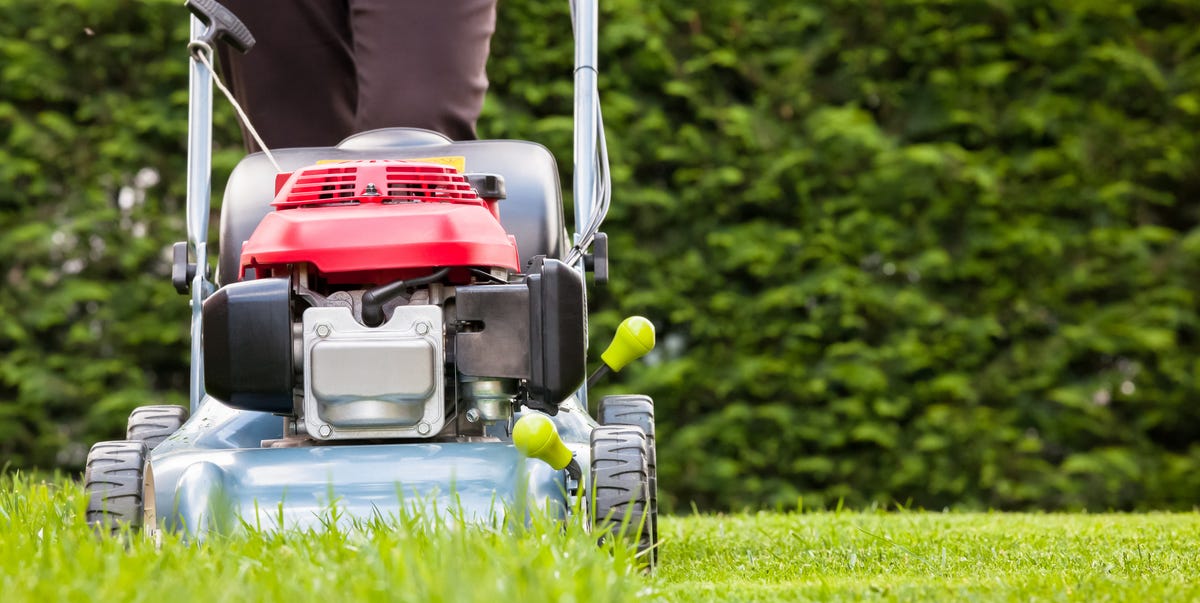
Every spring, homeowners across America perform the same little ritual: they stare out the window, spot a few green blades, and think, “Is it mower time, or am I about to commit turf crimes?” It is a fair question. Start too early, and you can stress grass that is barely waking up. Wait too long, and your yard turns into a shaggy jungle that makes your mower sound like it is negotiating a hostage situation.
For spring 2025, the smartest answer is not a date on the calendar. It is a combination of grass type, weather, soil conditions, and grass height. In other words, your lawn does not care that it is April. It cares whether it is actively growing, dry enough to mow, and tall enough to cut without getting scalped.
If you want the short version, here it is: start mowing in spring when your lawn has clearly broken dormancy, the grass is actively growing, the ground is not soggy, and your first cut will remove no more than one-third of the blade. That is the rule that matters most. Everything else is supporting cast.
The Short Answer: Do Not Mow by Date Alone
There is no universal “first mowing day” for the United States. A lawn in Georgia may wake up weeks before one in Minnesota. Even two yards in the same neighborhood can be on different schedules depending on shade, drainage, slope, and grass type. Spring 2025 is no exception.
Instead of circling a weekend on the calendar, use these three signs to decide whether your lawn is ready:
1. Your Grass Is Actively Growing
If the lawn still looks mostly brown, straw-like, or sleepy, hold off. A lawn ready for its first cut will show fresh green growth, not just a few hopeful sprouts here and there. Cool-season grasses often wake up earlier in spring. Warm-season grasses usually need more consistent warmth before they really get moving.
2. Temperatures Are Consistently Mild
Cool-season grasses such as Kentucky bluegrass, perennial ryegrass, and tall fescue tend to grow once spring temperatures settle into a milder pattern. Warm-season grasses such as bermudagrass, zoysiagrass, centipedegrass, and St. Augustinegrass usually need warmer conditions and a fuller green-up before regular mowing begins. A random warm weekend is not a green light. Grass likes stability more than drama.
3. The Grass Is Tall Enough for a Safe First Cut
The one-third rule is your best friend in spring. Never remove more than one-third of the blade in a single mowing. That means if you maintain cool-season grass around 3 inches, you should usually mow when it reaches about 4 to 4.5 inches. If you keep it closer to 3.5 inches, mow when it reaches about 5 inches. For lower-growing warm-season lawns, the numbers change, but the rule does not.
Why Grass Type Changes Everything
One of the biggest spring lawn mistakes is treating all turf like it has the same personality. It does not. Lawns are a lot like relatives at Thanksgiving: similar on paper, wildly different in practice.
Cool-Season Grasses
Cool-season lawns dominate much of the Northeast, Midwest, Pacific Northwest, and parts of the transition zone. These grasses grow most actively in cooler weather, which means they often wake up early in spring and may need regular mowing sooner than southern lawns.
If you have tall fescue, Kentucky bluegrass, or ryegrass, your first mow in spring 2025 will usually happen once the lawn is visibly green and tall enough that you can cut it back to around 3 to 4 inches without removing too much at once. These grasses generally perform best when kept on the taller side, especially as temperatures climb later in the season.
Warm-Season Grasses
Warm-season lawns are common across the South and lower transition zone. They stay dormant longer, then really take off once warmer weather settles in. If you mow too early, while the turf is still partly dormant, you can weaken it or create an uneven, patchy look.
For bermudagrass and some zoysiagrass lawns, experienced homeowners may do a lower cleanup cut around green-up to remove dormant material and encourage fresh growth. But that is not a one-size-fits-all move. If you are not sure about your grass type, it is safer to wait for active growth and start with a higher setting than to scalp the lawn and regret your choices while staring at a tan patchy yard for three weeks.
General Spring 2025 Timing by Region
These are broad, realistic windows, not hard deadlines:
Northern States
Many cool-season lawns begin needing their first mow from early April into May, depending on snow melt, rainfall, and temperature swings. In a colder spring, late April or early May is common.
Transition Zone
In areas where both cool-season and warm-season grasses are used, timing varies widely. Tall fescue lawns may need mowing in early to mid-spring, while warm-season lawns may not be truly ready until later in spring.
Southern States
Some warm-season lawns begin greening up in March, but regular mowing often makes more sense in April or later, once growth is consistent. If the lawn is still half-asleep, do not rush it. Your mower is not a motivational speaker.
How to Prepare for the First Mow
Before you yank the starter cord and head into battle, do a little prep. The first mow of spring is not just about cutting grass. It is about setting the tone for the whole season.
Rake Up Winter Debris
Pick up sticks, branches, matted leaves, and anything else winter left behind. Hidden debris can dull blades, clog the mower, and leave ugly clumps across the lawn.
Make Sure the Lawn Is Dry
Do not mow wet grass. Wet turf tears instead of cutting cleanly, clippings clump, mower decks clog, and disease can spread more easily. Wait until dew is gone and the ground feels firm, not squishy.
Sharpen the Blade
A sharp blade makes a clean cut. A dull blade shreds the grass, leaving ragged brown tips that make the lawn look stressed even when it is healthy. If your yard looked fuzzy and sad last year after mowing, your blade may have been the problem, not your lawn.
Set the Mower High
For the first mow of spring, a higher setting is usually the smart move, especially if the lawn grew unevenly. You can always adjust later. You cannot un-scalp a lawn.
Best Mowing Heights for Spring Lawns
The exact height depends on the species, but these ranges are a good practical guide for many home lawns:
Cool-Season Lawns
Most cool-season grasses do well around 3 to 4 inches. Taller mowing helps shade the soil, support roots, and reduce weed pressure.
Warm-Season Lawns
Warm-season grasses vary more:
- Bermudagrass: often around 1 to 2 inches
- Zoysiagrass: often around 1.5 to 2.5 inches
- Centipedegrass: often around 1.5 to 2 inches
- St. Augustinegrass: often around 2.5 to 4 inches, depending on cultivar and conditions
If you do not know your grass type, do not guess aggressively. Start higher, observe the lawn, and adjust gradually. Spring is not the season for bold lawn experiments unless you enjoy spending money on repair seed.
What Time of Day Is Best for Spring Mowing?
Midmorning is often ideal. By then, the dew has usually dried, but the heat of the day has not kicked in yet. Early evening can also work in many places if the lawn is dry. Avoid mowing when the grass is wet in the morning or during the hottest part of the afternoon when both you and your turf are more likely to suffer.
Common Spring Mowing Mistakes to Avoid
Mowing Too Early
If the grass is barely growing, mowing can slow recovery from dormancy. Patience is a lawn-care skill, not a character flaw.
Cutting Too Much at Once
This is the classic spring mistake. Homeowners wait too long, panic, then remove half the blade in one go. The lawn responds by looking shocked, because it is.
Mowing Too Short
Scalping weakens turf, exposes soil, and opens the door to weeds. Taller grass is usually healthier grass, especially in spring and summer.
Mowing When It Is Wet
This creates clumps, uneven cuts, rutting, and a bigger chance of disease problems. If your shoes sink into the yard, your mower should stay in the garage.
Bagging Every Clipping
Unless the clippings are excessive, diseased, or clumpy, leaving them on the lawn is usually beneficial. Grasscycling returns nutrients to the soil and saves time. Which is excellent news for anyone who enjoys fewer yard chores.
What About Fertilizer, Weeds, and Bare Spots?
Spring mowing does not happen in isolation. It overlaps with fertilizing, overseeding, and weed control, so timing matters.
Cool-Season Lawns
If your cool-season lawn was fertilized well in fall, you may not need a heavy spring feeding. Too much spring nitrogen can push weak top growth and increase mowing headaches. A light spring feeding may help struggling turf, but more is not always better.
Warm-Season Lawns
Warm-season grass should generally be fertilized after full green-up, not while it is still dormant or only half awake. Feeding too early is like serving breakfast to someone who is not even out of bed yet.
If You Overseeded
New grass should generally be mowed only once it reaches mowing height, often around 3 to 4 inches, and the soil is dry enough to avoid pulling seedlings loose. Use a sharp blade and keep foot traffic light.
Spring 2025 Lawn-Care Checklist
- Identify your grass type before changing mower height
- Wait for visible active growth, not just a warm weekend
- Do not mow wet grass
- Follow the one-third rule every single time
- Start the season with a sharp mower blade
- Mow higher rather than lower if you are unsure
- Leave clippings unless they are diseased or too thick
- Adjust your schedule to growth rate, not habit
Real-World Experiences Homeowners Have When Spring Mowing Begins
One of the funniest parts of spring lawn care is how personal the first mow feels. Some people treat it like opening day at a baseball stadium. The mower gets tuned. The fuel gets topped off. The sneakers come out. Then they step onto the lawn, feel the ground still squish underfoot, and realize nature has politely declined their enthusiasm.
A very common experience is the “false spring” mistake. A homeowner gets two warm days in a row, sees a slight green tint, and decides the lawn is ready. After mowing, the yard looks pale, ragged, and strangely offended. Why? Because the grass was not really growing yet. It was just thinking about it. This is one of the best reminders that a lawn should be read like a plant, not like a wall calendar.
Another classic spring experience is waiting too long. Life gets busy, rain keeps falling, and suddenly the yard has crossed the line from “needs a mow” to “possibly contains wildlife.” Then comes the first cut, and because the grass is too tall, the mower leaves behind clumps, tracks, and a patchy finish. Many homeowners learn the hard way that the first mow is easier when it happens a little earlier in the growth cycle, not after the grass has staged a full rebellion.
Then there is the wet-grass lesson. Almost everyone does it once. You look outside, the sun is shining, and you think the lawn must be dry enough by now. Five minutes later the mower deck is packed with green slime, clippings are spitting out in soggy blobs, and the yard looks like it was shaved with a butter knife. It is a messy rite of passage.
There are also the satisfying spring wins. Homeowners who wait for steady growth, mow high, and use a sharp blade often notice that the lawn greens up faster and looks thicker after only a couple of cuts. The yard starts to look intentional again instead of winter-weary. Neighbors may even give that subtle nod that says, “Ah yes, someone here knows what they are doing.”
Families with kids and pets often mention another real-world detail: once regular mowing begins, the whole yard feels usable again. The lawn becomes less like a muddy transition zone and more like a real outdoor room. That first successful mow of spring is often the moment when the backyard season officially begins.
And finally, there is the experience of learning your own lawn over time. After a few seasons, homeowners start to recognize the signs. The shady side wakes up later. The strip by the driveway grows faster. The backyard stays wetter after rain. These small observations matter more than any fixed date. The best lawn-care instinct usually comes from paying attention, season after season, until the yard practically tells you what it wants.
Conclusion
So, when should you start mowing your lawn in spring 2025? Not when your neighbor does. Not when the hardware store puts mowers on sale. And definitely not because one sunny Saturday made you feel optimistic.
Start mowing when the grass is actively growing, dry enough to cut cleanly, and tall enough that you can follow the one-third rule. Cool-season lawns usually get there earlier. Warm-season lawns usually need more patience. Keep your mower blade sharp, your deck height sensible, and your expectations flexible.
That is the real formula for a healthy lawn in spring 2025: watch the grass, not the calendar. Your lawn will thank you by looking greener, thicker, and a whole lot less grumpy.
Note: This article is written in standard American English for a general U.S. audience, based on real lawn-care guidance. Source links are intentionally omitted for publication use, and unwanted citation placeholders have been removed.