A cashier’s check is one of those financial tools that sounds like it belongs behind a velvet rope at a bank branch, next to a brass pen and a serious-looking teller. But in real life, it is simply a secure payment method used when a regular personal check feels too flimsy for the job. Think buying a car, putting money down on a house, paying a security deposit, or settling a large transaction where nobody wants to hear the dreaded words: “The check bounced.”
In plain English, a cashier’s check is a check issued and guaranteed by a bank or credit union. You give the bank the money first, the bank creates the check, and the recipient receives a payment backed by the financial institution rather than by your personal checking account. That makes it more trusted than a personal check, although not magically risk-free. Fake cashier’s checks exist, scammers love them, and losing one can turn a simple errand into a paperwork obstacle course.
This guide explains what a cashier’s check is, how it works, when to use one, how much it may cost, how it compares with money orders and wire transfers, and how to avoid cashier’s check fraud without needing a finance degree or a magnifying glass.
What Is a Cashier’s Check?
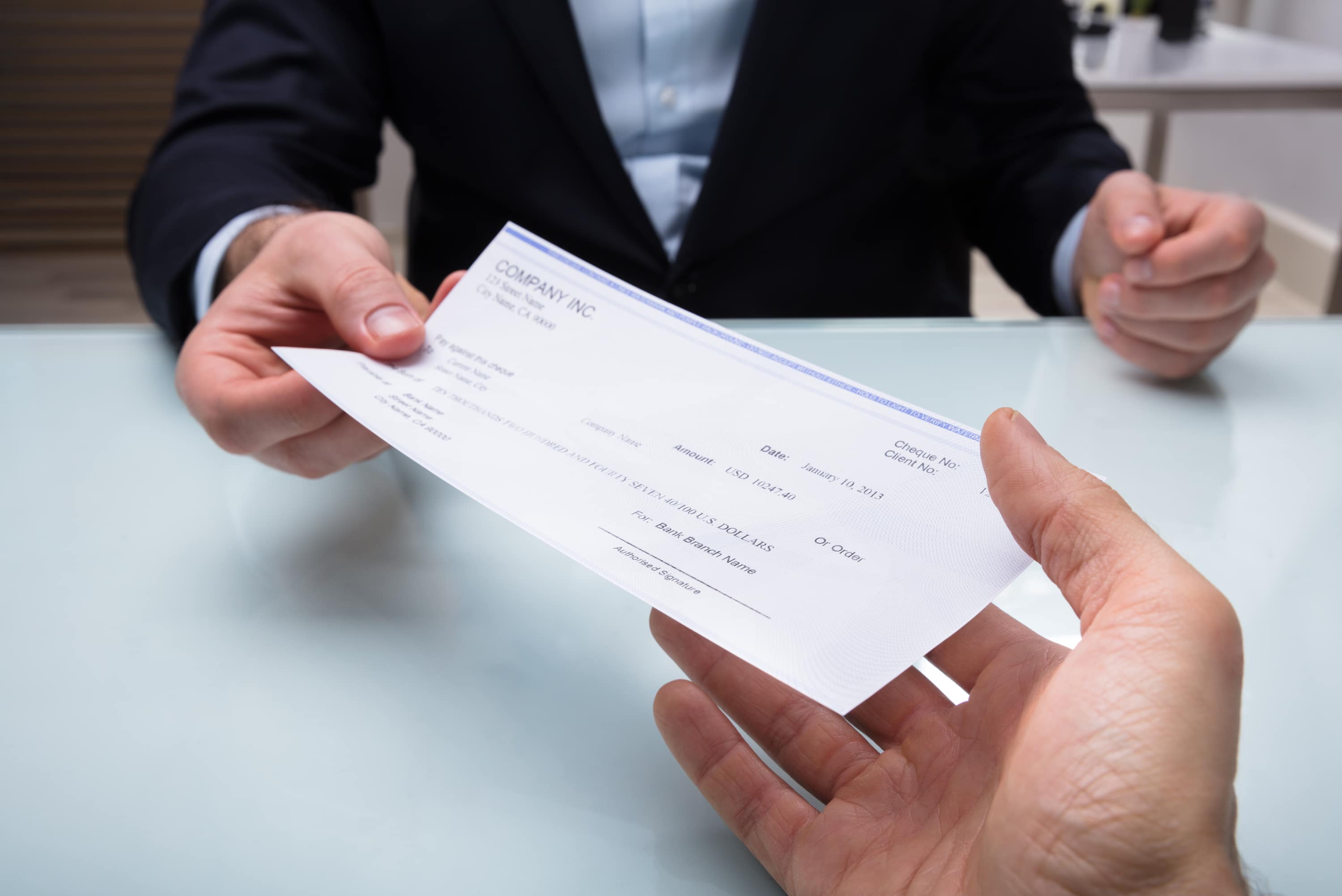
A cashier’s check is an official check issued by a bank or credit union. Unlike a personal check, which is drawn from your own checking account, a cashier’s check is drawn from the bank’s funds after you pay the bank the full amount upfront. The bank then guarantees the payment to the person or business named on the check.
That guarantee is the big selling point. If you write a personal check for $8,000 and your account only has $8 and a dream, the check may bounce. With a cashier’s check, the money has already been collected by the bank before the check is issued. For the recipient, that usually feels much safer.
Simple Example
Suppose you are buying a used car from a private seller for $12,000. The seller does not want cash, because carrying a brick of money in a parking lot feels like the opening scene of a crime documentary. They also do not want a personal check, because they cannot be sure it will clear. So you visit your bank, pay $12,000 plus any fee, and the bank issues a cashier’s check payable to the seller. The seller gets a bank-backed payment, and you get the car keys without needing a duffel bag.
How Does a Cashier’s Check Work?
The process is straightforward, but it helps to know the steps before you arrive at the bank counter and begin patting your pockets like a person who definitely forgot something.
1. You Request the Check
You ask your bank or credit union for a cashier’s check. Many institutions require you to be an existing customer, though some may issue one to noncustomers under limited conditions.
2. You Provide the Details
You need the exact amount, the payee’s legal name, and usually a valid photo ID. Banks generally do not like issuing cashier’s checks made out to “cash” because that creates unnecessary risk.
3. The Bank Collects the Funds
The bank withdraws the check amount from your account or accepts cash. Once the cashier’s check is issued, that money is no longer sitting in your account waiting for your next impulse purchase.
4. The Bank Issues the Check
The check is printed with the bank’s information, the payee’s name, the amount, and security features. It is usually signed by a bank representative or printed with an authorized signature.
5. The Recipient Deposits or Cashes It
The payee can deposit the cashier’s check into their bank account. Funds from certain official checks, including cashier’s checks, are often made available quickly under federal funds-availability rules, but availability does not always mean the check is authentic. That distinction matters, especially when fraud enters the chat wearing sunglasses.
What Is a Cashier’s Check Used For?
Cashier’s checks are most useful when a transaction is large, important, or requires guaranteed funds. They are not typically used to pay for pizza, groceries, or your friend’s half of the streaming subscription. They are for moments when trust matters and the amount is large enough to make everyone suddenly very formal.
Real Estate Transactions
Cashier’s checks are commonly used for home purchases, earnest money deposits, down payments, and closing costs. However, many title companies now prefer wire transfers for closing because wires can move money electronically and quickly. Always ask the closing agent exactly which payment method they accept before you show up holding the wrong instrument and a confused smile.
Vehicle Purchases
Private sellers and dealerships may request a cashier’s check for a car, motorcycle, boat, or RV purchase. It gives the seller more confidence than a personal check and avoids the awkwardness of handling large amounts of cash.
Apartment Security Deposits
Some landlords or property managers request certified funds, including cashier’s checks, for first month’s rent, security deposits, or move-in fees. This is especially common when timing matters and the landlord wants assurance that payment will not bounce.
Large Retail or Business Payments
A cashier’s check may be used for major purchases such as equipment, inventory, professional services, or business-to-business payments. It can also be useful when a seller does not accept cards or wants to avoid card processing fees.
Legal Settlements and Court-Related Payments
Attorneys, courts, or settlement parties may request guaranteed funds. In these cases, payment accuracy is critical, so the payee name and amount must match the instructions exactly.
Transactions Between People Who Do Not Know Each Other
When two strangers make a large transaction, neither side wants to rely purely on vibes. A cashier’s check can reduce payment uncertainty, although the recipient should still verify the check directly with the issuing bank.
How Much Does a Cashier’s Check Cost?
Cashier’s check fees vary by bank, account type, and customer relationship. Many large banks charge around $10 to $15 per cashier’s check, while some premium checking accounts waive the fee. Credit unions may charge less. The fee is usually small compared with the transaction size, but nobody enjoys surprise fees, so check your bank’s current schedule before ordering one.
Also ask whether there are limits. Some banks may cap online cashier’s check requests or require in-person service for larger amounts. For a major purchase, call ahead. Your future self, standing in line 20 minutes before a closing appointment, will appreciate the courtesy.
How to Get a Cashier’s Check
Getting a cashier’s check is usually simple, but preparation helps. Here is what to bring or confirm:
- The exact dollar amount
- The correct payee name
- Your government-issued photo ID
- Enough money in your account to cover the check and fee
- Any memo or reference information requested by the recipient
You can often get a cashier’s check at a bank branch. Some banks allow existing customers to order smaller cashier’s checks online, but larger amounts may require an in-person visit. Once the check is printed, review every detail before leaving. A typo in the payee name can turn a powerful payment tool into a decorative rectangle.
Cashier’s Check vs. Personal Check
A personal check is written from your checking account. It is convenient and inexpensive, but it depends on your account having enough money when the check is processed. A cashier’s check is backed by the bank after the funds are collected upfront.
Use a personal check for routine payments where the recipient trusts you. Use a cashier’s check when the recipient requires guaranteed funds, the amount is large, or the transaction needs extra confidence.
Cashier’s Check vs. Certified Check
A certified check is also a more secure form of payment than a regular personal check, but it works differently. With a certified check, the bank verifies that your account has enough funds and may place a hold on that amount. The check is still drawn from your account. With a cashier’s check, the bank takes the money first and issues a check from its own funds.
Both can be useful, but many sellers prefer cashier’s checks because they are directly backed by the bank. Certified checks are less common today, and not every bank offers them.
Cashier’s Check vs. Money Order
Money orders are prepaid payment instruments often used for smaller amounts. You can buy them at places such as banks, post offices, grocery stores, and check-cashing locations. They are usually cheaper than cashier’s checks but may have maximum limits.
If you need to pay $75 for an application fee, a money order may be perfect. If you need to pay $25,000 for a used truck, a cashier’s check is usually more appropriate. In short: money orders are the compact car; cashier’s checks are the pickup truck.
Cashier’s Check vs. Wire Transfer
A wire transfer moves money electronically from one bank account to another. Wires are often faster than cashier’s checks and may be preferred for real estate closings or remote transactions. However, wire transfers can be more expensive and are difficult to reverse once sent.
A cashier’s check gives you a physical payment document, which some people prefer. A wire transfer is often better when speed, distance, or institutional requirements matter. Before sending either, confirm instructions directly with the recipient through a trusted phone number or secure communication channel.
Are Cashier’s Checks Safe?
Cashier’s checks are generally safe when issued by a legitimate financial institution and used between trustworthy parties. The payment itself is secure because the bank collects funds before issuing the check. But the danger comes from fake cashier’s checks, not from properly issued ones.
Scammers often use counterfeit cashier’s checks in overpayment scams, online marketplace scams, mystery shopper scams, rental scams, and fake job offers. The classic trick is simple: they send you a check for too much money, ask you to deposit it, then tell you to send back the difference. Later, the bank discovers the check was fake, and you are responsible for the money you sent away. It is the financial equivalent of being handed a beautiful cake that turns out to be cardboard.
How to Spot a Fake Cashier’s Check
No single clue proves a check is fake, but several red flags should make you slow down:
- The payer sends more than the agreed price and asks for a refund.
- The buyer pressures you to act quickly.
- The check comes from someone you have never met.
- The bank name, address, or logo looks slightly wrong.
- The check has spelling errors, odd formatting, or poor print quality.
- The payer asks you to wire money, buy gift cards, use crypto, or send funds through a payment app.
- The story is unnecessarily complicated, dramatic, or weirdly urgent.
If you receive a cashier’s check, verify it by contacting the issuing bank directly using a phone number from the bank’s official website, not the number printed on the check. Ask whether the check is valid, whether the amount matches, and whether the check number is legitimate. Do not release goods, transfer titles, ship items, or send money back until you are truly confident the payment is good.
Can a Cashier’s Check Be Canceled?
Canceling a cashier’s check is not as easy as stopping payment on a personal check. Because the bank has already guaranteed the funds, replacing or canceling a lost cashier’s check can require a declaration of loss, waiting period, and sometimes an indemnity bond. Translation: do not lose it. Treat it like cash with a better outfit.
If a cashier’s check is lost, stolen, or destroyed, contact the issuing bank immediately. Keep your receipt and any documentation from the original purchase. The bank will explain its replacement process and timeline.
Pros and Cons of Cashier’s Checks
Pros
- They are backed by the issuing bank.
- They are useful for large payments.
- They reduce the risk of insufficient funds.
- They do not expose your checking account number in the same way a personal check does.
- They may clear faster than ordinary checks.
Cons
- They usually come with a fee.
- You may need to visit a branch.
- They can be counterfeited by scammers.
- Replacing a lost cashier’s check can be slow and inconvenient.
- Some recipients may prefer wire transfers instead.
When Should You Use a Cashier’s Check?
Use a cashier’s check when the recipient specifically requests one, when the payment is large, or when guaranteed funds are necessary. It is a strong choice for car purchases, real estate deposits, rental move-in costs, business payments, and formal transactions where personal checks are not accepted.
Do not use a cashier’s check just because it sounds fancy. For everyday bills, digital payments, debit cards, ACH transfers, or personal checks may be easier and cheaper. The best payment method is not always the most official-looking one; it is the one that matches the size, risk, timing, and trust level of the transaction.
Practical Experiences: What People Learn After Using Cashier’s Checks
The first lesson many people learn is that cashier’s checks are wonderfully boring when everything goes right. You walk into the bank, provide the payee name and amount, pay the fee, receive the check, and hand it over. No drama. No suspense music. Just a clean transaction. That is exactly the point.
The second lesson is that details matter. If a landlord says the check must be payable to “Oak Street Properties LLC,” do not make it payable to “Oak Street Apartments” because that is what you call the building in your head. Banks and property managers can be strict. A wrong payee name may require you to return to the bank, cancel or replace the check, and possibly miss a deadline. Always copy payment instructions exactly.
The third lesson is to keep the receipt. A cashier’s check receipt proves when and where you purchased the check, the amount, and often the check number. If the check is lost or the recipient claims it never arrived, that receipt becomes your financial life raft. Without it, the bank may still be able to help, but the process can be slower and more annoying.
The fourth lesson is that “funds available” does not always mean “safe forever.” People accepting cashier’s checks sometimes assume that once their bank shows the money as available, the payment is unquestionably good. That is not always true. A fake check can take time to be discovered. If you sell a high-value item to a stranger, call the issuing bank directly and verify the check before handing over the item. Better yet, meet at the buyer’s bank and watch the cashier’s check being issued.
The fifth lesson is that wire transfers are not automatically better. For real estate closings, wires are common, but wire fraud is also a serious problem. Fraudsters may send fake wiring instructions that look like they came from a title company or agent. Cashier’s checks avoid some electronic-transfer risks, but they introduce physical-document risks. The safest method depends on the transaction and how carefully everyone verifies instructions.
The sixth lesson is that banks are not all identical. One bank may charge $10, another may charge $15, and a credit union may waive the fee for certain members. Some banks allow online cashier’s checks only up to a specific amount, while others require branch visits. If you need a cashier’s check for an important deadline, do not assume the process will take five minutes. Call first, ask what to bring, and confirm the fee.
The seventh lesson is that cashier’s checks are useful but old-fashioned. In an era of instant transfers and mobile wallets, a paper check can feel like sending a telegram with better branding. Yet cashier’s checks still survive because they solve a real trust problem. When a seller wants guaranteed funds, a cashier’s check remains a practical bridge between cash and electronic transfer.
The final lesson is simple: use cashier’s checks with confidence, not carelessness. They are excellent tools for large, serious payments when issued and verified properly. Just remember that scammers understand the reputation of cashier’s checks too. The words “cashier’s check” should make you feel prepared, not hypnotized.
Conclusion
A cashier’s check is a bank-issued, bank-backed payment method designed for transactions where guaranteed funds matter. It is commonly used for real estate payments, vehicle purchases, rental deposits, legal settlements, and other large transactions. Compared with a personal check, it gives the recipient more confidence because the money has already been collected by the bank. Compared with a wire transfer, it is physical, often less expensive, and sometimes easier to understand, though not always faster.
The key is to use cashier’s checks wisely. If you are buying one, confirm the payee name, amount, fee, and delivery method. If you are accepting one, verify it directly with the issuing bank before releasing anything valuable. A real cashier’s check can be a safe and efficient payment tool. A fake one can be a very expensive piece of paper wearing a bank costume.
Note: This article is for general educational purposes only and should not be treated as personalized financial, legal, or banking advice. Always confirm requirements, fees, limits, and fraud-prevention steps with your own financial institution before making or accepting a large payment.