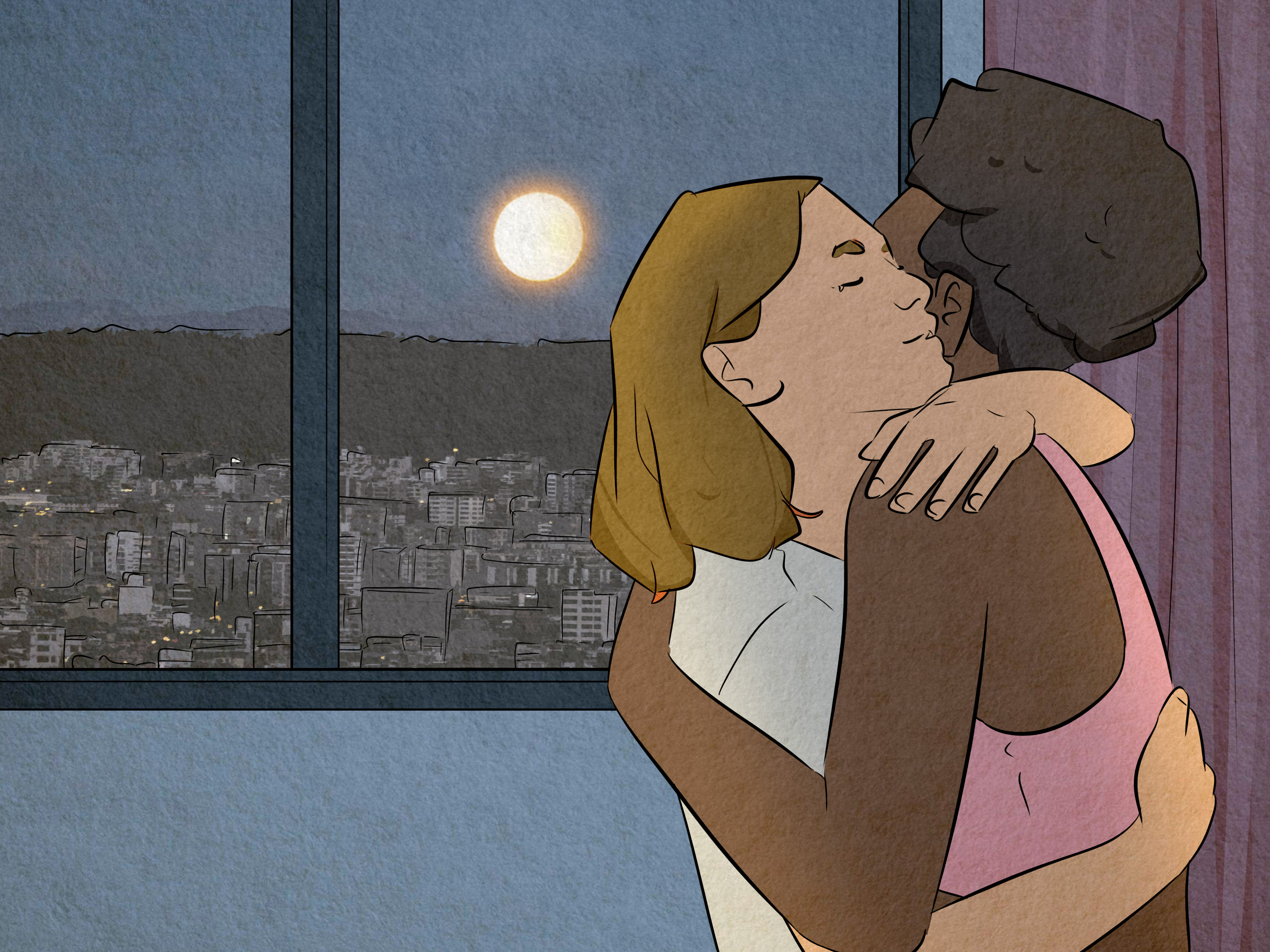
Every month, the full moon shows up like it owns the sky. To be fair, for one bright night, it kind of does. It hangs there looking dramatic, floods the dark with silver light, and suddenly even people who never think about astrology, rituals, or “energy” start acting a little more reflective. Or a little more restless. Or both. The full moon has that effect on our imagination.
Spiritually, the full moon is often seen as a symbol of completion, clarity, release, and heightened awareness. It marks the peak of the lunar cycle, which is why so many traditions connect it with harvest, endings, insight, and emotional truth. In simpler terms: the full moon is the cosmic equivalent of a bright overhead light. Whatever has been hiding in the corners of your inner life suddenly becomes much harder to ignore.
That does not mean the moon is personally managing your inbox, your ex, or your unresolved childhood issues. But it can offer a meaningful structure for reflection. And honestly, human beings have always loved a good structure. Give us a bright moon, a journal, and a reason to feel profound, and we will absolutely rise to the occasion.
In this guide, we’ll look at what the full moon means spiritually, why people feel drawn to it, what science says about moon effects, and a handful of full moon rituals to try if you want a practice that feels grounding instead of goofy.
What Is the Full Moon, Exactly?
Before we get mystical, let’s get literal. A full moon happens when the moon is opposite the sun from Earth’s point of view, so its visible face appears fully illuminated. That brightness matters. A full moon reflects enough sunlight to cast visible shadows, which helps explain why it has inspired folklore, ritual, poetry, and the occasional dramatic stare out the window for centuries.
Because it is so visually striking, the full moon naturally became a symbol long before people had astronomy apps and mood-tracking spreadsheets. Farmers used full moons as seasonal markers. Communities tied them to planting, harvesting, hunting, and celebration. Over time, those practical meanings blended with spiritual ones. The result is the modern full moon: part sky event, part mirror, part emotional group chat.
What Does the Full Moon Mean Spiritually?
1. Culmination and completion
The most common spiritual meaning of the full moon is culmination. In many spiritual and wellness traditions, the new moon is linked with beginnings and intention-setting, while the full moon represents the point where things come into bloom. The seed has sprouted. The story has reached a turning point. The energy has built up and is ready to be seen.
That is why full moon rituals often focus on asking questions like: What has come to fruition? What lesson is finally obvious? What am I ready to finish, celebrate, or release? Spiritually, the full moon is less about starting from scratch and more about taking inventory of what your life has been quietly building in the background.
2. Clarity and illumination
Another major theme is clarity. Because the moon appears fully lit, many people see it as a time when hidden emotions, patterns, or truths rise to the surface. Whether you call that intuition, symbolism, or your brain finally sitting still long enough to hear itself think, the idea is the same: the full moon helps you notice what has been there all along.
This is why people often use the full moon for journaling, meditation, prayer, and quiet reflection. Not because the moon is whispering stock tips into the night air, but because the ritual itself creates a pause. And pauses are where insight likes to show up.
3. Release and emotional honesty
Spiritually, the full moon is also associated with release. If the new moon invites you to call something in, the full moon invites you to let something go. That could be a grudge, a habit, a fear, a story you keep telling about yourself, or an emotional attachment that has overstayed its welcome like a party guest who keeps saying “one more minute” for two hours.
This does not mean you need to stage an elaborate backyard ceremony every month. It simply means the full moon can serve as a checkpoint: What am I carrying that no longer belongs in the next chapter of my life?
4. Connection to natural cycles
At a deeper level, the full moon reminds people that life moves in cycles. Things wax and wane. Energy expands and contracts. Seasons change. Emotions crest and calm. Spiritually, tuning in to the moon can feel like stepping out of the artificial pace of modern life and back into a rhythm that is older, slower, and strangely comforting.
That may be part of the real appeal. The full moon gives people a recurring moment to reflect, reset, and remember that not every meaningful change happens on a Monday morning or January 1.
What Science Says About the Full Moon
Here is where we separate spiritual symbolism from scientific proof. There is no strong evidence that a full moon causes wild behavior, chaos, or instant personality changes. The classic “lunar effect” is deeply rooted in culture, but research has repeatedly challenged the idea that full moons reliably make people irrational, aggressive, or more likely to experience dramatic events.
That said, the story is not completely boring. Some sleep research suggests that around the full moon, some people may fall asleep a little later, sleep a bit less, or experience small changes in deep sleep. The findings are mixed, and the effects are generally not huge, but they are interesting. So if you sometimes feel a little more wired, dreamy, or emotionally thin-skinned around a full moon, you are not necessarily imagining everything. You are also not obligated to blame the moon for every bad text you send after 11 p.m.
Psychologically, rituals themselves can matter too. People often use rituals and symbolic practices because they create a sense of calm, control, and meaning. In other words, the power of a full moon ritual may come less from moonbeams doing mysterious paperwork and more from the fact that you chose to slow down, pay attention, and act with intention.
Why People Feel Drawn to Full Moon Rituals
A full moon ritual is essentially a structured moment of reflection. That structure can help you name emotions, release stress, build self-awareness, and reconnect with your values. Journaling can create a healthy outlet for thoughts and feelings. Mindfulness and meditation can reduce stress and support emotional regulation. Gratitude and affirmations can shift your attention away from mental clutter and toward what feels meaningful.
So even if you are skeptical of the more cosmic claims, the ritual aspect can still be genuinely useful. Think of it this way: you do not need to believe the moon is sending you encrypted spiritual memos to benefit from sitting outside, breathing deeply, and writing down what needs to change.
Full Moon Rituals to Try
You do not need fancy tools, expensive crystals, or a robe that looks stolen from a fantasy series. The best full moon rituals are the ones you will actually do. Start simple.
1. The release list ritual
Write down what you want to release. Be specific. Instead of writing “bad vibes,” try “my habit of apologizing for having needs” or “the resentment I am carrying from that friendship.” Then read the list slowly. You can tear it up, safely burn it in a fire-safe setting, or simply close your journal and say, “I am ready to put this down.”
2. Moonlight journaling
Sit by a window or outside under the moon and journal on these prompts:
- What has come full circle for me?
- What truth am I finally ready to admit?
- What am I proud of right now?
- What am I ready to stop chasing?
This ritual works because it combines symbolism with plain old honesty, which is often where the magic lives.
3. A short meditation for clarity
Set a timer for 5 to 10 minutes. Breathe slowly. Notice what thoughts keep returning. Instead of arguing with them, ask: What is this trying to show me? You are not trying to become a levitating sage. You are just making room to listen.
4. Gratitude plus affirmation practice
Write down five things you are grateful for and five things you want to affirm. Keep the affirmations grounded and believable. “I am learning to trust myself” works better than “I am now an omnipotent moon wizard with perfect skin.” Aim for supportive, not delusional.
5. A cleansing ritual for your space
Open a window, tidy one area of your room, light a candle if it is safe to do so, and ask yourself what energy you want your space to hold. You can pair this with music, a prayer, or a few minutes of silence. Sometimes a spiritual reset looks suspiciously like cleaning your desk, and frankly, that is beautiful.
6. A full moon walk
If the weather and your environment allow it, take a slow walk outside. Leave your headphones off for at least a few minutes. Notice the temperature, the sounds, the sky, and the fact that you are a tiny human under a very old moon. Perspective is one of the most underrated spiritual tools around.
7. A bath or shower ritual
You can use water symbolically as a reset. As you bathe or shower, imagine stress leaving your body. This may sound cheesy until you try it on a rough week and realize your nervous system is thrilled that you finally stopped doom-scrolling for eight consecutive minutes.
How to Make a Full Moon Ritual Feel Meaningful
The biggest mistake people make is assuming a ritual has to look impressive to work. It does not. A ritual only needs two things: attention and intention. That is it.
If candles, tarot cards, and moon water are your thing, great. If your version of a moon ritual is tea, a notebook, and sitting on the porch in sweatpants that have seen better decades, that also counts. Spirituality is not a costume contest.
Try this simple formula:
- Choose one theme: clarity, release, gratitude, forgiveness, rest, or celebration.
- Choose one practice: journaling, meditation, a walk, prayer, or cleaning your space.
- Choose one closing action: a deep breath, a sentence spoken aloud, or writing one clear intention for the weeks ahead.
That is a ritual. No glitter required.
Common Full Moon Myths to Ignore
The full moon makes everyone lose their mind
Great headline. Weak evidence. The idea is culturally sticky, but science does not strongly support the notion that full moons reliably trigger chaos.
You must do a ritual perfectly or it “won’t work”
Nope. Rituals are not standardized tests. They are personal practices. The point is reflection, not performance.
Every full moon experience has to be intense
Also false. Some months you may feel emotional or insightful. Other months you may look at the moon, shrug, and go back inside because mosquitoes have chosen violence. Both are valid.
Full Moon Experiences: What People Often Notice
Ask ten people about their full moon experiences and you will get at least twelve answers. That is part of the charm. Some people report feeling more emotional around the full moon, as if their inner volume knob has been nudged a little higher. Small annoyances feel louder. Tender feelings become more obvious. Joy feels more cinematic. Sadness feels more poetic. In other words, the full moon can make ordinary human emotions feel like they just got a better soundtrack.
Others describe the full moon as a time of unusual clarity. They suddenly know what decision they need to make, what conversation they have been avoiding, or what chapter of their life is clearly ending. It is not always dramatic. Sometimes the realization is quiet: “Oh. I am tired of pretending this still works for me.” That kind of insight may not look flashy, but spiritually, it can be huge.
Sleep is another common theme. Some people say they feel restless, dream more vividly, or wake up at odd hours around the full moon. Science has explored this possibility, and while the evidence is mixed, there is at least enough there to keep the conversation alive. So if the moon occasionally turns your bedtime routine into a lightly chaotic art film, you are in good company.
There are also people who experience the full moon as a social or communal moment. They gather with friends, join meditation circles, say prayers, pull tarot cards, or simply step outside and look up together. That shared attention matters. Humans are meaning-making creatures, and shared rituals can make us feel less alone. Sometimes the spiritual power of the full moon is not about the moon changing you. It is about the moon reminding you that you are part of something larger than your own mental tabs.
Then there are the people who feel absolutely nothing and wonder if they are spiritually defective. Good news: you are not. Spiritual experiences are not graded on intensity. You do not need to cry under moonlight, receive a symbolic message from an owl, or feel your chakras hum like a well-tuned refrigerator. Sometimes the most meaningful full moon experience is simply making a little time for reflection in a life that rarely slows down.
Many people also notice that the full moon helps them mark time. One month to the next, they begin to see patterns: the same insecurities, the same hopes, the same goals that keep asking for attention. This can be surprisingly powerful. A monthly ritual creates a record of your inner life. Over time, you may realize that what felt like “nothing is changing” was actually slow, real growth happening in lunar-sized increments.
And yes, some full moon experiences are just plain beautiful. Standing outside in cool night air. Seeing the light on rooftops or trees. Feeling, for a moment, less rushed. Less fragmented. Less trapped in the tiny emergencies of modern life. That alone can feel spiritual. Not because it proves anything supernatural, but because it returns you to wonder. And wonder, inconveniently enough for cynics everywhere, is often where healing begins.
Final Thoughts
So, what does the full moon mean spiritually? Most often, it symbolizes completion, illumination, release, and a return to natural rhythm. It is a reminder to pause and notice what has grown, what has surfaced, and what no longer needs to come with you.
You do not have to believe that the full moon controls your fate to find it meaningful. You only need to recognize that humans have always used symbols to understand change. The full moon is one of the oldest and most beautiful symbols we have. It asks nothing fancy from you. Just attention. Honesty. Maybe a pen. Maybe a deep breath. Maybe five minutes away from your phone, which, let’s be honest, is already a minor miracle.
If a full moon ritual helps you feel calmer, clearer, or more connected, that is reason enough to try one. Not because the moon will solve your life overnight, but because a regular practice of reflection might help you do it more wisely.
Note: This article is for informational and spiritual exploration purposes. Full moon rituals are personal practices, not scientific proof, and they are not a substitute for medical or mental health care. If you use candles, smoke, or outdoor rituals, follow basic safety precautions.