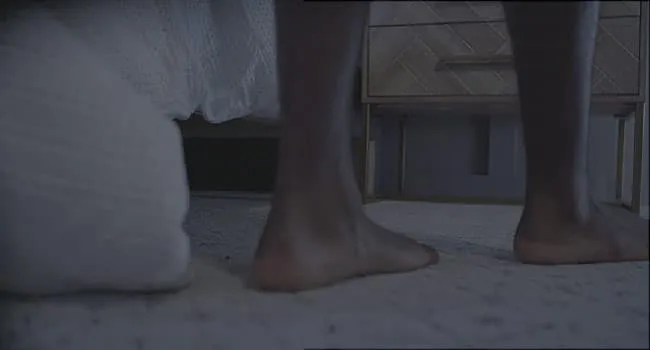
Sleepwalking can look like a scene from a low-budget ghost mstarts roaming the house with the confidence of a person who knows exactly where they are going. The twist is that they are still asleep. An occasional episode is often harmless, especially in children, but sleepwalking deserves attention when it becomes frequent, dangerous, disruptive, or suddenly begins in adulthood.
This companion guide to a video on sleepwalking triggers, treatments, and safety tips explains what happens in the brain, what can provoke an episode, how to respond calmly, and when to contact a healthcare professional.
What Is Sleepwalking?
Sleepwalking, or somnambulism, is a parasomniaan unusual behavior that occurs during sleep or a sleep-wake transition. It is classified as a non-rapid eye movement, or NREM, disorder of arousal. Parts of the brain become active enough to produce movement while awareness, judgment, and memory remain largely asleep. isodes usually arise from deep, slow-wave sleep and tend to happen during the first part of the night. A person may sit up, mumble, walk into another room, open cabinets, eat, urinate in the wrong place, or attempt to leave home. The eyes may be open, but the expression is often blank. The sleepwalker may respond poorly to questions and remember little or nothing in the morning.
Sleepwalking Is Not the Same as Acting Out a Dream
Classic sleepwalking usually occurs during NREM sleep with little dream recall. REM sleep behavior disorder involves acting out vivid dreams and more often appears later in the night. Nightmares, sleep terrors, nocturnal seizures, panic attacks, medication reactions, and sleep-related eating can also resemble sleepwalking. Unusual, violent, or newly developed episodes therefore deserve professional evaluation.
Common Sleepwalking Triggers
Sleepwalking rarely has one universal cause. It is better understood as a tendency that can be activated by anything that deepens, fragments, or abruptly interrupts sleep. Family history may increase susceptibility, while several triggers can pile up on the same night.
Sleep Deprivation and Irregular Schedules
Too little sleep is one of the most common triggers. Shift work, late nights, jet lag, travel, inconsistent bedtimes, and weekend “catch-up” sleep can destabilize normal sleep patterns. Keeping bedtime and wake time consistent removes one major source of partial arousals.
Stress, Illness, and Physical Discomfort
Emotional stress can disrupt sleep and increase episodes in susceptible people. Fever, migraine, pain, a full bladder, nighttime asthma, and other discomforts may also provoke partial awakenings. Children do not always announce that their nervous system is overloaded, but their sleep sometimes sends the memo.
Alcohol and Medications
Alcohol disturbs normal sleep architecture and can trigger sleepwalking in some adults. Certain prescription and over-the-counter medicines may also contribute to complex sleep behaviors. Review suspected medication effects with the prescriber; never stop a prescribed drug abruptly based on an online checklist.
Other Sleep Disorders
Obstructive sleep apnea repeatedly interrupts sleep and may be associated with parasomnias. Loud snoring, gasping, breathing pauses, morning headaches, bed-wetting, attention problems, or excessive daytime sleepiness are important clues. Restless legs syndrome and other conditions that fragment sleep may also contribute. Treating the underlying disorder can reduce episodes. hat to Do During an Episode
Stay calm. Speak softly, remove immediate hazards, and gently guide the person back toward bed. Avoid grabbing, shouting, or shaking unless urgent danger requires faster action. A simple phrase such as, “You are safe; let’s go back to bed,” is more useful than a midnight interrogation.
Waking a sleepwalker is not inherently medically dangerous, but sudden awakening can cause confusion, fear, or defensive behavior. If the person is moving toward stairs, traffic, water, a stove, or another serious hazard, safety comes first. Wake them as gently as circumstances allow and remain nearby until they are oriented.
- Approach slowly and use a quiet voice.
- Block access to hazards without starting a struggle.
- Guide the person back to bed when possible.
- Check for injuries after the episode.
- Record the time, duration, behavior, and likely triggers.
Sleepwalking Safety Tips for the Home
Injury prevention is the first treatment. Major sleep centers recommend securing the environment, clearing hazards, and guiding rather than forcefully waking the sleeper. ecure Doors, Windows, and Stairs
Lock exterior doors and windows. Consider door chimes or alarms, install safety gates where appropriate, and keep keys out of reach. Any lock or barrier should still allow adults to escape quickly during a fire or other emergency.
Clear Dangerous Objects
Remove clutter, cords, toys, loose rugs, and sharp furniture from likely walking routes. Secure knives, tools, weapons, medications, chemicals, car keys, and access to kitchens, balconies, pools, workshops, and garages.
Use a Safer Sleeping Arrangement
A child who sleepwalks should not use the top bunk. During an active period, a ground-floor bedroom may reduce stair risk. Keep windows closed or fitted with suitable guards, and avoid placing the bed beside a window.
How Sleepwalking Is Diagnosed
Diagnosis usually begins with the story: when episodes occur, what the person does, how long they last, whether there is memory afterward, and what a witness observes. A clinician may ask about sleep schedule, stress, family history, snoring, alcohol, medications, medical conditions, and daytime symptoms.
A sleep diary and a privately recorded home video can reveal patterns. An overnight sleep study may be recommended when episodes are frequent or injurious, begin unexpectedly in adulthood, include violent or repetitive movements, happen several times nightly, or raise concern for sleep apnea, REM sleep behavior disorder, or epilepsy.
Treatments for Sleepwalking
Occasional childhood sleepwalking often needs no treatment beyond reassurance, adequate sleep, and a safer home. Many children outgrow it by adolescence. Treatment becomes more important when episodes cause injury, major disruption, dangerous wandering, severe sleep loss, or concern about another disorder. mprove Sleep Quantity and Consistency
Set realistic bedtimes and wake times, including weekends. Use a calm wind-down routine, reduce late-night screens and stimulating activities, and keep the bedroom dark, quiet, cool, and comfortable. An overtired child may need an earlier bedtime, not a plan to be “worn out.”
Reduce Triggers and Treat Underlying Problems
Address stress, avoid alcohol near bedtime, moderate caffeine, and treat conditions that interrupt sleep. Discuss medication timing and side effects with a clinician. When testing identifies sleep apnea, restless legs syndrome, insomnia, or another disorder, treating it may reduce the arousals that trigger sleepwalking.
Scheduled Awakenings
For a child whose episodes occur at roughly the same time nightly, a clinician may recommend scheduled awakenings. A caregiver gently wakes the child about 15 minutes before the expected event, keeps the child fully awake for several minutes, and repeats the routine for a limited period. This can interrupt the sleep-stage pattern that precedes the episode. ehavioral Therapy and Medication
Relaxation training, stress management, cognitive behavioral approaches, and, in selected cases, hypnosis may help. Prescription medication is sometimes used for severe, persistent, or dangerous episodes, but evidence is limited and treatment should be individualized by a sleep specialist. Medication is not the opening move for an occasional hallway wander.
When to Call a Doctor
Arrange an evaluation when sleepwalking begins in adulthood, occurs frequently, causes injury, leads outside the home, involves driving or dangerous tools, disrupts sleep substantially, or produces major daytime fatigue. Seek advice when episodes include stiffening, repetitive jerking, prolonged confusion, dream enactment, aggression, loud snoring, choking, gasping, or observed breathing pauses.
Call emergency services for serious injury, seizure-like activity, dangerous wandering into traffic or water, or any situation in which the person cannot be protected safely.
How to Make a Useful Sleepwalking Video
A short home video can help a clinician, but the camera comes second to safety. From a secure distance, capture posture, movements, speech, breathing sounds, eye position, and response to a calm voice. Note the clock time, how long the person had been asleep, the episode’s duration, and whether it resembled previous events.
Do not provoke the person, allow hazardous behavior to continue for a better angle, or post the recording online. Sleepwalking footage is health information, not content for the family group chat’s comedy division. Store it privately and pair it with a written sleep log.
Real-World Experiences: What Families Often Learn
The Child Who Visits the Kitchen
A common family experience begins with a child appearing in the hallway an hour or two after bedtime. The child stares through a parent, mumbles an answer that makes no sense, heads toward the kitchen, and accepts gentle redirection. By morning there is no memoryonly confusion about why anyone is asking whether the cereal cabinet had an important midnight appointment.
Families often learn that questioning the child during the episode achieves little. A calm phrase, an offered hand, and a clear route back to bed work better. After tracking events, parents may notice that episodes follow late practices, skipped naps, illness, or an inconsistent bedtime. Correcting the sleep schedule can sometimes reduce them dramatically.
The Adult Episode After Travel
An adult may go years without an episode and then sleepwalk during a business trip or vacation. The room is unfamiliar, the schedule is disrupted, sleep debt has accumulated, and alcohol may be involved. One event in that setting does not automatically indicate a serious disorder, but it should prompt caution: secure the door, avoid alcohol, prioritize sleep, and inform a travel companion.
New or recurring adult sleepwalking deserves evaluation when it continues after travel, follows a medication change, or involves leaving the room. Adults have access to cars, balconies, kitchens, and staircases, so a behavior that seems mildly comic in a carpeted child’s room can become genuinely hazardous.
The Family That Thought Snoring Was Normal
Sometimes the breakthrough comes from a detail that seemed unrelated. A child sleepwalks but also snores loudly, breathes through the mouth, sweats at night, and struggles with attention during the day. A clinician asks about breathing, a sleep evaluation identifies obstructive sleep apnea, and treating the breathing problem improves sleep and reduces nighttime events.
The lesson is that sleepwalking may be the visible symptom while repeated sleep disruption is the real problem. Snoring, gasping, restless sleep, morning headaches, bed-wetting, mood changes, and daytime sleepiness all belong in the medical history.
The Partner Who Tried to Force an Awakening
A well-meaning partner may switch on every light and loudly demand, “Wake up!” The sleepwalker becomes frightened or defensive because the brain is emerging abruptly from deep sleep without normal orientation. Partners usually get better results with a low voice, minimal contact, and gentle guidance.
They may also create a daylight safety plan: where keys are stored, which doors are alarmed, when to call for help, and what details to document. Planning at breakfast is far more effective than inventing a strategy at 2:13 a.m.
The Value of a Two-Week Sleep Log
People often expect a sophisticated gadget to solve the mystery, yet a notebook can be surprisingly powerful. Record bedtimes, wake times, naps, illness, stress, caffeine, alcohol, medicines, snoring, and episode timing. A pattern may emergefor example, nearly every event follows a bedtime delayed by more than an hour.
A log does not replace medical care when warning signs are present, but it gives the clinician useful evidence and gives the family a practical target. Management is often less about one magical cure and more about removing several pressures that repeatedly push the sleeping brain toward partial awakening.
Conclusion
Sleepwalking is usually a partial arousal from deep NREM sleep, not evidence that someone is secretly awake or acting out a plan. The best approach combines a safe environment, regular and sufficient sleep, trigger reduction, careful documentation, and treatment of underlying problems such as sleep apnea or medication effects.
During an episode, stay calm, protect the person, and guide them back to bed. For predictable childhood events, scheduled awakenings may help. Frequent, dangerous, violent, or adult-onset episodes require professional evaluation rather than folklore or the relative who once watched half a documentary about dreams.
Note: This article is for general education and does not replace diagnosis or treatment from a qualified healthcare professional. Seek urgent help for serious injury, dangerous wandering, breathing problems, or seizure-like activity.