Note: This article is written for entertainment and general information. It gently pokes fun at the hilarious “tiny old person” look some newborns have, while respecting the fact that babies are, obviously, adorable little humans and not retired accountants trapped in onesies.
Every parent imagines the big moment a little differently. Some picture a glowing baby with buttery cheeks, perfect skin, and the serene expression of a shampoo-commercial angel. Then the delivery room lights come on, the nurse hands over the newborn, and there it is: a tiny, wrinkled, squinting person who looks like they just spent 42 years managing a hardware store and now wants to complain about the thermostat.
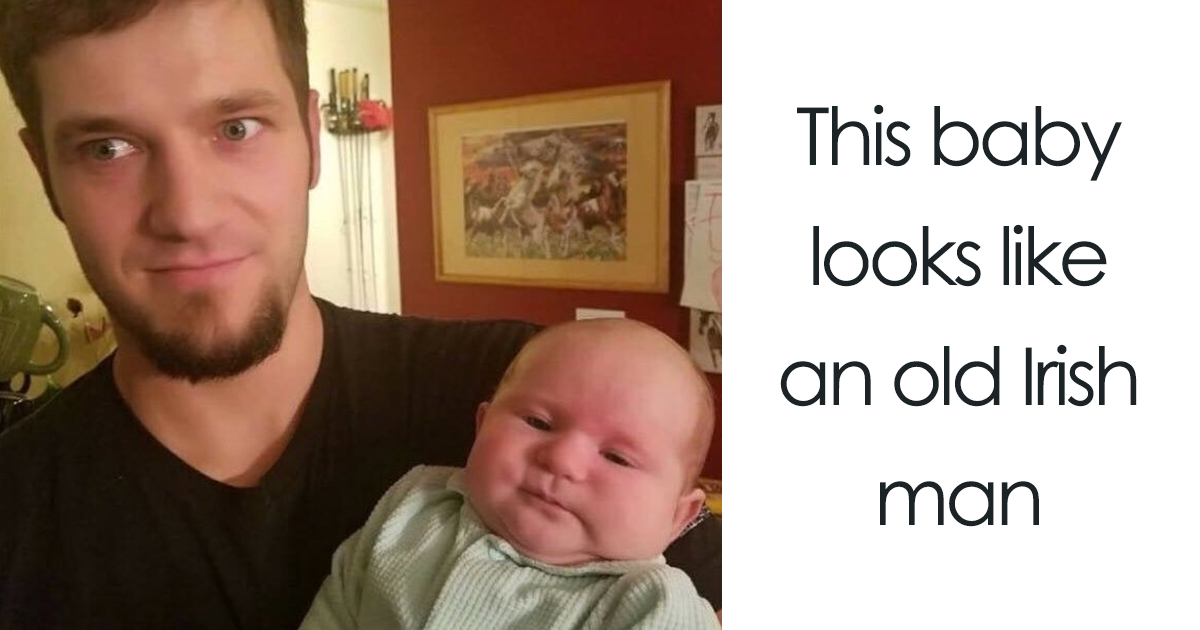
Welcome to one of parenthood’s funniest surprises: babies who look like old people. The internet loves these pictures because they are instantly understandable. A newborn arrives, the family expects a cherub, and instead they meet a miniature grandpa, a pocket-sized grandma, or a very serious little landlord who appears ready to raise rent on the nursery.
The good news? That “old man baby” look is usually completely normal. Newborns are fresh from the intense, squishy, dramatic business of birth. Their skin, head shape, facial expressions, hair, eyes, and tiny body language are all adjusting to life outside the womb. The result can be funny, surprising, and strangely majestic. Some babies look wise. Some look annoyed. Some look like they have already read the newspaper and found the economy disappointing.
Why Do Some Newborns Look Like Tiny Senior Citizens?
The phrase “old people instead” is a joke, of course, but it captures a real visual contrast. Many adults expect babies to look like the polished infants in diaper ads. In reality, brand-new newborns can be wrinkly, puffy, blotchy, hairy, sleepy, frowny, cone-headed, or covered in a creamy white coating called vernix. They may also make dramatic faces that seem emotionally advanced for someone who cannot yet hold up their own head.
Newborn skin has spent months in fluid. The body has just traveled through labor, delivery, or surgical birth. Blood circulation is changing. The lungs are learning their new job. The digestive system is waking up and immediately causing facial expressions that would win an Oscar. In other words, the baby is not “old.” The baby is adapting. Dramatically.
The Wrinkles Are Part of the Charm
One of the biggest reasons some newborns resemble tiny elders is skin texture. Babies can be born with loose-looking, wrinkled, or peeling skin, especially around the hands, feet, belly, and limbs. This can be more noticeable in babies born after their due date, because they may have less vernix protecting the skin by the time they arrive.
To a tired parent with a camera, those wrinkles can look hilarious. A newborn hand gripping an adult finger may resemble a miniature great-grandfather signing important documents. A baby stretched out in a blanket can look like someone who has opinions about soup, socks, and the price of stamps.
But peeling and dry-looking newborn skin is often a normal part of the first couple of weeks. The outer layer sheds as the baby adjusts to the outside world. It usually does not mean anything is wrong, though parents should always contact a pediatrician if the skin becomes red, bloody, irritated, or continues peeling unusually long.
The Conehead Era Is Real
Another classic “old person baby” feature is the head shape. Babies born vaginally may have a cone-shaped or molded head because the skull bones shift and overlap to help the baby move through the birth canal. This is not a design flaw. It is more like nature’s collapsible suitcase system.
To the unprepared parent, though, it can be shocking. One minute you are expecting a round-headed baby doll. The next, you are holding a tiny philosopher with a head shape that suggests a long meeting with gravity. Fortunately, this usually rounds out over the following days. The baby’s soft spots, called fontanels, are also normal and allow room for brain growth and skull reshaping.
Puffy Eyes Create the “I’ve Seen Things” Look
Many newborns have swollen or puffy eyelids right after birth. Pressure during delivery can affect the face, and the swelling typically goes down quickly. In the meantime, the baby may squint up at the world like a retired detective walking into bright sunlight after solving one last case.
Some babies also appear cross-eyed at first because their eye muscles are still strengthening. Again, this is often part of normal development. It can, however, make newborn photos look unintentionally dramatic. A baby wrapped in a hospital blanket, peering through puffy eyelids, can look less like “welcome to the world” and more like “who authorized this meeting?”
The “Grumpy Grandpa” Face: Newborn Expressions Are Comedy Gold
Newborns make faces constantly. They frown, purse their lips, wrinkle their brows, open one eye, smack their mouths, and stare into the distance like they remember the Great Depression. These expressions are often reflexive or related to sleep, digestion, hunger, overstimulation, or random muscle movements.
That first sleepy smile? It may be a reflex. That intense scowl? It may be gas. That look of deep betrayal? It may mean the blanket moved. Babies are not silently judging everyone in the room, even though some of them are extremely convincing.
The Tax Season Baby
This is the newborn who arrives with a furrowed brow, clenched fists, and the energy of someone who just found three missing receipts. Parents post these photos with captions like, “He’s been here five minutes and already wants to speak to management.” The humor works because the baby’s expression looks adult, but the context is pure newborn chaos.
The Tiny Grandma in a Blanket Shawl
Swaddle a baby just right and suddenly they look like a grandmother watching the neighborhood from behind lace curtains. Add a little cap, a skeptical side-eye, and a hand near the chin, and you have a family legend. The baby is not even a day old, but somehow looks ready to say, “You call that a casserole?”
The Boardroom Newborn
Some babies have such serious faces that they appear to be leading a quarterly earnings call. Their brows gather. Their lips press into a line. Their eyes narrow. The room falls silent. Nobody knows why, but everyone feels underperforming.
These pictures are funny because they capture accidental personality. The baby does not have an investment portfolio. The baby cannot even find their thumb reliably. Still, the image says, “I reviewed the numbers, and frankly, I’m disappointed.”
Lanugo: When Babies Arrive With Distinguished Body Hair
Some newborns, especially premature babies, are born with fine, soft hair called lanugo. It can appear on the shoulders, back, forehead, ears, or cheeks. Lanugo helps protect and warm the baby during fetal development and helps vernix stick to the skin.
In photos, lanugo can add to the “tiny elder” effect. A baby with wispy hair on the shoulders may look like a miniature professor who misplaced his cardigan. A little hair near the ears can create the illusion of sideburns. Parents may laugh, take pictures, and immediately send them to relatives with captions that write themselves.
Lanugo usually disappears on its own. It does not need shaving, scrubbing, or any dramatic home remedy. The baby is not auditioning for a historical drama; they are simply shedding a normal newborn feature.
Vernix: The Original Baby Skin Cream
Vernix is the white, creamy, waxy coating that may cover a newborn’s skin at birth. It protects the baby’s skin in the womb and may remain in folds or creases after delivery. While some parents expect a squeaky-clean baby, the real newborn may look like they just lost a fight with cream cheese.
In a funny photo collection, vernix can add visual texture. A baby with wrinkled skin, a serious stare, and a bit of vernix behind the ear can look like an old fisherman who has strong opinions about weather patterns. But medically, vernix is not gross. It is part of the brilliant protective packaging that helps babies transition from womb to world.
When Newborn Skin Looks Blotchy, Bumpy, or Dramatic
Newborn skin is not always smooth and even. Some babies have milia, which are tiny white bumps often seen on the nose, cheeks, chin, or forehead. Others may develop harmless newborn rashes, blotchy patches, peeling, or birthmarks. Hands and feet may look slightly bluish or purple shortly after birth because circulation is still adjusting.
To a camera, all of this can create the illusion of age: spots, folds, wrinkles, redness, and intense facial expressions. It is easy to see why people joke that they expected a baby and got a tiny retiree instead.
Still, humor should come with common sense. If a baby looks very yellow, seems hard to wake, feeds poorly, has trouble breathing, cries in a high-pitched way, or shows symptoms that worry the family, it is time to call a healthcare professional. Funny-looking is one thing. Sick-looking is another.
Why the Internet Loves “Old People Babies”
The internet loves contrast. A baby is supposed to symbolize newness, innocence, softness, and fresh beginnings. An old person symbolizes experience, wisdom, complaint about knee pain, and possibly a strong preference for hard candy. When a newborn accidentally looks 83 years old, the contrast is irresistible.
These photos also feel universal. Many families have at least one picture where the baby looks hilariously mature. The shot may come from the first hospital bath, a badly timed yawn, a post-feeding squint, or a swaddle that turns the baby into a tiny burrito of judgment. Parents laugh because they recognize the truth: newborns are beautiful, but they are not always magazine-ready.
The Humor Works Because It Is Loving
The best “baby looks like an old person” jokes are affectionate. They do not shame the baby. They celebrate the weirdness of early life. A newborn can be adorable and look like a sleepy grandfather at the same time. Both things can be true. In fact, that combination is exactly why the photos are so charming.
Parents are not laughing at the child in a cruel way. They are laughing at the surprise, the timing, the expression, and the fact that this tiny person seems to have arrived with a mortgage, a favorite armchair, and a distrust of new technology.
How to Take Funny Newborn Photos Without Crossing the Line
If you want to capture the “tiny old person” magic, keep the baby safe and comfortable first. Natural light, a cozy blanket, and a calm baby are enough. Do not force poses, use unsafe props, or place the baby anywhere unstable. The funniest newborn pictures are usually accidental anyway.
Try photographing the little details: wrinkly feet, a dramatic hand pose, a serious brow, or a sleepy side-eye. A simple caption can do the rest. “Waiting for bingo night.” “Just heard the hospital cafeteria ran out of pudding.” “Born yesterday, already disappointed in customer service.”
Parents should also think carefully before posting baby photos online. Sharing with family and friends can be joyful, especially for relatives who live far away, but public posts can create privacy concerns. Avoid sharing personal details such as full names, birth dates, hospital locations, daily routines, or other identifying information. A funny caption is great. A digital trail your child never agreed to is more complicated.
Experiences Related to “These People Were Expecting Babies But Had Old People Instead”
Nearly every family has a newborn story that begins with awe and ends with laughter. One parent might remember meeting their baby for the first time and thinking, “This child has my nose,” followed immediately by, “and my grandfather’s entire attitude.” Another might recall a nurse placing a freshly swaddled newborn in their arms, only for the baby to open one eye with the suspicion of a retired librarian catching someone folding a page corner.
These experiences are funny because they happen during an emotional pressure cooker. Birth is overwhelming. Everyone is tired. The room is full of beeping machines, soft voices, paperwork, and relatives waiting for updates. Then a baby makes a face that looks exactly like a tiny old man deciding whether the soup needs salt, and suddenly the entire room relaxes. Laughter becomes part of the bonding process.
Some parents describe the first family photo as a comedy masterpiece. The adults are glowing, crying, and exhausted. The newborn is red, wrinkled, and wearing a hat too large for their head. Instead of looking peaceful, the baby looks irritated by the flash, unimpressed by the parents, and deeply concerned about the state of modern manners. Years later, that photo becomes a treasure. Not because it is perfect, but because it is real.
Grandparents often enjoy these pictures the most. They look at a frowning newborn and say, “That baby has been here before.” A baby with a serious stare becomes “Uncle Frank.” A baby with wispy hair becomes “Aunt Linda before coffee.” A baby with pursed lips becomes “your father when someone touches the thermostat.” The resemblance may be imaginary, but family storytelling turns it into legend.
Parents also learn an important lesson from these moments: babies are not born as polished social-media content. They are born as tiny, complicated, beautiful works in progress. They stretch. They peel. They grunt. They make faces. They sleep through introductions and wake up angry at invisible problems. The “old person baby” phase reminds families that real life is better than the filtered version.
There is also something oddly comforting about a newborn who looks wise. A baby’s serious expression can make parents feel like this little person already has a personality, even before the first smile, laugh, or babble arrives. Of course, the baby is probably just digesting milk. But in those early days, when parents are learning every sound and expression, even a gas face can feel like a message from the universe.
By the time the baby grows into round cheeks, brighter eyes, and intentional smiles, the “tiny elder” photos become family classics. They appear in birthday slideshows. They resurface in group chats. They are brought out when the child becomes a teenager and needs gentle public embarrassment. And one day, that former wrinkly newborn may look at the picture and say, “Why did I look like I was about to file a complaint?”
The answer is simple: because newborns are hilarious. They arrive brand-new but sometimes look ancient. They are helpless but somehow judgmental. They cannot speak, yet their faces deliver full speeches. Parents may expect a baby and briefly receive a miniature senior citizen, but that surprise becomes part of the joy.
Conclusion
“These People Were Expecting Babies But Had Old People Instead” is funny because it captures one of parenthood’s most delightful truths: newborns rarely arrive looking like the airbrushed babies in advertisements. They may be wrinkled, puffy, hairy, peeling, squinty, cone-headed, or dramatically serious. They may look like they have opinions about interest rates. They may appear ready for a nap, a cardigan, and a stern conversation about lawn care.
Most of the time, these features are normal parts of newborn appearance and early development. The old-person look fades quickly, but the photos last forever. And honestly, thank goodness. Because few things are as funny, sweet, and human as a baby who has been alive for six hours but already looks tired of everyone’s nonsense.