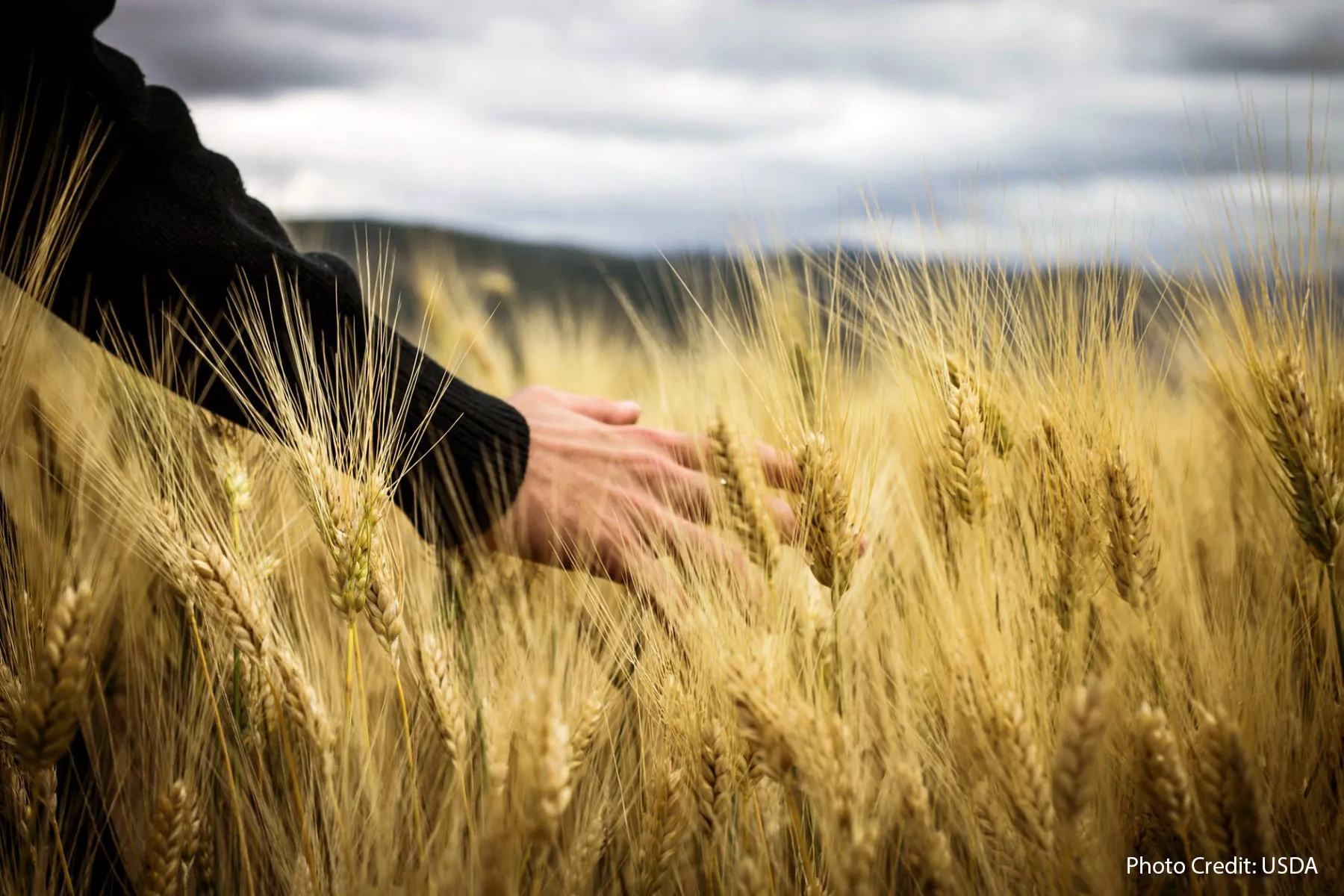
The future of food is not just about robot chefs flipping pancakes while drones deliver oat milk lattes to your porch. Although, let’s be honest, that would make Monday mornings significantly less dramatic. The real future of food is bigger, stranger, smarter, and more urgent. It involves climate-resilient farms, lab-grown ingredients, personalized nutrition, safer supply chains, less waste, and a renewed respect for the humble bean.
Food has always been more than fuel. It is culture, comfort, health, economics, identity, and occasionally the reason someone drives 40 minutes for “the good tacos.” But the global food system is under pressure from climate change, population growth, rising costs, labor shortages, food waste, diet-related disease, and consumer demand for convenience. In the United States alone, agriculture, food, and related industries make up a major part of the economy, while food spending remains one of the most visible pressures on household budgets.
So what will we eat in the next 10, 20, or 50 years? The answer is not one single futuristic plate. It is a whole menu of changes: smarter farms, better proteins, personalized diets, transparent supply chains, circular kitchens, and food businesses that treat sustainability as a practical operating system rather than a decorative sticker.
Why the Future of Food Matters Now
The food system is facing a math problem with emotional consequences. We need to produce enough nutritious food, make it affordable, protect the environment, reduce waste, keep food safe, and still make dinner taste like something people actually want to eat. Nobody wants a sustainable future that tastes like wet cardboard wearing a cape.
Climate change is already affecting food production through heat, drought, floods, shifting pests, water stress, and supply-chain disruptions. These issues can raise prices, reduce availability, and make farming more unpredictable. The future of food must therefore be resilient. That means farmers, scientists, food companies, governments, and consumers all have a role to play.
At the same time, technology is moving quickly. Artificial intelligence, sensors, robotics, genetics, fermentation, indoor farming, and data-driven nutrition are no longer science-fiction decorations. They are being tested, funded, debated, regulated, and slowly folded into everyday food systems.
Smart Farming: When Fields Get a Brain Upgrade
The farm of the future will still have soil, weather, tractors, and farmers who know more before breakfast than most apps know all day. But it will also have sensors, satellites, drones, artificial intelligence, robotics, and real-time data.
Precision Agriculture
Precision agriculture uses data to apply water, fertilizer, pesticides, and labor more efficiently. Instead of treating an entire field the same way, farmers can identify which sections need more irrigation, which plants are stressed, and where pests are appearing. This reduces waste, saves money, and can protect soil and water.
AI-powered tools can help predict crop disease, optimize harvest timing, and manage water use. Robotics may help address labor shortages by handling tasks such as weeding, harvesting, and sorting. The goal is not to replace farmers; it is to give them sharper tools. Think of it as turning the farm notebook into a command center, minus the evil villain music.
Climate-Smart Agriculture
Climate-smart agriculture focuses on practices that improve productivity while reducing environmental impact. Examples include cover crops, reduced tillage, crop rotation, improved nutrient management, agroforestry, and better manure handling. These practices can help soil hold carbon, retain water, and stay healthier over time.
The future of food will likely reward farms that can prove sustainability through measurable outcomes. That means more attention to greenhouse gas emissions, soil health, biodiversity, and water efficiency. Labels may become more data-backed, and consumers may increasingly want proof that “green” means something more specific than a leaf icon slapped on a package.
Indoor Farming and Controlled Environments
Vertical farms, hydroponics, aquaponics, aeroponics, and greenhouse systems are changing how some foods are grown. These systems can produce leafy greens, herbs, microgreens, strawberries, and other crops closer to cities, using controlled light, nutrients, temperature, and water.
Indoor farming will not replace outdoor agriculture. Nobody is growing America’s entire wheat crop in a glowing warehouse next to a yoga studio. But controlled environment agriculture can reduce transportation distance, protect crops from extreme weather, and produce consistent harvests. It may become especially valuable for high-value fresh foods in urban areas, hospitals, schools, restaurants, and regions with difficult climates.
The challenge is energy use. Indoor farms need electricity for lighting, cooling, and automation. Their success will depend on efficient technology, renewable energy, smart crop selection, and realistic economics. The winners will not be the flashiest farms; they will be the ones that can grow delicious food at a price people can actually pay.
Alternative Protein: Beyond the Burger Hype
Protein is one of the loudest conversations in the future of food. Meat is deeply loved, nutritionally important, culturally powerful, and environmentally complicated. The future will not be “everyone becomes vegan overnight.” That prediction has been made before, and then someone grilled ribs.
Instead, the protein landscape will diversify. Traditional meat, plant-based products, fermented proteins, cultivated meat, seafood alternatives, insect-based feed, and hybrid products may all occupy different spaces.
Plant-Based Foods
Plant-based foods are moving beyond imitation burgers. The next phase is likely to focus on better taste, shorter ingredient lists, lower prices, improved nutrition, and familiar formats. Consumers are increasingly skeptical of highly processed foods, so brands will need to build trust through simplicity and transparency.
Beans, lentils, chickpeas, soy, peas, nuts, seeds, mushrooms, and whole grains are not futuristic in the flashy sense, but they may be some of the most important foods of the future. They are affordable, versatile, protein-rich, and already part of many cuisines. The future may look less like a neon lab burger and more like a very good lentil stew that finally gets the respect it deserves.
Cultivated Meat
Cultivated meat is made by growing animal cells in controlled environments instead of raising and slaughtering whole animals. In the United States, federal agencies have already reviewed certain cultivated chicken and cultivated pork fat products through pre-market consultation processes.
However, cultivated meat still faces major hurdles: high production costs, scaling challenges, consumer acceptance, labeling debates, state-level restrictions, and questions about energy use. It may first appear in premium restaurants, specialty products, or hybrid foods rather than replacing supermarket meat overnight.
Precision Fermentation
Precision fermentation uses microorganisms to produce specific ingredients such as proteins, fats, enzymes, flavors, or dairy-like components. This technology can make animal-free versions of ingredients traditionally sourced from cows, eggs, or other animals.
The promise is huge: cheese that melts better, dairy proteins without cows, and food ingredients with lower land requirements. The challenge is equally real: regulation, price, scaling, consumer understanding, and clear labeling. In food, “trust me, it came from a tank” is not always a winning marketing line.
Personalized Nutrition: Food That Knows You Better
Personalized nutrition is one of the most exciting parts of the future of food. Instead of giving everyone the same broad advice, researchers are studying how genetics, lifestyle, sleep, activity, medical history, gut microbiome, and blood sugar responses affect individual nutrition needs.
The idea is simple: two people can eat the same meal and respond differently. One person may handle a bowl of rice smoothly; another may see a larger blood sugar spike. One person may thrive on more fiber; another may need a gentler transition before their gut stages a tiny protest.
In the future, nutrition apps, wearable devices, continuous glucose monitors, microbiome tests, and clinical data may help people choose meals that support their personal health goals. This could be useful for managing weight, diabetes risk, digestive health, athletic performance, and overall wellness.
But personalized nutrition must be handled carefully. Data privacy matters. Scientific evidence matters. A fancy app should not be treated like a doctor wearing a smartwatch. The best future combines technology with qualified health guidance, culturally appropriate food, affordability, and common sense.
Food Safety and Traceability: The Invisible Upgrade
The future of food is not only about what we eat. It is also about how quickly we can find out where food came from when something goes wrong. Foodborne illness remains a serious public health issue in the United States, affecting millions of people every year.
Better traceability can help identify contaminated products faster and remove them from the market more efficiently. Digital records, blockchain-style tracking, QR codes, sensors, and supply-chain data can all help create a clearer map from farm to fork.
Consumers may eventually scan a package and see where it was grown, when it was harvested, how it was transported, and whether it meets certain safety or sustainability standards. Of course, nobody wants to read a novel before buying spinach. The key will be making traceability useful, simple, and trustworthy.
Food Waste: The Easiest Future Win We Keep Ignoring
One of the most powerful ways to improve the future of food is not a new invention. It is wasting less of what we already produce. In the United States, more than one-third of available food goes uneaten through loss or waste. That wasted food represents wasted money, labor, land, water, energy, and opportunity.
Reducing food waste can lower greenhouse gas emissions, save households money, and improve food security. Practical solutions include better date labeling, smarter inventory systems, donation programs, composting, anaerobic digestion, smaller portion options, improved cold storage, and consumer education.
The refrigerator of the future may help track what is inside, suggest recipes before ingredients spoil, and remind us that the lonely zucchini in the drawer is still edible. It may also judge us silently, which is fair. That zucchini has been through a lot.
The Future Grocery Store
Grocery stores will become more digital, personalized, and transparent. Shoppers may see dynamic pricing that reduces food waste, smart shelves that track inventory, nutrition labels that connect to health apps, and more prepared foods designed for busy households.
The store may also become a classroom. Consumers want to know what food labels mean, how products were made, whether ingredients are sustainable, and how to cook healthy meals quickly. Brands that explain clearly will earn trust. Brands that hide behind vague claims may struggle.
Expect more hybrid products too: burgers made with both meat and mushrooms, dairy blended with plant ingredients, snacks fortified with fiber, and meals designed around protein plus plants. The future is not always either-or. Sometimes it is “yes, and please add sauce.”
Restaurants and Food Service: Technology Meets Hospitality
Restaurants will use more automation, but hospitality will still matter. Robots may help with repetitive kitchen tasks, inventory systems may reduce waste, and AI may forecast demand. But people still go to restaurants for flavor, atmosphere, celebration, and the magic of not washing dishes.
Menus may become more climate-aware, with seasonal ingredients, plant-forward options, smaller portions, and transparent sourcing. Chefs will play a major role in making sustainable foods desirable. After all, nobody changes the world with a sad salad. The future needs flavor first.
Challenges Ahead
The future of food will not arrive evenly. Wealthier consumers may get personalized nutrition tools, premium alternative proteins, and ultra-fresh indoor-grown produce first. Lower-income communities may still struggle with affordability, access, and diet-related disease.
That is why food innovation must include equity. A better food system should not only create exciting products for people who already have options. It should make nutritious, safe, affordable food easier to access for everyone.
There are also cultural challenges. Food is personal. People do not change diets just because a report says they should. Taste, price, habit, family tradition, religion, identity, and convenience all matter. The most successful future foods will respect culture rather than lecture it.
Experience Notes: Living With the Future of Food
The future of food becomes easier to understand when we stop imagining it as a spaceship meal and start noticing how it already appears in everyday life. The first experience is at the grocery store. A shopper who once bought only regular milk now sees shelves filled with lactose-free dairy, oat milk, almond milk, high-protein shakes, kefir, plant-based creamers, and yogurt with enough probiotic promises to sound like a tiny wellness conference. This is the future arriving quietly through choice.
Another experience is cooking at home. A family trying to save money may plan meals around beans, rice, frozen vegetables, eggs, canned tomatoes, and leftovers. That may not sound futuristic, but it is exactly where the future of food must prove itself. Sustainability is not only about new technology; it is about smarter habits. Turning leftover roasted vegetables into soup, using herbs before they wilt, freezing bread, and understanding date labels can reduce waste immediately. The future sometimes wears an apron and says, “We are not throwing that away.”
Restaurants offer another preview. Many menus now include plant-forward dishes that are not advertised as sacrifices. Mushroom tacos, lentil Bolognese, cauliflower steaks, chickpea bowls, seaweed salads, and vegetable-forward pizzas show that sustainable eating works best when it is delicious first. A diner does not need a lecture about carbon footprints if the food makes them close their eyes and say, “Wait, that’s really good.”
Technology also changes the personal experience of eating. Fitness trackers, food apps, glucose monitors, and digital meal planners are helping people connect food choices with energy, sleep, digestion, and mood. Some people discover they feel better with more protein at breakfast. Others learn that fiber is their friend, although sometimes a friend who arrives with dramatic sound effects. These tools can be useful when they encourage awareness rather than obsession.
The most meaningful experience, however, may be reconnecting with where food comes from. Farmers markets, community gardens, compost programs, school gardens, and local food boxes remind people that food is not born in plastic packaging. It grows, travels, spoils, nourishes, and connects. The future of food should not make us feel farther from nature. Ideally, it should help us respect nature with better tools.
In daily life, the future of food will feel like small decisions: choosing seasonal produce, wasting less, trying a new protein, reading labels more carefully, supporting responsible producers, and cooking one more meal at home. It will not be perfect. There will be confusing labels, overhyped products, expensive gadgets, and at least one “revolutionary” snack that tastes like drywall in a gym bag. But progress does not require perfection. It requires curiosity, practicality, and meals people want to eat again.
Conclusion
The future of food will be shaped by a simple question: how can we feed people well without exhausting the systems that feed us? The answer will involve technology, but not technology alone. It will involve farmers, scientists, chefs, public health experts, policymakers, businesses, and everyday eaters making better choices at scale.
Smart farms will use data to grow more with fewer resources. Alternative proteins will expand the menu. Personalized nutrition will help people understand their bodies. Traceability will make food safer. Waste reduction will become a moral, economic, and environmental priority. And through it all, flavor will remain the boss. Because no matter how advanced the food system becomes, dinner still has to taste like dinner.
The future of food is not a single miracle product. It is a smarter, cleaner, more flexible food culture. It is a world where a tomato may be grown with less water, a burger may include plants and mushrooms, a food label may tell a clearer story, and leftovers may finally get their heroic second act.