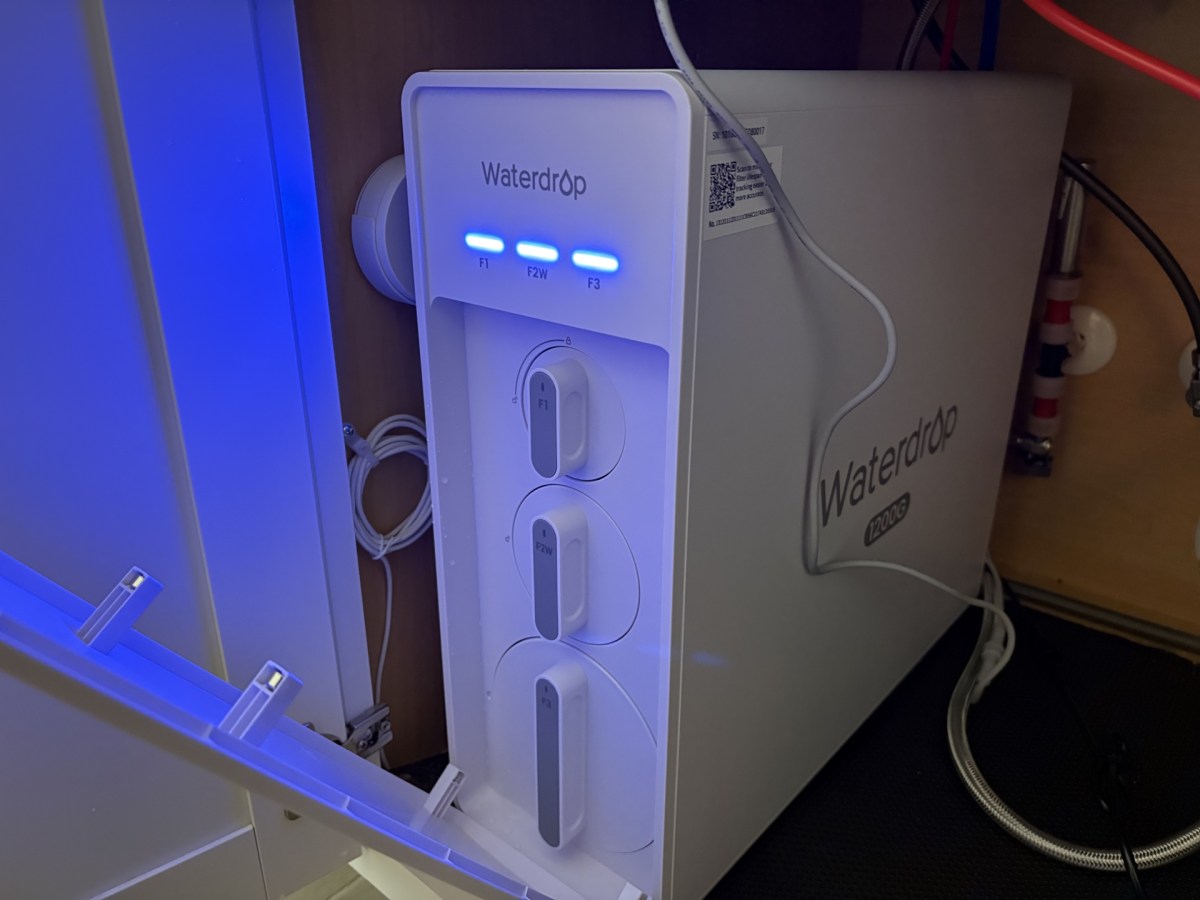
If your tap water tastes like it spent the afternoon licking a penny, a reverse osmosis system may be the kitchen upgrade you did not know you needed. Reverse osmosis, often shortened to RO, is one of the most powerful point-of-use water filtration methods for homeowners who want cleaner, clearer, better-tasting drinking water right from a dedicated faucet.
For 2025, Bob Vila’s reverse osmosis recommendations point toward a practical truth: the “best” system is not always the flashiest one. It is the one that fits your cabinet, matches your water quality, keeps up with your household, and does not make filter changes feel like a weekend plumbing hostage situation.
This guide breaks down the best reverse osmosis systems of 2025, including under-sink, tankless, countertop, budget-friendly, and well-water options. It also explains how RO systems work, what features matter most, and how to choose a system that makes sense for your home rather than your neighbor’s very dramatic water opinions.
Quick Answer: Best Reverse Osmosis Systems of 2025
| Category | Recommended System | Best For |
|---|---|---|
| Best Overall | Apec Water ROES-PH75 Essence | Reliable under-sink filtration with remineralization |
| Runner-Up | Waterdrop X12 Pro | High-output tankless performance and smart features |
| Best Value | Home Master TMAFC Full Contact | Strong flow, mineral enhancement, and long-term usability |
| Best Countertop | Sans Water Purifier | Renters, apartments, and no-drill kitchens |
| Best Tankless | Waterdrop G2 Tankless RO System | Saving under-sink space |
| Best Under-Sink | iSpring RCC7AK | Affordable six-stage RO with alkaline remineralization |
| Best for Well Water | iSpring RCC1UP-AK | Homes that need UV treatment and a booster pump |
What Is a Reverse Osmosis System?
A reverse osmosis system is a drinking water filtration setup that pushes water through a semipermeable membrane. That membrane is designed to reduce dissolved solids and many contaminants that basic pitcher filters may not handle as effectively. Most RO systems also include sediment filters, carbon filters, and sometimes extra stages such as UV treatment or remineralization.
In plain English, the system gives your tap water a serious spa day. Sediment filters catch grit and rust. Carbon filters help reduce chlorine taste and odor. The RO membrane targets tiny dissolved particles. A final polishing filter helps improve flavor before the water reaches your glass.
Many homeowners choose reverse osmosis water filtration for drinking water, coffee, tea, cooking, baby formula preparation, pet bowls, humidifiers, and ice makers. The flavor difference can be surprisingly noticeable, especially in areas with hard water, heavy chlorine taste, high total dissolved solids, or water that smells faintly like a swimming pool with ambition.
Why Bob Vila’s 2025 Picks Matter
Bob Vila’s 2025 reverse osmosis selections are useful because they compare real-world needs, not just shiny product claims. The strongest systems balance contaminant reduction, daily water output, ease of installation, filter life, cabinet space, water waste, and taste. That is important because RO systems can look similar online, but behave very differently once they move under your sink and start demanding elbow room.
The 2025 list gives special attention to systems with clear performance data, strong filtration stages, third-party certifications or testing, and practical features such as quick-change filters, smart faucets, booster pumps, and remineralization. In other words, it is less about “which box has the most impressive marketing words?” and more about “which system will still make sense six months from now?”
How to Choose the Best Reverse Osmosis System
1. Start With Your Water Quality
Before buying a reverse osmosis system, check your local water report or test your tap water. Municipal water customers can usually review an annual Consumer Confidence Report. Well-water users should consider laboratory testing because private wells are not regulated the same way public systems are.
If your water has high hardness, iron, sediment, sulfur odor, bacteria risk, or high total dissolved solids, you may need a more specialized setup. For example, well-water homes often benefit from a system with UV purification and a booster pump. City-water homes may do perfectly well with a traditional under-sink RO unit and carbon prefilters.
2. Decide Between Tank and Tankless
Traditional RO systems use a storage tank. These models are often affordable, dependable, and easy to maintain, but they take up space under the sink. Tankless reverse osmosis systems are slimmer and can deliver water on demand, but they usually cost more upfront and require electricity.
If your under-sink cabinet already contains cleaning sprays, trash bags, a garbage disposal, and one mystery object nobody wants to identify, a tankless model may be worth the extra money.
3. Look at Gallons Per Day
Gallons per day, or GPD, measures how much purified water a system can produce under ideal conditions. A 50- to 75-GPD system is usually enough for drinking and cooking in many households. Larger families, serious home cooks, or homes connecting RO water to an ice maker may prefer 100 GPD or more. High-output tankless systems can reach several hundred gallons per day, and premium models can go even higher.
4. Consider Water Waste
Reverse osmosis creates wastewater because the membrane separates cleaner water from rejected dissolved solids. Older or less efficient systems may send several gallons down the drain for every gallon of purified water. Newer efficient systems can reduce waste significantly, with some models advertising ratios such as 2:1, 1:1, or better.
If you live in a drought-prone area or simply dislike waste, choose an efficient RO system and pay attention to the drain ratio. Your water bill may not throw a parade, but it will appreciate the thought.
5. Check Certifications and Testing
Look for certifications or testing tied to standards such as NSF/ANSI 58 for reverse osmosis drinking water treatment systems. Also look for lead-free material certifications and clear contaminant reduction data. A brand that publishes detailed performance claims is usually easier to trust than one that simply says “removes bad stuff” and hopes you do not ask follow-up questions.
Best Reverse Osmosis Systems of 2025
Best Overall: Apec Water ROES-PH75 Essence Reverse Osmosis System
The Apec Water ROES-PH75 Essence stands out as one of the best reverse osmosis systems of 2025 because it combines dependable filtration, mineral enhancement, strong output, and straightforward maintenance. This six-stage under-sink RO system is rated for 75 gallons per day and includes a 4-gallon storage tank.
Its filtration process reduces common drinking water concerns such as chlorine taste, sediment, fluoride, arsenic, lead, heavy metals, and other dissolved impurities. The added remineralization stage helps improve taste by restoring beneficial minerals, which can make the water feel less “flat” than standard RO water.
This is a strong choice for homeowners who want a proven, no-nonsense under-sink reverse osmosis system. The trade-off is space. The storage tank and filter assembly need room, so measure your cabinet before buying. If your sink cabinet is already packed like a moving truck, prepare for a small reorganization ceremony.
Runner-Up: Waterdrop X12 Pro
The Waterdrop X12 Pro is built for homeowners who want modern performance and do not mind paying for convenience. This tankless reverse osmosis system offers high output, a compact footprint, smart faucet features, real-time TDS monitoring, and an efficient pure-to-drain ratio.
Its 11-stage filtration design targets many common contaminants and includes alkaline mineral enhancement for taste. The smart faucet makes it easy to monitor filter life and water quality at a glance. It also offers selectable water volumes, which is handy when filling a pot, bottle, or coffee maker without standing there like a kitchen statue.
The biggest advantage is the tankless design. It saves cabinet space and produces water quickly. The biggest drawback is price. It costs more than traditional tank systems, and replacement filters may also be more expensive. Still, for tech-friendly kitchens and larger households, the X12 Pro is one of the most appealing premium RO systems available.
Best Bang for the Buck: Home Master TMAFC Full Contact
The Home Master TMAFC Full Contact reverse osmosis system is a value pick that does not feel bargain-bin. It uses seven stages of filtration, purification, and remineralization, and it is designed to improve both water quality and taste.
One of its best features is the Full Contact remineralization process, which adds minerals back into the water at multiple points. This can help create a smoother flavor, especially for people who find standard RO water too neutral. The system also includes larger fittings and tubing to improve flow, which matters every time you fill a glass and do not want to wait long enough to contemplate your life choices.
The Home Master TMAFC is a smart fit for homeowners who want excellent daily usability, better taste, and good long-term value. Installation is still an under-sink project, so beginners should read the manual carefully and give themselves enough time.
Best Countertop: Sans Water Purifier
The Sans Water Purifier is ideal for renters, apartment dwellers, and anyone who wants reverse osmosis water without drilling into a countertop or rearranging plumbing. This countertop RO system uses a multi-stage process that includes reverse osmosis and UV-C treatment, plus a digital display for water quality monitoring.
Because it is a plug-and-play appliance, the Sans system removes much of the intimidation factor. You fill the tank, let the machine filter the water, and use the purified water from its pitcher or dispenser. It also offers hot water functionality, making it useful for tea, instant oatmeal, and those “I forgot lunch exists” noodle moments.
The downside is capacity. Countertop units are convenient, but they are not designed to supply an entire kitchen the way an under-sink system can. Still, for small households, renters, dorm-style spaces, or secondary kitchens, the Sans Water Purifier is a practical and stylish solution.
Best Tankless: Waterdrop G2 Tankless Reverse Osmosis System
The Waterdrop G2 is a space-saving tankless reverse osmosis system with a 400-GPD rating and a compact under-sink design. It is a strong option for homeowners who want faster flow and less cabinet clutter than a traditional tank system.
Its seven-stage filtration system uses a fine RO membrane and quick-change filters. The tankless format helps reduce the risk of stale water sitting in a storage tank, and the slim profile leaves more room for normal under-sink storage. That means your dish soap and trash bags may survive the upgrade.
The Waterdrop G2 is best for city-water homes, condos, and kitchens where space matters. It is not the cheapest option, but its combination of compact design, high capacity, and easier maintenance makes it a strong contender.
Best Under-Sink: iSpring RCC7AK
The iSpring RCC7AK is a popular six-stage under-sink reverse osmosis system that balances affordability, performance, and taste. It is rated for 75 gallons per day and includes an alkaline remineralization stage to restore minerals after filtration.
This model is especially appealing for homeowners who want a traditional RO setup without jumping into premium pricing. The included faucet gives the system a finished look, and the multi-stage process helps reduce many common impurities associated with taste, odor, and dissolved solids.
The main caution is water pressure. Like many tank-style RO systems, flow may feel slower than a standard faucet. For normal drinking and cooking, that is usually fine. For filling a giant stockpot, patience may become part of the recipe.
Best for Well Water: iSpring RCC1UP-AK
The iSpring RCC1UP-AK is designed for tougher water situations, especially homes with private wells. It includes seven stages, a booster pump, alkaline remineralization, and UV treatment. That combination makes it more robust than a basic city-water RO system.
The booster pump helps maintain pressure through the membrane, improving performance and efficiency. The UV stage adds an extra layer of protection for microbial concerns, which can be especially relevant for well-water users. It is rated at 100 gallons per day, making it suitable for households that need a steady supply of purified drinking water.
This system is larger and more expensive than simpler under-sink units, but well water often deserves the extra attention. If your water source comes straight from the ground, do not guess. Test first, then choose filtration that matches the results.
Installation Tips for Reverse Osmosis Systems
Most under-sink reverse osmosis systems are designed for DIY installation, but “DIY” does not mean “install while half-reading the instructions and eating chips.” Before starting, clear the cabinet, identify the cold-water line, check whether your sink has an extra faucet hole, and confirm that the drain saddle can be installed properly.
Many systems require a dedicated RO faucet. If your sink does not already have an opening for one, you may need to drill through the sink or countertop. Stainless steel is usually manageable with the right bit; stone countertops may call for professional help unless you enjoy expensive mistakes.
After installation, flush the system exactly as directed. New filters and membranes often need rinsing before the water tastes right. Skipping this step can lead to odd flavor, cloudy water, or a first glass that makes you wonder if you accidentally installed a science experiment.
Maintenance: What Owners Should Expect
Reverse osmosis systems are not difficult to maintain, but they do require regular attention. Sediment and carbon prefilters usually need replacement every 6 to 12 months, depending on water quality and usage. RO membranes can last longer, often 2 to 3 years, but hard water, chlorine exposure, and heavy sediment can shorten their lifespan.
Smart systems may display filter life automatically. Traditional systems rely on calendars, reminders, or that tiny voice in your head saying, “Did I change this last spring or during the previous presidential administration?”
To keep performance strong, replace filters on schedule, sanitize the system when recommended, check tubing for leaks, and monitor changes in taste, odor, or flow rate. A sudden drop in pressure or an odd flavor can mean a filter is clogged, a tank has pressure issues, or the membrane is ready for retirement.
Common Mistakes to Avoid
Buying More Stages Than You Need
More stages can be helpful, but they are not automatically better. A well-designed five- or six-stage system may outperform a poorly documented 10-stage system. Focus on tested performance, certifications, and your actual water report.
Ignoring Cabinet Space
Tank systems need room. Measure before buying, especially if you have a garbage disposal or pull-out organizer. The best reverse osmosis system in the world is less charming when it refuses to fit under your sink.
Forgetting Replacement Filter Costs
The purchase price is only part of the cost. Compare annual filter replacement expenses before choosing a system. A cheap unit with pricey filters may not be cheap for long.
Assuming RO Solves Everything
Reverse osmosis is powerful, but it is not a substitute for testing unsafe water, repairing plumbing problems, or disinfecting a contaminated well. For serious water concerns, test first and consult a qualified water treatment professional.
Real-World Experience: Living With a Reverse Osmosis System
Using a reverse osmosis system every day changes your relationship with tap water in small but noticeable ways. The first thing most people notice is taste. Coffee tastes cleaner. Tea loses that faint chlorine edge. Ice cubes look clearer. Pasta water suddenly feels like something worth discussing, which is how you know adulthood has fully arrived.
In a busy kitchen, the biggest practical benefit is consistency. Once the RO system is installed and flushed, you no longer need to refill pitcher filters, haul bottled water, or wonder whether the refrigerator filter is still doing anything useful. The dedicated faucet becomes part of the rhythm of the kitchen. Fill a kettle, rinse fruit, top off the dog bowl, make soup, fill a water bottle, repeat.
The biggest adjustment is flow rate. Traditional tank-style RO systems are not the same as opening a standard faucet at full blast. They are designed for purified drinking water, not pressure-washing a casserole dish. For most tasks, that is fine. Filling a glass takes seconds. Filling a large pot may take longer, which is why some homeowners keep using regular tap water for boiling pasta and save RO water for drinking, coffee, tea, sauces, soups, and ice.
Maintenance is another real-world factor. Filter changes are usually simple, but they are easy to forget. A calendar reminder helps. So does writing the installation date inside the cabinet door. If your system uses twist-lock filters, maintenance feels almost appliance-like. If it uses traditional housings, keep towels nearby and accept that a little water may escape. It is not a disaster; it is just plumbing’s way of staying humble.
Space is the one thing shoppers often underestimate. A tank-style RO system can claim a large part of the under-sink cabinet. If you love storing bulk cleaning supplies under the sink, you may need to relocate them. Tankless systems solve much of that problem, but they require electricity and cost more upfront. Countertop systems avoid plumbing altogether, but they take counter space and need manual refilling.
The best experience comes from choosing honestly. A family of five that cooks daily may appreciate a high-output tankless model. A renter may love a countertop purifier. A homeowner with well water may need UV and a booster pump. A couple in a city apartment may be perfectly happy with a dependable 75-GPD under-sink system.
After the novelty wears off, a good reverse osmosis system should become boring in the best possible way. It should sit quietly, produce clean-tasting water, ask for filter changes occasionally, and not create drama. In home improvement, boring reliability is underrated. Your water should be crisp, your coffee should be happy, and your sink cabinet should not look like it lost a fight with a plumber.
Conclusion: Which Reverse Osmosis System Should You Buy?
The best reverse osmosis system of 2025 depends on your water, your kitchen, and your patience for maintenance. For most homeowners, the Apec Water ROES-PH75 Essence is the best overall pick because it offers strong filtration, remineralization, reliable output, and manageable upkeep. For a premium tankless option, the Waterdrop X12 Pro brings smart features and huge capacity. For value, the Home Master TMAFC Full Contact remains a strong choice with excellent taste and flow.
Renters and no-drill households should consider the Sans Water Purifier. Space-conscious homeowners may prefer the Waterdrop G2. Budget-focused buyers can look at the iSpring RCC7AK, while well-water users should consider the iSpring RCC1UP-AK with UV treatment and a booster pump.
Before buying, check your water quality, measure your cabinet, compare filter costs, and choose a system with clear performance data. A reverse osmosis system is not just another kitchen gadget. It is a long-term drinking water upgrade, and when chosen well, it can make every glass, cup of coffee, and ice cube taste noticeably better.