Every home has a drawer that looks like it survived a small tornado: loose batteries, mystery keys, birthday candles, and one sad adhesive bandage from 2017. That drawer is not a first aid kit. It is a tiny museum of good intentions.
So, what makes the best first aid kit ever? It is not necessarily the biggest box, the most expensive pouch, or the one that proudly says it contains 300 pieceswhen 212 of those pieces are tiny bandages suitable only for paper cuts and emotionally fragile cucumbers. The best first aid kit is organized, realistic, easy to grab, regularly updated, and matched to your life.
Whether you are stocking a family home, building a car emergency kit, preparing for power outages, planning a hiking trip, or simply trying to become the person who says “I have gauze” with calm confidence, this guide will help you create a first aid kit that actually works when life gets pokey, burny, itchy, or unexpectedly dramatic.
What “The Best First Aid Kit Ever” Really Means
The best first aid kit is not a replacement for medical care. It is a bridge between “Oops” and “We have this handled,” or between an injury and professional help. A well-stocked kit helps you respond to common issues like minor cuts, scrapes, burns, splinters, blisters, insect bites, mild allergic reactions, headaches, and sprains.
For serious injuries, chest pain, trouble breathing, severe allergic reactions, major bleeding, poisoning, loss of consciousness, or anything that feels beyond basic care, emergency services should be contacted immediately. A first aid kit is a helper, not a superhero cape.
That said, a thoughtfully built kit can make everyday emergencies much less chaotic. Instead of hunting for tape while someone is dripping onto your kitchen floor, everything is in one labeled place. That alone may qualify as domestic luxury.
The Core Supplies Every Great First Aid Kit Needs
A strong first aid kit starts with the basics. These are the items most families, drivers, campers, and homeowners will reach for again and again.
Bandages and Wound Coverings
Stock adhesive bandages in assorted sizes, sterile gauze pads, nonstick pads, roller gauze, adhesive medical tape, butterfly closures, and at least one larger absorbent dressing. Small cuts need small bandages; bigger scrapes need coverage that does not stick painfully to the wound. Your future self will thank you for not relying on one lonely box of novelty cartoon bandages.
Cleaning and Infection-Prevention Supplies
Include antiseptic wipes, alcohol-based hand sanitizer, antibiotic ointment packets, sterile saline or wound wash, and disposable nitrile gloves. Gloves are especially important because first aid is not the time for a casual handshake with germs.
Tools That Make the Kit Useful
A good kit should include tweezers, small scissors or trauma shears, safety pins, a thermometer, a CPR breathing barrier, a small flashlight, and a simple first aid guide. Add a notepad and pencil so someone can write down symptoms, times, medications given, or instructions from a medical professional.
Comfort and Stabilization Items
Consider an elastic wrap bandage, triangular bandage, instant cold pack, emergency blanket, finger splint, and blister pads. These items are especially useful for sports, hiking, road trips, and the classic family activity known as “someone tripped over absolutely nothing.”
Over-the-Counter Medicines
Depending on your household needs, add pain relievers, antihistamines, hydrocortisone cream, calamine lotion, burn gel, anti-itch treatment, antacid tablets, and anti-diarrheal medicine. Store medicines in their original packaging when possible, check expiration dates, and follow label directions. Aspirin should be used carefully and is generally for adults unless a healthcare professional says otherwise.
Home First Aid Kit vs. Car Kit vs. Travel Kit
There is no single perfect kit for every situation. The best first aid kit ever is often a small system: one kit at home, one in the car, and one portable version for travel or outdoor activities.
The Best Home First Aid Kit
A home kit can be larger because it does not need to fit in a backpack. Use a clear plastic bin, tackle box, or divided organizer. Store it somewhere dry, cool, and easy to access. Avoid keeping it in a bathroom if humidity is high, because moisture can damage supplies and shorten shelf life.
For families, customize the home kit with personal medications, emergency contacts, allergy information, copies of important medical details, and child-specific supplies if needed. If someone uses prescription medicine, medical devices, inhalers, glucose tablets, or special care items, the kit should reflect that reality.
The Best Car First Aid Kit
A car kit should be compact, durable, and heat-aware. Include basic wound supplies, gloves, a flashlight, emergency blanket, instant cold pack, hand sanitizer, and any travel-safe personal medical items. Add water, a whistle, phone charger, and emergency contact card as part of a broader roadside emergency setup.
Because cars can get very hot or cold, check medicine and temperature-sensitive supplies often. The trunk is convenient, but it can turn into a weather experiment with wheels.
The Best Travel First Aid Kit
A travel kit should be lightweight and clearly labeled. Pack adhesive bandages, blister care, antiseptic wipes, pain reliever, antihistamine, stomach medicine, motion-sickness support if needed, tweezers, small scissors if allowed by transportation rules, and copies of prescriptions. Travel-size packaging saves space and makes the kit less likely to become a brick in your luggage.
Outdoor and Hiking First Aid Kits: Go Smaller, But Smarter
For hiking, camping, biking, fishing, or backpacking, weight matters. The goal is not to bring a hospital in your backpack. The goal is to carry the right supplies for the activity, group size, distance from help, weather, and known risks.
A short neighborhood hike may only require a mini kit with bandages, blister pads, wipes, gauze, tape, tweezers, gloves, and pain relief. A multi-day backpacking trip needs more: wound care, blister treatment, elastic wrap, medications, emergency blanket, water-resistant storage, and supplies for the number of people traveling.
Waterproof or water-resistant cases are excellent for outdoor kits. A soggy bandage is just a sad noodle with adhesive ambition.
Should You Buy a First Aid Kit or Build One Yourself?
Buying a premade first aid kit is convenient. It gives you a quick foundation and often costs less than buying every item separately. Many reputable kits are designed for homes, cars, hiking, offices, or large groups.
However, premade kits often have gaps. Some include too many tiny bandages and not enough high-value supplies like gloves, quality tape, wound wash, trauma shears, blister care, or personal medications. The smartest approach is often to buy a reliable premade kit and then upgrade it.
What to Look for in a Premade First Aid Kit
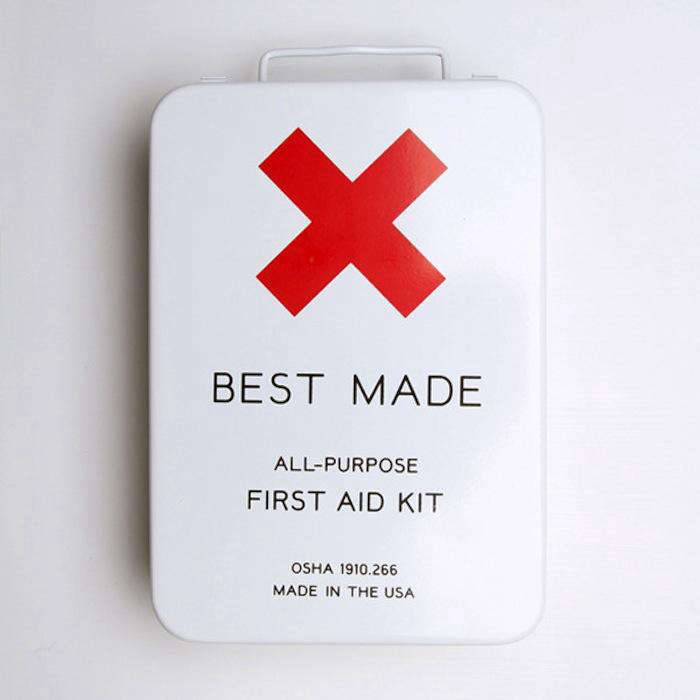
Choose a kit with clear compartments, durable packaging, recognizable supplies, and enough materials for your household or group size. For outdoor use, look for water resistance and compact organization. For workplace use, check whether the kit aligns with relevant workplace safety standards and risk level.
A kit that opens like a book with labeled pockets is much easier to use than a pouch where everything falls out like confetti at the worst possible moment.
When Building Your Own Kit Makes Sense
Build your own kit if your household has specific medical needs, pets, infants, frequent travelers, athletes, outdoor adventurers, or allergy concerns. A custom kit also makes sense if you want higher-quality versions of key items, such as better shears, stronger tape, larger gauze pads, or more useful blister care.
The “Best First Aid Kit Ever” Checklist
Use this practical checklist as a starting point, then personalize it:
- Adhesive bandages in assorted sizes
- Sterile gauze pads and nonstick pads
- Roller gauze and elastic wrap bandage
- Adhesive medical tape
- Antiseptic wipes and antibiotic ointment packets
- Disposable nitrile gloves
- Tweezers and small scissors or shears
- Instant cold pack
- Emergency blanket
- Thermometer
- CPR breathing barrier
- Hydrocortisone cream and antihistamine
- Pain reliever appropriate for your household
- Burn gel or burn dressing
- Blister pads or moleskin
- Saline wound wash or sterile eyewash
- First aid instruction booklet
- Emergency phone numbers and medical information
- Personal medications or doctor-recommended items
Organization: The Secret Ingredient Nobody Talks About
A first aid kit can contain excellent supplies and still fail if nobody can find anything. Organization turns a box of medical stuff into an actual emergency tool.
Group supplies by category: cuts and scrapes, burns, medications, tools, gloves and sanitation, sprains and wraps, and personal medical needs. Use small zip bags or labeled compartments. Put the most commonly used items near the top. Keep a printed inventory inside the lid and mark expiration dates.
For households, make sure everyone old enough to use the kit knows where it is. A hidden first aid kit is just a treasure chest with worse branding.
How Often Should You Check Your First Aid Kit?
Check your kit at least twice a year. Many people pair this with changing smoke detector batteries, seasonal cleaning, or the start of storm season. Replace expired medicines, dried-out wipes, damaged packaging, dead flashlight batteries, and supplies that were used but never restocked.
Also check the kit after every real use. Nothing ruins preparedness like opening the box and discovering the gauze is gone because someone used it three months ago and then “meant to replace it.” We have all met that person. Sometimes that person is us.
Common First Aid Kit Mistakes
Mistake 1: Buying the Biggest Kit Without Looking Inside
Piece count can be misleading. A 250-piece kit is not automatically better than a 100-piece kit if most of the contents are tiny bandages. Look for variety, quality, and usefulness.
Mistake 2: Forgetting Personal Needs
The best first aid kit for a household with toddlers is different from one for a retired couple, a soccer family, or a weekend backpacker. Personal medications, allergy information, spare glasses, glucose tablets, or child-safe supplies may matter more than another row of bandages.
Mistake 3: Storing It in a Bad Location
A kit should be easy to find, easy to carry, and protected from heat, moisture, and curious pets. A labeled shelf, kitchen cabinet, mudroom bin, car compartment, or backpack pocket can work well depending on the kit.
Mistake 4: Never Learning Basic First Aid
Supplies are useful, but knowledge makes them powerful. Consider taking a basic first aid and CPR course from a reputable organization. Even a simple class can make you calmer, faster, and more confident in an emergency.
Real-Life Experiences: What Makes a First Aid Kit Truly “The Best”?
The first time a first aid kit proves its worth, it is usually not during a dramatic movie-style emergency. It is during something ordinary: a kitchen knife nick, a scraped knee, a blister halfway through a family hike, or a bee sting at a picnic where everyone suddenly becomes a medical consultant.
One of the most useful lessons from real life is that speed matters. Not superhero speedjust “I know where the kit is” speed. A well-organized first aid kit removes panic from small emergencies. When a child runs in with a scraped elbow, you do not want to open six drawers, find expired ointment, and negotiate with a roll of tape that has fused into a single ancient artifact. You want gloves, wipes, gauze, ointment, and a bandage in one place.
Another experience-based truth: the supplies you use most are often the least glamorous. Adhesive bandages, antiseptic wipes, tweezers, blister pads, and cold packs are the everyday heroes. Fancy gear has its place, especially for outdoor adventures or workplaces, but the best kit is the one that handles common problems smoothly.
For road trips, a first aid kit becomes even more valuable. Someone gets a headache, a child gets carsick, a sandal creates a blister, or a gas-station snack makes a stomach file a formal complaint. A compact travel kit with basic medicine, wipes, bandages, gloves, and a thermometer can turn a potential trip-ruiner into a five-minute pause.
Outdoor experiences teach another lesson: waterproofing matters. A trail kit that gets soaked is not just inconvenient; it can become useless. Keeping supplies in a water-resistant pouch or sealed bags protects bandages, medications, and instructions. On hikes, blister care deserves royal treatment. A tiny hot spot on your heel can become the main character of the entire day if ignored.
Parents often discover that a first aid kit also has emotional value. A calm adult with a clean bandage can make a small injury feel manageable. The kit is not just gauze and tape; it is reassurance. Sometimes the most important item is not inside the boxit is the confidence to say, “You are okay. Let’s clean this up.”
Pet owners, caregivers, athletes, and frequent travelers should also personalize their kits. A generic kit is a good start, but real life is specific. If your family camps, add outdoor supplies. If someone has allergies, prepare accordingly with professional guidance. If sports are part of your routine, think about wraps, cold packs, and blister care. If grandparents visit often, include a readable emergency contact card and medication notes.
The best first aid kit ever is not perfect because it contains everything. It is excellent because it contains the right things, in the right place, for the people who will actually use it. It is checked regularly, labeled clearly, and simple enough that a stressed person can find what they need without dumping the contents onto the floor like a raccoon searching for treasure.
Conclusion: So, What Is the Best First Aid Kit Ever?
The best first aid kit ever is the one you can find quickly, understand instantly, and trust when something goes wrong. It includes reliable basics, personal medical needs, clear organization, and supplies matched to your home, car, workplace, travel plans, or outdoor adventures.
Start with a strong premade kit or build your own from scratch. Then personalize it, label it, check it twice a year, and make sure the people around you know where it lives. A first aid kit will never make accidents fun, but it can make them far less stressfuland that is a pretty heroic job for a box full of gauze.