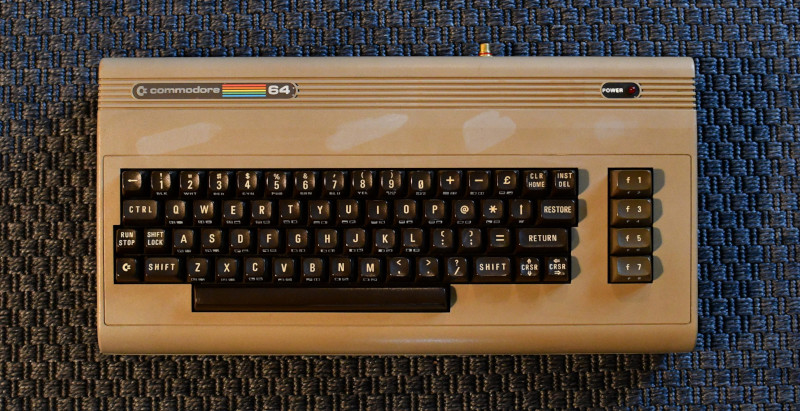
The Commodore 64 is not just an old computer. It is a beige, keyboard-shaped time machine with 64 KB of memory, a legendary SID sound chip, and a fan base that treats a blinking cursor like a national monument. Introduced in 1982, the C64 became one of the most beloved home computers ever made, thanks to its approachable price, strong game library, colorful graphics, and unforgettable chiptune personality.
But here is the awkward truth: even legends age. Plastic yellows, capacitors dry out, power supplies become suspicious little bricks of danger, and custom chips such as the PLA, VIC-II, SID, CIA, and MOS 6510 CPU are not exactly sitting on every corner store shelf next to the batteries. Restoring a Commodore 64 today can feel like archaeology with a soldering iron.
That is where a modern FPGA board changes the story. Instead of relying entirely on fragile original silicon, a field-programmable gate array recreates the behavior of classic hardware in programmable logic. In plain English, an FPGA can be configured to act like the original C64 motherboard, while adding modern conveniences such as HDMI output, USB storage, Ethernet, Wi-Fi, firmware updates, and cleaner power options. It is not the same as running a software emulator on a laptop. A good FPGA implementation aims to reproduce the machine at the hardware-timing level, making the experience feel much closer to the original breadbin than a casual app with a joystick overlay.
For collectors, gamers, repair hobbyists, musicians, educators, and anyone who ever typed LOAD “*”,8,1 with the confidence of a wizard, restoring a C64 with a modern FPGA board offers a practical path between preservation and usability. You keep the spirit, the keyboard feel, the case, the software library, and the retro charm. You simply remove a lot of the smoke, guesswork, and cable spaghetti.
What Is a Modern FPGA Board in a C64 Restoration?
A modern FPGA board is a new hardware platform that uses programmable logic to reproduce the functions of vintage computer chips. In a Commodore 64 restoration, that may mean replacing the entire original motherboard with a board such as the Ultimate 64 or a new FPGA-based C64 platform. It may also mean using FPGA-based peripherals, drive emulators, cartridge replacements, or expansion devices that work with original hardware.
The key difference is that FPGA hardware is reconfigurable. A normal CPU runs instructions in software. An FPGA can be programmed so that its internal logic behaves like specific hardware circuits. That makes it especially attractive for retro computers, where timing matters. Many C64 games, demos, fast loaders, copy-protection routines, raster effects, and sound tricks depend on the strange and beautiful behavior of the original chips. The C64 is not just a list of specifications. It is a carefully timed circus.
A modern FPGA C64 board can recreate the 6510 CPU, VIC-II graphics behavior, CIA timers, memory map, cartridge handling, and SID-style audio. Some boards also allow real SID chips to be installed, which is a huge bonus for purists who want authentic analog character. Others provide FPGA SID implementations that are cleaner, flexible, and easier to maintain. Either way, the goal is to preserve the C64 experience without forcing every owner to hunt down increasingly rare chips from the 1980s.
Why Restore a Commodore 64 Instead of Just Emulating It?
Software emulation is wonderful. It is affordable, convenient, and often accurate enough for casual play. But restoring a C64 with a modern FPGA board serves a different audience. It appeals to people who want the physical experience: the full-size keyboard, the cartridge slot, the joystick ports, the original case, the ritual of booting into BASIC, and the satisfying feeling that the computer in front of them is not merely pretending on a modern operating system.
There is also a preservation argument. Every original C64 motherboard that gets pushed harder and harder with aging parts is at risk. FPGA restoration can reduce wear on rare vintage components while keeping old cases, keyboards, and peripherals useful. Think of it as giving a classic car a modern ignition system. The soul is still there; it just starts more reliably and does not require chanting at the garage door.
Major Benefits of Restoring a C64 With a Modern FPGA Board
1. Better Reliability for Daily Use
The first major benefit is reliability. Original Commodore 64 machines are now more than four decades old. Even well-stored systems can suffer from failing capacitors, weak voltage regulators, cracked solder joints, oxidized connectors, damaged traces, and heat-stressed chips. The original power supplies are infamous among hobbyists because failures can send too much voltage into the computer and damage precious ICs.
A modern FPGA board removes many of these weak points. New components mean lower risk of random crashes, black screens, bad RAM symptoms, and intermittent failures. Instead of wondering whether the PLA is dying, the RAM is flaky, the power supply is angry, or the machine simply dislikes Tuesdays, you can enjoy a more stable system.
This is especially valuable for people who want to use a C64 regularly. Playing games for ten minutes on a museum-piece computer is one thing. Spending hours coding BASIC, composing SID music, testing disks, running demos, or hosting a retro-computing night is another. FPGA restoration makes the C64 practical again, not just decorative.
2. Modern Video Output Without Losing the Retro Feel
Original C64 video output was designed for CRT televisions and monitors. That is part of the charm, but it is not always friendly to modern screens. Composite and S-Video can look soft, adapters vary wildly in quality, and many new TVs do not enjoy low-resolution analog signals from the Reagan administration.
Modern FPGA boards often provide HDMI or DVI-compatible digital output, sometimes alongside analog video for CRT lovers. This means you can plug the machine into a modern monitor or capture device without building a small shrine of converters. The image is sharper, cleaner, and easier to share in videos or livestreams.
For many owners, this is the feature that turns a restored C64 from “cool thing in the closet” into “computer I actually use.” You can still use a CRT when you want the phosphor glow and scanline nostalgia, but HDMI makes day-to-day use much easier.
3. Convenient Storage and Faster Loading
The Commodore 1541 disk drive is iconic, but it is also large, slow, noisy, and not immune to mechanical wear. Tape loading is even more dramatic. It has suspense, patience, and the energy of a tiny plastic boat crossing an ocean.
FPGA-based boards and related devices often support modern storage through USB drives, microSD cards, disk images, cartridge images, and menu-driven file selection. Many include 1541-style drive emulation or compatibility with common C64 file formats such as PRG, D64, G64, and CRT. This allows users to load software without constantly relying on aging floppy disks.
For restoration, this is a huge usability upgrade. You can preserve original disks by making images of them, organize your software library more easily, and launch programs without spending half the evening swapping media. Some setups also support fast loading, virtual cartridges, freezer cartridges, and RAM expansion features, making the C64 feel both authentic and surprisingly capable.
4. Compatibility With Original Software and Peripherals
A strong FPGA C64 restoration is not about replacing the Commodore 64 with a generic retro box. It is about maintaining compatibility with the original ecosystem. Modern FPGA boards often support classic joysticks, cartridges, serial devices, cassette hardware, real keyboards, and original-style ports. The better the implementation, the more convincing the experience.
This matters because the C64 library is full of software that expects very specific behavior. Games may use raster timing tricks. Demos may push the VIC-II in ways that seem illegal but somehow work. Fast loaders may rely on drive behavior that ordinary software emulators need special handling to reproduce. Hardware-level FPGA recreations are designed to handle these edge cases more naturally.
No modern recreation is perfect for every possible scenario, and serious collectors should still check compatibility lists before buying. But the best FPGA boards are now accurate enough that many users can enjoy thousands of classic games, demos, utilities, and music programs with excellent results.
5. Preservation of Rare Original Chips
The SID chip is one of the C64’s crown jewels. Its analog filters, distinct voices, and unpredictable character helped define the sound of 1980s home computing. Unfortunately, original SID chips are no longer made, and working examples can be expensive. The same scarcity affects other custom chips, including the VIC-II and PLA.
When you restore a C64 with a modern FPGA board, you can reduce stress on these parts. Some builders transfer only the original keyboard and case, leaving the old motherboard safely stored. Others install one or two real SID chips into a modern board that supports them, giving the machine authentic sound while using newer hardware for the rest of the system.
This approach gives owners more choices. A purist can keep original chips in use. A practical gamer can use FPGA audio. A collector can preserve the original board untouched. The important point is that restoration no longer has to mean sacrificing rare parts to everyday wear.
6. Cleaner Power and Lower Heat
Heat is a quiet enemy in vintage computers. Original C64 chips can run warm, and decades of thermal cycling do not improve their mood. Modern FPGA boards are generally designed with newer power regulation and more efficient components. That can mean less heat, fewer power-related failures, and safer long-term operation.
Clean power is also important for protecting peripherals and audio quality. A refreshed system with modern regulation is less likely to produce mysterious instability. It is also less likely to make you wonder whether your beloved computer is about to become a toasted sandwich with keys.
Restorers should still use quality power supplies and follow the board maker’s guidance. A modern board is not magic armor against every bad adapter on Earth. But compared with an aging original power brick and a tired motherboard, it is a major step forward.
7. Firmware Updates and Long-Term Improvement
One of the most exciting benefits of FPGA restoration is that the hardware can improve over time. Firmware updates may refine compatibility, add features, fix bugs, improve video modes, expand storage support, or tune audio behavior. That is not something a stock 1982 motherboard can do without physical modifications.
This makes a modern FPGA C64 feel alive in a way that respects the past while embracing the present. If a tricky demo fails today, a future firmware update may solve it. If a new file browser feature is added, the machine becomes easier to use. If network functionality improves, the C64 gains new ways to connect with modern retro communities.
For hobbyists, firmware updates also provide a sense of involvement. You are not just restoring a computer; you are joining a living ecosystem of developers, testers, modders, musicians, gamers, and collectors who are still expanding what the C64 can do.
8. Better Networking and Community Access
Original Commodore 64 users connected to bulletin board systems with modems. Today, modern FPGA boards may include Ethernet, Wi-Fi, or modem emulation features. That makes it easier to access retro online services, transfer files, update firmware, or explore modern BBS culture without needing a pile of rare networking accessories.
This is one of the funniest and most wonderful contradictions of modern retro computing: a 1980s-style computer using Wi-Fi to reach a modern recreation of an old online world. It sounds absurd until you try it. Then it feels like discovering a secret tunnel between decades.
Networking also makes restoration more social. Instead of using the C64 as a lonely nostalgia device, owners can join communities, download legal homebrew software, share projects, and participate in events. The restored machine becomes a doorway, not a dead end.
Specific Examples of FPGA-Based C64 Restoration Options
Ultimate 64 and Ultimate 64 Elite Boards
The Ultimate 64 line is one of the best-known FPGA-based C64 motherboard replacements. It is designed to fit into original-style C64 cases and provide a hardware implementation of the Commodore 64. Features commonly associated with this family include HDMI, Ethernet, USB, support for original ports, menu-driven file selection, and integrated functionality inspired by the 1541 Ultimate ecosystem.
For someone restoring a damaged or incomplete C64, this type of board can be ideal. If the original motherboard is beyond reasonable repair, the keyboard and case can still be saved. The result is a machine that looks and feels like a C64 but behaves more reliably and connects more easily to modern equipment.
Commodore 64 Ultimate Systems
Recent FPGA-based Commodore 64 Ultimate systems show how far the concept has come. These machines combine a classic full-size computer format with modern additions such as HDMI, USB, Wi-Fi, Ethernet, flash storage, and support for original peripherals. For users who do not already own a restorable C64, a complete FPGA-based C64 system can offer the experience without the repair hunt.
For restoration purists, a full modern recreation is not the same as reviving a personal childhood machine. But it is important for the broader C64 ecosystem. It keeps the platform visible, gives newcomers a reliable entry point, and reduces pressure on the remaining original hardware.
MiSTer FPGA and C64 Cores
MiSTer FPGA is a broader retro platform that supports many computer, console, and arcade cores, including Commodore 64 implementations. It is not a drop-in restoration board for an original C64 case in the same way as a dedicated replacement motherboard, but it demonstrates the strength of FPGA preservation. It gives users a flexible way to experience classic hardware behavior with low latency and strong community development.
For someone deciding between a physical C64 restoration and a multi-system FPGA setup, MiSTer is worth understanding. A dedicated C64 FPGA board is better for rebuilding the real-machine experience. MiSTer is better for people who want one compact FPGA platform for many systems.
FPGA and Modern Logic Replacements for Problem Chips
Not every restoration requires replacing the whole motherboard. Some C64 owners prefer to keep the original board and replace only failed components. Modern PLA replacements, SID alternatives, RAM expansions, and drive emulation devices can bring a tired computer back to life while preserving more of the original circuitry.
This hybrid approach is often the best choice when the motherboard is mostly healthy. Replace the unreliable or unavailable parts, recap where necessary, clean the keyboard, use a safe power supply, and add modern storage. The result is still very much an original Commodore 64, just with fewer opportunities for surprise electrical drama.
FPGA Restoration vs. Traditional Repair
Traditional repair has a special satisfaction. Diagnosing a dead C64, socketing chips, replacing capacitors, cleaning corrosion, and watching the blue BASIC screen return can feel heroic. It is real preservation work, and it teaches valuable skills.
However, traditional repair can become expensive and frustrating if multiple custom chips are dead. A replacement SID, VIC-II, PLA, CPU, or CIA may cost more than expected, and used chips can arrive with their own problems. Some machines become parts donors because the cost of returning them to stable daily use exceeds their practical value.
FPGA restoration offers a different path. It may cost more upfront than a simple repair, but it can be more predictable. Instead of chasing one failure after another, you install a modern board and focus on the keyboard, case, power, peripherals, and software experience. For many owners, that is a better use of time and money.
The best answer depends on the machine. A rare, early, collectible C64 with a repairable motherboard deserves careful preservation. A common breadbin with a destroyed board may be a perfect FPGA restoration candidate. A childhood computer with sentimental value might justify either route. The goal is not to declare one method superior for everyone. The goal is to keep more C64s alive, useful, and loved.
How FPGA Boards Improve the Everyday C64 Experience
Gaming Becomes Easier
Games are often the first reason people return to the C64. With FPGA restoration, loading titles from USB or microSD is faster and cleaner than relying only on physical disks. Joystick support keeps the tactile feel intact, while HDMI makes it easy to play on a modern display. Many users can enjoy classics like Impossible Mission, International Karate, The Last Ninja, Maniac Mansion, and modern homebrew without dedicating half the room to vintage accessories.
Music Production Gets More Practical
The C64 is still loved by chiptune musicians. FPGA boards with SID options can make music work more reliable. Dual SID configurations, audio output improvements, and easier file transfer help artists focus on composing rather than troubleshooting. If real SID sockets are available, musicians can still use authentic chips while benefiting from a stable modern motherboard.
Programming Feels Authentic but Less Painful
Typing BASIC or assembly on a restored C64 has a charm that modern IDEs cannot duplicate. FPGA boards preserve that direct relationship with the machine while making storage and display easier. You can write code on the actual keyboard, test it quickly, save it to modern media, and avoid the emotional roller coaster of a failing floppy disk.
Demoscene Exploration Becomes More Accessible
The C64 demoscene is famous for pushing hardware beyond what ordinary users thought possible. FPGA accuracy is especially important here because many demos rely on exact timing. A high-quality FPGA implementation gives modern users a practical way to explore this art form without putting fragile original boards under constant stress.
Things to Consider Before Installing an FPGA Board
Before restoring a C64 with a modern FPGA board, consider your goals. Do you want historical authenticity, daily usability, game compatibility, music production, display convenience, or all of the above? The answer affects which board or setup makes the most sense.
Check case compatibility. Some boards fit breadbin cases more easily than later C64C cases, while others may need brackets or small adjustments. Review power requirements carefully. Use the recommended power supply, not a random adapter from the drawer of mysterious cables. If the board supports real SID chips, confirm voltage settings and chip type before installation. A 6581 and 8580 do not have identical power and filter requirements, and getting that wrong can turn a rare sound chip into an expensive lesson.
Also check firmware maturity and community support. A board with active updates, documentation, and user discussion is usually easier to live with. Retro computing is more fun when you are not alone in the forest holding a multimeter and whispering, “Why is the screen purple?”
The Preservation Argument: Saving the C64 for the Next Generation
Restoring a C64 with a modern FPGA board is not merely about convenience. It is also about cultural preservation. The Commodore 64 introduced millions of people to programming, gaming, digital music, graphics, and online communication. It helped shape the home computer era and inspired developers, artists, engineers, and hobbyists who are still active today.
If the only way to experience the C64 is through increasingly fragile original hardware, the community eventually shrinks. FPGA boards create a sustainable bridge. They allow original machines to be preserved, reduce dependence on rare parts, and give new users a reliable way to experience the platform.
This matters for education too. A C64 is simple enough to understand compared with modern computers, yet powerful enough to demonstrate memory maps, sprites, sound synthesis, interrupts, assembly language, storage systems, and hardware constraints. A restored FPGA-based C64 can be a fantastic teaching tool because it behaves like classic hardware but connects to modern classrooms and displays.
Common Myths About FPGA C64 Restoration
Myth: FPGA Means Fake
FPGA does not mean fake. It means the hardware behavior is recreated in programmable logic rather than software running on a general-purpose computer. A restored FPGA C64 is not identical to an untouched 1980s motherboard, but it can be a faithful and practical hardware recreation. For many users, the experience is closer to original hardware than a casual software emulator.
Myth: It Ruins the Value of the Computer
A careless modification can reduce collector value, especially on rare units. But many FPGA restorations are reversible. Keeping the original motherboard safely stored, preserving the case, and avoiding destructive case modifications can protect value while improving usability. For damaged or incomplete machines, FPGA restoration may actually save a computer that would otherwise sit unused.
Myth: Only Experts Can Do It
Some installations require technical confidence, but many modern boards are designed with hobbyists in mind. If you can carefully disassemble a case, handle static-sensitive components, follow documentation, and avoid forcing connectors, you may be able to perform a basic installation. More advanced work, such as SID configuration or case adaptation, may require extra research.
Practical Experience: What It Feels Like to Restore a C64 With an FPGA Board
Restoring a C64 with a modern FPGA board is a surprisingly emotional experience. At first, it feels like a repair project. You clear a table, remove the screws, lift the top case carefully, and stare at the keyboard cable as if it might judge your life choices. Then the old computer opens up, and suddenly it is not just plastic and circuitry. It is a small piece of computing history.
The first practical step is usually assessment. Is the case cracked? Are the keyboard posts intact? Are the keys yellowed, sticky, or missing? Does the original board show corrosion, previous repair attempts, lifted traces, or signs of power damage? A good FPGA restoration does not mean rushing. It means deciding what should be preserved, what should be cleaned, and what should be replaced.
One of the most satisfying parts is cleaning the case and keyboard. Removing decades of dust from a C64 can feel like excavating a tiny beige civilization. The keys often need patient cleaning, and the case may benefit from careful washing. Some owners use retrobright methods to reduce yellowing, while others keep the aged color as part of the machine’s story. Both choices are valid. A slightly yellowed C64 has character. It looks like it has seen things, probably including at least one family argument over who erased the game disk.
Installing the FPGA board is usually the moment when the restoration becomes real. A board designed for the C64 case should line up with major openings and mounting points, but patience matters. Do not overtighten screws. Do not bend connectors. Do not assume every cable goes where your instincts say it goes. Read the documentation twice, especially if the setup includes real SID chips. Configuring the wrong SID voltage is the sort of mistake that makes a hobbyist stare silently at a wall for several minutes.
The first power-on is the reward. When the display wakes up and the familiar BASIC screen appears, the room changes. It is not just nostalgia. It is relief, delight, and a tiny burst of triumph. The C64 prompt has always been simple, but on a restored FPGA system it feels almost theatrical. The old machine is back, except now it can talk to a modern display, load from modern storage, and behave reliably enough to use without holding your breath.
Daily use is where the benefits become obvious. Loading software from USB or microSD is dramatically more convenient than digging through unknown floppy disks. HDMI output makes the machine easy to connect. Network features open the door to online retro services. Firmware menus make configuration manageable. Instead of spending the whole evening troubleshooting, you actually use the computer.
That shift matters. A vintage computer that only works occasionally becomes an artifact. A restored FPGA C64 becomes a living machine. You can play games, write code, test homebrew software, compose music, explore demos, and introduce younger people to a world where 64 KB was enough to create entire universes. They may laugh at the loading screens, but they usually stop laughing when the SID starts singing.
The experience also teaches respect for the original engineers. Modern FPGA boards are impressive, but they also highlight how clever the C64 was in the first place. The VIC-II, SID, memory banking, sprites, raster interrupts, and cartridge system were not accidents. They were smart compromises packed into an affordable home computer. Restoring one with modern hardware does not erase that achievement. It makes it easier to appreciate.
The best part is that FPGA restoration removes fear. You no longer feel that every gaming session might be the last breath of a rare chip. You can still preserve original hardware, but you are not forced to treat the C64 like a porcelain dragon. The machine becomes approachable again. That is the real magic: not just making an old computer work, but making it useful, enjoyable, and shareable in the present.
Conclusion
Restoring a Commodore 64 with a modern FPGA board is one of the smartest ways to balance authenticity, reliability, and everyday usability. It preserves the character of the original machine while solving many of the problems that come with four-decade-old electronics. Better video output, modern storage, stronger reliability, firmware updates, network options, and reduced dependence on rare chips all make FPGA restoration a compelling choice.
For collectors, it protects valuable original hardware. For gamers, it makes the C64 easier to enjoy. For musicians, it keeps SID-style creativity alive. For educators, it provides a hands-on way to teach classic computing. And for nostalgic users, it brings back the joy of the blue screen without requiring a repair bench, three spare PLAs, and a heroic tolerance for flaky power supplies.
The Commodore 64 earned its place in computing history because it was accessible, creative, and fun. A modern FPGA board does not replace that legacy. It helps carry it forward. The breadbin may be old, but with the right restoration, it still has plenty of pixels, bleeps, and surprises left to give.