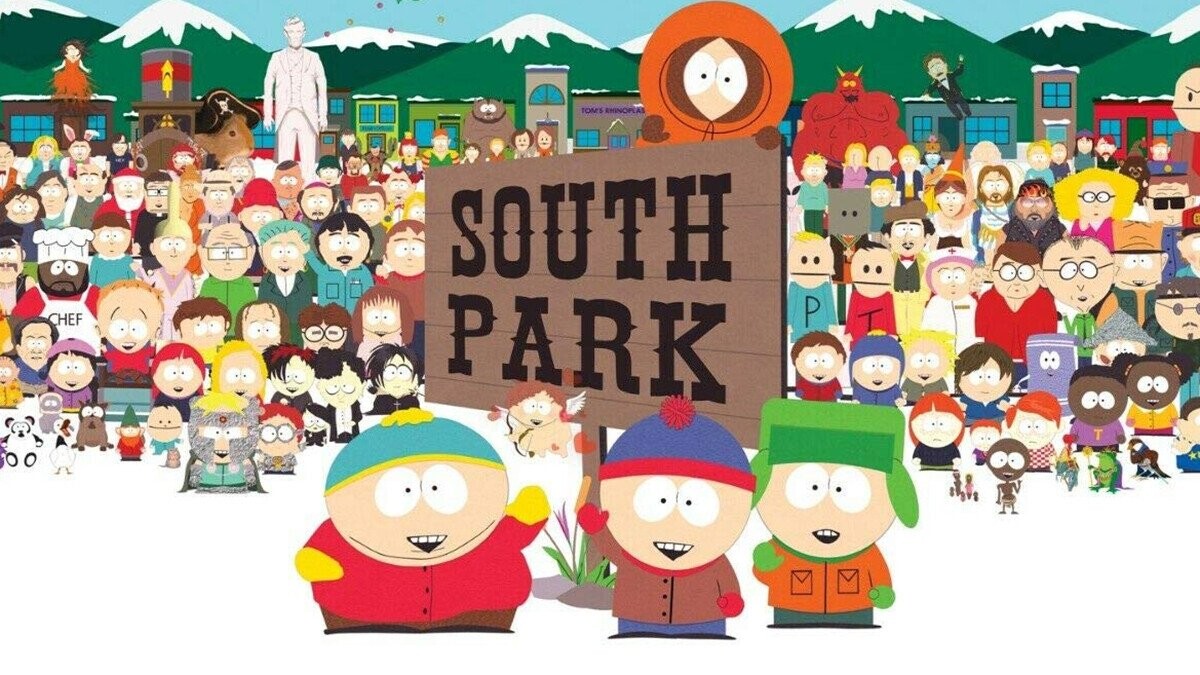
Editorial note: Thisty, satirical usefulness, character development, and the highly scientific question, “Would South Park feel emptier without this lunatic?”
For a quiet mountain town in Colorado, South Park has an alarming population of children, criminals, talking towels, woodland murderers, incompetent adults, supernatural beings, and Canadians with aggressively detachable heads.
Since South Park premiered in 1997, creators Trey Parker and Matt Stone have built one of television’s deepest comic ensembles. Stan Marsh, Kyle Broflovski, Eric Cartman, and Kenny McCormick may be the original center of the show, but its durability comes from the entire community. A background resident can disappear for six seasons, return with one ridiculous sentence, and instantly remind viewers why this town remains endlessly reusable.
Ranking the 100 greatest South Park characters therefore requires more than measuring screen time. The best characters generate unforgettable stories, expose hypocrisy, strengthen the show’s social satire, or simply make a scene funnier by entering it. Some are emotionally layered. Others are sentient pieces of feces. Both approaches have produced excellent television.
Ranking the Best South Park Characters
100–81: Deep Cuts, Cult Favorites, and Classroom Chaos
- Pip Pirrup: The excessively polite English student was built for abuse, but his strange optimism made the cruelty around him even funnier.
- Gregory: This sophisticated transfer student brought theatrical confidence, military planning, and a gloriously overdramatic presence to the movie.
- The Mole: A chain-smoking French resistance fighter who treated every mission like a filthy existential crisis.
- Damien Thorn: Satan’s son arrived with supernatural powers, daddy issues, and one of the show’s earliest memorable schoolyard battles.
- Trent Boyett: His revenge campaign transformed a childhood misunderstanding into a wonderfully excessive prison-return thriller.
- DogPoo Petuski: A permanently filthy background student whose unexplained appearance remains one of the show’s simplest visual jokes.
- Kevin Stoley: Kevin rarely commands the story, but his dependable classroom presence helps make South Park Elementary feel like a real community.
- Red McArthur: Recognizable by her red hair and minimal patience, Red has quietly survived decades of educational disasters.
- Annie Knitts: Another longtime student whose consistency gives the constantly mutating classroom a welcome thread of continuity.
- David Rodriguez: His determination to make people pronounce his name correctly gave the gentrification storyline a sharp personal punch line.
- Classi: Loud, confident, and impossible to intimidate, Classi announces herself as if every entrance requires its own theme song.
- Lexus: The Raisins employee demonstrated how quickly Butters can turn a commercial interaction into a devastating romantic commitment.
- Dougie O’Connell: A tiny redheaded follower who becomes much more entertaining whenever Professor Chaos requires an easily impressed associate.
- Mimsy: Nathan’s dim but oddly lovable assistant has impeccable timing, especially when accidentally ruining another supposedly brilliant scheme.
- Nathan: A manipulative summer-camp villain whose elaborate plans repeatedly collapse because he chose Mimsy as his operational department.
- Scott Malkinson: His diabetes and distinctive speech began as running jokes, but later stories gave him insecurity, sincerity, and unexpected sweetness.
- Nichole Daniels: Smart, composed, and athletic, Nichole often seems more emotionally mature than nearly every adult in town.
- Heidi Turner: Her transformation from kind student to Cartman-influenced bully created one of the series’ darkest relationship arcs.
- Bebe Stevens: Wendy’s confident best friend has driven stories about popularity, attraction, fashion, and the terrifying politics of elementary school.
- The Goth Kids: Henrietta, Michael, Pete, and Firkle turn adolescent alienation into a rigid lifestyle involving coffee, cigarettes, and aggressive nonconformity.
80–61: Monsters, Mascots, and Memorable One-Offs
- Henrietta Biggle: The Goth Kids’ commanding voice of misery brings authority to every meeting of the town’s dedicated nonconformists.
- Bradley Biggle: Better known as Mintberry Crunch, Bradley turned an intentionally ridiculous superhero identity into a surprisingly cosmic success.
- Scott Tenorman: His humiliation of Cartman triggered the revenge plot that permanently changed how audiences understood Cartman’s capacity for evil.
- Starvin’ Marvin: An early fan favorite who helped the series evolve from crude schoolyard comedy into unexpectedly pointed social commentary.
- Al Gore: The show’s frantic version of Gore spent years warning everyone about ManBearPig before receiving a surprisingly substantial vindication.
- Sexual Harassment Panda: An educational mascot whose painfully specific job demonstrated why schools should carefully review their costume-based learning programs.
- Captain Hindsight: The superhero who arrives after disasters to explain what should have happened is a beautifully efficient satire of media commentary.
- Scuzzlebutt: A mountain monster with Patrick Duffy for a leg somehow became one of the boys’ more reliable wilderness acquaintances.
- Mr. Kitty: Cartman’s cat endures hostility, costume changes, and household chaos while remaining more sympathetic than its owner.
- Sparky: Stan’s dog anchored an early episode that combined juvenile humor with an unusually sincere message about acceptance.
- The Woodland Critters: Their adorable voices and unspeakably evil rituals created one of the most shocking reversals in the show’s history.
- ManBearPig: Initially presented as an absurd obsession, the creature later became a powerful symbol of ignored dangers and delayed consequences.
- The Underpants Gnomes: Their business plan—collect underpants, insert mystery, earn profit—became an enduring joke about corporate strategy.
- The Crab People: Their catchy chant and gloriously cheap disguises turned a brief underground conspiracy into a permanent fan reference.
- The Member Berries: These nostalgic fruits weaponized comforting memories, perfectly mocking entertainment that sells audiences their childhoods again.
- Chef’s Parents: Their endless encounters with a Loch Ness Monster seeking “tree fiddy” produced one of the show’s most quoted stories.
- Mrs. Crabtree: The original bus driver communicated through shouting, threats, and a complete absence of appropriate child-supervision techniques.
- Nurse Gollum: Her visible medical condition fueled an early story about prejudice while giving the school another wonderfully strange employee.
- Ms. Choksondik: The fourth-grade teacher’s appearance, frustration, and unfortunate fate made her short tenure exceptionally memorable.
- Principal Victoria: Unlike most adults, she occasionally displayed competence, which may explain why South Park Elementary eventually replaced her.
60–41: The Adults Allegedly in Charge
- Mr. Adler: The shop teacher turned industrial safety lessons into traumatic flashbacks, furious shouting, and hazardous machinery demonstrations.
- Father Maxi: South Park’s priest is frequently hypocritical but sometimes practical enough to recognize when organized religion has become ridiculous.
- Mayor McDaniels: She manages scandals, celebrity visits, monsters, riots, and public-relations catastrophes with the exhausted professionalism the town deserves.
- Officer Barbrady: The town’s original police force was functionally illiterate, impressively confused, and always confident that there was nothing to see.
- Detective Harrison Yates: Yates attacks every investigation with maximum theatrical intensity and only occasional regard for sensible procedure.
- Dr. Alphonse Mephesto: His genetic experiments, mysterious laboratory, and obsession with creatures possessing extra buttocks defined the show’s early weirdness.
- Jimbo Kern: Stan’s uncle approaches hunting, politics, and survival with enthusiasm, weaponry, and extremely flexible definitions of self-defense.
- Ned Gerblansky: Ned’s mechanical voice and loyal partnership with Jimbo make even his smallest reactions instantly recognizable.
- Strong Woman: An accomplished athlete and administrator whose patience is continually tested by PC Principal’s emotions and the town’s hypocrisy.
- Mr. Slave: His outrageous persona could have remained a one-note joke, but his confidence and surprising emotional intelligence gave him staying power.
- Big Gay Al: Cheerful, generous, and unapologetically himself, Al is among the show’s warmest characters and most spectacular musical hosts.
- Santa Claus: South Park’s heavily armed Santa has survived war zones, supernatural conflicts, and repeated partnerships with Jesus.
- Jesus: He hosts public-access television, fights evil, offers moral advice, and still struggles to be heard by South Park’s residents.
- God: The show’s deliberately unexpected depiction of God combines cosmic authority with an appearance no theology textbook could adequately prepare readers for.
- Saddam Hussein: Presented as Satan’s manipulative partner, Saddam became an essential villain in the movie and the show’s infernal mythology.
- Mr. Hankey: The Christmas Poo is cheerful, musical, disgusting, and somehow capable of turning sanitation waste into holiday sentiment.
- Tuong Lu Kim: The City Wok owner’s escalating feuds and secret identity made him one of South Park’s strangest recurring townspeople.
- Mr. Hat: Mr. Garrison’s puppet functioned as an unfiltered extension of his personality, delivering thoughts his owner pretended not to control.
- Mr. Twig: A replacement puppet who never had Mr. Hat’s danger, charisma, or ability to survive a deeply unhealthy relationship.
- Scott the Dick: Canada’s famously unpleasant Scott is a reliable source of hostility whenever Terrance and Phillip require a national enemy.
40–21: Families, Friends, and Superhero Identities
- Ugly Bob: Considered inexplicably hideous by other Canadians, Bob proves that beauty standards remain absurd even when everyone has the same face.
- Liane Cartman: Cartman’s permissive mother alternates between enabling his behavior and attempting, usually too late, to establish boundaries.
- Sheila Broflovski: Sheila’s protective instincts can expand from concerned parenting to international warfare with remarkable speed.
- Gerald Broflovski: A successful attorney, loving father, and occasionally destructive internet troll, Gerald embodies comfortable adult hypocrisy.
- Sharon Marsh: Often the only reasonable person in her household, Sharon deserves hazard pay for remaining married to Randy.
- Shelley Marsh: Stan’s aggressive older sister communicates affection through braces, rage, and the occasional threat of physical destruction.
- Marvin Marsh: Grandpa Marsh adds elderly frustration, uncomfortable requests, and darkly funny reflections on aging to the family.
- Stuart McCormick: Kenny’s father is irresponsible and frequently intoxicated, yet his chaotic home life sometimes reveals genuine family loyalty.
- Carol McCormick: Carol’s exhaustion and resilience provide a grounded glimpse into the poverty that surrounds Kenny’s more absurd adventures.
- Stephen Stotch: Butters’ father turns minor misunderstandings into investigations, punishments, panic, or deeply questionable parenting decisions.
- Linda Stotch: Linda appears gentler than Stephen until stress exposes how spectacularly unstable the entire Stotch household really is.
- Karen McCormick: Kenny’s younger sister reveals his protective side and gives emotional meaning to the Mysterion mythology.
- Kevin McCormick: Kenny’s brother receives limited attention, but his presence helps establish the McCormicks as a complete, struggling family.
- Clyde Donovan: Clyde is gullible, emotional, occasionally arrogant, and consistently useful whenever the classroom needs another terrible idea.
- Clyde Frog: Cartman’s beloved stuffed animal offered rare evidence that even South Park’s cruelest child once possessed vulnerable attachments.
- Mysterion: Kenny’s grim superhero persona transformed his repeated deaths from a running gag into an unexpectedly tragic superpower.
- The Coon: Cartman’s costumed alter ego combines delusions of heroism with exploitation, manipulation, and an extremely flexible moral code.
- Professor Chaos: Butters’ villainous persona is adorable because his supposedly evil plans are usually harmless, impractical, or interrupted by bedtime.
- Mintberry Crunch: A nonsensical superhero with berry-based powers who unexpectedly proves to be more legitimate than nearly everyone around him.
- Mr. Service: Big Gay Al’s husband brings calm domestic stability to a universe that rarely permits anyone a normal relationship.
20–1: The Greatest South Park Characters Ever
- Terrance: Half of Canada’s greatest comedy team, Terrance helped turn crude flatulence into a cultural crisis and an Oscar-nominated musical adventure.
- Phillip: Phillip’s partnership with Terrance is gloriously simple: friendship, Canadian pride, and enough bodily-function humor to destabilize governments.
- Tolkien Black: Intelligent, grounded, and increasingly central, Tolkien provides a valuable counterweight to his classmates’ ignorance and selfishness.
- Ike Broflovski: Kyle’s Canadian brother has survived kidnappings, political scandals, puberty, royal obligations, and being kicked like a football.
- Wendy Testaburger: Wendy is principled, competitive, intelligent, and fully capable of defeating Cartman verbally, politically, or physically.
- Mr. Mackey: His nasal voice and signature “mmkay” are iconic, but his best stories reveal an anxious man trying to control uncontrollable children.
- Satan: Surprisingly sensitive beneath his demonic authority, Satan became one of the show’s most emotionally complex supernatural characters.
- Timmy Burch: Timmy’s confidence, musical success, superhero identity, and friendship with Jimmy make him far more than a repeated catchphrase.
- Tweek Tweak: Permanently caffeinated and catastrophically anxious, Tweek reacts to ordinary life as though every moment precedes global destruction.
- Craig Tucker: Craig’s deadpan voice, blunt honesty, and refusal to participate enthusiastically make him the perfect antidote to South Park chaos.
- Jimmy Valmer: A gifted comedian, musician, journalist, and athlete, Jimmy consistently turns nervous delivery into exceptional comic timing.
- Towelie: A genetically engineered talking towel obsessed with getting high should not work as a character, which is precisely why he does.
- Chef: Warm, wise, musical, and deeply inappropriate, Chef served as the boys’ trusted adult when nearly every other grown-up failed them.
- Mr. Garrison: Teacher, novelist, politician, inventor, and professional disaster, Garrison has been repeatedly reinvented without ever becoming predictable.
- Stan Marsh: Stan is the essential everyman whose skepticism, empathy, and exhaustion give the audience a recognizable viewpoint inside the madness.
- Kyle Broflovski: Kyle’s intelligence and moral conviction drive countless conflicts, especially when Cartman turns prejudice into a personal hobby.
- Kenny McCormick: Beneath the muffled voice and recurring deaths is a brave, loyal child whose poverty and secret heroism add real emotional depth.
- Randy Marsh: Randy evolved from Stan’s mildly embarrassing father into an unstoppable engine of vanity, obsession, entrepreneurial chaos, and public humiliation.
- Butters Stotch: Sweet, trusting, and endlessly mistreated, Butters can carry innocent adventures, tragic stories, or supervillain plots without losing his charm.
- Eric Cartman: Cartman is selfish, manipulative, prejudiced, theatrical, and terrifyingly clever. He is also the character most responsible for turning ordinary situations into unforgettable television.
The Experience of Rewatching South Park Through Its Characters
Revisiting South Park through a character ranking is a different experience from simply selecting the funniest episodes. The series’ history starts to resemble the growth of an unruly town rather than a straight line of television seasons. Characters who once appeared essential can slowly move into the background, while supposed side characters wander forward and take control of entire eras.
The earliest episodes feel dominated by the four boys. Stan and Kyle provide the moral debate, Cartman creates the conflict, and Kenny suffers whatever impossible death the story has prepared for him. That formula remains recognizable, but a rewatch reveals how quickly the supporting cast became necessary. Chef gave the children a trustworthy adult. Mr. Garrison made the school dangerous before class even started. Sheila Broflovski could turn parental concern into a national emergency, while Officer Barbrady made every crisis worse by investigating it.
Then comes the Butters experience. Viewers may initially remember him as the nervous blond child standing behind the main group. Gradually, however, his sincerity becomes one of the show’s strongest storytelling tools. A Cartman episode often invites viewers to anticipate cruelty. A Butters episode creates a more complicated reaction because audiences know he will believe the lie, accept the punishment, and somehow remain cheerful. His innocence allows absurd plots to feel emotionally meaningful without making the show sentimental.
Randy’s rise produces another major shift. Rewatching his early appearances after seeing his later adventures is almost surreal. The ordinary geologist eventually becomes a musician, fighter, chef, farmer, businessman, activist, criminal, and enthusiastic participant in nearly every cultural trend he misunderstands. Randy-centered episodes can be exhausting, especially when his latest obsession overwhelms the rest of the family, but that excess is also the point. He represents the adult who believes every impulsive decision is a heroic personal journey.
Character-focused viewing also shows why certain jokes age better than topical references. A headline can become outdated, but Cartman’s need for attention remains recognizable. Craig’s irritation still works because somebody in every group knows the plan is stupid. Tweek’s panic remains funny because modern life continues supplying reasons to expect catastrophe. Mr. Mackey’s anxious attempts to sound authoritative are effective in any decade.
The most surprising part of ranking 100 characters is discovering how many emotional memories are attached to crude drawings and ridiculous voices. Kenny protecting Karen, Wendy refusing to surrender her principles, Stan confronting depression, or Satan recognizing an abusive relationship can land with unexpected force. These moments do not cancel the vulgarity. They work because they emerge from a world that normally refuses to behave seriously for more than a few seconds.
A complete rewatch also encourages disagreement, which is part of the fun. Some viewers would place Randy first; others believe his expanded role pushed the boys aside. Older fans may rank Chef near the top, while newer audiences may connect more strongly with PC Principal, Tolkien, Craig, and Tweek. One person’s beloved talking Christmas waste is another person’s signal to skip the episode.
That debate demonstrates the strength of the ensemble. South Park does not depend on one fixed combination of characters. It can build a story around children playing superheroes, adults starting a moral panic, Canadians making a terrible television program, Satan organizing a party, or a towel attempting to remain sober. The town is flexible enough to parody almost anything because it contains a character foolish, sincere, angry, or selfish enough to carry the idea.
Conclusion
The greatest South Park characters are not necessarily the kindest, smartest, or most realistic residents of Colorado. They are the characters who make the show’s chaotic world function. Stan and Kyle provide perspective. Kenny provides loyalty and mystery. Butters provides heart. Randy provides adult stupidity on an industrial scale. Cartman provides the explosive ingredient that can transform a quiet afternoon into a criminal conspiracy, religious movement, international incident, or deeply personal act of revenge.
After decades of television, the show’s most impressive achievement may be that its paper-cutout town still feels crowded with comic possibilities. Every resident has the potential to return, announce an absurd problem, and remind audiences that normality was never welcome in South Park.