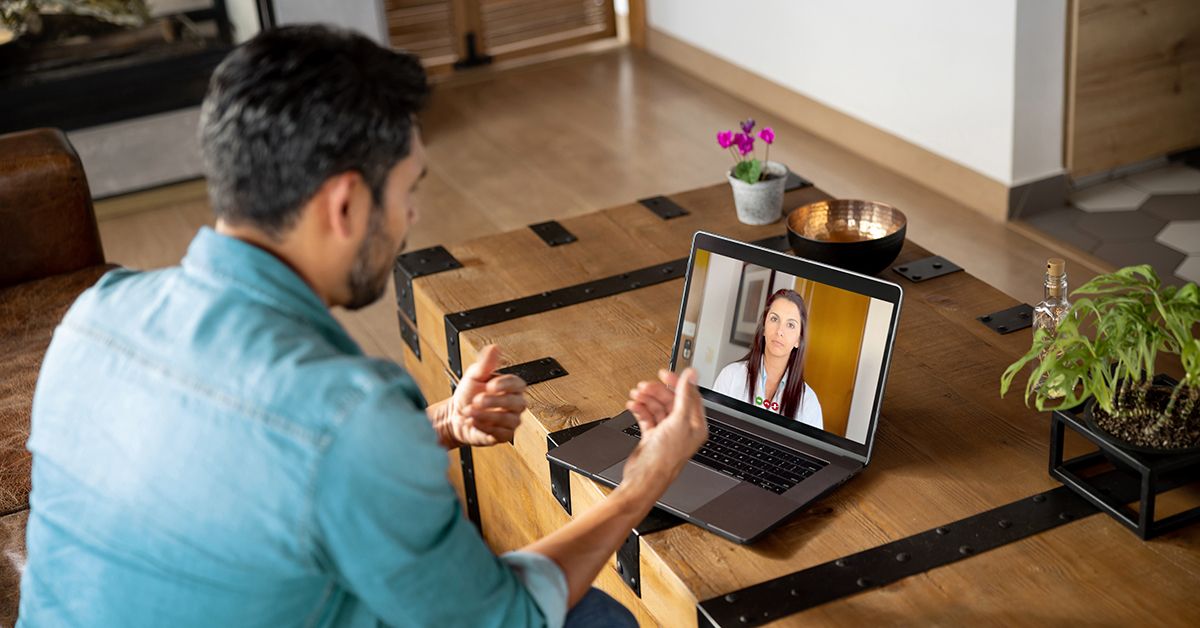
Eczema has a talent for showing up at the least convenient time: before a big meeting, during a family photo, or right when you finally bought that “gentle” sweater that apparently has the personality of sandpaper. The good news? You no longer always need to sit in a waiting room flipping through a magazine from 2017 to get help. A telehealth appointment for eczema can connect you with a healthcare provider or dermatologist from home, where your moisturizer, laundry detergent, and suspiciously itchy blanket are all available for evidence.
Telehealth is especially useful for eczema because much of the visit depends on a clear history, visible skin changes, symptom patterns, treatment response, and daily triggers. With good photos, the right notes, and a little preparation, a virtual eczema visit can be efficient, practical, and surprisingly thorough. This guide explains how telehealth for eczema works, when it makes sense, how to prepare, what questions to ask, and what to expect after your appointment.
Important note: This article is for educational purposes only and does not replace medical advice. If your rash is severe, rapidly worsening, painful, infected-looking, near the eyes, or linked with fever or other concerning symptoms, seek in-person medical care promptly.
What Is a Telehealth Appointment for Eczema?
A telehealth appointment for eczema is a virtual visit with a healthcare professional, often through video, phone, or a secure patient portal. Instead of meeting in a clinic, you talk from home using a smartphone, tablet, or computer. For eczema, the visit may include reviewing photos of your skin, discussing symptoms, identifying triggers, adjusting medications, and building a daily skin care plan.
Eczema, also called atopic dermatitis in many cases, is a chronic inflammatory skin condition that commonly causes dry, itchy, irritated, and inflamed skin. It is not contagious, which means nobody “caught” eczema from a handshake, towel, or dramatic side-eye. Symptoms can flare and calm down over time, and treatment usually focuses on repairing the skin barrier, reducing inflammation, controlling itch, and preventing future flares.
When Telehealth Works Well for Eczema
Telehealth can be a great fit for many eczema-related needs, especially if you already have a diagnosis or your symptoms are visible and easy to photograph. It can help with mild to moderate flares, medication refills, treatment follow-ups, product guidance, trigger discussions, and checking whether a current plan is working.
Good reasons to book a virtual eczema visit
- You have a recurring eczema flare and need treatment advice.
- Your current cream or ointment is not helping enough.
- You need help choosing gentle cleansers, moisturizers, or laundry products.
- You want to review possible triggers such as sweat, weather, fragrance, stress, or fabrics.
- You need a follow-up after starting a prescription treatment.
- You want to ask whether your rash could be eczema or something else.
Telehealth is also convenient for parents managing a child’s eczema. A virtual appointment can reduce travel time, missed school, and the Olympic-level challenge of keeping a child entertained in a clinic room with one chair and zero snacks.
When Eczema Needs In-Person Care
Telehealth is useful, but it is not magic. Some situations require hands-on evaluation, lab testing, skin scraping, culture, allergy testing, or a closer exam. A provider may recommend an in-person visit if the rash is unclear, widespread, severe, or not responding to standard treatment.
Consider urgent or in-person care if you notice:
- Signs of skin infection, such as increasing warmth, swelling, tenderness, or unusual drainage.
- Fever or feeling generally unwell with a worsening rash.
- Eczema close to the eyes or changes involving eyelids and vision concerns.
- Severe itching that prevents sleep for multiple nights.
- Rapidly spreading rash or new symptoms after starting a medication.
- Blisters, open sores, or a rash that looks different from your usual eczema.
A virtual clinician can still help you decide the next step, but do not wait around trying to “moisturize harder” if your symptoms are escalating. Skin is chatty. When it starts yelling, listen.
How to Prepare Before Your Telehealth Eczema Appointment
A successful telehealth visit begins before the call. The more useful information you provide, the easier it is for your clinician to understand the pattern and recommend a plan. Think of yourself as the detective and your skin as the slightly dramatic witness.
1. Take clear photos of your eczema
Photos are one of the most important parts of a virtual dermatology visit. Use natural light if possible, avoid harsh shadows, and take pictures before applying heavy ointment so the skin is easier to see. Include one close-up photo and one wider photo showing where the rash is located on the body.
If the eczema is on your hands, arms, legs, face, neck, or torso, take photos from more than one angle. Keep the camera steady and avoid filters. This is not the time for “warm vintage glow.” Your dermatologist needs reality, not a skincare influencer aesthetic.
2. Write down your symptoms
Before the visit, note when the flare started, where it appears, what it feels like, and whether it is getting better or worse. Include itch level, sleep disruption, pain, cracking, bleeding, or any pattern you have noticed.
Useful examples include: “The rash gets worse after soccer practice,” “My hands flare after washing dishes,” or “My child scratches more at night after bath time.” Specific details make your appointment far more productive than simply saying, “My skin is angry,” even if that is emotionally accurate.
3. List your current products
Gather the names of everything touching your skin: moisturizers, soaps, shampoos, laundry detergents, perfumes, deodorants, sunscreen, makeup, topical medications, and over-the-counter creams. If possible, keep the bottles nearby during the appointment. Your provider may ask about ingredients, fragrance, strength, or how often you use each product.
4. List past and current medications
Include prescription creams, ointments, pills, injections, antihistamines, antibiotics, and any over-the-counter treatments. Write down what helped, what did not, and whether you had side effects. If you used topical steroids, include the name, strength, body area, and number of days used.
5. Set up your space
Choose a quiet room with good lighting and a stable internet connection. Sit facing a light source instead of having a bright window behind you. Wear loose clothing if you need to show eczema on your arms, legs, neck, or torso. Keep paper and a pen nearby, because treatment instructions can come quickly, and “apply twice daily for two weeks then taper” is not something most humans remember perfectly while also adjusting their webcam.
What Happens During the Appointment?
A telehealth eczema appointment usually begins with your provider asking about symptoms, medical history, allergies, family history, current skin care routine, and previous treatments. They may ask when the rash began, whether it comes and goes, and what makes it better or worse.
If the visit is by video, the clinician may ask you to show the affected area on camera. They may compare your live video with uploaded photos. If the visit is asynchronous, meaning you send information and photos through a portal, the provider reviews everything and responds with recommendations.
Common questions your provider may ask
- How long have you had eczema symptoms?
- Where on the body do flares happen most often?
- How severe is the itch from 1 to 10?
- Does itching affect sleep, school, work, or exercise?
- Do you have asthma, allergies, or hay fever?
- Which moisturizers and cleansers do you use?
- Have you tried topical steroids or non-steroid prescriptions?
- Do you notice triggers such as heat, sweat, pets, dust, stress, fragrance, or certain fabrics?
The provider may diagnose eczema, suggest a different diagnosis, prescribe medication, recommend in-person testing, or create a step-by-step flare plan. A good eczema plan should explain what to use daily, what to use during flares, where to apply each medication, how long to use it, and when to follow up.
Possible Eczema Treatments Discussed Through Telehealth
Eczema treatment is not one-size-fits-all. The plan depends on age, severity, location, infection risk, past response, lifestyle, and personal preferences. Telehealth can be used to discuss both everyday skin care and prescription options.
Moisturizers and skin barrier care
Moisturizing is the foundation of eczema care. Thick, fragrance-free creams or ointments are often preferred because they help seal moisture into the skin. Many providers recommend applying moisturizer after bathing and throughout the day as needed. In eczema world, moisturizer is not a beauty extra; it is more like a seatbelt for your skin barrier.
Topical corticosteroids
Topical corticosteroids are commonly used to reduce inflammation during flares. They come in different strengths, and the right choice depends on the body area and severity. Low-strength products may be used on sensitive areas, while stronger options may be prescribed for thicker skin or stubborn flares. Your provider should explain how long to use them and when to stop or taper.
Non-steroid topical medications
Some people use non-steroid prescription creams or ointments, such as topical calcineurin inhibitors, PDE-4 inhibitors, or other newer anti-inflammatory treatments. These may be useful for sensitive areas, longer-term maintenance, or people who need alternatives to topical steroids.
Wet wrap therapy
For more intense flares, a provider may discuss wet wraps. This involves applying moisturizer or medication as directed, covering the area with a damp layer, and adding a dry layer over it. Wet wraps can help calm stubborn eczema, but they should be used with medical guidance, especially when prescription medication is involved.
Advanced treatments
Moderate to severe eczema may require additional options, such as phototherapy, biologic injections, or oral medications. These usually need careful evaluation and follow-up. A telehealth visit may be the starting point, but your provider may recommend in-person care before beginning advanced therapy.
Questions to Ask During Your Telehealth Visit
A virtual visit moves quickly, so bring questions. This helps you leave with a plan instead of a vague memory that you were supposed to apply “something somewhere, possibly twice.”
- What type of eczema do you think this is?
- Could this rash be something other than eczema?
- Which moisturizer do you recommend for my skin?
- How often should I bathe or shower?
- Should I avoid fragrance, certain fabrics, or specific products?
- Where exactly should I apply each medication?
- How many days should I use the prescription?
- What should I do when the flare improves?
- What signs mean I need urgent or in-person care?
- When should I schedule a follow-up?
How to Make Your Eczema Photos More Useful
Poor photos can turn a telehealth visit into a guessing game. To help your provider, take photos in bright, even lighting. Place the affected area against a plain background if possible. Avoid zooming so much that the image becomes blurry. For scale, you can place a coin or ruler nearby, but do not cover the rash.
Take photos at the same time each day if you are tracking progress. This is especially helpful after starting a new treatment. Eczema improvement can be subtle at first, and side-by-side pictures may show progress that your tired, itchy brain refuses to celebrate.
After the Telehealth Appointment: What to Do Next
After your visit, read the instructions carefully. Make sure you understand which products are for daily prevention and which are for active flares. Many eczema plans fail not because the treatment is wrong, but because the instructions are confusing. If you are unsure, message the office through the patient portal.
Build a simple daily routine
A typical routine may include gentle cleansing, short lukewarm showers, fragrance-free moisturizer, prescribed medication during flares, and avoiding known triggers. Keep the routine realistic. A 14-step skin care plan may sound impressive, but if step four requires a ceremonial robe and perfect lighting, it probably will not last.
Track your triggers
Eczema triggers vary. Some people flare with sweat, heat, dry winter air, stress, dust, pet dander, harsh soaps, fragrance, or scratchy clothing. Others cannot identify a clear trigger. A simple symptom diary can help. Record the date, weather, activities, products used, foods if relevant, stress level, and symptoms.
Follow up if treatment is not working
If symptoms do not improve, worsen, or return quickly after stopping medication, follow up. Eczema treatment often requires adjustment. Your provider may change the strength of a medication, add a maintenance plan, check for infection, or consider another diagnosis.
Benefits of Telehealth for Eczema
Telehealth can make eczema care more accessible. It reduces travel time, helps people in areas with fewer dermatologists, and makes follow-up easier. It can also be less stressful for children, caregivers, and anyone who would rather not commute while itchy.
Another major benefit is real-life context. During a virtual visit, you can show the provider your products, bedroom environment, gloves, soaps, or workplace irritants. This can turn the appointment into a practical problem-solving session. Sometimes the culprit is sitting right there on the bathroom counter wearing a label that says “fresh ocean breeze.” For eczema-prone skin, “fresh ocean breeze” often means “tiny fragrant chaos.”
Limitations of Telehealth for Eczema
Telehealth has limits. Camera quality, lighting, and internet connection can affect the exam. Some rashes need touch, testing, or closer inspection. Skin color can also appear different on camera depending on lighting, which may make redness, scaling, or inflammation harder to judge. Be honest if the video does not accurately show what you see in real life.
Telehealth also depends on communication. If you forget to mention that a flare started after a new medication, a new job, a new pet, or a new “natural” soap that smells like a pine forest married a cupcake, your provider may miss an important clue.
Real-Life Experience Notes: What Patients Often Learn from Virtual Eczema Care
Many people go into their first telehealth eczema appointment expecting a quick prescription and nothing more. What they often discover is that eczema care is more like building a routine than putting out a single fire. The prescription matters, yes, but the daily habits around it matter just as much. A provider may spend a surprising amount of time asking about showers, soap, laundry detergent, moisturizer texture, bedroom temperature, stress, pets, and clothing. At first, this can feel like a skincare interrogation. Then it starts to make sense: eczema is influenced by small repeated exposures, and your home routine is where most of those exposures happen.
One common experience is realizing that “clean” does not always mean “eczema-friendly.” People often proudly show their antibacterial soap, scented body wash, exfoliating scrub, or powerful laundry detergent, only to learn that these products may be too harsh for sensitive skin. The switch to fragrance-free, gentle products can feel boring at first. Nobody throws a party for plain cleanser. But boring is sometimes exactly what eczema wants. Boring, bland, and consistent can be beautiful.
Another lesson is that photos are more powerful than memory. During a flare, it is easy to think, “This is the worst it has ever been.” Three days later, after treatment, you may forget how intense it looked. Taking photos before treatment, during treatment, and after improvement creates a useful timeline. It also helps during follow-up visits because your provider can see whether the plan is working. For parents, photos can be especially helpful because children’s eczema may change quickly, and the appointment rarely happens at the exact peak of the flare.
Telehealth also teaches people to be more specific. Saying “I tried that cream” is less helpful than saying, “I used triamcinolone ointment twice daily on my arms for seven days, then stopped when the redness improved.” Details help the provider decide whether the treatment failed, was used too briefly, was applied to the wrong area, or needed a maintenance plan. Eczema care is full of these little details, and telehealth rewards preparation.
Many patients also appreciate the comfort factor. Talking to a dermatologist from home can feel less rushed and more practical. You can grab the exact moisturizer from the shelf, read the name of a prescription tube, or show the detergent you use. You can also take notes without balancing a clipboard on your knee in an exam room. For people who feel embarrassed about visible eczema, being at home may reduce stress and make it easier to ask honest questions.
The biggest takeaway from real-world telehealth eczema care is simple: virtual does not mean casual. Treat the appointment like a real medical visit. Prepare photos, write down symptoms, gather products, ask questions, and follow the plan. When used well, telehealth can turn eczema care from a frustrating guessing game into a clear, manageable routine. Your skin may still be dramatic, but at least now it has a script, a director, and fewer surprise plot twists.
Conclusion
A telehealth appointment for eczema can be an effective, convenient way to get professional guidance without leaving home. It works best when you prepare clear photos, describe symptoms accurately, list products and medications, and ask specific questions. While telehealth cannot replace in-person care for every situation, it can help manage flares, improve daily routines, adjust treatments, and make follow-up easier.
Eczema may be chronic, but your care does not have to feel chaotic. With a thoughtful virtual visit and a realistic skin care plan, you can better understand your triggers, use treatments correctly, and give your skin the calm, fragrance-free pep talk it deserves.