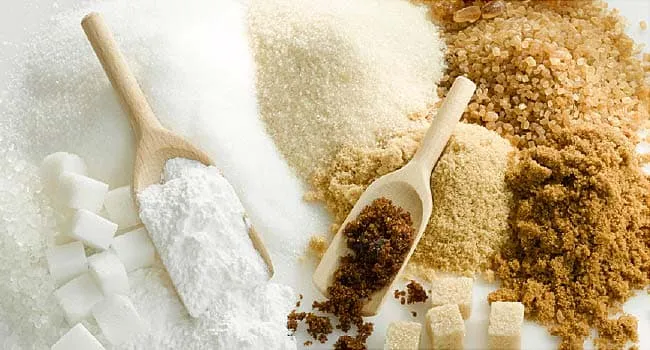
Think you know sugar? Most of us can spot a glazed donut from across the room, but added sugars and sweeteners are sneakier than a cat near an open tuna can. This sugars and sweeteners quiz will test what you really know about table sugar, added sugar, natural sugar, artificial sweeteners, sugar alcohols, nutrition labels, and the everyday choices hiding in your pantry.
Before we begin, here is the sweet truth: sugar is not automatically “evil,” fruit is not candy in disguise, and a zero-calorie sweetener is not a magic health wand. The goal is not to fear sweetness. The goal is to understand it well enough to make smarter choices without turning grocery shopping into a detective drama.
Why a Sugars and Sweeteners Quiz Matters
A good sugars and sweeteners quiz does more than ask trivia questions. It reveals how easily nutrition messages get mixed up. One person hears “avoid sugar” and throws out bananas. Another sees “sugar-free” and assumes a food is automatically healthy. Someone else thinks honey, maple syrup, or agave does not count as added sugar because it sounds like it owns a yoga mat.
In real nutrition terms, the difference between naturally occurring sugars and added sugars matters. Naturally occurring sugars are found in foods such as fruit, plain milk, and some vegetables. These foods usually come with fiber, water, vitamins, minerals, protein, or other helpful nutrients. Added sugars are sugars added during processing, cooking, or serving. They can appear as cane sugar, brown sugar, corn syrup, high-fructose corn syrup, honey, maple syrup, molasses, agave nectar, fruit juice concentrates, and many other names.
The Nutrition Facts label in the United States now separates “Total Sugars” from “Added Sugars,” which helps shoppers see how much sweetness was added beyond what naturally occurs in the food. That tiny label line can be more useful than flashy front-package claims like “natural,” “light,” or “made with real fruit.” Real fruit is great. A fruit-flavored snack with added sugar is not the same thing as a peach.
Quick Quiz: How Sweet Is Your Knowledge?
Question 1: Which sugar is naturally found in milk?
A. Lactose
B. Sucrose
C. Maltose
D. High-fructose corn syrup
Answer
A. Lactose. Lactose is the natural sugar in milk. That is different from added sugar, which is put into foods or drinks during processing or preparation.
Question 2: On a Nutrition Facts label, what does “Includes 12g Added Sugars” mean?
A. The food has no total sugar
B. Twelve grams of sugar were added during processing or preparation
C. The food only contains fruit sugar
D. The food is automatically unhealthy
Answer
B. Twelve grams of sugar were added. It does not mean the food is automatically forbidden, but it does help you track how much added sugar you are getting.
Question 3: Which drink is usually the biggest added-sugar trap?
A. Plain water
B. Unsweetened tea
C. Regular soda
D. Plain sparkling water
Answer
C. Regular soda. Sugar-sweetened beverages can deliver a large amount of added sugar quickly, often without making you feel full.
Question 4: Are “natural” sweeteners like honey and maple syrup still added sugars when added to food?
A. Yes
B. No
C. Only on weekends
D. Only if eaten with pancakes
Answer
A. Yes. Honey and maple syrup may come from nature, but when they are added to foods or drinks, they still count as added sugars. Nature made them; your spoon added them.
Question 5: Do high-intensity sweeteners usually add many calories?
A. Yes, more than table sugar
B. No, they usually add few or no calories
C. Only if baked
D. Only in coffee
Answer
B. No. High-intensity sweeteners are much sweeter than table sugar, so only small amounts are needed. Many add few or no calories and generally do not raise blood sugar the way sugar does.
Sugar vs. Sweeteners: What Is the Difference?
Sugar is a type of carbohydrate. Common sugars include glucose, fructose, sucrose, lactose, and maltose. Table sugar is sucrose, which breaks down into glucose and fructose. Your body uses glucose for energy, but the package sugar arrives in matters. A bowl of berries brings fiber and nutrients. A candy bar brings sugar, fat, flavor, and possibly a short emotional vacation, but not much nutritional backup.
Sweeteners are a broader category. Some sweeteners provide calories, such as sugar, honey, syrups, and fruit juice concentrates. These are often called nutritive sweeteners because they provide energy. Other sweeteners provide few or no calories, such as aspartame, sucralose, saccharin, acesulfame potassium, neotame, advantame, stevia-derived sweeteners, and monk fruit-derived sweeteners. Sugar alcohols such as xylitol, sorbitol, erythritol, and maltitol are another group. They are often used in sugar-free gum, candies, protein bars, and low-sugar desserts.
Here is where the quiz gets tricky: “sugar-free” does not always mean calorie-free, carb-free, or healthy. A sugar-free cookie is still a cookie. It may contain refined flour, saturated fat, or sugar alcohols that can bother some stomachs. Meanwhile, plain yogurt with naturally occurring lactose may show sugar on the label but still be a nutritious choice. The smartest move is to read the full label, not just the loudest claim on the package.
How Much Added Sugar Is Too Much?
U.S. dietary guidance recommends keeping added sugars below 10% of daily calories. For a 2,000-calorie diet, that equals about 200 calories, or roughly 50 grams of added sugar per day. The American Heart Association recommends an even lower target for many adults: no more than about 6 teaspoons, or 25 grams, per day for most women, and no more than about 9 teaspoons, or 36 grams, per day for most men.
Those numbers can disappear quickly. A sweetened coffee drink, a flavored yogurt, a granola bar, and a bottled tea can turn an ordinary day into a sugar festival before lunch. The problem is not one birthday cupcake. The bigger issue is the routine sugar that sneaks into drinks, breakfast foods, sauces, cereals, snacks, and “healthy-looking” packaged foods.
Too much added sugar can make it harder to meet nutrient needs while staying within calorie limits. It is also linked with higher risk of weight gain, obesity, type 2 diabetes, heart disease, dental problems, and poorer overall diet quality. The body can handle sweetness, but it does not appreciate being showered with added sugar all day like it won a parade.
Hidden Added Sugars: The Grocery Store Pop Quiz
Many people expect added sugar in soda, cookies, candy, and ice cream. The surprise comes from foods that look sensible at first glance. Flavored oatmeal, bottled smoothies, salad dressings, barbecue sauce, ketchup, granola, plant-based milks, breakfast cereals, and protein bars can all contain added sugars. Some are reasonable in small amounts. Others are dessert wearing a gym badge.
One practical strategy is to compare similar products. Pick up two jars of pasta sauce or two yogurts and check the “Added Sugars” line. You may find one has much less added sugar than the other, even though both look nearly identical. This is the kind of quiz where the answer key is printed right on the package.
Ingredient lists also help. Added sugars may appear as cane sugar, beet sugar, brown rice syrup, corn syrup, dextrose, evaporated cane juice, fructose, glucose, malt syrup, molasses, raw sugar, sucrose, honey, agave, or fruit juice concentrate. The more often these appear near the beginning of the ingredient list, the sweeter the product is likely to be.
Are Artificial Sweeteners Safe?
For many healthy people, approved sugar substitutes can be used in limited amounts. They may help reduce added sugar, calories, or carbohydrates when used thoughtfully. For example, someone who drinks several regular sodas a day may reduce sugar intake by switching to unsweetened sparkling water, diet beverages, or gradually less-sweet options. However, the long-term goal should not be to keep sweetness at maximum volume forever. Taste buds can adapt, but they need a chance.
Artificial sweeteners and other sugar substitutes are not all the same. Aspartame, sucralose, saccharin, and acesulfame potassium are different compounds. Stevia and monk fruit sweeteners come from plant sources but are still processed into concentrated sweetening ingredients. Sugar alcohols may have fewer calories than sugar, but they can cause gas, bloating, or digestive discomfort for some people, especially in larger amounts.
There are also special cases. People with phenylketonuria, often called PKU, need to avoid or carefully manage aspartame because it contains phenylalanine. People with digestive conditions may also find certain sugar substitutes irritating. For most consumers, the best approach is moderation, label reading, and focusing on the quality of the whole diet rather than treating any sweetener as a superhero or villain.
Sugar, Teeth, and the Mouth: The Forgotten Quiz Category
Sugar does not only matter for weight or blood sugar. It also matters for oral health. When sugary foods and drinks sit on the teeth, bacteria in the mouth can use those sugars to produce acids. Over time, that acid can contribute to tooth decay. Sticky sweets, frequent sipping of sugary drinks, and sweet snacks eaten throughout the day can be especially challenging for teeth.
This does not mean you need to brush your teeth while glaring suspiciously at every raisin. It means frequency matters. Having a sweet treat with a meal is generally less risky for teeth than sipping a sugary drink for hours. Water, regular brushing with fluoride toothpaste, flossing, and routine dental care all help. Your teeth are not anti-fun; they just prefer not to bathe in sugar every afternoon.
Smart Ways to Cut Added Sugar Without Feeling Punished
1. Start with drinks
Sugary drinks are one of the easiest places to reduce added sugar because they often provide many calories without much fullness. Try water, sparkling water, unsweetened tea, coffee with less sweetener, or fruit-infused water. If you currently drink very sweet beverages, step down gradually. Your taste buds are trainable, not dramatic houseguests.
2. Choose plain, then flavor it yourself
Plain yogurt with berries, cinnamon, or a small drizzle of honey can contain less added sugar than many flavored yogurts. Plain oatmeal with fruit and nuts can beat many instant flavored packets. This gives you control over sweetness instead of letting the manufacturer drive the sugar bus.
3. Use fruit strategically
Fruit can satisfy sweetness while adding fiber, water, vitamins, minerals, and antioxidants. Try sliced bananas in oatmeal, berries in yogurt, apples with peanut butter, or frozen grapes as a snack. Whole fruit is usually more filling than juice because it keeps the fiber intact.
4. Read labels without obsessing
You do not need to perform a spreadsheet analysis in aisle seven. Just check serving size, total sugars, added sugars, fiber, and the ingredient list. Over time, you will quickly recognize which foods are everyday choices and which are occasional treats.
5. Keep dessert honest
If you want dessert, enjoy a portion you actually like. A satisfying cookie can be better than eating five “healthy” substitutes while still thinking about the cookie. Food choices should support health, but they should also fit real life.
Advanced Quiz: Sweetener Myths and Facts
Myth 1: Brown sugar is much healthier than white sugar.
Fact: Brown sugar contains molasses, which gives it color and flavor, but nutritionally it is still added sugar. It is not a wellness supplement in a cozy sweater.
Myth 2: Fruit should be avoided because it contains sugar.
Fact: Whole fruit contains natural sugar along with fiber and nutrients. For most people, whole fruit is a smart choice. The bigger concern is usually added sugar in drinks and processed foods.
Myth 3: Sugar-free means unlimited.
Fact: Sugar-free foods can still contain calories, refined carbohydrates, fats, and sweeteners that may cause digestive issues. Portion size still matters.
Myth 4: All sweeteners affect the body exactly the same way.
Fact: Table sugar, honey, high-fructose corn syrup, sugar alcohols, and high-intensity sweeteners differ in calories, sweetness, digestion, and blood sugar effects.
Myth 5: You must quit sweetness completely to be healthy.
Fact: Most healthy eating patterns can include some sweetness. The key is limiting added sugar, choosing nutrient-rich foods most often, and avoiding the daily habit of ultra-sweet drinks and snacks.
Building Your Own Sugars and Sweeteners Quiz
If you are creating a sugars and sweeteners quiz for a school lesson, wellness blog, nutrition program, or social media post, make it practical. Ask questions people can apply immediately. For example: “Which has more added sugar: plain yogurt with berries or strawberry-flavored yogurt?” Another good question: “What is the first thing to check when a package says no sugar added?” The answer is the Nutrition Facts label, especially total carbohydrates, total sugars, added sugars, serving size, and ingredients.
The best quiz questions do not shame people. They create “aha” moments. A reader should finish the quiz thinking, “I can use this at breakfast tomorrow,” not “I have failed as a human because I like muffins.” Humor helps. So does context. A teaspoon of sugar in coffee is not the same nutrition issue as several sugary drinks every day.
You can also include label-reading challenges. Show two similar cereals, drinks, or snack bars and ask which one has less added sugar. This teaches comparison, which is more useful than memorizing every sweetener name in the grocery universe. People do not need perfection; they need repeatable skills.
Experience Notes: What People Learn from a Sugars and Sweeteners Quiz
One of the most common experiences people have after taking a sugars and sweeteners quiz is surprise. Not horror-movie surprise, but “Wait, that was in my breakfast?” surprise. Many people already know candy and soda are sweet. What catches them off guard is the added sugar in everyday foods that wear a healthy-looking outfit: flavored yogurt, granola, instant oatmeal, bottled smoothies, sauces, salad dressings, and coffee drinks. The quiz becomes less about memorizing science and more about noticing patterns.
A second experience is learning that sweetness is not only about sugar. People often assume “sweet” means “sugar,” but a food can taste very sweet because of sucralose, stevia, monk fruit extract, sugar alcohols, or other sugar substitutes. This can be helpful for people trying to lower added sugar, but it can also keep taste preferences tuned to very high sweetness. After a quiz, many readers begin experimenting with less-sweet versions of familiar foods. They may switch from sweetened tea to half-sweet tea, then to unsweetened tea with lemon. That small shift is not glamorous, but it is realistic, and realistic habits are the ones that survive Monday mornings.
Another useful experience is label confidence. At first, Nutrition Facts labels can look like tiny legal documents written by a committee of ants. But once people learn where “Added Sugars” appears and how serving sizes work, labels become less intimidating. A parent comparing cereals, a student choosing a snack, or an office worker buying lunch can make a better decision in under 30 seconds. That is the real win: not becoming a nutrition professor, but becoming harder to fool.
People also learn that “natural” is not the same as “free pass.” Honey, maple syrup, coconut sugar, and agave may sound more charming than plain white sugar, but they still count as added sugars when used to sweeten foods. This does not mean they are banned. It simply means the body does not treat a large spoonful of “natural” sweetener as a vegetable. A sugars and sweeteners quiz helps readers enjoy these ingredients honestly, as sweeteners, not miracle potions.
Finally, a good quiz often reduces guilt. That may sound strange, but knowledge can make eating feel calmer. Instead of bouncing between “sugar is poison” and “nothing matters,” people can choose a middle path. They might enjoy birthday cake, choose water more often, buy plain yogurt, check labels, and keep fruit in the snack rotation. The best outcome is not fear of sugar. It is confidence: knowing what added sugar is, recognizing sweetener claims, and making choices that support energy, teeth, heart health, blood sugar, and long-term eating habits without draining all joy from dessert.
Conclusion: Your Sweet Scorecard
The sugars and sweeteners quiz is really a quiz about awareness. Sugar is not just one thing, and sweeteners are not all equal. Added sugars are worth limiting because they can crowd out nutrients and contribute to health problems when consumed too often. Naturally occurring sugars in whole foods, especially fruit and plain dairy, come in a different nutritional package. Low-calorie and noncaloric sweeteners can be useful for some people, but they are not an excuse to ignore overall diet quality.
The smartest strategy is simple: drink fewer sugary beverages, compare labels, choose mostly whole foods, use sweeteners intentionally, and keep treats as treats. You do not need to break up with sweetness forever. You just need to stop letting added sugar sneak into every meal like it pays rent.

