Some homes announce themselves with marble foyers, dramatic staircases, and lighting fixtures that look like they were negotiated by a chandelier union. Still Creek Farm Cottage does the opposite. It whispers. It invites you in with practical charm, weathered warmth, and the kind of kitchen that seems to say, “Yes, there is soup on the stove, and no, you do not need to check your phone every seven minutes.”
Still Creek Farm Cottage is best known as a thoughtful cottage kitchen renovation connected to a formerly one-room cottage with a loft sleeping area. Located in Merville, British Columbia, and submitted by Lori Kenney to Remodelista’s Considered Design Awards, the project stands out because it proves that small-space living does not have to feel like a lifestyle punishment. The renovation unfolded over three years, with every inch planned for easy movement and practical daily use. At the center of the new space is a hardworking kitchen island that serves multiple functionsprep zone, gathering spot, storage helper, and quiet design hero.
That combinationfarm cottage character, small kitchen intelligence, and slow-living atmosphereis exactly why Still Creek Farm Cottage remains such a strong source of inspiration. It is not simply about rustic cabinets or a pretty countertop. It is about making a modest home feel generous, personal, and deeply usable.
What Makes Still Creek Farm Cottage So Appealing?
The magic of Still Creek Farm Cottage comes from restraint. Instead of trying to turn a compact rural cottage into a glossy suburban showpiece, the renovation respects the scale and soul of the original structure. That matters. A one-room cottage with a loft sleeping area has a built-in personality: cozy, efficient, slightly quirky, and very aware that square footage is not something to waste on giant hallways or furniture that needs its own ZIP code.
The kitchen renovation leans into that reality. The island becomes the focal point because it has to earn its place. In a small cottage kitchen, an island cannot simply be decorative. It must work like a friendly farm dog: always useful, never in the way, and somehow making the room better just by being there.
A Small Kitchen With Big Intentions
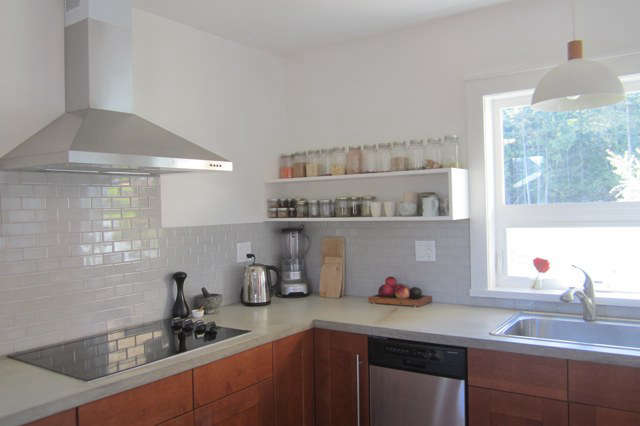
Small cottage kitchens succeed when they treat every surface as an opportunity. The Still Creek Farm Cottage kitchen appears to do just that. The island offers a central work zone, while surrounding counters, open storage, spice jars, and practical appliances create an easy rhythm. Nothing feels random. The space suggests that someone cooked there, measured flour there, stacked vegetables there, and probably leaned on the counter with a mug of coffee while pretending to make a grocery list.
This is the difference between a kitchen that photographs well and a kitchen that lives well. A beautiful kitchen may impress visitors. A functional cottage kitchen impresses you every morning when the cutting board is where you need it, the spices are visible, and the room still feels breathable after breakfast.
The Design Language: Rustic, Functional, and Lightly Modern
Still Creek Farm Cottage fits into a broader design movement that blends rustic materials with modern planning. Farmhouse and cottage kitchens often use natural wood, open shelving, durable finishes, simple textiles, and vintage-inspired details. But the best versions avoid becoming costume kitchens. Nobody wants a room that feels like it was decorated by a committee of antique butter churns.
Instead, Still Creek Farm Cottage shows how rustic charm can work alongside contemporary convenience. The result is a kitchen that feels grounded without feeling outdated. Wood surfaces bring warmth. The island adds utility. The stove area and storage features support real cooking. The overall effect is practical nostalgia: old-soul atmosphere with new-day function.
The Island as the Cottage’s Command Center
The island is the star of the renovation, and for good reason. In a compact kitchen, a central island can solve several problems at once. It can add prep space, create storage, provide casual seating, and organize movement. But there is a catch: it must be sized carefully. A small kitchen island that is too large becomes a decorative roadblock. You should not need hiking poles to get from the sink to the stove.
At Still Creek Farm Cottage, the island works because it appears integrated into the flow of the space. It is not an oversized monument. It is a practical tool. The wood countertop adds warmth and visual softness, while the shape anchors the room without overwhelming it. This is a key lesson for anyone planning a farm cottage kitchen: design the island around behavior, not fantasy. Ask what it needs to do every day. Chop vegetables? Store mixing bowls? Hold coffee cups? Welcome guests? Hide the cookies from children with advanced detective skills? Good design begins with honest questions.
Why the Three-Year Renovation Matters
A three-year renovation may sound long, but for a small cottage, it can be a blessing. Fast renovations often chase trends. Slow renovations reveal habits. Over time, homeowners learn where the morning light lands, which drawer should hold utensils, how guests move through the room, and which corner always collects mysterious objects such as rubber bands, seed packets, and one lonely screw.
Still Creek Farm Cottage benefits from that patient approach. The description of the project emphasizes that every inch was carefully considered to allow for ease of movement. That single idea explains the success of the design. In a cottage kitchen, movement is everything. If the cook, the coffee drinker, the dog, and the person carrying firewood can all pass through without performing a folk dance, the layout is doing its job.
Designing for Ease, Not Excess
Modern home design often sells the dream of more: more cabinets, more appliances, more counter space, more specialty drawers for gadgets used twice a decade. Still Creek Farm Cottage points in a calmer direction. It suggests that enough is often better than more. A good cottage kitchen does not need endless storage. It needs the right storage. It does not need a banquet-sized island. It needs a work surface that supports daily rituals.
This is especially relevant for homeowners renovating older cottages, cabins, ADUs, guest houses, or farm stays. Instead of expanding endlessly, consider refining what already exists. Improve traffic flow. Add light. Use vertical storage. Choose durable materials. Keep tools close to where they are used. A small kitchen can feel luxurious when it functions without friction.
Farm Cottage Style: The Key Elements
Still Creek Farm Cottage captures several design elements that make farm cottage interiors feel inviting. These are not rigid rules, but they are useful guideposts for anyone inspired by the project.
1. Natural Wood and Honest Materials
Wood is essential to the feeling of a farm cottage kitchen. It gives the room warmth, texture, and a sense of age. A wood countertop, open shelves, exposed beams, or simple plank details can soften the harder edges of appliances and tile. In Still Creek Farm Cottage, the wood island top helps the kitchen feel handmade rather than manufactured.
2. Visible Storage That Feels Useful
Open storage works beautifully in cottage kitchens when it is practical and edited. Spice jars, everyday dishes, baskets, and cookware can become part of the room’s character. The trick is to display what is genuinely used. Open shelves filled with beautiful objects are charming. Open shelves filled with expired tea, mystery lids, and a waffle maker from 2009 are a cry for help.
3. A Wood-Burning Stove or Hearth Feeling
The presence of a wood-burning stove in the Still Creek Farm Cottage imagery reinforces the sense of rural comfort. A stove creates more than heat; it creates a focal point. It changes the pace of the room. It makes winter feel intentional. Of course, modern homeowners should prioritize certified appliances, safe installation, proper ventilation, and local regulations. Rustic charm is wonderful. Smoke-filled rooms and insurance complications are less wonderful.
4. A Soft Balance of Old and New
The strongest cottage renovations do not erase age. They edit it. A vintage detail beside a modern appliance can make a room feel layered and authentic. Still Creek Farm Cottage feels compelling because it does not appear overly polished. It has personality, and personality is what keeps a cottage from looking like a showroom pretending to own chickens.
Small-Space Lessons From Still Creek Farm Cottage
The Still Creek Farm Cottage renovation offers practical lessons for anyone working with a small home. These ideas apply to farm cottages, tiny homes, cabins, rural rentals, guest cottages, and older houses where every square foot has to behave.
Use the Kitchen Island as a Multi-Tool
If there is room for an island, make it multifunctional. Add drawers, shelves, hooks, or seating if the layout allows. A cottage island should be a prep table, serving station, storage piece, and social anchor. It should never be just a large object wearing a countertop.
Protect Walkways
Good circulation makes a small kitchen feel larger. Keep the route between sink, stove, refrigerator, and dining area clear. Avoid deep furniture that interrupts movement. In a cottage, visual charm cannot compensate for bumping your hip on the same corner every morning. Eventually, the corner wins.
Let Light Do Some Heavy Lifting
Natural light is one of the most powerful tools in a small cottage. Windows, glass doors, pale surfaces, and reflective finishes can make a compact room feel open. Daylighting also reduces dependence on artificial lighting during the day and adds emotional warmth. A sunny kitchen makes even toast feel like a lifestyle choice.
Choose Durable, Repairable Finishes
Farm cottage kitchens are working spaces. They need finishes that can handle mud, vegetables, children, guests, pets, and the occasional heroic jam-making session. Wood, tile, stone, painted cabinetry, and sturdy hardware all make sense when selected with maintenance in mind. The goal is not perfection. The goal is graceful aging.
Still Creek Farm Cottage and the Rise of Slow Living
Part of the appeal of Still Creek Farm Cottage is emotional. The project fits neatly into the larger interest in slow living, rural retreats, farm stays, and homes that feel connected to land and season. People are increasingly drawn to spaces that promise less noise, less clutter, and more direct contact with daily rituals: cooking, warming the room, gathering around a table, and watching the weather instead of arguing with a loading screen.
A farm cottage does not have to be fancy to feel restorative. In fact, too much luxury can ruin the spell. The best rural cottages offer comfort without disconnecting guests from the setting. You should feel the presence of the farm, the creek, the garden, or the trees. Still Creek Farm Cottage succeeds because it feels rooted in place. It is not trying to be a city apartment with a barn costume. It understands the value of quiet usefulness.
How Still Creek Farm Cottage Inspires Modern Farm Stays
Farm stays and agritourism experiences often succeed when they combine authenticity with comfort. Guests want a real sense of place, but they also appreciate a good bed, a functional kitchen, clear instructions, and enough warmth to avoid sleeping in three sweaters and a moral crisis.
Still Creek Farm Cottage offers a model for this balance. A guest cottage inspired by this approach would not need extravagant amenities. It would need a smart kitchen, comfortable seating, warm lighting, storage for boots and jackets, a clean bathroom, and a few thoughtful details that connect visitors to the land. A bowl of fresh eggs, a small herb garden near the door, or a guide to local walks can create more impact than expensive decor.
Designing a Cottage Guests Remember
Memorable farm cottages are not memorable because they are huge. They are memorable because they create moments. The smell of coffee near a wood stove. Morning light on a wooden island. A shelf of labeled spices. A window over the sink. A place to sit after a walk. These details shape the guest experience.
For owners, the lesson is clear: invest in the touchpoints people use. A good mattress matters. So does a sharp knife, a stable table, reliable heating, and hooks by the entrance. Hooks are not glamorous, but in a farm cottage, they are practically poetry.
Practical Renovation Ideas Inspired by Still Creek Farm Cottage
If you want to borrow the spirit of Still Creek Farm Cottage for your own home, start with function and mood. You do not need to copy every element. Instead, copy the logic.
Create a Central Work Surface
A freestanding island, antique worktable, butcher-block cart, or narrow prep table can transform a small kitchen. Choose a piece that fits the room’s traffic pattern. If space is tight, consider a mobile island with locking casters or a slim table with open shelving below.
Use Warm Neutrals and Natural Texture
Farm cottage style works well with warm whites, soft creams, muted greens, weathered wood, linen, aged brass, and stoneware. These materials create a calm backdrop without feeling sterile. The room should feel clean, but not so clean that you are afraid to make pancakes.
Add Storage Where It Works Hardest
Focus storage near tasks. Keep knives near prep space, pots near the stove, mugs near the coffee area, and cleaning tools near the sink. Use wall rails, shelves, baskets, and deep drawers. The best storage disappears into routine.
Respect the Original Structure
If you are renovating an older cottage, preserve what gives it character. Low ceilings, uneven floors, old beams, compact rooms, and funny corners can become assets when handled with care. Not every imperfection needs to be corrected. Some simply need better lighting and a polite introduction.
Experiences Related to Still Creek Farm Cottage
Imagine arriving at Still Creek Farm Cottage late in the afternoon, when the light is turning golden and the air has that quiet rural smell of grass, woodsmoke, and something delicious that may or may not involve butter. The first thing you notice is not grandeur. It is ease. The cottage does not demand admiration; it invites use. You step inside, set your bag down, and immediately understand where life happens: around the kitchen island.
The island becomes your landing place. Keys, a loaf of bread, a market basket, a bunch of herbs, and a slightly crumpled map all find their way there. In a city kitchen, clutter can feel like failure. In a farm cottage, the right kind of clutter feels like evidence of living. A cutting board appears. Someone rinses carrots. Someone else opens a drawer and finds exactly what they need. The room begins to work before anyone announces a plan.
Morning is even better. The cottage kitchen wakes slowly. There is coffee first, because civilization depends on it. Light moves across the wood countertop. A kettle warms. Outside, the farm is doing farm things: birds arguing, leaves moving, maybe an animal making a noise that sounds either charming or legally concerning. Inside, the kitchen feels steady. The stove, shelves, jars, and island all create a sense of order that does not feel strict.
The real pleasure of a place like Still Creek Farm Cottage is that it changes your pace. You cook differently. You notice ingredients. You wipe the counter because you want the next task to begin well. You sit for a moment instead of rushing away. Even simple meals feel more grounded: eggs with toast, soup with herbs, apples sliced on a wooden board, tea after a walk. Nothing needs to be dramatic. The cottage makes ordinary routines feel restored.
There is also a social rhythm to this kind of space. Guests naturally gather around the island, not because anyone tells them to, but because the room suggests it. One person cooks, another talks, another steals a taste, and someone inevitably stands in the least convenient spot while being completely unaware of it. That is part of the charm. A good cottage kitchen does not separate cooking from conversation. It lets the whole household participate, even the person whose main culinary skill is “holding a spoon.”
By evening, the wood-burning stove or hearth-like warmth gives the cottage a different mood. The kitchen becomes less about productivity and more about comfort. The same island that handled breakfast now holds candles, bowls, bread, and perhaps a pie cooling with suspiciously little supervision. The room feels smaller in the best wayclose, warm, and human.
That is the experience Still Creek Farm Cottage represents: not just a renovated kitchen, but a way of inhabiting space with attention. It reminds us that a cottage does not need to be large to be generous. It needs good flow, honest materials, useful surfaces, natural light, and a sense that life is welcome to happen there. In a world obsessed with bigger and newer, that may be the most refreshing design lesson of all.
Conclusion: Why Still Creek Farm Cottage Still Matters
Still Creek Farm Cottage is more than a charming renovation. It is a case study in thoughtful small-space design, farm cottage warmth, and practical beauty. Its story proves that a modest kitchen can become the emotional and functional center of a home when every inch is considered carefully.
The project’s best ideas are simple but powerful: respect the original cottage, design for movement, let the island work hard, use natural materials, and create a kitchen that supports real daily life. Whether you are renovating a rural cottage, styling a farm stay, updating a tiny kitchen, or simply dreaming about a quieter way to live, Still Creek Farm Cottage offers a timeless reminder: comfort is not measured in square feet. It is measured in how well a space welcomes you back.