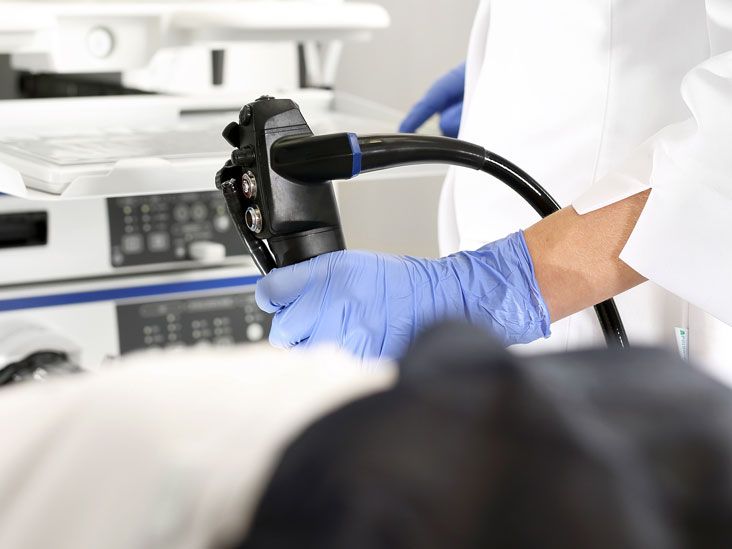
A sigmoidoscopy may not be the kind of appointment people circle on the calendar with party balloons, but it can be an extremely useful test for understanding what is happening in the lower part of the colon. In plain English, a sigmoidoscopy is a medical procedure that lets a healthcare professional look inside the rectum and the lower section of the large intestine, especially the sigmoid colon. It is commonly used to investigate rectal bleeding, bowel changes, inflammation, polyps, and possible signs of colorectal cancer.
The name sounds like something from a science fiction spaceship manual, but the idea is straightforward: a thin, flexible tube with a light and camera is gently inserted through the rectum so the doctor can view the lining of the lower colon. Unlike a colonoscopy, which examines the entire colon, a flexible sigmoidoscopy focuses on the lower third of the colon. That makes it shorter, often quicker, and usually less intense in terms of preparation.
This guide explains the purpose of sigmoidoscopy, what happens before and during the procedure, how results are interpreted, and what patients can realistically expect. No dramatic medical mystery music required.
What Is a Sigmoidoscopy?
A sigmoidoscopy is an endoscopic exam used to inspect the rectum and sigmoid colon, which is the S-shaped section of the large intestine closest to the rectum. The most common type is flexible sigmoidoscopy, performed with a bendable tube called a sigmoidoscope. The scope has a tiny camera and light that send images to a monitor, allowing the healthcare provider to check the intestinal lining in real time.
During the test, the provider may also take a small tissue sample, called a biopsy, or remove certain small polyps. A polyp is a growth on the lining of the colon. Many polyps are harmless, but some can become cancerous over time, which is why doctors take them seriously even when they are tiny troublemakers minding their own suspicious business.
Why Is a Sigmoidoscopy Done?
Doctors recommend sigmoidoscopy for several reasons. Sometimes it is used as a diagnostic test when a patient has symptoms. In other cases, it may be used as one option for colorectal cancer screening. The goal is to see whether the lower colon contains inflammation, ulcers, bleeding, abnormal growths, or other changes that cannot be fully understood from symptoms alone.
To Investigate Rectal Bleeding
Rectal bleeding can happen for many reasons, including hemorrhoids, anal fissures, inflammation, polyps, or cancer. A sigmoidoscopy helps the doctor look directly at the rectum and lower colon to identify possible sources of bleeding. Bright red blood may come from the lower digestive tract, but the exact cause should not be guessed at like a game show answer.
To Check Ongoing Diarrhea or Bowel Changes
Persistent diarrhea, constipation, mucus in the stool, or sudden changes in bowel habits may lead a healthcare provider to recommend sigmoidoscopy. The procedure can help detect inflammation, infection, ulcerative colitis, proctitis, or other conditions affecting the lower bowel.
To Look for Polyps or Cancer
Flexible sigmoidoscopy can detect polyps and possible cancer in the rectum and lower colon. For average-risk adults, colorectal cancer screening commonly begins at age 45, though people with a family history, inflammatory bowel disease, previous polyps, or other risk factors may need earlier or more frequent testing.
To Monitor Inflammatory Bowel Disease
For people with ulcerative colitis or other inflammatory bowel diseases, sigmoidoscopy may help assess disease activity, especially when symptoms involve the rectum or lower colon. Doctors can see whether the lining looks irritated, swollen, ulcerated, or healing. Biopsies may also help confirm inflammation under the microscope.
Sigmoidoscopy vs. Colonoscopy: What Is the Difference?
Sigmoidoscopy and colonoscopy are related, but they are not twins. A colonoscopy examines the entire colon and often requires more extensive bowel preparation and sedation. A flexible sigmoidoscopy examines only the rectum and lower colon. Because the test is shorter, sedation is often not needed, and many people can return to normal activities soon afterward.
The trade-off is that sigmoidoscopy cannot see the upper parts of the colon. If a sigmoidoscopy finds abnormal tissue, polyps, or signs that need further evaluation, the doctor may recommend a full colonoscopy. Think of sigmoidoscopy as checking the front rooms of a house; if something looks concerning, the doctor may need to inspect the entire building.
How to Prepare for a Sigmoidoscopy
Preparation depends on the healthcare provider’s instructions, the reason for the test, and whether sedation or biopsy is expected. In many cases, preparation is simpler than colonoscopy prep, but the lower colon must still be clean enough for the doctor to see clearly.
Diet Before the Procedure
Some patients are asked to follow a clear-liquid diet the day before the test or avoid eating for a certain number of hours before the appointment. Clear liquids may include water, clear broth, apple juice, tea or coffee without milk, and certain sports drinks. Red or purple liquids may be restricted because they can look like blood during the exam.
Enemas or Laxatives
Many sigmoidoscopy preparations involve one or two enemas before the procedure. In some cases, the doctor may recommend a laxative the night before. The purpose is not to ruin your evening, although it may feel personally targeted. The real goal is to empty the rectum and lower colon so the scope can capture clear images.
Medication Review
Patients should tell their healthcare provider about all medications, vitamins, supplements, and medical conditions. Blood thinners, diabetes medications, iron supplements, and anti-inflammatory drugs may require special instructions. Never stop a prescribed medication unless the healthcare provider specifically tells you to do so.
Arrange Transportation If Sedation Is Used
Most flexible sigmoidoscopies are done without sedation, but some patients may receive medication for comfort. If sedation is planned, patients usually need someone to drive them home. Driving yourself after sedation is a bad idea, even if you feel heroic.
What Happens During the Procedure?
A sigmoidoscopy is usually performed in a doctor’s office, outpatient clinic, endoscopy center, or hospital setting. The procedure itself often takes only several minutes, though the full appointment may take longer because of check-in, preparation, consent, and recovery time.
Positioning
The patient typically lies on the left side with knees drawn slightly toward the chest. This position helps the provider guide the scope into the rectum and sigmoid colon more easily.
Insertion of the Sigmoidoscope
The provider gently inserts the lubricated sigmoidoscope through the anus and into the rectum. Air or carbon dioxide may be introduced to expand the colon so the lining is easier to see. This can cause pressure, bloating, or cramping. It may feel strange, but it should not feel like severe pain.
Viewing the Lower Colon
As the scope moves through the lower colon, the camera sends images to a monitor. The doctor carefully checks for redness, swelling, ulcers, bleeding, polyps, tumors, narrowed areas, or other abnormalities. The scope may be slowly withdrawn while the provider examines the lining.
Biopsy or Polyp Removal
If the doctor sees abnormal tissue, a biopsy may be taken using small instruments passed through the scope. A biopsy is usually painless because the inner lining of the colon does not sense cutting the way skin does. Some small polyps may also be removed during the procedure, depending on their size and location.
Does Sigmoidoscopy Hurt?
Most people describe flexible sigmoidoscopy as uncomfortable rather than painful. Common sensations include pressure, gas, bloating, and cramping. The air used during the test can make the colon feel inflated, as if your digestive system has briefly become a balloon animal. Passing gas afterward is normal and often relieving.
Patients should tell the provider if they feel significant pain. The doctor can pause, adjust the scope, or take other steps to improve comfort. Good communication matters. This is not the time to win an award for silent suffering.
What Happens After a Sigmoidoscopy?
After the procedure, patients may rest briefly while any cramping or bloating improves. If no sedation was used, many people can return to usual activities the same day. Eating and drinking usually resume as instructed by the healthcare provider.
Mild bloating, gas, or small amounts of bleeding may occur, especially if a biopsy was taken. However, severe abdominal pain, fever, heavy bleeding, dizziness, weakness, or worsening symptoms should be reported to a healthcare professional right away.
Understanding Sigmoidoscopy Results
Some results may be available immediately because the provider can see the colon lining during the test. Other results, especially biopsy findings, may take several days because tissue samples must be examined in a lab.
Normal or Negative Results
A negative sigmoidoscopy result means the provider did not see abnormal tissue in the examined area. The rectum and lower colon may appear healthy, with no visible polyps, tumors, ulcers, or significant inflammation. However, because sigmoidoscopy does not examine the entire colon, a normal result does not rule out problems higher up in the colon.
Abnormal or Positive Results
A positive result means the provider found something that needs attention. This might include polyps, inflammation, bleeding, ulcers, diverticula, infection-related changes, or tissue suspicious for cancer. A positive result does not automatically mean cancer. It means more information is needed, and the next step depends on what was found.
Biopsy Results
If a biopsy is taken, the lab report may describe inflammation, infection, precancerous changes, benign tissue, or cancer cells. The doctor will explain what the results mean and whether more tests or treatment are needed.
When a Colonoscopy May Be Needed
If sigmoidoscopy finds polyps, cancer, or unexplained abnormalities, a full colonoscopy may be recommended. Colonoscopy allows the doctor to inspect the entire colon, remove additional polyps, and take more biopsies if needed.
Risks and Side Effects
Flexible sigmoidoscopy is generally considered safe. Most side effects are mild and temporary. These may include cramping, bloating, gas, or light rectal bleeding. Serious complications are rare but can include heavy bleeding, infection, or a tear in the colon wall, known as perforation.
The risk may be slightly higher if a biopsy is taken or a polyp is removed. Patients should seek medical advice promptly if they experience severe abdominal pain, persistent bleeding, fever, chills, vomiting, fainting, or a swollen, firm abdomen after the procedure.
Who May Need Sigmoidoscopy More Urgently?
A healthcare provider may recommend sigmoidoscopy sooner if a person has unexplained rectal bleeding, persistent diarrhea, iron deficiency anemia, unexplained weight loss, abnormal stool test results, or symptoms of inflammatory bowel disease. People with a personal or family history of colorectal cancer or advanced polyps may need a different screening plan, often involving colonoscopy rather than sigmoidoscopy alone.
How Often Is Sigmoidoscopy Used for Screening?
For colorectal cancer screening, flexible sigmoidoscopy may be performed every five years, or every ten years when combined with annual fecal immunochemical testing, depending on guideline recommendations and individual risk. Many practices in the United States use colonoscopy or stool-based tests more commonly, but sigmoidoscopy remains an accepted screening option for certain patients.
The best screening test is the one a patient can complete appropriately and on schedule. A test sitting on a to-do list does not prevent cancer. Completed screening does.
Practical Tips Before Your Appointment
Read the preparation instructions early, not at 11:47 p.m. the night before while standing in your kitchen holding an enema box and questioning your life choices. Ask your provider what you may eat, when to stop eating, whether you need enemas or laxatives, and what to do with regular medications.
Wear comfortable clothing, bring your insurance information, and arrive early enough to avoid stress. If sedation is planned, bring a responsible adult driver. After the test, drink fluids as allowed, eat gently if your stomach feels unsettled, and follow all discharge instructions.
Experience-Based Insights: What Sigmoidoscopy May Feel Like in Real Life
From a patient-experience perspective, the hardest part of sigmoidoscopy is often not the actual scope. It is the anticipation. Many people feel embarrassed, anxious, or worried that the procedure will be painful. That reaction is completely human. The digestive tract is not exactly casual small-talk territory. Most healthcare teams, however, perform these procedures regularly and are focused on safety, accuracy, and comfort, not judgment.
One common experience is surprise at how quickly the procedure moves. A patient may spend more time checking in, changing clothes, reviewing consent forms, and waiting than actually undergoing the sigmoidoscopy. The test itself is often brief. The sensations can be awkward: pressure when the scope enters, cramping when air expands the colon, and a strong urge to pass gas. These feelings are normal. In fact, after the procedure, passing gas is usually encouraged because it helps relieve bloating.
Preparation can feel inconvenient, but it is also one of the most important parts of the process. If the lower colon is not clean, the provider may not see the lining clearly. That can mean missed findings or a repeated test. Patients often do better when they set up the bathroom area ahead of time, keep wipes or soft toilet paper nearby, stay hydrated as instructed, and avoid making ambitious dinner plans during prep. Your colon has an agenda, and it does not care about restaurant reservations.
Emotionally, patients may feel vulnerable because the test involves a private area of the body. A good medical team should explain each step, preserve modesty as much as possible, and answer questions without making the patient feel rushed. It is reasonable to ask who will be in the room, whether sedation is available, how long the test usually takes, and when results will be discussed.
Afterward, mild cramping or bloating may continue for a short time. Many people feel well enough to go back to normal activities, especially if they did not receive sedation. Still, it is wise to keep the rest of the day simple. Choose easy meals, drink fluids as directed, and avoid ignoring warning signs such as heavy bleeding, fever, or severe pain.
The biggest lesson from the sigmoidoscopy experience is that information can be empowering. Symptoms like rectal bleeding or ongoing bowel changes can cause a lot of worry. The procedure helps replace guessing with evidence. Whether the result is normal, shows inflammation, identifies hemorrhoids, finds polyps, or leads to a follow-up colonoscopy, the patient leaves with a clearer path forward. That clarity is worth a little awkwardness and a few minutes of bloating.
Conclusion
Sigmoidoscopy is a valuable test for examining the rectum and lower colon. It can help diagnose bleeding, bowel habit changes, inflammation, ulcers, polyps, and possible colorectal cancer. The procedure is usually quick, often does not require sedation, and may involve less preparation than a full colonoscopy. While it can cause temporary pressure, cramping, or bloating, serious complications are rare.
The most important takeaway is simple: do not ignore persistent digestive symptoms or recommended colorectal cancer screening. A sigmoidoscopy may not be glamorous, but it can provide answers, guide treatment, and sometimes catch problems early enough to make a major difference.