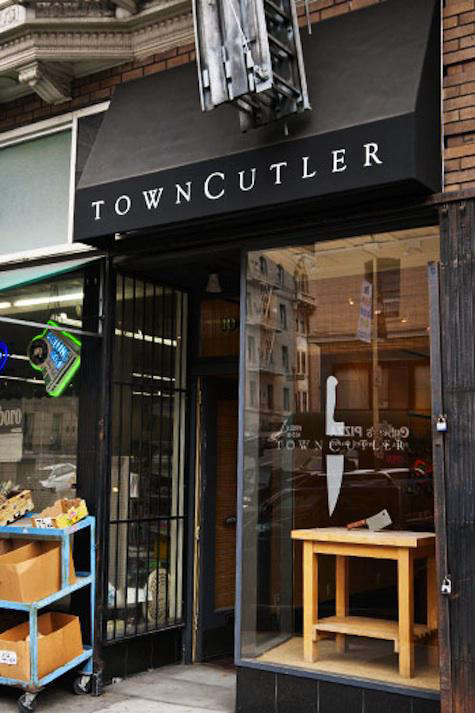
Some shops sell things. Other shops quietly convince you that your kitchen has been living in the Stone Age with a butter knife and misplaced optimism. Town Cutler in San Francisco belonged to the second category. It was not merely a place to buy a chef knife; it was a compact love letter to cooking, craftsmanship, sharp edges, and the tiny thrill of holding a tool that makes a carrot suddenly feel cooperative.
Founded in 2011 by former chef Galen Garretson, Town Cutler began as a San Francisco culinary knife shop shaped by professional kitchen experience. The original spirit was simple but powerful: people who love cooking deserve knives that feel personal, durable, balanced, and genuinely useful. In a city famous for sourdough, farmers markets, tiny espresso counters, and restaurants where the garnish may have a résumé, a serious knife shop made perfect sense.
Today, Town Cutler’s story has moved beyond its San Francisco storefront chapter. The company has produced knives in Reno and now notes that it has relocated to Georgia while operating online and through mail-in services during its transition. But the San Francisco chapter still matters. It is where the brand’s identity sharpenedyes, pun fully intendedand where shoppers, chefs, and design lovers discovered that a knife could be both a working tool and an object worth admiring under good light.
Why Town Cutler Became a San Francisco Design-and-Cooking Favorite
San Francisco has a particular talent for making practical things feel romantic. A cup of coffee becomes a tasting note expedition. A loaf of bread becomes a civic monument. A knife, at Town Cutler, became a conversation about steel, balance, maintenance, and the private joy of slicing tomatoes without turning them into salsa by accident.
Town Cutler’s appeal came from the mix of chef knowledge and artisan craft. Garretson had spent years in professional kitchens before opening the shop, which meant the knives were not imagined by someone who only admired them from a glass case. They were designed for the messy, repetitive, joyful reality of cooking: mincing herbs, breaking down squash, trimming meat, slicing citrus, and cleaning up before guests notice the chaos.
The shop also arrived at the right cultural moment. Home cooks were becoming more curious about where objects came from. They wanted cookware with a story, cutting boards with character, and knives that did not look as if they had been stamped out by a bored robot. Town Cutler offered the opposite: handmade culinary knives with distinctive handles, carefully chosen steels, and a practical emphasis on sharpening and care.
The Shopper’s First Impression: Small Shop, Big Personality
A good knife shop does not need to shout. In fact, it is better when it does not. The original Town Cutler experience in San Francisco was intimate, almost jewel-box-like. Instead of aisles stacked with anonymous kitchen gadgets, shoppers encountered a focused world of blades, handles, sharpeners, rolls, and accessories. The mood was part workshop, part boutique, part “please do not swing that around like a pirate.”
For shoppers used to buying kitchen tools from a department store wall, Town Cutler felt refreshingly human. The objects invited questions. Why does this chef knife feel different from that one? What makes a nakiri good for vegetables? Should a home cook choose stainless steel or carbon steel? How often should knives be sharpened? And, most urgently, why has nobody told us that a dull knife is basically a tiny kitchen betrayal?
The best part of this kind of shopping experience is that it slows you down. You do not simply grab a knife because the packaging says “professional” in very dramatic letters. You pick it up. You feel the handle. You notice the weight. You imagine the foods you actually cook. A great knife should fit your habits, not your fantasy life as a television chef yelling “Behind!” at your own refrigerator.
What Town Cutler Is Known For
Handcrafted American-Made Culinary Knives
Town Cutler is best known for American-made kitchen knives designed for serious cooking. The company’s collection has included chef knives, paring knives, utility knives, nakiri knives, slicers, bread knives, choppers, steak knives, and knife sets. These are tools meant for people who cook often enough to know the difference between “sharp” and “sharp enough to make prep work feel suspiciously easy.”
A chef knife remains the obvious starting point. It is the everyday workhorse: slicing onions, chopping herbs, cutting proteins, smashing garlic, and making you feel dramatically more competent while preparing dinner on a Tuesday. Town Cutler’s chef knives have appeared in different lengths and materials, offering options for cooks who prefer a nimble blade or a longer knife with more reach.
Distinctive Handles and Materials
One of Town Cutler’s visual signatures is the handle. The brand has used materials such as burl wood, resin, Micarta, and G-10, creating knives that look warm, modern, rugged, or elegant depending on the line. Handles are not just decoration. A good handle affects grip, comfort, confidence, and whether you feel like the knife belongs in your hand or in a museum guarded by a very stern docent.
Many Town Cutler knives have a design language that sits between restaurant utility and gallery-worthy craft. That balance is important. A kitchen knife can be beautiful, but it still has to earn its keep. It must survive onions, winter squash, weeknight impatience, and the occasional guest who tries to use it on a ceramic plate. Please do not be that guest.
Steel Choices for Different Cooks
Town Cutler has educated customers about steel, including carbon steel and stainless steel options. Carbon steel is loved by many knife enthusiasts because it can take a keen edge and develops a patina over time. It also demands care: clean it, dry it, and do not abandon it wet in the sink like a tragic maritime artifact.
High-quality stainless steels, including steels such as AEB-L and Nitro-V used in Town Cutler’s educational materials and product lines, offer strong performance with easier maintenance. For many home cooks, stainless steel is the friendly choice: sharp, durable, and less dramatic when it meets tomatoes, citrus, or a humid kitchen.
Knife Sharpening: The Service That Made Cooks Pay Attention
Town Cutler’s San Francisco reputation was not only about selling knives. Sharpening was a central part of the appeal. The shop understood a truth many home cooks learn too late: the knife you already own may not be bad; it may simply be dull enough to qualify as a spoon with ambition.
A sharp knife improves safety, accuracy, and pleasure. Dull knives force pressure, and pressure leads to slipping, bruised ingredients, and the kind of cooking experience that makes takeout menus glow like rescue flares. Town Cutler’s sharpening knowledge helped customers understand that knife care is not optional fussiness. It is maintenance, just like tuning a bicycle or changing the oil in a carexcept tastier.
Even now, as the company operates beyond its original San Francisco setting, sharpening remains part of the Town Cutler story. The brand’s official guidance emphasizes contacting them before sending knives for service because procedures and locations may change. That detail matters for shoppers researching Town Cutler today: the romantic old storefront belongs to the brand’s history, while current services should be checked directly before mailing anything sharp across state lines.
How to Shop Town Cutler Like a Smart Cook
Start With the Food You Actually Make
The easiest mistake in knife shopping is buying for an imaginary lifestyle. If you mostly cook vegetables, grains, eggs, pasta, and roast chicken, you may not need the same knife as someone who breaks down whole fish every weekend. Start with your real kitchen habits. A chef knife, paring knife, and utility knife can cover most home cooking. A nakiri is excellent for vegetable lovers. A serrated bread knife is essential if your household believes crusty loaves are a food group.
Choose Comfort Over Drama
A dramatic knife is fun to admire, but comfort wins. Pick up the knife, or if shopping online, study the shape, handle material, blade length, and intended use. A knife that feels too heavy may tire your wrist. One that feels too light may not give you enough confidence. The right knife should make prep feel more controlled, not more theatrical.
Understand Maintenance Before Buying
Before choosing carbon steel, be honest with yourself. Are you the kind of person who dries a knife immediately and stores it properly, or are you the kind of person who leaves dishes “to soak” until the next geological era? Carbon steel rewards care. Stainless steel forgives more. Neither option is morally superior; one is just more patient with chaotic humans.
Town Cutler and the San Francisco Food Scene
Town Cutler’s rise in San Francisco makes sense because the city has long treated food as culture. Chefs, bakers, market shoppers, and enthusiastic home cooks all share a respect for ingredients. A beautiful peach from the farmers market deserves a knife that slices cleanly. A bunch of herbs deserves more than being bludgeoned by a dull blade. A good steak deserves a steak knife that does not saw through it like a tiny lumberjack.
The brand also fit into San Francisco’s broader maker culture. The city appreciates objects with provenance: handmade ceramics, small-batch pantry goods, independent design shops, and tools with visible craftsmanship. Town Cutler brought that sensibility to cutlery. It reminded shoppers that the humble kitchen knife is not humble at all. It is the first tool you reach for and often the one that determines whether cooking feels elegant or mildly hostile.
What Makes the Town Cutler Story Still Relevant Today
Even if the original San Francisco storefront is no longer the current shopping destination, the story remains useful for modern buyers. It shows what to look for in a premium knife brand: real culinary experience, transparent materials, sharpening knowledge, repair-minded thinking, and designs that respect both performance and beauty.
In an age of endless online product listings, Town Cutler’s identity feels refreshingly specific. It is not trying to be every kitchen gadget for every person. It is centered on knives and the culture around them. That focus is valuable. When you buy a better knife, you are not just buying a sharper edge. You are buying less frustration, cleaner cuts, faster prep, and a small daily ritual that makes cooking feel more intentional.
Practical Knife Care Inspired by Town Cutler
Good knives are not difficult to care for, but they do have boundaries. Wash by hand with warm soapy water. Avoid abrasive sponges. Dry thoroughly. Do not place quality knives in the dishwasher, where heat, moisture, detergent, and chaotic utensil collisions create a tiny disaster carnival. Store knives safely on a magnetic strip, in a sheath, in a roll, or in a proper block.
Use a cutting board that is kind to the edge. Wood and quality synthetic boards are better choices than glass, stone, or ceramic. A glass cutting board may look clean and modern, but to a sharp knife it is basically a skating rink made of bad decisions.
Finally, learn the difference between honing and sharpening. Honing realigns an edge; sharpening removes material to create a fresh one. Both matter, but they are not the same. If your knife slides off tomato skin or crushes herbs instead of cutting them, it is asking for help in the only language it knows: disappointing performance.
Best Items to Consider From Town Cutler
Chef Knife
A Town Cutler chef knife is the natural first purchase for many cooks. It handles the broadest range of tasks and gives the clearest upgrade from a dull, generic kitchen knife. Look for a length that suits your cutting board size, hand comfort, and cooking style.
Nakiri
The nakiri is a vegetable specialist with a straight edge and squared-off tip. It is excellent for clean, straight cuts through onions, carrots, cabbage, herbs, and greens. It is not a cleaver and should not be used for bones, but for vegetable prep it can feel wonderfully efficient.
Paring Knife
A paring knife is small but mighty. It handles peeling, trimming, coring, and detailed work. If the chef knife is the lead singer, the paring knife is the musician quietly making the whole band sound better.
Bread Knife
A serrated bread knife earns its spot the moment you meet crusty sourdough, ripe tomatoes, or delicate cakes. San Francisco and bread are practically family, so a good bread knife is less of a luxury and more of a civic duty.
Extended Shopper Experience: A San Francisco Knife-Lover’s Diary
Imagine starting the day in San Francisco with a foggy morning, a coffee in hand, and the noble intention of “just browsing.” This phrase, as every shopper knows, is legally meaningless once beautiful kitchen tools are involved. You wander through the city with the appetite of someone who has read too many restaurant reviews and the confidence of someone who believes a better knife will finally make weeknight cooking graceful. Maybe it will. Maybe it will at least make onions cry before you do.
The Town Cutler experience, in memory and spirit, begins with curiosity. You step into a focused space where the usual retail noise drops away. There are no towers of novelty avocado slicers. No plastic gadgets promising to solve problems humanity invented five minutes ago. Instead, there are knives: honest, gleaming, well-balanced tools arranged with intention. The atmosphere says, “Take cooking seriously, but not so seriously that you forget dinner is supposed to be fun.”
You pick up a chef knife first because everyone does. It has the familiar outline of a kitchen essential, but the feel is different. The handle settles into the palm. The blade has presence without bullying the wrist. Suddenly you begin mentally apologizing to every tomato you have crushed with your old knife. Then you try a nakiri and understand why vegetable people become evangelists. The flat edge promises tidy rows of chopped scallions, clean cabbage ribbons, and the possibility that meal prep could be peaceful instead of a small wrestling match.
What makes the experience memorable is not only the knives but the education around them. A good shop does not pressure you; it makes you smarter. You learn why stainless steel may suit a busy household, why carbon steel needs more care, why a sharp edge is safer than a dull one, and why storage matters. You begin to see a knife not as a single purchase but as a relationship. Like all relationships, it improves when you stop putting it in the dishwasher.
After leaving, the city itself feels newly connected to the purchase. At a farmers market, bunches of chard and carrots look less like chores and more like future practice. At a bakery, the crusty loaf practically demands a serious serrated blade. At dinner, you notice how restaurant cooks move: economical, confident, precise. A good knife does not turn a home cook into a chef overnight, but it does invite better habits. It asks you to slow down, sharpen up, and respect ingredients before they hit the pan.
The best shopper’s diary entries are not really about buying things. They are about noticing how objects change behavior. A thoughtfully made knife can make cooking feel less disposable. It can turn a rushed dinner into a satisfying ritual: wash the greens, trim the stems, slice cleanly, wipe the blade, dry it, put it away. No drama. No crushed tomatoes. No mysterious drawer full of unsafe metal chaos. Just a tool doing its job beautifully.
That is why Town Cutler’s San Francisco chapter still resonates. It represents a style of shopping that values expertise, locality, craft, and long-term use. Whether a customer discovered the brand in the original city shop, through a stockist, or online today, the underlying promise is the same: better tools make better cooking feel more natural. And if they also make you feel slightly cooler while chopping parsley, that is simply a bonus garnish.
Conclusion: Why Town Cutler Still Cuts Through the Noise
Shopper’s Diary: Town Cutler in San Francisco is more than a nostalgic look at a handsome knife shop. It is a reminder that the best kitchen tools carry stories: the chef who designs them, the makers who shape them, the cooks who use them, and the meals that become easier because the right edge meets the right ingredient.
Town Cutler’s San Francisco roots gave the brand its food-world credibility and design-shop charm. Its later evolution shows how artisan businesses can move, grow, and adapt while keeping their core identity intact. For shoppers, the lesson is simple: buy fewer throwaway tools, choose knives that fit the way you cook, and care for them well. A sharp knife will not make dinner cook itself, unfortunately, but it will make the work faster, safer, and much more satisfying.