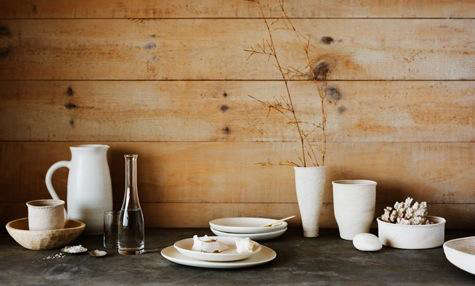
Some home collections arrive with fireworks. Others walk in quietly, set down a hand-thrown plate, pour water into a recycled glass tumbler, and somehow make the whole room feel better behaved. The Canvas line from Ochre belongs to the second group. It is not a shouty design moment. It is a calm, tactile, beautifully edited answer to a familiar decorating problem: how do you make everyday objects feel special without turning breakfast into a museum exhibit?
The phrase “Shopper’s Diary: Canvas Line from Ochre” brings us back to a very particular design mood: understated, sustainable, artisan-made home goods shown through the lens of a well-curated New York interiors shop. Ochre, known for refined furniture, lighting, and accessories, introduced Canvas as a more accessible line built around simple forms, honest materials, and the easy elegance of handmade objects. Think ceramic plates with a bistro soul, recycled glassware with a little wobble of personality, cedar boards that look good under cheese, and soft textiles that politely suggest you cancel your plans and stay home.
In a world where many products are designed mainly to look good in a cart before being forgotten in a cabinet, Canvas has always made more sense on the table, in the hand, and in the rhythm of daily living. This is design that does not need a velvet rope. It wants to hold olives, stack neatly, host soup, survive Monday, and still look charming under candlelight on Friday night.
What Is the Canvas Line from Ochre?
The Canvas line was connected to Ochre’s design world but carried its own identity: simpler, more casual, and more approachable than the parent brand’s high-end furniture and lighting. Ochre’s signature has long been understated luxury, craftsmanship, and materials that feel quietly expensive rather than loudly decorative. Canvas translated that sensibility into useful home pieces: tabletop goods, glassware, trays, bowls, throws, furniture, and accessories that blended urban polish with relaxed country ease.
Andrew Corrie, the British designer and entrepreneur behind Canvas Home, shaped the line around a practical idea: useful household objects should be beautiful enough to enjoy every day. Not just when guests come over. Not just when the table is being photographed from above next to one carefully placed fig. Every day.
That philosophy explains why the Canvas collection feels so livable. The pieces are not overly precious, yet they are clearly considered. Many designs feature natural materials, hand-finished surfaces, sustainable choices, and subtle imperfections that remind you a person was involved. In other words, if one glass sits a millimeter taller than another, that is not a defect. That is the glass saying, “I have a backstory.”
The Design DNA: Simple, Sustainable, Stylish
Canvas Home has often been described through the idea of “simple, sustainable style,” and that phrase captures the line without overcomplicating it. The collection does not chase trends with the desperation of a sofa trying to become famous on social media. Instead, it relies on proportions, texture, utility, and color palettes that can live with changing interiors.
Simple, But Not Boring
Simple design is sometimes mistaken for plain design. Canvas proves the difference. A simple ceramic plate can still have a soft glaze, a pleasing rim, a warm undertone, and enough character to make toast look like it has its life together. A recycled glass tumbler can still catch light beautifully. A cedar serving board can still look sculptural on a kitchen counter.
The best Canvas pieces work because their details are restrained. They do not demand attention from across the room. They reward attention up close. That is the secret sauce of good everyday design: it does not interrupt your life, but it improves the background music.
Sustainable, Without the Lecture
The Canvas line gained attention for materials such as recycled glass, natural woods, grass fiber placemats, ceramic dinnerware, and textiles made with an eye toward responsible sourcing. The sustainability angle was not packaged as a guilt trip. It was simply part of the logic of the objects. If a glass can be made from recycled material and still look elegant, why not? If a cedar board can serve food beautifully while bringing warmth to the table, excellent. If a handmade ceramic plate encourages people to buy fewer, better things, even better.
This is sustainable design at its most persuasive: attractive enough to desire, practical enough to use, and thoughtful enough to keep. No one wants to be scolded by a salad plate. Canvas understood that.
Stylish, In a Relaxed Way
The style language of Canvas sits somewhere between a SoHo loft, a Shelter Island weekend house, and a very good casual dinner party where no one is panicking over the seating chart. The color story often leans toward soft pastels, earthy tones, natural wood, creamy whites, pale blues, gentle grays, and muted finishes. It feels calm, airy, and layered.
That relaxed quality is one reason the collection has aged well. It does not scream “2009 design moment,” even though some early pieces became design-blog favorites around that time. The best products still look relevant because the core ingredientsceramic, glass, wood, linen, proportion, craftdo not expire every season.
Key Pieces That Defined the Canvas Look
The early Canvas line at Ochre included a compact but memorable group of home accessories. These pieces helped establish the collection’s reputation for useful, good-looking objects with an artisan sensibility.
Bistroware Ceramic Plates
The Bistroware ceramic salad and dinner plates were among the pieces that first caught design editors’ eyes. Their appeal was straightforward: they were elegant, simple, and versatile. They had the spirit of restaurant dinnerware but with a softer, handmade presence. The plates worked for casual meals, but they could also hold their own at a dinner party without looking like they had borrowed a blazer.
For shoppers, this kind of ceramic dinnerware is especially useful because it does not compete with food. Bright vegetables, roasted fish, pasta, fruit, bread, and even a slightly dramatic slice of chocolate cake all look better on a calm plate. A good plate knows when to be quiet.
Recycled Moroccan Glassware
Recycled glassware is one of those categories that sounds humble until you actually put it on the table. Then it becomes charming. The Moroccan recycled glasses associated with the Canvas line brought a hand-blown, slightly irregular quality that made each piece feel individual. Tiny bubbles, color variation, and weight differences are part of the pleasure.
These glasses pair especially well with simple ceramics because both materials share a visual honesty. They are not pretending to be crystal. They are not auditioning for a hotel lobby. They are here for water, wine, lemonade, iced tea, and the occasional overconfident homemade cocktail.
Round Cedar Plates and Boards
Round cedar plates and boards added a warm, rustic element to the collection. They are practical for serving bread, cheese, fruit, pastries, or small bites, but they also function as decorative objects when not in use. Leave one leaning against a backsplash, and suddenly your kitchen looks like someone there understands olive oil.
Wood brings depth to a table setting. When paired with white ceramics and recycled glass, cedar softens the arrangement and prevents it from feeling too controlled. It says, “Yes, this table is styled, but someone may actually eat here.”
Lemonwood Bowls
Lemonwood bowls offered another layer of organic warmth. Small wooden bowls are wildly useful: salt, nuts, olives, berries, jewelry, keys, or that one mysterious screw you are afraid to throw away. In a home collection, they also represent the Canvas belief that small things matter. You do not need to redesign an entire room to improve the way a space feels. Sometimes you just need a better bowl.
White Ash Circular Trays
The white ash circular trays were more investment pieces, and they showed the bridge between Canvas and Ochre’s higher-end design language. Their circular shape, pale wood, and clean construction gave them a sculptural quality. A tray like this can corral objects on a coffee table, serve drinks, or create a visual pause in a room full of rectangles.
Trays are underrated interior design tools. They turn “random items sitting on a table” into “a curated arrangement.” Same objects, better supervision.
Baby Alpaca Throws
The baby alpaca throw brought softness to the mix. Textiles are what make minimal interiors livable. Without them, even the most tasteful room can start to feel like a furniture showroom where nobody has ever sneezed. A well-made throw adds texture, warmth, and permission to relax.
Canvas textiles fit the line’s broader mood: natural, tactile, and quietly luxurious. They are not the loud patterned blanket that takes over the sofa. They are the softer companion that makes a chair look finished.
Why Design Lovers Still Care About Canvas from Ochre
The lasting appeal of the Canvas line comes from a combination of taste, timing, and practicality. When design blogs and curated home stores began championing artisan-made objects, shoppers were looking for an alternative to mass-produced sameness. Canvas offered that alternative without becoming intimidating or inaccessible.
It was also part of a larger shift in American interiors. Homeowners and renters wanted spaces that felt collected rather than decorated overnight. The “perfect matching set” started to lose ground to mixed ceramics, reclaimed wood, handmade glass, linen napkins, vintage pieces, and furniture with texture. Canvas fit neatly into that movement because its pieces could blend with antiques, modern furniture, rustic kitchens, and urban apartments.
The collection also understood something important: most people do not live in a single design style. A person may want a polished dining table, a casual breakfast nook, a soft sofa, a practical kitchen, and a guest room that does not look like a storage unit wearing sheets. Canvas offered pieces that could cross those boundaries.
How to Style the Canvas Line at Home
The best way to style Canvas pieces is to let them breathe. Because the line is based on material richness rather than loud pattern, it works beautifully with layering. Start with ceramic dinnerware in a soft neutral or pale glaze. Add recycled glass tumblers. Bring in wood through boards, bowls, or trays. Finish with linen napkins, a low vase, and simple flatware.
For a Casual Weeknight Table
Use one ceramic plate per person, recycled glass tumblers, and a cedar board in the center for bread or salad. Keep the palette restrained: white, gray, pale blue, warm wood, and clear or greenish glass. Add one small bowl of olives or nuts. Congratulations, you have upgraded Tuesday without frightening Tuesday.
For Weekend Entertaining
Layer plates with bowls, use a large wooden tray for drinks, and mix glassware rather than trying to make everything perfectly identical. Add candles in simple holders and a few branches or herbs instead of a large floral centerpiece. Canvas pieces shine when the table feels natural and unfussy. The goal is not perfection. The goal is “someone thoughtful lives here and probably owns good salt.”
For Open Shelving
Canvas dinnerware and glassware look especially good on open shelves because the materials are visually calm. Stack plates in groups, place bowls in small columns, and mix wood pieces vertically for shape. Avoid overcrowding. Negative space is not wasted space; it is the design equivalent of taking a deep breath.
Buying Advice: What to Look for Before You Add to Cart
If you are shopping for Canvas Home pieces or vintage Canvas items connected to the Ochre era, focus on usability first. Beautiful home goods are only worth it if they fit your habits. Ask whether the piece is dishwasher-safe or hand-wash only, whether the size works for your cabinets, whether the finish is durable enough for daily use, and whether you will actually reach for it.
For ceramics, look for glaze quality, weight, stackability, and whether slight variations are expected. Handmade pieces often differ slightly in shade or shape, which is part of their appeal. For recycled glass, expect small bubbles and subtle irregularities. For wood, check care instructions carefully; many wooden boards and bowls prefer hand washing, drying immediately, and occasional oiling.
Also consider mixing rather than buying a complete matching universe. Canvas pieces are strongest when they feel collected. A set of plates, a handful of recycled glasses, one cedar board, and two small bowls may transform your table more effectively than a giant boxed set that leaves no room for personality.
Canvas, Ochre, and the Beauty of Everyday Objects
What makes the Canvas line from Ochre especially interesting is its democratic spirit. Ochre’s world is polished and luxurious, but Canvas brought that sense of proportion and material intelligence into objects people use every day. A plate. A glass. A bowl. A throw. A tray. These are humble things, but they shape how a home feels.
There is something quietly radical about caring for everyday objects. It suggests that beauty does not need to be saved for special occasions. Morning coffee deserves a good mug. Leftover pasta deserves a decent bowl. A glass of water can feel like a small luxury if the glass has weight, texture, and a handmade glow.
Canvas understood that the table is not just a surface. It is where people gather, eat, talk, spill things, apologize, laugh, and occasionally Google how long to roast carrots. The objects on that table should support life, not perform above it.
Experience Notes: Living with the Canvas Line from Ochre
To understand the charm of the Canvas line from Ochre, imagine a Saturday morning at home. The kitchen is not spotless, because real kitchens rarely are unless no one is allowed to enjoy them. There is a loaf of bread on a cedar board, a bowl of fruit nearby, and two recycled glasses catching sunlight near the sink. The scene is not staged, but it looks good anyway. That is the Canvas effect.
The first thing you notice is texture. The ceramic plate is smooth where it needs to be, but not sterile. The glass has small irregularities that make it feel alive. The wooden board has grain that warms up the counter. The throw on the chair softens the corner of the room. None of these pieces alone screams for attention, but together they create atmosphere. It is like a room learned to speak in a lower, better voice.
Using pieces like these also changes the pace of ordinary routines. Pouring water into a handblown glass feels a little more intentional than grabbing a generic tumbler. Serving cheese on a cedar board makes even supermarket cheddar look as if it has been thoughtfully cast in a supporting role. A simple ceramic bowl can make soup feel comforting rather than merely necessary. These are not dramatic lifestyle transformations. No one becomes a better person because of a salad plate. But daily rituals do become more pleasant, and that matters.
The Canvas line is especially good for people who want a home that looks considered without looking staged. The pieces do not require perfect surroundings. In fact, they often look better with a little imperfection around them: a wrinkled linen napkin, a stack of books, a vintage chair, a slightly crooked branch in a vase. The style is forgiving. It understands that life includes crumbs.
One of the best experiences with Canvas-style pieces is hosting casually. You do not need to plan an elaborate tablescape. Set out ceramic plates, recycled glasses, a wooden board, and one soft textile element. Add bread, olives, soup, pasta, or roasted vegetables. The materials do most of the visual work. Guests tend to relax because the table feels warm rather than formal. It says, “Stay awhile,” not “Please admire the centerpiece from a respectful distance.”
Another pleasure is how well the pieces mix with what you already own. Canvas does not demand a total home makeover. A few pieces can sit comfortably beside vintage flatware, modern chairs, farmhouse shelves, or a very normal apartment table that has survived three moves and one unfortunate candle incident. This flexibility is part of the value. Instead of forcing a single look, the collection supports a way of living: simple, tactile, thoughtful, and unfussy.
Over time, these objects develop emotional usefulness. The tray becomes the one you reach for when friends come over. The bowl becomes the breakfast bowl. The throw becomes the blanket everyone fights over during movies. Good design earns its place through repetition. It becomes part of the household memory, which is far more meaningful than being merely photogenic.
That is why the Shopper’s Diary appeal of Canvas from Ochre still holds up. It is not just about buying pretty things. It is about choosing objects that make daily life feel a little more grounded, a little more graceful, and a little less disposable. In a market crowded with fast décor and trend-cycle furniture, Canvas reminds us that the most stylish home goods are often the ones willing to do ordinary jobs beautifully.
Conclusion
The Canvas line from Ochre remains a compelling chapter in modern home design because it balances craftsmanship, sustainability, simplicity, and ease. Its ceramics, recycled glassware, wooden boards, trays, bowls, textiles, and furniture all share a common idea: everyday objects deserve thoughtful design. The collection does not rely on gimmicks or loud decoration. Instead, it offers quiet character through material, proportion, and usefulness.
For shoppers, the lesson is refreshingly practical. Buy fewer things, choose better materials, embrace small variations, and let your home feel collected over time. A good plate, a recycled glass, a cedar board, or a soft throw may not change your entire life, but it can change the way your home welcomes you back at the end of the day. And honestly, that is a pretty good job for a bowl.
Note: This article is based on publicly available product, retail, and editorial information about Ochre, Canvas Home, artisan-made tabletop goods, recycled glassware, sustainable materials, and the historic Canvas line sold through Ochre. Source links are intentionally omitted to match the publishing brief.