A good sewing notions set is a little like a great road-trip playlist: you do not fully appreciate it until you are halfway through a project, one button is missing, your hem is wandering like it has lost its map, and suddenly that tiny seam ripper becomes the hero of the hour. Whether you are brand-new to sewing or already have fabric scraps breeding in your closet, a well-built sewing notions set can make the difference between “I made this!” and “Why is this sleeve attached to the neckline?”
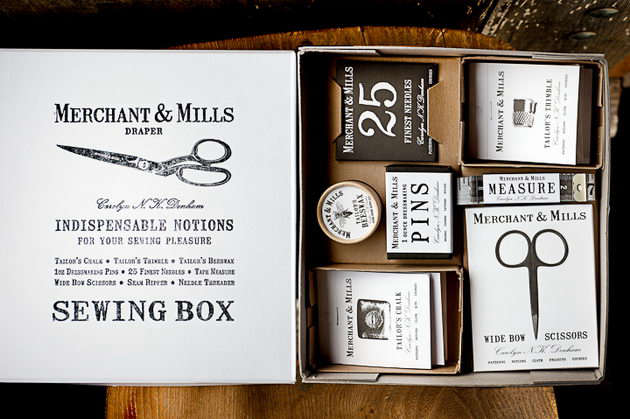
In simple terms, a sewing notions set is a collection of the small but mighty tools and supplies that support sewing projects. These are not the big-ticket items like a sewing machine or an ironing board. They are the practical helpers: needles, thread, pins, scissors, measuring tools, marking tools, clips, seam rippers, and the other little lifesavers that keep a project moving. Some notions sets are compact enough for travel or emergency mending, while others are more complete and designed for garment sewing, quilting, alterations, or craft work.
The beauty of a sewing notions set is that it can grow with you. A beginner may start with the basics and be perfectly happy. Later, after a few hems, a tote bag, and one slightly dramatic zipper incident, that same sewist may add specialty needles, pressing tools, fabric clips, and a rotary cutter. The goal is not to own every shiny sewing gadget ever invented. The goal is to have the right tools for the projects you actually make.
What Is a Sewing Notions Set, Exactly?
The word notions sounds charmingly old-fashioned, but it is still widely used in sewing for the small tools, fasteners, and accessories that support construction and finishing. Think of them as the sidekicks of sewing. They do not usually get top billing, but without them, the star cannot perform.
A sewing notions set can be bought pre-packed in a pouch, sewing basket, or hard case, or it can be assembled one piece at a time. Store-bought sets often include compact essentials for repairs and beginner sewing. Custom-built sets are better for people who know they sew certain materials often, such as knits, denim, quilts, or home décor projects. In other words, the best sewing notions set is not the one with the most pieces. It is the one that saves your sanity when your fabric starts acting suspicious.
The Core Tools Every Sewing Notions Set Should Include
1. Needles for Hand Sewing and Machine Sewing
No needles, no sewing. It is a harsh truth. A strong sewing notions set should include hand-sewing needles in assorted sizes and, if you sew by machine, a variety pack of machine needles as well. Different fabrics behave differently, so using the right needle matters more than many beginners expect. Fine fabrics prefer finer needles, while heavier materials need sturdier ones.
Keep extras on hand. Needles dull over time, and a worn-out needle can lead to skipped stitches, snags, and the kind of mysterious sewing drama that makes you blame the machine, the thread, the moon, and possibly your ancestors.
2. Thread in Practical, Flexible Colors
A sewing notions set should always have quality thread. Basic colors such as black, white, cream, and gray cover a surprising number of projects. If you sew often, you may also want navy, brown, and a few colors you use regularly. Cheap thread can shed lint, break more easily, and make simple sewing feel weirdly difficult, so this is one area where decent quality pays off.
For emergency mending, a few versatile spools are enough. For serious sewing, match thread weight and fiber as closely as possible to the fabric and project. Polyester thread is often the all-purpose crowd-pleaser of sewing rooms everywhere because it is strong, smooth, and generally cooperative.
3. Fabric Scissors and Thread Snips
If your sewing notions set includes only one cutting tool, make it a proper pair of fabric scissors. Better yet, include two tools: dressmaker shears for cutting fabric and small snips for trimming thread. Use fabric scissors only on fabric. Not paper. Not packaging. Not “just one quick coupon.” Fabric scissors remember betrayal.
Small snips are especially useful at the machine, where tiny threads multiply with supernatural enthusiasm. A neat trim gives garments and crafts a cleaner, more professional finish.
4. Seam Ripper
A seam ripper is not a sign of failure. It is a sign of reality. Every sewing notions set needs one. It removes stitches, opens buttonholes, and rescues projects from unfortunate decisions. A comfortable handle matters, especially if you alter clothing often or sew garments with lots of fittings.
Many sewists develop a love-hate relationship with the seam ripper. You hate needing it. You love that it exists. It is the tiny reset button of the sewing world.
5. Measuring Tools
At minimum, your sewing notions set should include a flexible tape measure and a seam gauge. The tape measure is essential for body measurements, larger pattern pieces, and fabric dimensions. The seam gauge is the quiet overachiever of the sewing table. It is perfect for checking seam allowances, hems, pleats, button placement, and small repeated measurements.
If you want to level up, add a clear ruler. It is especially handy for marking straight lines, checking pattern adjustments, and keeping edges honest.
6. Pins, Clips, and a Pincushion
Pins are classic for a reason. They hold layers together before sewing and help keep slippery or shifting fabrics under control. A pincushion or magnetic holder keeps them nearby and prevents your floor from becoming a surprise obstacle course.
Fabric clips are also worth including, especially if you sew thicker layers, vinyl, laminated fabrics, or knits that dislike pinholes. Some projects clearly prefer clips over pins, and knowing the difference can spare you a lot of muttering.
7. Marking Tools
A sewing notions set should include at least one temporary marking option. Tailor’s chalk, chalk pencils, water-soluble pens, and air-erasable markers all have their place. The golden rule is simple: always test on a fabric scrap first. Some marks vanish beautifully. Others stick around like an awkward party guest.
Marking tools help transfer darts, notches, fold lines, button placement, quilting guides, and hems. They may not look glamorous, but they keep your project from turning into a freestyle interpretation of a pattern.
8. Needle Threader, Thimble, and Tweezers
These are small additions that earn their keep. A needle threader helps with hand sewing and is especially welcome at the end of a long day when your eyes decide they are off duty. A thimble protects your finger during hand stitching, mending, and heavier work. Tweezers are surprisingly useful for pulling threads, cleaning up tiny messes, and dealing with finicky serger or machine threading tasks.
Nice-to-Have Additions That Make Sewing Easier
Once your basic sewing notions set is covered, a few extras can make your work faster, cleaner, and more enjoyable:
- Rotary cutter and self-healing mat: Great for quilting, straight cuts, and knit fabrics.
- Clear ruler or quilting ruler: Helpful for repeatable measurements and cutting accuracy.
- Point turner: Excellent for collars, corners, straps, and stuffed projects.
- Pinking shears: Useful for reducing fraying on some fabrics.
- Press cloth: Protects delicate fabrics while pressing.
- Walking foot or twin needle: Handy if you sew a lot of knits or stretchy fabrics.
- Clear elastic, knit interfacing, or wash-away tape: Useful for stabilizing tricky areas.
This is where a sewing notions set becomes more personal. A garment sewist may care deeply about pressing tools and hem markers. A quilter may reach first for a rotary cutter and acrylic ruler. Someone who mends family clothes may want spare buttons, safety pins, and reliable neutral thread. The set should reflect your sewing life, not someone else’s fantasy of a 97-piece kit with three tools you will never touch.
How to Choose the Right Sewing Notions Set
For Beginners
A beginner sewing notions set should feel simple, not overwhelming. Start with hand and machine needles, thread, fabric scissors, snips, pins, a pincushion, a seam ripper, a tape measure, a seam gauge, and one marking tool. That is enough to sew basic repairs, pillow covers, tote bags, elastic-waist projects, and beginner garments.
If you are shopping for a starter set, portability matters less than usefulness. Do not be fooled by cute packaging alone. A tiny case packed with flimsy tools may look adorable and still leave you borrowing scissors from the kitchen drawer like a crafty outlaw.
For Garment Sewing
Choose a sewing notions set with strong measuring and marking support. Garment sewing is all about fit, symmetry, and pressing. Prioritize a seam gauge, flexible tape measure, quality shears, tailor’s chalk or washable markers, hand needles for finishing, and tools that help with hems, darts, and closures.
For Quilting
Quilters often need precise cutting tools, so a rotary cutter, clear ruler, clips or pins, and a cutting mat quickly become essential. Consistency matters, and the right measuring tools can save you from the heartbreak of a block that is almost square in the same way a donut is almost a wedding ring.
For Travel or Emergency Mending
A travel sewing notions set can be tiny but still useful. Include a few needles, small scissors or snips, thread in neutral colors, safety pins, a few buttons, a seam ripper, and a compact measuring tape. This version is less about dream projects and more about rescuing hems, buttons, straps, and wardrobe mishaps with dignity intact.
How to Organize a Sewing Notions Set Without Losing Your Mind
Organization is not the most glamorous part of sewing, but it is the part that keeps you from buying the same seam gauge three times because the first two vanished into another dimension. A good system makes your tools visible, protected, and easy to grab.
Small pouches, divided boxes, sewing baskets with trays, and clear containers all work well. Keep sharps together, marking tools together, and measuring tools together. Wind loose thread neatly or store spools upright. Replace rusty pins, dull needles, and tired chalk. Your future self will be deeply grateful, and possibly a little smug.
It also helps to build your notions set by use zone. Keep everyday tools near the machine. Store backups separately. Make a small grab-and-go kit for mending. This way, your full sewing station does not need to travel every time a shirt button stages an escape.
Common Mistakes People Make When Building a Sewing Notions Set
- Buying too much too soon: A giant set is not automatically a smart set.
- Using poor-quality scissors or thread: These cause frustration fast.
- Ignoring needle variety: The wrong needle can ruin an otherwise good project.
- Skipping measuring tools: Eyeballing a hem is a bold lifestyle choice.
- Forgetting maintenance: Even small tools need cleaning, replacing, and storing properly.
- Keeping no backup basics: Extra needles, pins, and neutral thread are worth it.
Why a Good Sewing Notions Set Is Worth It
A thoughtfully built sewing notions set does more than hold tools. It removes friction from the creative process. It helps beginners learn faster, helps experienced sewists work more accurately, and makes quick mending far less annoying. It also encourages confidence. When you know you have the right tools within reach, you are much more likely to start the project, fix the hem, try the zipper, or finally cut into that fabric you have been saving “for something special” since approximately the Jurassic period.
Sewing is part skill, part patience, and part problem-solving. A strong notions set supports all three. It does not do the sewing for you, sadly. But it does make the journey smoother, neater, and much more fun.
Real-World Experiences With a Sewing Notions Set
The first time many people realize the true value of a sewing notions set is not during a grand handmade wardrobe project. It is during something wonderfully ordinary: a loose button before work, a hem that drops five minutes before leaving the house, or a pair of curtains that somehow end up one inch too long because measuring felt optional that day. In those moments, the sewing notions set stops being a craft supply and becomes a household survival kit.
One common experience is the beginner who buys a sewing machine and assumes that is the hard part over. Then the project begins, and suddenly they need pins, then scissors, then chalk, then a hand needle, then a seam ripper because the first seam went in backward. The lesson arrives quickly: the machine may do the stitching, but the notions do the supporting work that makes accurate sewing possible. Without them, even simple projects feel clumsy.
There is also the experience of learning that each tool has a personality. Fabric shears feel powerful and satisfying when they glide through cotton cleanly. A seam gauge seems boring until the day it helps create an even hem all the way around a dress, and then it gets promoted from “tiny metal ruler thing” to “trusted advisor.” Clips often look unnecessary until you sew something thick, slippery, or stretchy and realize pins are no longer the heroes of the story. A sewing notions set teaches these lessons one project at a time.
For people who mend clothing regularly, the experience is even more practical. A compact sewing notions set in a basket, drawer, or closet can turn a delayed repair into a five-minute fix. Instead of tossing a shirt aside because of a popped button or ignoring a loose seam until it becomes a larger problem, you can deal with it on the spot. This changes the way people care for clothes. Mending starts to feel less like punishment and more like competence in action.
Then there is the emotional side of it. A sewing notions set often becomes personal in a way few tool collections do. Certain scissors feel right in your hand. A favorite thimble becomes part of your routine. The tape measure curls in the familiar way it always has. The pincushion, slightly overstuffed and perhaps a little crooked, may have been handmade years ago and still sits proudly by the machine. Over time, the set collects not only tools but memories: the first successful zipper, the toddler costume finished at midnight, the quilt squares cut during a rainy weekend, the trousers hemmed before an interview, the holiday napkins sewn when the house smelled like cinnamon and coffee.
Even the mistakes become part of the experience. The seam ripper that rescued a backwards pocket. The marker that should definitely have been tested on scrap fabric first. The missing pin discovered at exactly the wrong moment. The thread color that looked perfect in the store and slightly unhinged in daylight. These mishaps are annoying in real time, yes, but they are also how sewists learn what belongs in their sewing notions set and what deserves an upgrade.
That is really the charm of it all. A sewing notions set is not static. It evolves as skills grow, preferences sharpen, and projects become more ambitious. It begins as a little collection of practical tools. It slowly turns into a record of what you make, how you solve problems, and the kind of sewist you are becoming. Not bad for a box that mostly holds scissors and thread.
Conclusion
A sewing notions set may seem small compared with fabric, patterns, or a shiny new machine, but it is the backbone of smooth, accurate, enjoyable sewing. The right set helps you measure correctly, cut cleanly, mark clearly, hold layers in place, undo mistakes, and finish projects with confidence. Whether you want a compact mending kit or a full sewing toolbox, start with the essentials, choose quality where it counts, and build a set that suits your actual projects. Your hems will be straighter, your frustration level lower, and your future sewing self considerably more relaxed.
SEO Tags
Note: This article is intentionally formatted as body-only HTML for direct web publishing and excludes extra source-link clutter.