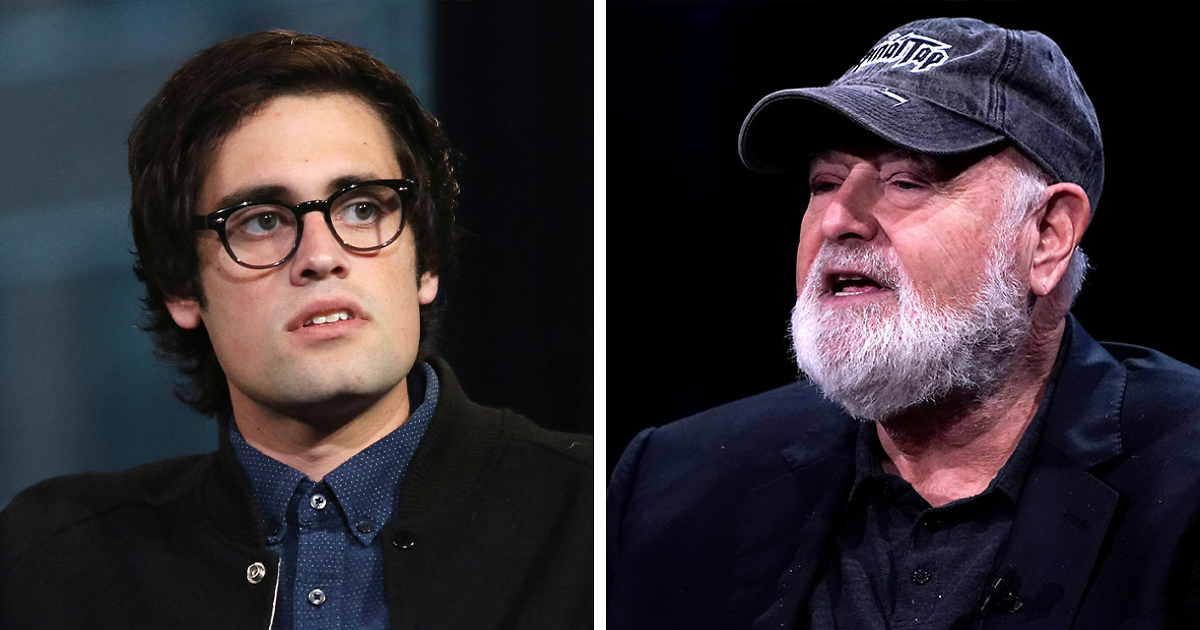
Some Hollywood stories arrive with red carpets, applause, and a publicist standing nearby with a clipboard. Others arrive like a broken ornament: sharp, unexpected, and impossible to ignore. The reported fight between Rob Reiner and his son Nick Reiner at Conan O’Brien’s Christmas party belongs to the second category. It was not a movie scene, although the setting sounds like one. It was a private holiday gathering, hosted by one of comedy’s most recognizable figures, attended by people who had every reason to expect small talk, festive snacks, and the usual December social gymnastics.
Instead, reports say the night included a tense confrontation between Rob Reiner and Nick Reiner, just hours before Rob and his wife, Michele Singer Reiner, were found dead at their Brentwood home on December 14, 2025. Nick Reiner was later arrested and charged with two counts of first-degree murder. He has pleaded not guilty, and the case remains active. That distinction matters. In a story this painful, accuracy is not a decorative throw pillow; it is the load-bearing wall.
The headline is dramatic because the facts are dramatic. But the larger story is not only about one argument at a Christmas party. It is about public grief, private family strain, celebrity news culture, and the delicate line between reporting a timeline and turning real tragedy into entertainment. Yes, Hollywood loves a plot twist. This one, however, left no room for applause.
The Reported Party Fight: What Has Been Said
According to multiple entertainment and news reports, Rob Reiner, Michele Singer Reiner, and their son Nick attended a holiday party hosted by Conan O’Brien on Saturday night, December 13, 2025. Sources who spoke to outlets including People and TMZ described an argument between Rob and Nick that was loud enough to attract attention. Some accounts also said Nick’s behavior at the gathering made guests uncomfortable.
That party detail became a major focus because of timing. The next day, Rob and Michele were found dead in their Los Angeles home. Nick was arrested later that day, and prosecutors subsequently announced murder charges. The proximity between the holiday party and the fatal incident made the reported argument part of the public timeline, even though investigators have not publicly presented the party as a full explanation of motive.
That is an important point. A fight may be relevant. A fight may be a warning sign. A fight may help build a timeline. But a fight is not the same thing as a courtroom verdict. Responsible coverage should keep its elbows off the table and avoid shoving speculation into the mashed potatoes.
Conan O’Brien’s Unwanted Connection To The Tragedy
Conan O’Brien’s name became attached to the story because the reported confrontation took place at his holiday party. That does not make him responsible for what happened later. It makes him, by all public accounts, a host whose private gathering became linked to a devastating event beyond his control.
O’Brien later spoke about the shock of learning that friends who had left his gathering were gone the next day. His reaction, as reported by entertainment outlets, reflected disbelief and grief rather than any desire to turn the tragedy into a public performance. That restraint is worth noting. In an era when every celebrity statement gets dissected like a Thanksgiving turkey, silence or careful speech can be a form of respect.
The situation also shows how quickly a celebrity’s home, party, or friendship can become part of a criminal-news narrative. One day, a holiday party is a room full of comedians, actors, friends, spouses, and probably someone explaining why their streaming show was “actually ahead of its time.” The next day, that same party becomes a timestamp in a homicide investigation. The tonal whiplash is severe.
Who Was Rob Reiner?
Rob Reiner was one of those Hollywood figures whose career stretched across generations. For some viewers, he was Michael “Meathead” Stivic from All in the Family. For others, he was the filmmaker behind Stand by Me, The Princess Bride, When Harry Met Sally…, Misery, and A Few Good Men. That résumé is not just impressive; it is the kind of filmography that makes other directors quietly reorganize their shelves and reconsider their life choices.
Reiner’s directing career was especially notable because he moved across genres with unusual confidence. Coming-of-age drama? He had it. Romantic comedy? He helped define the modern version. Fantasy adventure? Inconceivable, but yes. Courtroom drama? Absolutely. Psychological thriller? Also yes. His work became part of the American pop-cultural bloodstream, quoted in dorm rooms, family living rooms, film classes, and probably at least one wedding toast that went on too long.
He was also known for political activism and public advocacy. That public profile intensified the reaction to his death. Fans mourned the artist. Friends mourned the person. Political allies mourned the advocate. Hollywood mourned someone who had helped shape what mainstream American movies could feel like when they were smart, funny, emotional, and deeply human.
Who Was Michele Singer Reiner?
Michele Singer Reiner deserves more than being described only as “Rob Reiner’s wife.” She was a photographer, producer, and activist with her own creative and civic identity. She and Rob were married for decades, and friends described them as a deeply connected couple with a wide circle of relationships across entertainment and politics.
In celebrity tragedies, the more famous name often absorbs the headline. That is understandable from a search-engine perspective, but it can flatten the human reality. Michele was not a footnote. She was a person with a career, friendships, causes, taste, humor, and a life that extended beyond the shadow of Hollywood fame.
For readers searching “Rob Reiner and son Nick fight,” it is worth remembering that the fatal incident involved two victims. The loss was not only cinematic history losing a beloved director. It was a family losing parents, friends losing companions, and a community losing two people remembered for generosity and commitment.
Nick Reiner, Charges, And The Legal Status
Nick Reiner, Rob and Michele’s son, was charged with two counts of first-degree murder after their deaths. Prosecutors also cited special circumstances connected to multiple murders and a weapon allegation. He has pleaded not guilty, remains in custody, and the legal process is ongoing.
Coverage of Nick has included references to his previously public struggles with substance abuse and mental health. Those details may become part of the broader legal discussion, but they should be handled carefully. Mental health challenges and addiction do not automatically explain violence, and treating them as a simple cause can unfairly stigmatize millions of people who live with similar struggles and never harm anyone.
The better framing is this: the case involves a defendant with publicly reported personal struggles, a family with a complicated history, and a criminal proceeding that must sort evidence from emotion. That process belongs in court, not in the comment section of a celebrity-news post where everyone suddenly becomes a detective after one iced coffee.
Why The Christmas Party Timeline Matters
The reported argument matters because timelines matter in criminal cases. Investigators, journalists, and the public often look at the hours before a fatal incident for signs of conflict, distress, planning, confusion, or escalation. A public argument the night before a death naturally attracts attention.
But the party timeline should not be overloaded with meaning. A loud argument can be a clue, but it can also be one piece of a much larger puzzle. Families argue. Adult children and parents argue. Holiday events can magnify tension because everyone is dressed nicely, smiling publicly, and privately carrying emotional luggage the size of a studio backlot.
That does not minimize what happened. It simply keeps the analysis honest. A Christmas party fight may help explain why witnesses remembered Nick’s behavior. It may help explain why reports focused on the Reiner family’s final public appearance. It may help prosecutors or defense attorneys understand the emotional climate before the deaths. But the full legal meaning will depend on evidence, testimony, and court proceedings.
Hollywood Grief In The Age Of Instant News
The deaths of Rob and Michele Reiner became instant national news because Rob was famous, Michele was known in prominent circles, and the suspect was their son. That combination created a media storm with all the usual ingredients: legacy tributes, legal updates, anonymous-source reporting, old interviews resurfacing, and social-media users competing for the fastest half-informed opinion.
There is a strange modern ritual after celebrity tragedies. First comes shock. Then tributes. Then timelines. Then old clips. Then speculation. Then backlash to the speculation. Then think pieces about the backlash. It is exhausting, and somehow everyone still checks for updates before breakfast.
In this case, responsible coverage has to do two jobs at once. It must acknowledge the public interest in a major Hollywood figure’s death while also respecting that this is a family tragedy. The Reiner children lost parents. Friends lost people they loved. Conan O’Brien lost friends and found his name attached to a story no host would ever want near his front door.
Rob Reiner’s Legacy Beyond The Headlines
It would be a mistake for the final chapter of Rob Reiner’s public image to be defined only by the circumstances of his death. His work remains bigger than the crime coverage surrounding his final days. The Princess Bride still charms people who know every line. When Harry Met Sally… remains a romantic-comedy landmark. Stand by Me continues to make audiences feel twelve years old and emotionally fragile in the best possible way.
Reiner’s gift as a director was sincerity without embarrassment. He could make funny scenes emotional and emotional scenes funny. That is harder than it looks. Plenty of movies try to be heartfelt and end up feeling like a greeting card left in the rain. Reiner’s best films had warmth, rhythm, and human messiness. They trusted characters enough to let them be charming, foolish, stubborn, scared, and lovable within the same story.
That legacy should remain central. True-crime attention fades and court dates move. Films endure differently. They are rewatched, quoted, taught, rediscovered, and passed from one generation to the next. The public may remember the shocking news alert, but it should also remember the filmmaker who gave American cinema some of its most beloved scenes.
How To Read This Story Without Losing The Human Thread
One of the challenges of a case like this is that it invites curiosity while requiring restraint. Readers want to know what happened at the party, what was said, who saw it, what investigators believe, and what the court will decide. That curiosity is human. The problem begins when curiosity turns into certainty without evidence.
A healthier way to follow the story is to separate confirmed facts from reported claims and reported claims from speculation. Confirmed: Rob and Michele Reiner died on December 14, 2025. Confirmed: Nick Reiner was charged. Confirmed: he pleaded not guilty. Reported: a heated argument occurred at Conan O’Brien’s party the night before. Unknown publicly: the complete motive, the full evidence, and how the court will ultimately rule.
That structure may not be as thrilling as a conspiracy thread with seventeen arrows and one blurry screenshot, but it has the advantage of being fair.
Experience-Based Reflections: What This Story Teaches About Public Moments, Private Pain, And Responsible Attention
Stories like “Rob Reiner and son Nick fought at Conan O’Brien’s Christmas party 24 hours before the fatal incident” tend to pull readers in because they combine two worlds that rarely sit comfortably together: celebrity glamour and family crisis. Many people have attended gatherings where something felt “off.” A relative was unusually tense. A guest said something strange. A private disagreement leaked into a public room. Usually, everyone goes home, talks about it quietly, and the incident becomes family folklore: “Remember that holiday party when Uncle Dave argued with the coat rack?” In this case, the next day changed how the previous night would be understood forever.
The first experience-related lesson is that public appearances rarely show the full emotional weather inside a family. A holiday party can look polished from the outside. People wear good shoes, smile for photos, and pretend they are not counting how many appetizers are socially acceptable. But private stress does not vanish because someone put up twinkle lights. Families can carry years of conflict into one room, and sometimes the public setting only makes the tension more visible.
The second lesson is that bystanders often do not know what they are witnessing in real time. Guests at a party may notice an argument, but they may not understand whether it is embarrassing, alarming, temporary, or serious. Hindsight changes everything. After a tragedy, every remembered detail becomes heavier. A raised voice becomes a possible warning sign. An early exit becomes part of a timeline. A strange exchange becomes a clue. That does not mean everyone present failed to act. It means people usually interpret events with the information available at the time, not with the devastating knowledge that comes later.
The third lesson is for publishers and readers: tone matters. Writing about a fatal family incident should not sound like recapping a reality-TV reunion. There can be clear storytelling, strong SEO, and even a light touch in the writing style without making jokes at the expense of victims. Humor can help with readability, but it should aim at media absurdity, not human suffering. The difference is not small. It is the difference between being engaging and being cruel.
The fourth lesson is about legal patience. In fast-moving online culture, people want instant answers. The court system moves at the speed of paperwork wearing ankle weights. Hearings get delayed. Attorneys change. Evidence is reviewed. Pleas are entered. Motions are filed. That can frustrate the public, but it is also how serious cases are handled. When the stakes include life, liberty, and the truth about two deaths, “slow” is not always the enemy. Sometimes slow is the guardrail.
Finally, this story is a reminder that legacy and tragedy can coexist. Rob Reiner’s work still matters. Michele Singer Reiner’s life still matters. Conan O’Brien’s grief still matters. Nick Reiner’s legal rights still matter. None of those truths cancel the others. The most responsible way to follow the case is to hold all of them at once, even when the internet would prefer a simpler script.
Conclusion
The reported fight between Rob Reiner and Nick Reiner at Conan O’Brien’s Christmas party remains one of the most discussed details in the timeline before the deaths of Rob and Michele Singer Reiner. Its significance is clear, but its meaning should not be exaggerated beyond what evidence and court proceedings establish. Nick Reiner has been charged and has pleaded not guilty. The legal process continues, and future hearings may bring more clarity.
For now, the story stands as a tragic collision of Hollywood legacy, family pain, public speculation, and criminal justice. It is gripping, yes, but it is not a spectacle. Behind every headline are people who were loved, people who are grieving, and a court process that must be allowed to do its work. The best coverage remembers all of that, even when the headline is impossible to look away from.