What happens when Reddit’s imagination, famous movie characters, and AI image generation walk into the same digital room? Apparently, Chewbacca gets tiny feet, Harry Potter becomes a sword-carrying legend, and the Avengers start looking like they run an artisanal coffee shop that only accepts vinyl records as payment.
When Movie Characters Enter Reddit’s Remix Machine
The internet has always loved remixing pop culture. Give people a beloved character, a strange visual concept, and a place to share the results, and suddenly Darth Vader is a baby, Thor looks like he owns a craft brewery, and Dobby appears ready to haunt a temple gift shop. This viral collection, originally gathered from Reddit’s AI-art community and featured by Bored Panda, shows famous movie characters reimagined as hipsters, samurai, and babies through Midjourney-style prompt-based image generation.
The idea is simple, which is exactly why it works. Instead of asking, “What if this character had a sequel?” Reddit users asked, “What if this character had a mustache, a tiny robe, a katana, or a suspiciously strong opinion about pour-over coffee?” That playful question opens the door to a surprisingly rich conversation about fan art, artificial intelligence, nostalgia, and why the internet refuses to let Chewbacca simply remain Chewbacca.
At its core, the trend combines three things audiences already love: recognizable movie icons, unexpected visual transformations, and the joy of seeing something familiar become slightly ridiculous. It is not just about making images. It is about turning cultural memory into a playground.
Why Hipsters, Samurai, And Babies Are Such Perfect Transformations
Hipsters Make Heroes Look Weirdly Human
The hipster treatment works because it lowers the emotional temperature of blockbuster characters. Superheroes and sci-fi legends are usually framed as epic, dangerous, or destiny-soaked. Add round glasses, textured jackets, neat facial hair, and indie-film color grading, and suddenly they look like they might defeat evil after finishing a cold brew.
That is the comedy. A character built for cosmic stakes becomes someone who might argue about the “authentic” way to roast single-origin beans. Iron Man already had billionaire swagger, so turning him into a fashionable urban creative feels almost too easy. Captain America as “Captain Hipster” is funnier because it bends his clean-cut patriotism into something more ironic and modern. The contrast does the heavy lifting.
Samurai Versions Add Drama, Honor, And Excellent Cloaks
The samurai reinterpretations lean in the opposite direction. Instead of making characters casual, they make them mythic. Harry Potter becomes “Harrymoto Potteru,” Hermione becomes “Hermionu Chan,” and Snape becomes “Snape Sensei.” These names are playful, but the visual idea taps into a long-standing pop-culture habit: transporting Western characters into Japanese historical fantasy aesthetics.
Samurai-inspired redesigns work especially well for characters who already carry symbolic weapons, codes, and rivalries. A wand can become sword-like in spirit. A school of magic can resemble a warrior academy. A villain can become a warlord. The look adds armor, discipline, and cinematic seriousness, even when the concept itself is wonderfully silly.
Baby Versions Win Because The Internet Has No Defense Against Tiny Villains
Then there are the babies. Baby Darth Vader, baby Yoda, baby Boba Fett, baby Princess Leia, and baby Chewbacca succeed for one very scientific reason: the internet sees a tiny dangerous character and immediately loses all dignity.
Baby versions of famous movie characters create instant contrast. Darth Vader is supposed to be terrifying, not “toiny.” Jabba the Hutt is supposed to be gross and menacing, not weirdly adorable. A baby X-wing pilot raises obvious safety concerns, such as “Who gave this toddler access to military aircraft?” The humor comes from shrinking power. The more legendary the character, the funnier it becomes when they look like they need a nap.
The Best Part: The Characters Still Feel Recognizable
Good AI fan art does not simply slap a costume on a random face. It keeps enough recognizable visual DNA that viewers can instantly identify the character. Chewbacca still needs fur and Wookiee warmth. Darth Vader needs that unmistakable helmet silhouette. Thor needs heroic hair, a stormy presence, and the energy of someone who would absolutely yell for another drink.
The strongest images in this trend succeed because they balance novelty with recognition. Too little change and the image is boring. Too much change and the audience loses the joke. The sweet spot sits somewhere between “I know exactly who that is” and “Why does Voldemort look ready to star in a samurai prestige drama?”
Several examples stand out. Chewbacca as a baby became one of the most memorable because it turned a giant walking carpet into a tiny bundle of fur. Harry Potter and Hermione in samurai-inspired designs felt like alternate-universe posters for a fantasy epic. Baby C-3PO was funny because droids are not supposed to have childhood phases, yet there he was, looking like a golden mechanical toddler who might complain in six million forms of baby talk.
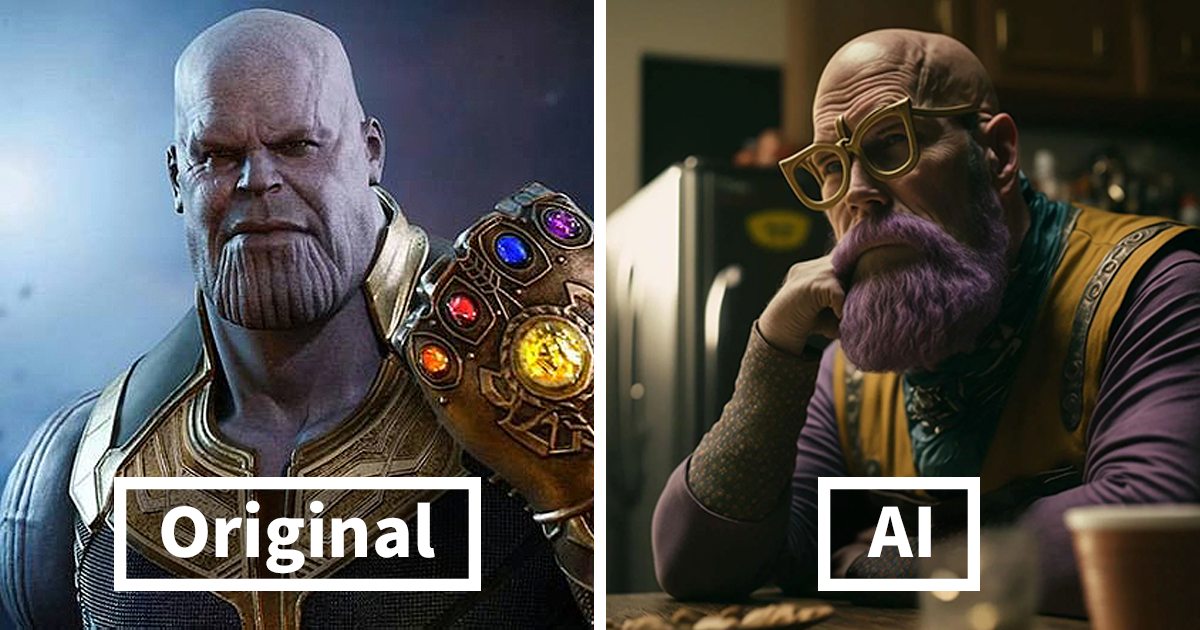
Meanwhile, the Marvel hipster designs played with personality more than scale. Thanos, Thor, Iron Man, Hulk, Rocket Raccoon, Black Panther, Captain America, and Doctor Strange each carry strong visual identities, so even small wardrobe changes create instant comedy. Put Thanos in a hipster frame and the universe-ending villain suddenly looks like he is contemplating opening a suspiciously expensive taco truck.
Why Reddit Is Built For This Kind Of Viral Creativity
Reddit is not just a social platform; it is a collection of extremely specific rooms where extremely specific people get excited about extremely specific things. That structure makes it ideal for AI image experiments. A user posts a strange idea, others react, request variations, critique details, and sometimes turn the whole thing into a trend before anyone has time to ask whether baby Jabba should have a bedtime.
Subreddits dedicated to AI art, Midjourney, fan art, movies, and pop culture often behave like creative laboratories. People share prompts, compare results, debate whether the output is impressive or uncanny, and suggest new combinations. The process becomes communal. One person may generate the image, but the audience helps shape what becomes popular.
This is why the “movie characters as hipsters, samurai, and babies” concept spread so easily. It is instantly understandable. It invites comments. It makes viewers pick favorites. It encourages the next question: What about Disney villains as 1980s gym teachers? What about horror icons as toddlers? What about the cast of Star Wars running a neighborhood bakery? Reddit thrives on that snowball effect.
The AI Art Angle: Prompting Is Part Joke, Part Craft
To people who have never used an AI image generator, it may look like magic: type words, receive art. In reality, the process can involve trial, revision, selection, and more trial. Midjourney-style tools respond to text prompts and image references, then generate visual options that users can refine or regenerate. The user is not painting each strand of Chewbacca fur by hand, but they are steering the concept, adjusting the language, choosing the best result, and deciding what feels share-worthy.
That distinction matters. AI image generation has sparked debate among artists, fans, lawyers, publishers, and platforms. Some people see it as an exciting creative tool. Others see it as disruptive, ethically messy, or unfair to human artists whose work may have influenced training data. The Reddit thread sits right in the middle of that discussion: funny, impressive, controversial, and very much a product of the current internet.
What makes this collection especially interesting is that it does not pretend to be high museum art. It is internet-native visual comedy. It asks, “What if?” and then answers with a gallery of strange, charming, sometimes chaotic pictures. That does not end the debate about AI art, but it does explain why millions of viewers find these experiments hard to ignore.
Fan Art, Copyright, And The Fine Print Nobody Reads Until Things Go Viral
Whenever famous movie characters appear in fan-made images, copyright questions enter the chat wearing tiny lawyer glasses. Characters from franchises like Star Wars, Harry Potter, and Marvel are protected intellectual property. Fan art often lives in a gray area where audiences love it, creators enjoy it, and rights holders may tolerate it depending on context, commercial use, and brand concerns.
In the United States, fair use analysis typically looks at factors such as purpose, nature of the original work, amount used, and market effect. Transformative parody, commentary, or noncommercial fan expression may have stronger arguments than direct commercial merchandise. However, fair use is not a magic shield. It is a case-by-case legal defense, not a button labeled “everything is fine.”
AI-generated material adds another layer. The U.S. Copyright Office has emphasized human authorship when evaluating copyright protection for works containing AI-generated elements. That means creators using AI tools should be thoughtful about originality, disclosure, editing, and how much human creative control is involved. For casual Reddit posts, the practical stakes may be low. For commercial publishing, licensing, or product sales, the stakes get much higher.
In plain English: enjoy baby Darth Vader, but maybe do not build an unauthorized baby Darth Vader hoodie empire unless you enjoy receiving emails with “legal department” in the signature.
Why These Images Feel So Addictive
The popularity of this trend comes from recognition plus surprise. Viewers already know the characters, so the brain does not need a long explanation. The surprise arrives instantly: familiar face, unfamiliar universe. That is the same engine behind mashups, memes, cosplay, parody trailers, alternate posters, and fan fiction.
There is also a nostalgia factor. Famous movie characters often live in our minds as fixed icons. Darth Vader is always Darth Vader. Hermione is always Hermione. Thor is always Thor. Reimagining them as babies, samurai, or hipsters breaks that frozen image and gives fans permission to laugh at something they also love.
Another reason the gallery works is emotional range. The baby images are cute. The samurai images are dramatic. The hipster images are funny and stylish. Together, they prevent visual fatigue. A viewer moves from “aww” to “whoa” to “this guy definitely owns a record player,” which is a surprisingly efficient emotional workout.
30 Pics, 3 Styles, Endless Internet Reactions
The collection includes recognizable names from major franchises, including Star Wars, Harry Potter, and the Marvel universe. Among the highlighted characters are Chewbacca, Harrymoto Potteru, Hermionu Chan, C-3PO, Mace Windu, Snape Sensei, Ron Kun, a Stormtrooper, Thanos, Luke, Boba Fett, Princess Leia, Voldemoru Sama, Draco Malfoyu, Darth Vader, Hagrid Khan, Jabba the Hutt, Lando, Thor, Dobby the Temple Yokkai, Yoda, Padme, Iron Man, an X-wing pilot, Hulk, Han Solo, Rocket Raccoon, Black Panther, Captain America, and Doctor Strange.
That lineup matters because it mixes heroes, villains, sidekicks, mentors, aliens, robots, and magical weirdos. Some characters become adorable when reduced to baby form. Others become more intimidating when placed in samurai armor. Some simply look like they wandered out of an expensive Brooklyn café and forgot they were supposed to save the world.
The comments are part of the entertainment, too. Viewers joked about tiny Wookiee feet, baby mustaches, plush-toy potential, and whether infants should be allowed near X-wings. That reaction layer is classic Reddit: the image is the spark, but the comment section supplies the fireworks, the smoke alarm, and possibly a raccoon wearing sunglasses.
What This Trend Says About Modern Pop Culture
Modern fandom is no longer passive. Fans do not simply watch movies, buy popcorn, and go home. They remix, rank, debate, redesign, meme, cosplay, and recontextualize. A character’s official story is only the beginning. Once the internet gets involved, that character can become a samurai, a toddler, a noir detective, a 1990s sitcom dad, or a medieval soup merchant by lunchtime.
This kind of creative play shows how deeply movie characters have entered public imagination. The audience recognizes them so quickly that even a visual remix remains legible. That is powerful branding, but it is also cultural ownership in the emotional sense. Fans feel close enough to these characters to joke with them.
AI tools accelerate the process. What once required advanced illustration skills can now be explored through prompts, references, editing, and curation. That opens doors for people who have ideas but not traditional drawing training. It also raises difficult questions for professional artists. The healthiest conversation acknowledges both realities: AI can unlock playful creativity, and human artists deserve respect, transparency, and fair treatment.
How To Enjoy AI Fan Art Without Turning Into A Chaos Goblin
If you love this trend and want to explore similar AI-generated fan art, a few basic principles help. First, treat the work as transformative play, not an official product. Second, credit original posters or communities when sharing. Third, avoid presenting AI images as hand-drawn work if they are not. Fourth, be careful with commercial use involving famous characters. Fifth, remember that artists are people, not content vending machines with Wi-Fi.
Good fandom is generous. It celebrates the source material, respects creators, and leaves room for debate. You can enjoy a baby Stormtrooper while also understanding why some artists feel uneasy about AI image tools. You can laugh at hipster Thanos while still recognizing that copyright and authorship are serious topics. The internet is large enough to hold both jokes and nuance, even if the jokes usually get more upvotes.
Experience Notes: What It Feels Like To Browse A Gallery Like This
Looking through a gallery of famous movie characters reimagined as hipsters, samurai, and babies feels a little like opening a mystery box from a very talented, very sleep-deprived film nerd. You know the characters, but you do not know what version of them will appear next. One moment you are smiling at baby Chewbacca, the next you are wondering why Samurai Snape looks like he could teach Defense Against the Dark Arts and battlefield etiquette at the same time.
The best experience is not rushing. These images are fun because they reward small details. A baby version may have a tiny version of a famous costume. A samurai redesign may preserve a character’s color palette while replacing robes, armor, or weapons. A hipster version may use facial hair, glasses, scarves, soft lighting, or symmetrical composition to suggest a completely different genre. When viewers slow down, the joke gets better.
There is also a social experience. These galleries are made for sharing. You immediately want to send one picture to the friend who loves Star Wars, another to the Marvel fan who quotes Thor at inappropriate moments, and another to the Harry Potter fan who still knows their Hogwarts house with alarming emotional certainty. The images become conversation starters. People argue over which version works best, which character looks cursed, and which one deserves a full movie.
Personally, the funniest part of this kind of remix is how quickly the brain accepts the impossible. Baby Darth Vader? Sure. Hipster Captain America? Obviously. Samurai Harry Potter? Why not, and when does the trailer drop? That instant acceptance shows how flexible pop culture has become. Audiences are trained to understand alternate universes, multiverses, parody posters, fan edits, and “what if” scenarios. The stranger the premise, the faster the internet seems to adapt.
The experience also reveals the limits of AI art in an interesting way. Some images look polished, while others may have strange hands, odd proportions, or details that feel slightly melted by the algorithmic soup. But even those imperfections become part of the charm. Reddit users are not only judging beauty; they are judging entertainment value. A slightly weird image can be funnier than a perfect one.
In the end, browsing this trend feels like attending a tiny digital film festival where every poster was designed by someone who had three energy drinks and a dangerous amount of imagination. It is silly, stylish, sometimes uncanny, and surprisingly revealing. We love these characters so much that we want to see them in every possible form, even the form where a baby bounty hunter looks ready for a nap after one mission.
Conclusion
The viral Reddit collection of famous movie characters as hipsters, samurai, and babies works because it understands the internet’s favorite formula: take something iconic, twist it just enough, and let the audience react. The results are funny, charming, dramatic, and occasionally strange in the best possible way.
More importantly, the trend captures a bigger cultural shift. AI image tools have made visual remixing faster and more accessible, while platforms like Reddit turn those experiments into community events. Fans are no longer just consuming pop culture; they are constantly reshaping it. Sometimes that means thoughtful analysis. Sometimes it means baby Jabba. Both, somehow, have their place.
Note: This article is written for entertainment and commentary purposes. It discusses fan-made, AI-assisted pop-culture reinterpretations and does not claim affiliation with or ownership of any referenced movie franchises or characters.