A rectangular yellow bin may sound like the kind of object that quietly lives in a garage, classroom, warehouse, or recycling corner without demanding applause. But give it a little attention and you realize it is one of those practical items that makes life run smoother. It stores, separates, warns, organizes, collects, and occasionally saves a room from looking like a tornado with hobbies.
Whether you are shopping for a yellow storage bin, setting up a recycling station, organizing parts in a workshop, or choosing a bright container for a school, office, kitchen, or facility, the rectangular yellow bin deserves more respect than it usually gets. Its shape is efficient. Its color is visible. Its uses are surprisingly broad. And when chosen correctly, it can reduce clutter, improve safety, and make everyday sorting easier.
This guide explains what a rectangular yellow bin is, why yellow is such a useful color, where these bins work best, what materials and features matter, and how to use one in a way that looks intentional instead of “I bought a bin and hoped for the best.”
What Is a Rectangular Yellow Bin?
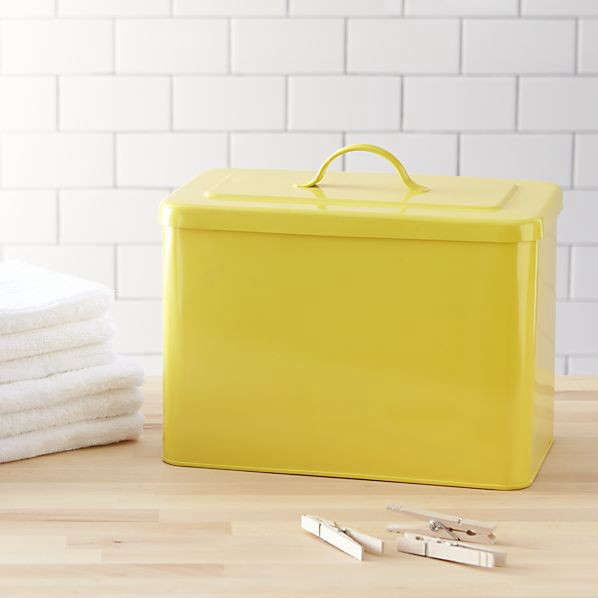
A rectangular yellow bin is a storage, waste, recycling, or utility container with a rectangular footprint and a yellow body, lid, label, or front panel. It may be small enough to sit on a workbench or large enough to serve as a commercial recycling container. Some are open-top bins for quick access, while others include lids, handles, wheels, dividers, label holders, or stackable edges.
The rectangular shape is the real secret sauce. Unlike round containers, rectangular bins fit neatly against walls, under counters, along shelving, inside cabinets, and beside desks. They waste less floor space and line up well in rows, which is why they are popular in warehouses, offices, schools, garages, retail spaces, healthcare environments, workshops, and home organization systems.
Why Yellow? The Power of a High-Visibility Color
Yellow is one of the easiest colors to spot quickly. In many workplace and safety settings, yellow is associated with caution, awareness, and physical hazards. That does not mean every yellow bin is a warning device, but it does explain why the color works so well in busy environments. A yellow container catches the eye before someone trips over it, ignores it, or accidentally drops the wrong item inside.
Yellow also has a cheerful side. In a home, classroom, or creative studio, a yellow bin adds warmth and energy. It stands out without feeling aggressive. Blue may say “recycling,” gray may say “utility,” and black may say “trash,” but yellow says, “Hey, pay attention to me, but I’m still friendly.” That makes it a smart choice for systems that need visibility: cleaning supplies, sports gear, art materials, tools, packages, return items, safety gear, or recyclable containers.
Common Uses for Rectangular Yellow Bins
1. Recycling and Waste Sorting
In the United States, recycling colors are not perfectly standardized everywhere, so a yellow bin should always be paired with a clear label. Some communities use blue for recycling, while yellow may be used for mixed recyclables, specialty materials, caution-related waste, or internal sorting. The important rule is simple: the bin color should support the label, not replace it.
A rectangular yellow bin can work well for cans and bottles, paper collection, cardboard staging, returnable containers, or “check before disposal” items. For best results, add a large label such as “Plastic Bottles Only,” “Cans,” “Paper,” “Returns,” or “Cleaning Towels.” People recycle better when they do not need to solve a mystery at the bin.
2. Garage and Workshop Organization
Yellow storage bins are excellent for garages because they stand out against concrete, metal shelving, lumber, and dark corners. Use them for power-tool batteries, extension cords, screws, fasteners, paint supplies, gardening gloves, car-cleaning products, or seasonal hardware.
For workshops, smaller stackable yellow bins can create a color-coded system. For example, yellow can mean “frequently used,” “safety items,” “electrical parts,” or “needs restocking.” The specific meaning matters less than consistency. A color system only works when everyone agrees not to turn it into modern art.
3. School and Classroom Storage
Teachers love bins for the same reason students love recess: both make the day easier. A rectangular yellow bin can hold art supplies, library returns, math manipulatives, science materials, cleaning wipes, sports equipment, or lost-and-found items. Because yellow is easy to notice, it is useful for “turn in here” stations or supplies students need to find quickly.
4. Office and Mailroom Systems
In offices, rectangular yellow bins are useful for outgoing mail, package returns, IT equipment, confidential-shredding reminders, office supplies, or reusable envelopes. A rectangular bin can sit on a shelf or under a counter without creating traffic problems. Add a clean printed label and suddenly the office looks organized, even if the breakroom fridge is still hosting leftovers from another era.
5. Retail, Warehouse, and Industrial Use
Commercial environments often use colored bins for inventory control, picking systems, maintenance supplies, replacement parts, defect sorting, and returns. Yellow works especially well for items that require attention: quality-control holds, repair parts, caution materials, or urgent restocking. Industrial storage bins are often made from durable plastic, polymer, or polypropylene and may be designed to resist moisture, oil, grease, dents, and corrosion.
Benefits of a Rectangular Yellow Bin
Space Efficiency
The rectangular footprint makes this bin easy to place where a round container feels awkward. It can hug a wall, slide under a bench, sit flush on a shelf, or align with other bins in a row. This is especially helpful in narrow laundry rooms, classroom corners, office corridors, and workstations where every inch matters.
Better Visibility
Yellow is hard to ignore. That is helpful when the bin is used for caution items, recycling, supplies, or high-priority storage. In a cluttered garage or warehouse, a bright yellow bin is easier to find than a gray or black one.
Simple Color Coding
Color coding helps people sort items quickly. Yellow can be assigned to one category across a home, office, or facility. For example, yellow might mean cleaning supplies in a janitorial closet, returns in a retail stockroom, or repair parts in a workshop.
Durability and Reusability
Many rectangular yellow bins are made from plastic materials designed for repeated use. Depending on the model, they may be stackable, nestable, wall-mountable, waterproof, or resistant to grease and chemicals. For long-term value, choose a bin that matches the job rather than buying the cheapest container and hoping it develops a personality.
How to Choose the Right Rectangular Yellow Bin
Start With the Purpose
Before buying, decide exactly what the bin must do. A bin for paper recycling has different needs than a bin for heavy tools. A classroom supply bin does not need the same load capacity as a warehouse parts bin. Ask: Will it hold dry items, wet items, sharp items, dirty items, heavy items, or items people need to access often?
Check the Size and Capacity
Measure the space before choosing a bin. A rectangular bin that looks modest online may become a yellow plastic monument in a small room. For shelves, check the outside length, width, and height. For waste or recycling, consider gallon capacity. For parts storage, check load rating and whether dividers can be added.
Look at the Material
Common materials include polypropylene, polyethylene, industrial-grade polymer, and other durable plastics. Polypropylene is often used for smaller stackable storage bins because it is lightweight and practical. Polyethylene is common in trash and recycling containers because it can be tough, easy to clean, and suitable for larger molded designs.
Decide Between Open-Top and Lidded
Open-top bins are best for speed. People are more likely to use a recycling or sorting bin when they do not have to fight with a lid. Lidded bins are better when you need to hide contents, reduce odors, protect items from dust, or keep supplies from wandering away.
Consider Stackability
Stackable rectangular yellow bins are ideal for shelves, workshops, and stockrooms. They allow vertical storage without turning the floor into a plastic obstacle course. If the bins will be stacked while full, check the manufacturer’s stacking limit and load capacity.
Choose Clear Labels
A yellow bin without a label is just a bright suggestion. Add a label that says exactly what belongs inside. Use large text, simple icons, and plain language. “Empty Clean Bottles and Cans” works better than “Recyclable Materials,” because people make faster decisions when the instruction is specific.
How to Use a Rectangular Yellow Bin for Recycling
If your rectangular yellow bin is part of a recycling system, clarity matters. Recycling rules vary by city, county, and hauler, but many U.S. programs emphasize the same basic habits: place accepted items loose in the bin, keep containers empty and dry, avoid food residue, and do not bag recyclables unless your local program specifically tells you to.
Good candidates for many recycling programs include paper, flattened cardboard, metal cans, and certain plastic bottles or jugs. Items that often cause problems include food-soiled containers, plastic bags, batteries, electronics, foam packaging, cords, hoses, and greasy paper. The smartest move is to check local rules and then make your yellow bin label match those rules.
For example, if the bin is for bottles and cans, place a label on the front and top: “Bottles and Cans Only Empty First.” If it is for paper, use “Clean Paper Only No Food or Cups.” The more precise the label, the less likely the bin becomes a confused soup of trash, hope, and one mystery fork.
Best Places to Put a Rectangular Yellow Bin
Placement can make or break the system. Put the bin where the behavior naturally happens. A recycling bin belongs near the place where bottles, cans, mail, or packaging are used. A tool bin belongs near the bench. A classroom turn-in bin belongs near the door or teacher station. A cleaning-supply bin belongs in the closet, not across the building like a treasure hunt.
In homes, good locations include the garage, pantry, laundry room, mudroom, office, craft room, or under a utility shelf. In businesses, good locations include copy areas, breakrooms, warehouse aisles, stockrooms, receiving areas, and maintenance closets. Keep walkways clear and avoid placing bins where they create tripping hazards.
Cleaning and Maintenance Tips
A rectangular yellow bin stays useful longer when it is kept clean. For dry storage, wipe it out occasionally with a damp cloth. For recycling or waste use, rinse spills quickly and allow the bin to dry before putting it back into service. If the bin holds cleaning products, chemicals, or workshop materials, follow the product labels and local disposal rules before washing residue away.
Check for cracks, warped edges, broken handles, and worn labels. A damaged bin may still look heroic, but it can fail at the worst moment. Replace labels when they fade or peel. If several bins are used together, review the color system with everyone who uses the space. Organization is not a one-time event; it is a tiny agreement people keep making.
Rectangular Yellow Bin Ideas for Home Organization
One of the easiest ways to use a rectangular yellow bin at home is to assign it to a repeating problem. For example, create a “return bin” near the entryway for library books, store returns, borrowed items, and packages that need to go out. Place a yellow bin in the laundry room for unmatched socks, cleaning rags, or items that need stain treatment. Use one in the pantry for snacks, reusable shopping bags, or lunch-packing supplies.
In a child’s room, a rectangular yellow bin can hold building blocks, art supplies, sports gear, or stuffed animals. In a home office, it can collect papers to scan, packages to open, or cables that need sorting. The color makes the bin easy to find, and the rectangular shape keeps it from eating the room.
Rectangular Yellow Bin Ideas for Businesses
Businesses can use rectangular yellow bins to reduce confusion in shared spaces. In a mailroom, yellow can identify outgoing packages. In a warehouse, it can mark items waiting for inspection. In a retail store, it can hold returns that need processing. In a maintenance department, it can separate safety gear, replacement parts, or tools that need repair.
For professional environments, presentation matters. Use matching bins, consistent labels, and clear placement. A good bin system should look boring in the best possible way: obvious, tidy, and easy to follow. When employees do not have to ask where something goes, the bin is doing its job.
Common Mistakes to Avoid
The first mistake is choosing the wrong size. Too small, and the bin overflows by lunch. Too large, and it becomes a bulky container for everything nobody wants to decide about. The second mistake is skipping labels. Color alone is not enough, especially in shared spaces.
The third mistake is mixing categories. If one yellow bin is for recycling and another yellow bin is for cleaning supplies, label both clearly and keep them in separate zones. The fourth mistake is ignoring weight. A bin that can hold fluffy craft supplies may not be safe for metal tools or dense inventory parts.
Finally, do not hide the bin where no one will use it. Convenience drives behavior. A perfectly labeled rectangular yellow bin placed in a distant corner is basically decorative furniture with dreams.
My Practical Experience With a Rectangular Yellow Bin
The first time I used a rectangular yellow bin seriously, it was not because I had a grand organizing philosophy. It was because my garage had developed what experts might call “horizontal chaos.” Screws were in coffee cans, extension cords were pretending to be snakes, and every small tool seemed to migrate to a different shelf when I was not looking. I bought a yellow rectangular bin because it was bright, stackable, and impossible to lose unless I misplaced the entire garage.
I started by using it as a “fix-it bin.” Anything that needed repair went into that one yellow container: a loose cabinet hinge, a flashlight with tired batteries, a cracked hose nozzle, a tape measure with emotional issues, and several mystery screws that clearly belonged to something important. The bin immediately solved a problem I did not realize I had. Instead of leaving half-finished repairs in five different places, I had one visible station for unfinished tasks.
The rectangular shape made a bigger difference than expected. It sat flat against the wall under a shelf, so it did not block the walkway. Because the sides were straight, I could fit smaller boxes inside it like puzzle pieces. Round buckets always seemed to waste corner space, but the rectangular bin used the shelf depth properly. It looked intentional, which is half the battle in organization. The other half is not buying more mystery screws.
Later, I added a label: “Repair + Return.” That changed how everyone used it. Suddenly, the yellow bin became the place for items that needed action. A broken charger? Yellow bin. A borrowed tool to return? Yellow bin. A package part that needed to be exchanged? Yellow bin. It became a physical reminder, like a polite but very bright assistant saying, “You still need to deal with this.”
I also tested a rectangular yellow bin for recycling in a small office area. The lesson was clear: the label mattered more than the color. When the bin simply looked like a yellow container, people tossed in paper, wrappers, cups, and whatever else had completed its life journey. Once the label said “Empty Bottles and Cans Only,” the contents improved. Adding a small sign above it helped even more. The yellow color attracted attention, but the instruction created the behavior.
In a classroom-style setting, the yellow bin worked beautifully as a turn-in box because students could spot it instantly. It was not fancy. It did not need Wi-Fi. It simply sat near the door, bright and obvious. Papers went in. Supplies returned. Fewer things landed on the wrong desk. Sometimes the best organizational tool is not an app; it is a well-placed container that refuses to blend into the background.
The biggest lesson from using rectangular yellow bins is that they work best when they have one job. A bin labeled “Miscellaneous” is where organization goes to nap. A bin labeled “Batteries to Recycle,” “Library Returns,” “Cleaning Cloths,” or “Small Parts” has a clear mission. When the purpose is specific, the bin earns its space.
I also learned not to overload it. A sturdy bin can still become annoying if it is too heavy to lift. For tools and hardware, smaller bins are better than one giant container. For light materials like paper, towels, toys, or packaging, a larger rectangular yellow bin works well. Matching the bin to the contents makes the system easier to maintain.
Overall, the rectangular yellow bin turned out to be one of those humble objects that quietly improves daily life. It does not make a dramatic entrance. It does not require assembly instructions written in twelve languages. It just gives loose things a place to go, makes categories easier to see, and helps people act without thinking too hard. That is the magic of good organization: not perfection, just fewer tiny decisions standing between you and a cleaner space.
Conclusion
A rectangular yellow bin is simple, but it is far from ordinary. Its space-saving shape, high-visibility color, and flexible design make it useful for homes, offices, classrooms, warehouses, garages, and recycling stations. The best bin is not just the brightest or biggest one; it is the one that matches the job, fits the space, carries the right weight, and tells people exactly what belongs inside.
Use a rectangular yellow bin for storage, sorting, recycling, returns, supplies, or action items. Add a clear label. Place it where people naturally need it. Keep it clean. Do those things, and one bright yellow rectangle can bring surprising order to a messy corner of life.