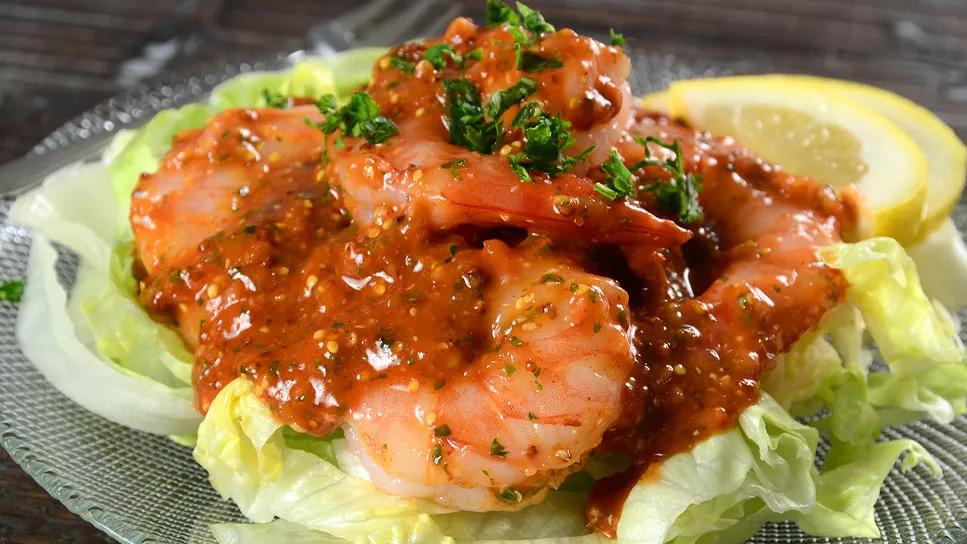
Classic shrimp remoulade is the kind of dish that walks into the room wearing sunglasses, even indoors. It is cool, bold, creamy, tangy, spicy, and just fancy enough to make guests think you planned dinner with a jazz band in the background. At its heart, this New Orleans-style appetizer is simple: chilled shrimp tossed or served with a punchy remoulade sauce, usually arranged over crisp lettuce with lemon, herbs, and a little confidence.
The magic is in the balance. Sweet shrimp need brightness. Mayonnaise needs mustard. Horseradish needs a referee. Hot sauce needs a reason to behave. When everything comes together, classic shrimp remoulade tastes refreshing rather than heavy, lively rather than loud, and elegant without making you polish the silverware.
What Is Classic Shrimp Remoulade?
Shrimp remoulade is a chilled seafood dish commonly associated with Creole and New Orleans cooking. It usually features poached shrimp coated in or topped with a remoulade sauce made from mayonnaise, Creole mustard, horseradish, lemon juice, herbs, spices, and often a small amount of ketchup, paprika, hot sauce, or Worcestershire sauce. The result is creamy but sharp, spicy but not reckless, and rich enough to feel special without requiring a culinary degree.
Unlike a plain shrimp cocktail, which leans on a tomato-heavy cocktail sauce, shrimp remoulade has more depth. The mustard brings earthy heat, the lemon adds freshness, the horseradish wakes up the whole plate, and the herbs keep the sauce from tasting like it came from a sleepy refrigerator door. It is commonly served as a first course, lunch salad, party appetizer, or elegant make-ahead dish for warm-weather entertaining.
Why This Classic Shrimp Remoulade Recipe Works
A good shrimp remoulade recipe depends on three things: properly cooked shrimp, a sauce with backbone, and enough chilling time for the flavors to settle into each other like old friends at a porch table. This version uses a quick seasoned poaching liquid, an ice bath to stop the cooking, and a Creole-style remoulade that balances creaminess, acidity, heat, and crunch.
The shrimp are cooked gently so they stay juicy and tender. The sauce includes mayonnaise for body, Creole mustard for bite, horseradish for zip, lemon juice for brightness, ketchup for subtle sweetness and color, and herbs for freshness. A little celery and scallion add texture, while paprika and cayenne bring warmth without turning the dish into a dare.
Ingredients
For the Shrimp
- 1 1/2 pounds large shrimp, peeled and deveined, tails on or off
- 6 cups water
- 1 lemon, halved
- 2 bay leaves
- 2 celery ribs, roughly chopped
- 1 small yellow onion, quartered
- 3 garlic cloves, smashed
- 1 tablespoon kosher salt
- 1 teaspoon black peppercorns
- Ice, for cooling
For the Classic Remoulade Sauce
- 1 cup mayonnaise
- 3 tablespoons Creole mustard or whole-grain mustard
- 2 tablespoons ketchup or chili sauce
- 1 1/2 tablespoons prepared horseradish
- 2 tablespoons fresh lemon juice
- 1 teaspoon Worcestershire sauce
- 1 to 2 teaspoons Louisiana-style hot sauce, to taste
- 1 small garlic clove, finely grated
- 1/4 cup finely chopped celery
- 2 tablespoons finely chopped scallions
- 2 tablespoons finely chopped fresh parsley
- 1 tablespoon drained capers, chopped, optional
- 1/2 teaspoon sweet paprika
- 1/8 teaspoon cayenne pepper, plus more to taste
- Salt and black pepper, to taste
For Serving
- Crisp butter lettuce, romaine, iceberg, or mixed greens
- Lemon wedges
- Sliced tomatoes or cherry tomatoes
- Extra parsley or scallions
- Crackers, toasted baguette, or French bread
How to Make Classic Shrimp Remoulade
Step 1: Build a flavorful poaching liquid
In a large saucepan, combine the water, lemon halves, bay leaves, celery, onion, garlic, kosher salt, and peppercorns. Bring the mixture to a boil, then reduce the heat and simmer for 10 minutes. This quick court bouillon gives the shrimp a clean, seasoned flavor instead of leaving them tasting like they took a short bath in plain water.
Step 2: Cook the shrimp gently
Add the shrimp to the simmering liquid and cook just until they turn pink, curl lightly, and look opaque and pearly, usually 2 to 3 minutes depending on size. Do not wander away to answer a text, organize a drawer, or contemplate your life choices. Shrimp cook fast, and overcooked shrimp have the bounce of tiny seafood tires.
Step 3: Chill the shrimp quickly
Use a slotted spoon to transfer the shrimp to a bowl of ice water. Let them chill for about 5 minutes, then drain well and pat dry. Dry shrimp hold the remoulade sauce better, which means every bite gets a proper coating instead of a watery shrug.
Step 4: Make the remoulade sauce
In a medium bowl, whisk together the mayonnaise, Creole mustard, ketchup, horseradish, lemon juice, Worcestershire sauce, hot sauce, garlic, paprika, and cayenne. Stir in the celery, scallions, parsley, and capers if using. Taste and season with salt and black pepper. The sauce should be creamy, tangy, lightly spicy, and bright enough to make the shrimp sit up straight.
Step 5: Toss and chill
Add the cooked shrimp to the remoulade sauce and toss gently until coated. Cover and refrigerate for at least 30 minutes, or up to several hours. This resting time is not just culinary patience theater. It allows the mustard, lemon, horseradish, herbs, and spices to blend into a smoother, more complete flavor.
Step 6: Serve cold and crisp
Arrange lettuce on chilled plates or a serving platter. Spoon the shrimp remoulade over the greens, garnish with tomatoes, lemon wedges, and extra parsley, and serve with crackers or toasted bread. For a classic presentation, keep the shrimp cold, the lettuce crisp, and the portions generous enough that nobody starts counting shrimp at the table.
Recipe Card: Classic Shrimp Remoulade
- Prep time: 20 minutes
- Cook time: 15 minutes
- Chill time: 30 minutes
- Total time: About 1 hour 5 minutes
- Servings: 4 main-course salads or 6 appetizer portions
- Difficulty: Easy
- Best served: Cold
Pro Tips for the Best Shrimp Remoulade
Use large shrimp
Large shrimp make the dish feel more substantial and give each bite a satisfying texture. Medium shrimp work too, especially for party platters, but very tiny shrimp can disappear into the sauce like they are hiding from responsibility.
Do not overcook the shrimp
Perfect shrimp should be tender, juicy, and lightly springy. If they curl into tight little circles and feel rubbery, they have gone too far. The ice bath is your best friend because it stops carryover cooking quickly.
Choose mustard with personality
Creole mustard is ideal because it has texture, tang, and gentle heat. If you cannot find it, use a good whole-grain mustard. Avoid overly sweet yellow mustard as the main mustard here; it can make the sauce taste more like a picnic condiment than a classic remoulade.
Let the sauce rest
Remoulade improves after a short rest in the refrigerator. Even 30 minutes helps, but a few hours can make the flavor rounder and more confident. If the sauce thickens too much after chilling, loosen it with a small squeeze of lemon juice.
Keep the texture lively
Finely chopped celery, scallions, parsley, and capers add freshness and crunch. Chop them small so the sauce stays elegant rather than chunky. The goal is texture, not a vegetable obstacle course.
Classic Serving Ideas
The most traditional way to serve shrimp remoulade is over crisp lettuce as a chilled appetizer. Butter lettuce gives a soft, elegant base; romaine adds crunch; iceberg brings old-school charm and a dramatic snap. Add sliced tomatoes, lemon wedges, and a sprinkle of parsley for color.
For a casual lunch, pile the shrimp remoulade into lettuce cups or spoon it over a bed of mixed greens with avocado and cucumber. For a party, serve it in a chilled bowl surrounded by crackers, toasted baguette slices, endive leaves, or small lettuce cups. For a more filling meal, tuck it into a split roll with shredded lettuce and tomato for a remoulade-style shrimp sandwich.
Flavor Variations
Spicier Shrimp Remoulade
Add extra cayenne, more hot sauce, or a small pinch of crushed red pepper. Increase gradually. The sauce should have a kick, not file a noise complaint.
Herbier Remoulade
Add minced tarragon, chives, dill, or chervil for a fresher, garden-style flavor. Tarragon is especially good if you enjoy a faint anise note with seafood.
Extra Tangy Remoulade
Add a teaspoon of white wine vinegar or pickle juice. This is useful if your mayonnaise is rich or your shrimp are especially sweet.
Lighter Shrimp Remoulade
Replace a few tablespoons of mayonnaise with plain Greek yogurt. The flavor will be less traditional, but the sauce will still be creamy, tangy, and refreshing.
Make-Ahead and Storage Tips
Shrimp remoulade is a strong make-ahead recipe because it is meant to be served cold. You can poach the shrimp and prepare the sauce earlier in the day, then combine them about 30 minutes before serving. If you are making it for a party, keep the lettuce and garnishes separate until the last moment so everything stays crisp.
Store leftovers in an airtight container in the refrigerator. The texture is best within the first day because shrimp can firm up and the sauce can loosen slightly over time. Give leftovers a gentle stir before serving, and add a squeeze of lemon if the flavor needs a little sparkle.
What to Serve With Shrimp Remoulade
Because classic shrimp remoulade is creamy, tangy, and chilled, it pairs beautifully with crisp, simple sides. Try it with French bread, saltine crackers, cucumber salad, tomato salad, deviled eggs, roasted corn, or a bowl of chilled melon. For drinks, iced tea, sparkling water with lemon, cucumber lemonade, or a bright citrus mocktail all work well.
If you are building a New Orleans-inspired menu, serve shrimp remoulade before gumbo, red beans and rice, jambalaya, or grilled fish. It also works as part of a seafood platter with crab salad, smoked fish dip, boiled potatoes, and crisp vegetables.
Common Mistakes to Avoid
Using warm shrimp
Remoulade is a cold dish. Warm shrimp can make the sauce greasy and loose. Always chill the shrimp completely before tossing them with the sauce.
Making the sauce too sweet
A little ketchup or chili sauce adds color and balance, but too much can push the remoulade toward sweet dressing territory. Keep the focus on mustard, lemon, herbs, and horseradish.
Skipping the taste test
Remoulade sauce should be adjusted before it touches the shrimp. Taste for salt, acid, heat, and brightness. If it tastes flat, add lemon. If it tastes heavy, add herbs. If it tastes shy, add hot sauce or horseradish.
Drowning the shrimp
The shrimp should be coated, not buried. Start with enough sauce to dress them lightly, then add more as needed. You can always serve extra sauce on the side for people who believe condiments deserve their own fan club.
Kitchen Experiences: What Classic Shrimp Remoulade Teaches You
The first thing you learn when making shrimp remoulade is that simple recipes are not always effortless recipes. They are more like honest recipes. There are only a few moving parts, so every decision matters. The shrimp cannot hide behind a heavy crust. The sauce cannot rely on melted cheese for applause. The lettuce cannot be limp and expect forgiveness. Everything has to show up and do its job.
In home kitchens, the most common turning point is the shrimp itself. Many cooks overcook shrimp because they expect seafood to behave like chicken or beef, politely taking its time. Shrimp does not do that. Shrimp is fast. One minute it is translucent and relaxed; the next minute it is pink, plump, and ready; thirty seconds later it is auditioning for a rubber band commercial. Once you understand that, your seafood cooking improves immediately. You start watching color, texture, and shape instead of relying only on the clock.
The second lesson is that cold dishes need stronger seasoning than hot dishes. Chilling softens flavors. A remoulade sauce that tastes bold at room temperature may taste just right after a half hour in the refrigerator. That is why the sauce needs acidity, mustard, horseradish, herbs, and spice. It is not trying to be aggressive; it is preparing for the chill. This is the same reason potato salad, coleslaw, and seafood salads often taste better after resting. The refrigerator is not just storage. In this recipe, it is part of the process.
Another useful experience is learning how to serve shrimp remoulade for different moods. On a quiet weeknight, it can become a generous salad with tomatoes, cucumber, and toasted bread. For a family gathering, it can sit on a platter over shredded lettuce, looking far more expensive than it actually was. For a small party, it can be served in lettuce cups so guests can pick it up easily without chasing shrimp around a plate. This flexibility is one reason the dish has lasting appeal. It can be fancy, casual, retro, modern, or “I made this because shrimp was on sale and I wanted applause.”
The sauce also teaches balance. Too much mayonnaise makes it heavy. Too much lemon makes it sharp. Too much horseradish makes people blink dramatically. Too little mustard makes it forgettable. The best version lands in the middle: creamy first, tangy second, spicy third, and fresh all the way through. Once you learn that balance, you can use the same logic for crab cakes, po’ boy sandwiches, fried green tomatoes, roasted vegetables, or even a cold chicken salad.
Finally, shrimp remoulade reminds you that good entertaining food does not have to be complicated. It can be made ahead, served cold, scaled up easily, and plated beautifully with a few crisp greens and lemon wedges. It gives you the rare gift of looking calm when guests arrive. And honestly, any recipe that lets the cook enjoy the party instead of sweating beside the stove deserves a permanent place in the kitchen notebook.
Conclusion
Classic shrimp remoulade is proof that a chilled appetizer can still bring big personality. With tender poached shrimp, a creamy Creole-style remoulade sauce, crisp lettuce, lemon, herbs, and just enough heat, this dish delivers freshness and flavor in every bite. It is elegant enough for holidays, easy enough for lunch, and flexible enough to become a salad, sandwich, party platter, or first course.
The key is balance: cook the shrimp gently, chill them quickly, season the sauce boldly, and give everything time to mingle. Do that, and you will have a classic shrimp remoulade recipe that tastes bright, confident, and unmistakably memorable.