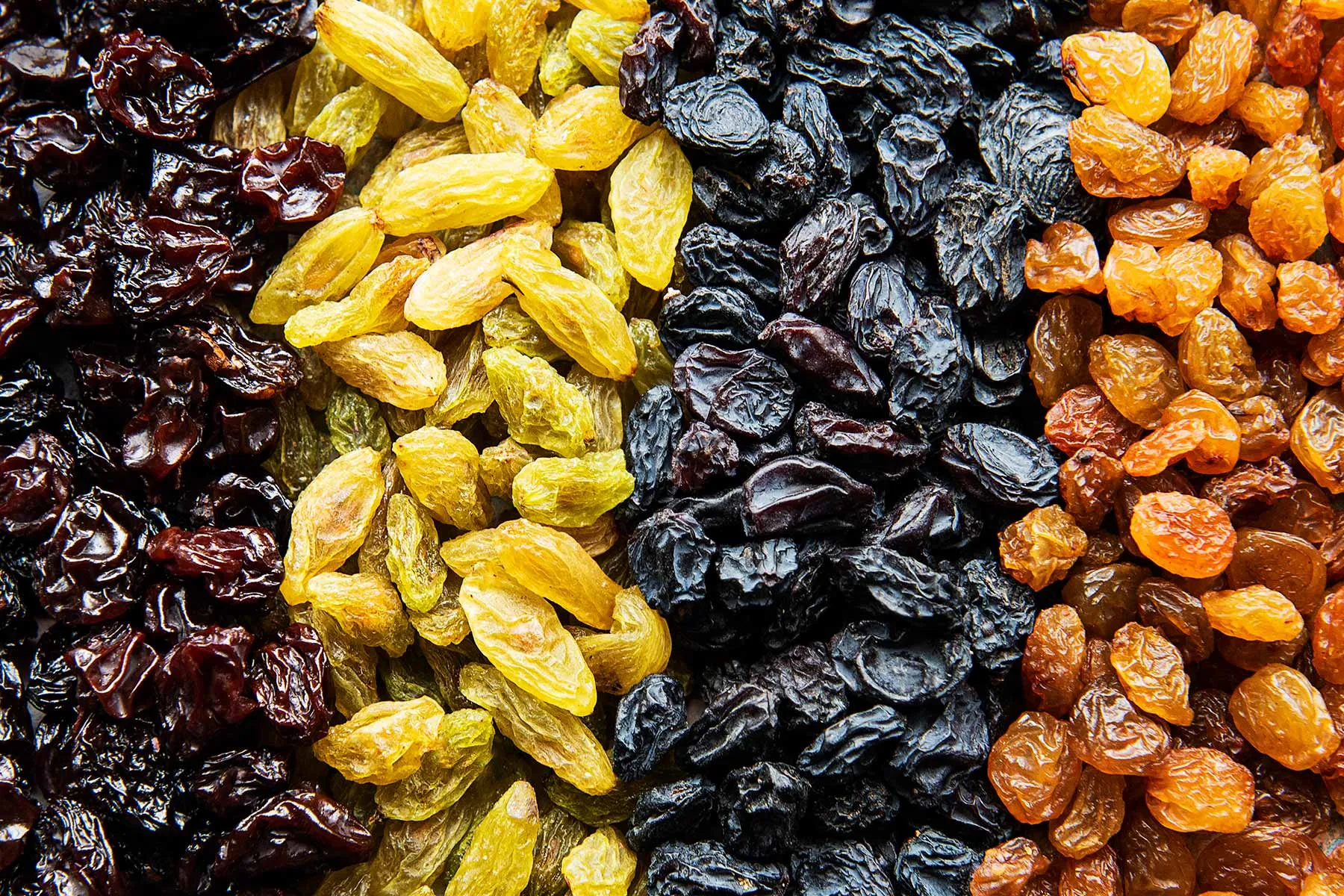
Raisins may look like tiny wrinkled grapes that forgot their skincare routine, but nutritionally, they punch well above their size. These naturally sweet dried fruits are portable, shelf-stable, inexpensive, and surprisingly versatile. Sprinkle them into oatmeal, stir them into rice pilaf, toss them into trail mix, or eat a small handful when your sweet tooth starts knocking on the pantry door with suspicious urgency.
Because raisins are dried grapes, most of their water has been removed. That drying process concentrates flavor, calories, carbohydrates, fiber, potassium, iron, and plant compounds. In plain English: raisins are nutrient-dense, but they are also calorie-dense. They can absolutely fit into a healthy diet, but the serving size matters. A raisin is not a grape wearing a smaller jacket; it is a concentrated fruit snack.
This guide explores raisin nutrition, the health benefits of raisins, possible drawbacks, smart serving tips, and practical ways to enjoy them without accidentally eating half the container while “just checking if they’re still good.”
What Are Raisins?
Raisins are grapes that have been dried in the sun, in dehydrators, or through controlled processing methods. The most common raisins in the United States are made from Thompson Seedless grapes, though golden raisins, black raisins, sultanas, and currants may also appear on grocery shelves. Their color, softness, and flavor vary depending on grape variety and drying method.
Dark raisins are usually sun-dried, giving them a deeper color and chewy texture. Golden raisins are often dried with controlled heat and may be treated with sulfur dioxide to preserve their bright color. Currants, despite the name confusion, are usually tiny dried grapes rather than true currant berries. Food naming: apparently still the Wild West.
Raisin Nutrition Facts
A typical 1/4-cup serving of raisins contains roughly 120 to 130 calories, about 30 to 35 grams of carbohydrates, around 2 grams of fiber, about 1 gram of protein, and almost no fat. Raisins also provide potassium, iron, copper, manganese, magnesium, calcium, and antioxidant plant compounds such as polyphenols.
Approximate nutrition per 1/4 cup of raisins
| Nutrient | Approximate Amount | Why It Matters |
|---|---|---|
| Calories | 120–130 | Provides quick energy in a small portion |
| Carbohydrates | 30–35 g | Main fuel source, mostly natural fruit sugars |
| Fiber | About 2 g | Supports digestion and fullness |
| Protein | About 1 g | Small contribution; best paired with protein foods |
| Fat | Nearly 0 g | Naturally very low in fat |
| Potassium | Meaningful amount | Supports fluid balance, muscles, and blood pressure regulation |
| Iron | Small amount | Helps support oxygen transport in the body |
The key phrase is small portion. Raisins are healthy, but they are not a bottomless snack. A cereal bowl full of raisins is less “heart-smart breakfast” and more “dessert wearing a fiber badge.”
Top Health Benefits of Raisins
1. Raisins Provide Natural Energy
Raisins are rich in carbohydrates, mainly natural glucose and fructose. That makes them useful when you need fast, convenient energy. Athletes, hikers, students, busy parents, and anyone who has ever stared into the fridge hoping lunch would assemble itself can appreciate how easy raisins are to carry.
Unlike candy, raisins come with fiber, minerals, and antioxidants. That does not make them “free sugar,” but it does make them a more nutrient-rich choice than many processed sweet snacks. For a balanced snack, pair raisins with protein or healthy fat, such as almonds, walnuts, Greek yogurt, peanut butter, cottage cheese, or roasted chickpeas.
2. Raisins Support Digestive Health
Raisins contain dietary fiber, including both soluble and insoluble types. Soluble fiber helps slow digestion and may support steadier blood sugar and cholesterol levels. Insoluble fiber adds bulk to stool and supports regular bowel movements. Translation: raisins can help keep the digestive traffic moving, ideally without honking.
They also contain certain prebiotic-like carbohydrates that may help feed beneficial gut bacteria. A healthy gut microbiome is associated with better digestion, immune function, and overall metabolic health. Raisins are not magic gut glitter, but they can be one useful fruit-based tool in a fiber-rich eating pattern.
3. Raisins May Support Heart Health
Raisins offer several nutrients connected to cardiovascular wellness. They are naturally low in sodium and contain potassium, a mineral that helps balance sodium in the body and supports normal blood pressure regulation. Their fiber may also help support healthy cholesterol levels as part of a broader diet rich in fruits, vegetables, legumes, whole grains, nuts, and seeds.
Some human studies have suggested that eating raisins instead of highly processed snack foods may improve markers such as blood pressure or post-meal glucose response. The important context: raisins are not medicine, and they do not cancel out a high-sodium, low-fiber diet. But swapping cookies, chips, or candy for a measured serving of raisins and nuts is a practical upgrade.
4. Raisins Contain Antioxidants
Raisins contain polyphenols, phenolic acids, and other antioxidant compounds found naturally in grapes. Antioxidants help the body manage oxidative stress, which is linked to aging and several chronic diseases. Darker raisins may contain different levels of plant compounds than golden varieties, but both can contribute beneficial phytonutrients.
Think of antioxidants as the cleanup crew after normal cellular activity creates a bit of biological confetti. They do not make you immortal, but they are part of why whole plant foods are consistently recommended in healthy eating patterns.
5. Raisins Can Fit Into Blood Sugar-Conscious Eating
Because raisins taste very sweet, many people assume they are automatically bad for blood sugar. The reality is more nuanced. Raisins are high in natural sugars, but they also contain fiber and plant compounds, and research has generally placed raisins in the low-to-moderate glycemic index range. That means they may raise blood glucose more gradually than some refined carbohydrate snacks.
Still, portion size mattersespecially for people with diabetes, insulin resistance, or blood sugar management goals. A small serving of raisins paired with protein or fat is usually a smarter choice than eating them alone by the fistful. For example, try 2 tablespoons of raisins with plain Greek yogurt and chopped walnuts, or add a small spoonful to oatmeal with chia seeds.
6. Raisins Contribute Minerals for Bones and Blood
Raisins provide small but useful amounts of minerals involved in bone and blood health, including calcium, magnesium, copper, manganese, and iron. Iron helps the body make hemoglobin, the protein in red blood cells that carries oxygen. Raisins are not an iron powerhouse compared with meat, seafood, beans, or fortified cereals, but they can contribute to daily intake.
For better plant-based iron absorption, pair raisins with vitamin C-rich foods such as oranges, strawberries, kiwi, or bell peppers. A spinach salad with raisins, orange segments, and pumpkin seeds is not just pretty; it is nutritionally strategic. Look at you, building a salad with a résumé.
7. Raisins May Help Reduce Added Sugar in Recipes
Raisins can add natural sweetness to foods without spooning in refined sugar. They work well in oatmeal, muffins, homemade granola, rice dishes, couscous, chicken salad, carrot salad, and energy bites. You can also soak raisins in warm water and blend them into a paste to sweeten sauces, baked goods, or dressings.
This does not mean raisin-sweetened cookies become a vegetable. Nice try. But using raisins to replace some added sugar can improve the nutrient profile of recipes by adding fiber, potassium, and antioxidants.
Are Raisins Good for Weight Management?
Raisins can support weight management when used thoughtfully. Their fiber and chewy texture may help satisfy a sweet craving, especially when paired with filling foods. A small box of raisins is also portion-controlled, portable, and less likely to melt in your bag than chocolate. Raisins: the snack that understands summer.
However, raisins are calorie-dense. Since the water has been removed, it is easy to eat more dried fruit than you would fresh fruit. You might comfortably eat 30 raisins in a minute, but eating the equivalent amount as whole grapes would take longer and feel more filling because grapes contain much more water. For weight management, measure raisins rather than pouring freely from the container.
Possible Downsides of Raisins
They Are High in Natural Sugar
Raisins contain naturally occurring fruit sugar. This is different from added sugar, but it still counts as carbohydrate and calories. People monitoring carbohydrate intake should treat raisins as a concentrated fruit serving.
They Can Stick to Teeth
Raisins are chewy and sticky, which means they can cling to teeth. That does not mean you must banish them from the pantry, but it does mean good dental habits matter. Drink water after eating them, avoid grazing on them all day, and brush and floss regularly.
Some People May Be Sensitive to Sulfites
Golden raisins may contain sulfites, which help preserve color. Most people tolerate sulfites, but some individualsespecially those with sulfite sensitivity or certain asthma patternsmay react to them. If that applies to you, choose unsulfured raisins and read labels carefully.
People With Kidney Disease May Need Potassium Guidance
Raisins contain potassium. For most healthy adults, potassium from whole foods is beneficial. But people with chronic kidney disease or those on certain medications may need to limit high-potassium foods. In that case, ask a healthcare professional or registered dietitian how raisins fit into your personal plan.
Raisins Are Dangerous for Dogs
One more important safety note: raisins and grapes can be toxic to dogs and may cause kidney failure. Keep raisins, raisin bread, trail mix, and oatmeal raisin cookies away from pets. Your dog may give you the “but I am starving” eyes. Stay strong. Those eyes are professional-grade manipulation.
How Many Raisins Should You Eat Per Day?
For most people, a sensible serving is about 1/4 cup, or a small snack box. If you are adding raisins to oatmeal, cereal, salads, or baked goods, 1 to 2 tablespoons may be plenty. The goal is to enjoy their sweetness and nutrition without turning them into the main event.
Here are simple serving ideas:
- Add 1 tablespoon to oatmeal with cinnamon and walnuts.
- Mix 2 tablespoons with almonds for a quick trail mix.
- Stir raisins into plain Greek yogurt with pumpkin seeds.
- Add them to roasted carrots, couscous, or wild rice.
- Use raisins in homemade energy bites with oats and peanut butter.
- Sprinkle a few into salads for a sweet contrast.
Raisins vs. Grapes: Which Is Better?
Neither is universally “better.” Grapes are hydrating, lower in calories per cup, and easier to eat in larger portions. Raisins are more concentrated, shelf-stable, and convenient. Grapes win for volume and hydration; raisins win for portability and pantry life. It is not a fight. It is a fruit family reunion.
If you want a light snack, fresh grapes may be more filling. If you need compact energy for hiking, school lunches, travel, or emergency desk snacks, raisins are hard to beat.
Smart Ways to Buy and Store Raisins
Choose raisins with no added sugar. Most plain raisins are naturally sweet enough and do not need help from added sweeteners. Check the ingredient list; ideally, it should simply say “raisins.” For golden raisins, the label may include sulfur dioxide. If you prefer to avoid sulfites, look for unsulfured varieties.
Store raisins in a cool, dry place in a sealed container. Once opened, keep the package tightly closed to prevent them from drying out into tiny fruit pebbles. If your raisins become too firm, soak them in warm water for 10 minutes, then drain. They will plump up nicely for baking, oatmeal, rice dishes, or salads.
Real-Life Experiences With Raisins: Small Fruit, Big Personality
Raisins tend to show up in everyday life quietly, like the reliable friend who brings napkins, snacks, and a backup phone charger. One of the best things about them is that they solve small food problems without drama. Breakfast too plain? Add raisins. Trail mix too salty? Add raisins. Salad acting like it has no hobbies? Add raisins. They bring sweetness, chewiness, and contrast in a way that makes simple meals feel more complete.
For many people, raisins first appear in childhood lunchboxes. Some remember the tiny red box tucked beside a sandwich, pretending to be dessert. Others remember oatmeal raisin cookies, which were either a beloved classic or a shocking betrayal if you expected chocolate chips. Either way, raisins have staying power. They survive backpacks, glove compartments, desk drawers, and road trips with impressive dignity.
In adult life, raisins become less of a lunchbox surprise and more of a practical nutrition tool. A small container can sit in a work bag for weeks and still be ready when hunger strikes. That matters because many snack choices are made in the danger zone between “slightly hungry” and “I will eat anything with a barcode.” Raisins, especially when paired with nuts, can help bridge the gap between meals without requiring refrigeration, utensils, or a motivational speech.
Raisins also shine in cooking. In savory dishes, they add balance. A handful of raisins in curry, Moroccan-style couscous, roasted cauliflower, chicken salad, or wild rice can soften spicy, salty, or earthy flavors. In baking, they add moisture and sweetness. Soaked raisins in muffins or quick breads create little pockets of chewy fruit that make the whole recipe feel warmer and more homemade.
For active days, raisins are especially useful. Hikers, cyclists, runners, and busy walkers often appreciate foods that are light, compact, and easy to digest. Raisins provide quick carbohydrates without the fuss of gels or highly processed bars. They are not perfect for everyone, but they are refreshingly simple: dried grapes, no assembly required.
The biggest lesson from real-life raisin eating is moderation. Raisins are easy to overeat because they are small and sweet. Pouring them directly into your hand is risky; pouring them directly into your mouth is basically a nutritional trust fall. Measuring a serving, pairing them with protein, and using them as an ingredient rather than the entire snack helps keep the benefits without the calorie sneak attack.
In short, raisins are not trendy. They are not flashy. They do not need a wellness influencer holding them beside a sunrise. They are useful, affordable, nutritious, and dependable. That may not sound glamorous, but in a world of overcomplicated food advice, dependable is deliciously underrated.
Conclusion: Are Raisins Healthy?
Yes, raisins can be a healthy part of a balanced diet. They provide natural energy, fiber, potassium, iron, antioxidants, and convenient sweetness. They may support digestive health, heart health, blood sugar-conscious snacking, and better diet quality when they replace highly processed sweets.
The secret is portion control. Raisins are concentrated dried fruit, so a little goes a long way. Choose unsweetened varieties, pair them with protein or healthy fat, rinse your mouth with water after eating, and keep them away from pets. Used wisely, raisins are one of the simplest pantry staples for adding nutrition, flavor, and a little chewy joy to everyday meals.
Note: This article is for general educational purposes and is not a substitute for personalized medical or nutrition advice. People with diabetes, kidney disease, food sensitivities, or specific dietary restrictions should consult a qualified healthcare professional.