Post-traumatic stress disorder, better known as PTSD, is not “being dramatic,” “living in the past,” or “needing a vacation.” If only the brain could be fixed with a beach chair and a pineapple drink, therapists would have very different office decor. PTSD is a real mental health condition that can develop after someone experiences or witnesses trauma, such as violence, abuse, combat, a serious accident, natural disaster, medical crisis, sudden loss, or repeated exposure to distressing events.
What makes PTSD especially confusing is that it does not always look like what people expect. Some people have nightmares and flashbacks. Others feel numb, angry, jumpy, guilty, disconnected, exhausted, or unable to trust their own sense of safety. Many appear perfectly “fine” on the outside while their nervous system is running an invisible emergency drill at 2 a.m.
The good news is that PTSD is treatable. Understanding how PTSD affects the brain, body, emotions, relationships, sleep, memory, and daily life can help remove shame and replace it with something far more useful: a plan.
What Is PTSD?
PTSD is a trauma-related mental health condition that may occur after exposure to an event that feels physically or emotionally threatening. The traumatic event can happen directly to the person, be witnessed by them, happen to someone close to them, or be encountered repeatedly through professional duties, such as in first responders, healthcare workers, military personnel, or journalists covering violence and disaster.
Not everyone who experiences trauma develops PTSD. In fact, many people have short-term stress reactions after trauma and gradually recover with time, safety, support, and healthy coping. PTSD is different because symptoms last longer than a month, cause significant distress, and interfere with everyday life, work, school, relationships, or personal well-being.
PTSD symptoms are usually grouped into four major categories: intrusive memories, avoidance, negative changes in mood and thinking, and changes in arousal or reactivity. That may sound like a psychology textbook wearing a tie, so let’s translate.
Common Symptoms of PTSD
Intrusive Memories
Intrusive symptoms include unwanted memories, nightmares, flashbacks, emotional distress, or physical reactions when something reminds a person of the trauma. A smell, sound, date, location, tone of voice, medical setting, or even a certain kind of weather can act like a trapdoor in the mind. Suddenly, the person may feel as if the danger is happening again, even when they are objectively safe.
Avoidance
Avoidance is the brain’s attempt to dodge anything connected to the trauma. Someone may avoid conversations, places, people, news stories, movies, driving routes, hospitals, crowds, or relationships. Avoidance can bring short-term relief, but over time it can shrink a person’s life until the “safe zone” becomes very small.
Negative Mood and Thinking Changes
PTSD can change the way a person sees themselves, other people, and the world. They may think, “I should have done more,” “No one is safe,” “I can’t trust anyone,” or “This was my fault.” These thoughts are not character flaws; they are often the mind trying to make sense of something overwhelming. Unfortunately, the brain sometimes hires a terrible detective.
People with PTSD may also feel guilt, shame, fear, anger, emotional numbness, or detachment. They may lose interest in hobbies, struggle to feel joy, or feel separated from people they love.
Hyperarousal and Reactivity
Hyperarousal means the body remains on high alert. Symptoms can include irritability, anger, sleep problems, trouble concentrating, being easily startled, scanning for danger, reckless behavior, or feeling constantly “wired.” Imagine your internal smoke alarm going off every time someone makes toast. That is not weakness; it is an alarm system that has become too sensitive.
How PTSD Affects the Brain
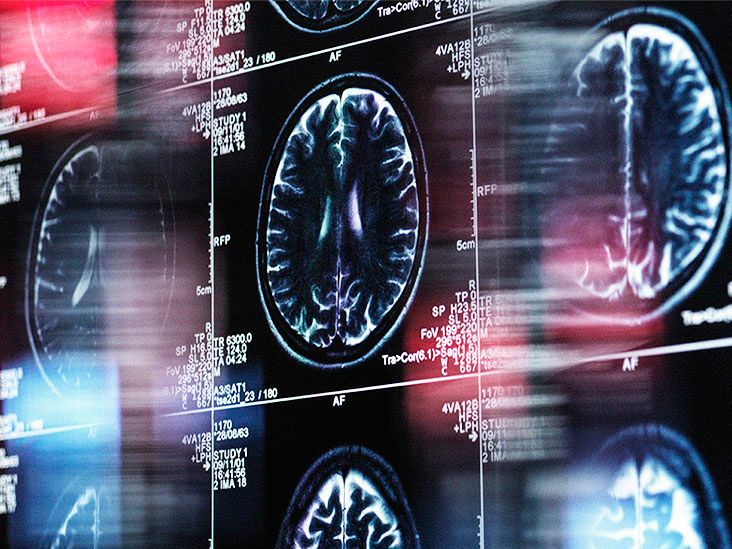
PTSD is not just “in your head” in the dismissive sense. It is in the brain in the biological sense. Trauma can affect brain circuits involved in fear, memory, emotional regulation, threat detection, and decision-making. Researchers often discuss three key brain areas in PTSD: the amygdala, hippocampus, and prefrontal cortex.
The Amygdala: The Brain’s Alarm Bell
The amygdala helps detect threats and activate fear responses. In PTSD, the amygdala may become overactive, making the brain quicker to interpret reminders as danger. This is why a person may panic at fireworks, freeze during a conflict, or feel unsafe in a crowded grocery store even when nothing dangerous is happening.
The amygdala is not trying to ruin anyone’s Tuesday. Its job is survival. After trauma, it may become extra cautious, like a security guard who has had too much coffee and now suspects the toaster of suspicious activity.
The Hippocampus: Memory and Context
The hippocampus helps organize memories and place them in context. It helps the brain understand that something happened in the past and is not happening right now. In PTSD, hippocampal functioning may be disrupted, which can make traumatic memories feel fragmented, vivid, or timeless.
This helps explain why flashbacks can feel so real. The brain may fail to stamp the memory clearly as “past event,” so the body reacts as if danger is present. That reaction can include sweating, trembling, racing heart, nausea, dizziness, or a powerful urge to escape.
The Prefrontal Cortex: The Brain’s Brake System
The prefrontal cortex helps with reasoning, impulse control, emotional regulation, and decision-making. It can calm the fear response by telling the amygdala, “We are safe now.” In PTSD, this braking system may not work as efficiently during triggers. The result is that fear responses can feel automatic and hard to control.
This is why telling someone with PTSD to “just relax” is about as helpful as telling a phone with 1% battery to “just have more battery.” The system needs support, not scolding.
How PTSD Affects the Body
PTSD is often described as a mental health condition, but the body is deeply involved. Trauma can keep the stress response activated, affecting hormones, sleep, digestion, pain sensitivity, immune function, and energy levels.
Many people with PTSD experience headaches, stomach problems, muscle tension, chronic pain, fatigue, chest tightness, rapid heartbeat, or shortness of breath. Some may feel numb or disconnected from their body. Others may feel constantly restless, like their nervous system is pacing the hallway with a clipboard.
PTSD can also overlap with anxiety, depression, substance use, panic attacks, eating problems, self-harm risk, and relationship difficulties. When PTSD is untreated, people may try to manage symptoms in whatever way brings immediate relief. Unfortunately, some coping strategiesalcohol, drugs, emotional withdrawal, overworking, or constant avoidancecan create new problems.
PTSD and Sleep: Why Nights Can Be So Hard
Sleep is one of the most common casualties of PTSD. Nightmares, insomnia, fear of sleeping, restless sleep, and waking in panic are common. Some people avoid sleep because dreams feel unsafe. Others sleep lightly because their body is still scanning for danger.
Lack of sleep can intensify PTSD symptoms. It can worsen irritability, concentration, memory, mood, and physical health. This creates a frustrating cycle: PTSD disrupts sleep, and poor sleep makes PTSD harder to manage. Not exactly the kind of teamwork anyone ordered.
Improving sleep may involve trauma-focused therapy, medication when appropriate, relaxation skills, nightmare-focused treatment, reducing alcohol, creating predictable bedtime routines, and making the bedroom feel safer. The goal is not perfect sleep overnight; it is helping the nervous system relearn that rest is allowed.
PTSD Triggers: Why Small Things Can Feel Huge
A PTSD trigger is anything that reminds the brain or body of the trauma. Triggers can be obvious, such as seeing an accident scene, hearing fireworks, or visiting a hospital. They can also be subtle, such as a smell, lighting, a certain phrase, a song, a facial expression, or someone standing too close.
Triggers are not “overreactions.” They are learned associations. The brain links sensory details to danger as a survival strategy. The problem is that after the danger has passed, those associations may keep firing. A veteran may react to a car backfiring. A survivor of assault may freeze when someone blocks a doorway. A patient who experienced a frightening medical event may panic at the smell of antiseptic.
Recognizing triggers can help people prepare coping tools. Grounding techniques, controlled breathing, naming objects in the room, touching a textured item, stepping outside, calling a trusted person, or reminding oneself of the date and location can help bring the brain back to the present.
PTSD in Children and Teens
Children and teens can develop PTSD, but symptoms may look different from adult symptoms. Young children may reenact trauma through play, have new fears, become clingy, lose developmental skills, or show sleep and behavior changes. Teens may become withdrawn, angry, reckless, anxious, depressed, or unusually guarded.
Because children do not always have the words to explain trauma, adults may misread PTSD as “bad behavior,” laziness, defiance, or attention-seeking. A trauma-informed approach asks, “What happened to this child?” rather than only, “What is wrong with this behavior?” That shift can change everything.
Complex PTSD: When Trauma Is Repeated
Complex PTSD, often called C-PTSD, is commonly associated with repeated or long-term trauma, especially trauma involving relationships, captivity, abuse, neglect, domestic violence, or childhood adversity. People with complex trauma may have classic PTSD symptoms along with deep difficulties in emotional regulation, self-worth, boundaries, trust, and relationships.
Someone with complex trauma may not have one single memory that explains everything. Instead, their nervous system may have learned over years that safety is temporary, love is unpredictable, or conflict is dangerous. Healing often involves not only processing traumatic memories but also rebuilding a stable sense of self.
How PTSD Is Diagnosed
PTSD is diagnosed by a qualified mental health professional, such as a psychiatrist, psychologist, licensed therapist, or other trained clinician. There is no single blood test, brain scan, or five-question internet quiz that can diagnose PTSD with certainty. Online quizzes may point someone toward help, but they are not a substitute for professional evaluation.
A clinician will usually ask about trauma exposure, symptoms, duration, daily functioning, physical health, substance use, medications, safety, and other mental health conditions. Diagnosis matters because PTSD can resemble or overlap with anxiety disorders, depression, traumatic brain injury, grief, obsessive-compulsive symptoms, panic disorder, and substance-related problems.
Evidence-Based PTSD Treatments
PTSD treatment is not about erasing memory. It is about helping the brain and body process trauma so the past stops hijacking the present. Several evidence-based treatments can reduce symptoms and improve quality of life.
Trauma-Focused Cognitive Behavioral Therapy
Trauma-focused CBT helps people understand how trauma affects thoughts, emotions, and behavior. It teaches coping skills and helps challenge painful beliefs such as “I am unsafe everywhere” or “It was all my fault.” Cognitive Processing Therapy, a structured form of therapy for PTSD, focuses heavily on identifying and changing stuck points that keep trauma symptoms alive.
Prolonged Exposure Therapy
Prolonged Exposure therapy helps people gradually and safely face trauma-related memories and avoided situations. This does not mean throwing someone into panic and saying, “Good luck.” It is structured, paced, and guided by a trained therapist. Over time, the brain can learn that remembering the trauma is not the same as reliving it.
EMDR Therapy
Eye Movement Desensitization and Reprocessing, or EMDR, uses guided bilateral stimulation while a person recalls trauma-related material. Many people find that traumatic memories become less emotionally intense after treatment. EMDR should be done with a clinician properly trained in the method.
Medication
Medication may help reduce PTSD symptoms such as anxiety, depression, sleep problems, and hyperarousal. Antidepressants, particularly certain selective serotonin reuptake inhibitors, are commonly used. Medication is not a personality transplant; it is one tool that may help turn down the volume enough for healing work to become more manageable.
Group and Family Support
PTSD can affect relationships, so family education and support groups may help. Loved ones often want to help but do not know whether to give space, ask questions, or pretend everything is normal. Learning about PTSD can reduce conflict and make support more effective.
Daily Coping Strategies That Can Help
Professional treatment is important, but daily habits can also support recovery. These strategies are not magical cures, but they can help stabilize the nervous system.
- Grounding: Name five things you see, four things you feel, three things you hear, two things you smell, and one thing you taste.
- Breathing: Slow breathing can signal the body that danger has passed.
- Movement: Walking, stretching, yoga, or strength training can help release stress energy.
- Routine: Predictable schedules can make the brain feel safer.
- Connection: Safe relationships help repair the isolation trauma often creates.
- Trigger planning: Knowing common triggers allows people to prepare coping tools in advance.
- Reducing substances: Alcohol and drugs may numb symptoms briefly but often worsen sleep, mood, and recovery long term.
How to Support Someone With PTSD
Supporting someone with PTSD starts with believing them. You do not have to fully understand their experience to respect it. Avoid saying things like “That happened years ago,” “Other people had it worse,” or “Just move on.” These phrases may be intended as encouragement, but they usually land like a wet sandwich.
Better options include: “I’m here,” “You don’t have to explain everything,” “What helps when you feel triggered?” and “Would you like company or space?” Support also means encouraging professional help, respecting boundaries, and taking safety concerns seriously.
If someone talks about suicide, self-harm, or feeling unable to stay safe, treat it as urgent. In the United States, people can call or text 988 for the Suicide & Crisis Lifeline. If there is immediate danger, call emergency services.
Living With PTSD: Experiences, Examples, and What Recovery Can Feel Like
Living with PTSD can feel like having two calendars: the one everyone else uses, and the one your nervous system keeps. On the regular calendar, it is Monday, the dentist appointment is at 3 p.m., and you need to buy eggs. On the trauma calendar, a certain date, smell, hallway, uniform, song, or phrase can suddenly pull the body back into a moment it never fully filed away. This is one of the hardest parts for people to explain. They may know they are safe, but their body votes no.
For example, imagine a person who survived a serious car accident. Months later, they may avoid highways, grip the passenger door when someone brakes, or feel their heart race when they hear tires screech. Friends might say, “But you’re not in danger now.” True. But PTSD does not respond only to current logic. It responds to learned threat. The body remembers the sound before the mind finishes the sentence.
Another person may have PTSD after childhood abuse. Their symptoms might not look like dramatic flashbacks. Instead, they may apologize constantly, fear disappointing others, struggle to say no, feel responsible for everyone’s mood, or shut down during conflict. On the outside, they may look “easygoing.” Inside, their brain may be running complex safety math: Is this person angry? Did I say too much? Is it safer to disappear emotionally? That kind of survival strategy can be exhausting, especially when it continues long after the original danger is gone.
Some people experience PTSD after medical trauma. A hospital smell, a monitor beep, a blood pressure cuff, or a doctor’s serious expression may trigger panic. This can make follow-up care difficult. The person may skip appointments, delay tests, or feel embarrassed because “nothing bad is happening right now.” But the brain may associate medical settings with helplessness, pain, fear, or loss of control. Trauma-informed healthcare can make a major difference by explaining procedures, asking permission, slowing down, and giving patients choices whenever possible.
PTSD can also affect relationships in quiet ways. A partner may interpret emotional numbness as lack of love. A friend may feel hurt when invitations are declined. A parent with PTSD may feel guilty for being irritable or distracted. Meanwhile, the person with PTSD may feel ashamed, misunderstood, or afraid of becoming a burden. This is why education matters. When families understand that PTSD symptoms are nervous system responses rather than personal rejection, compassion has more room to breathe.
Recovery is often uneven. It may look like three good weeks followed by one terrible morning. It may look like finally driving again, then avoiding driving after a near-miss. It may look like sleeping better, then having nightmares around an anniversary. This does not mean treatment failed. Healing from trauma is rarely a straight staircase; it is more like a hiking trail designed by someone with a questionable sense of humor. There are switchbacks, mud, and occasional views that remind you the climb is worth it.
Many people describe recovery as gaining more space between trigger and reaction. The memory may still exist, but it becomes less controlling. A person may notice, “I am triggered,” rather than becoming completely swallowed by the trigger. They may learn to say, “This is a memory,” “I am in my apartment,” “Today is not that day,” or “I can leave this room if I need to.” These statements sound simple, but for a traumatized brain, they can be powerful reminders of present-day control.
In real life, PTSD recovery may include therapy, medication, supportive relationships, better sleep routines, movement, spiritual practices, creative expression, journaling, peer support, and learning to stop blaming oneself for symptoms that were built for survival. It may also include humor. Not the kind that dismisses pain, but the kind that says, “My brain is trying to protect me with the subtlety of a marching band, and we are working on it.”
Most importantly, PTSD is not the end of someone’s story. People can rebuild safety, trust, joy, work, intimacy, confidence, and a sense of future. The trauma may be part of the story, but it does not deserve the entire book deal.
Conclusion
PTSD affects the brain, body, emotions, relationships, sleep, memory, and daily life. It can make the amygdala overactive, disrupt the hippocampus’s ability to place memories in context, and weaken the prefrontal cortex’s ability to calm fear responses during triggers. But PTSD is not a life sentence, and it is not a sign of weakness.
With trauma-informed care, evidence-based therapy, appropriate medication when needed, practical coping tools, and supportive relationships, people with PTSD can recover meaningful control over their lives. Healing does not mean pretending the trauma never happened. It means the past no longer gets to run the entire control room.
Note: This article is for educational purposes only and does not replace professional medical or mental health advice. Anyone experiencing PTSD symptoms, self-harm thoughts, or crisis-level distress should contact a qualified healthcare professional or emergency support service.