There is a particular kind of autumn surprise that nobody puts on a seasonal bucket list: reaching for the curtains and discovering a shield-shaped insect staring back as if it has already signed a six-month lease. Brown marmorated stink bugs are expert winter houseguests. They do not eat your drywall, chew your sweaters, or reproduce in the living room, but they can arrive in impressive numbers and release an unforgettable odor when crushed or stressed.
The most effective way to prevent stink bugs from getting in your home this winter is not a heroic indoor spraying campaign. It is a well-timed exclusion plan: inspect the exterior, seal entry points, repair screens, improve door seals, and remove any bugs that slip through without turning them into tiny air fresheners from the underworld. The following guide explains exactly where to look, what to fix, and which popular tactics are mostly wishful thinking.
Why Stink Bugs Try to Move Indoors for Winter
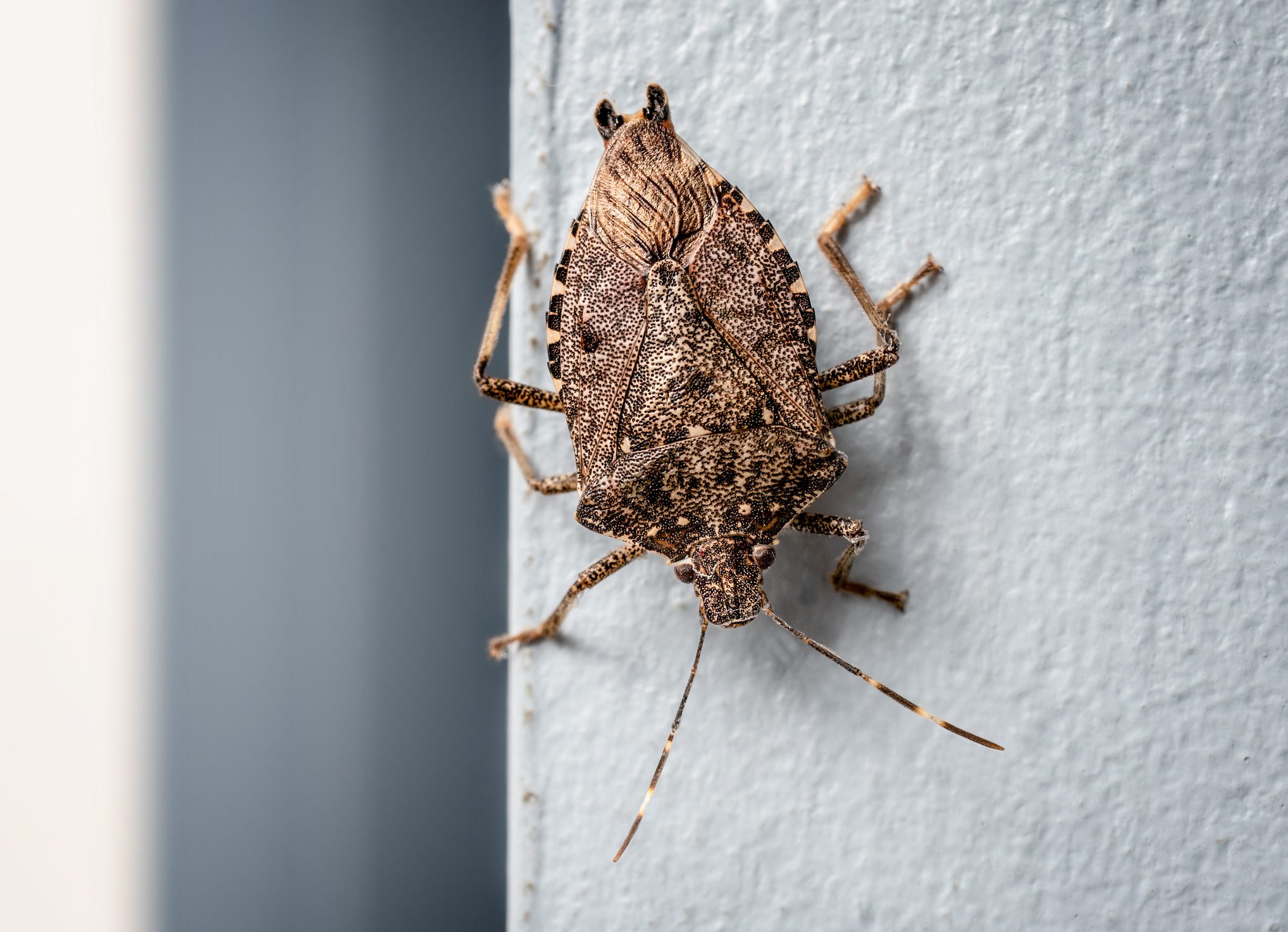
The species most often associated with fall home invasions is the brown marmorated stink bug, or Halyomorpha halys. It is an invasive insect originally from Asia and can be identified by its mottled brown, shield-shaped body, pale bands on the antennae, and alternating light and dark markings along the abdomen.
As temperatures fall and daylight shortens, adult stink bugs search for protected places to overwinter. In nature, that may mean bark, rocky crevices, or other sheltered spaces. A house offers an upgraded package: dry wall voids, attic gaps, siding channels, window frames, and enough warmth to make January feel suspiciously manageable.
Once hidden inside a structure, the bugs enter a dormant state. They do not establish a breeding colony indoors, and they are not known for biting people, damaging wood, or raiding the pantry. Warm winter afternoons, sunny exterior walls, and indoor heating can wake some of them early. Those confused insects then wander toward windows, lamps, ceilings, and living spaces while looking for a way out.
Timing Matters: Start Before the Fall Invasion
Major stink bug prevention should begin before adults start gathering on buildings. Late summer is usually the best time to inspect and seal a home because exclusion work is easier before large numbers of insects have moved into cracks and wall cavities.
That timing creates an important rule: seal the exterior before the migration, not after hundreds of bugs may already be inside. If winter has arrived and stink bugs are emerging from walls, aggressive exterior sealing can trap more of them within the structure. Remove visible insects, document likely entry points, and schedule comprehensive exterior repairs for spring or summer.
A practical trigger is the first stretch of cool nights near the end of summer or beginning of fall. Do not wait for the first bug to land on your toothbrush. By then, its cousins may already be touring the attic.
Inspect the Home Like a Stink Bug
Stink bugs are broad but surprisingly flat, so gaps that look insignificant may function as front doors. Walk around the building in daylight and inspect from foundation to roofline. Use a flashlight, painter’s tape, and phone camera to mark repairs.
Windows and Exterior Doors
Check cracked caulk, loose trim, torn screens, warped frames, worn weatherstripping, and gaps beneath thresholds. Close each door and look for daylight around the edges. Add a fitted sweep where light or air passes underneath, including garage and side doors.
Siding, Fascia, Soffits, and Roof Edges
Inspect joints where materials meet, especially loose siding, damaged soffits, fascia boards, roof corners, and attic vents. Give warm, sunlit sides of the house extra attention because fall invaders often gather there.
Pipes, Wires, and Utility Openings
Look where plumbing, electrical service, air-conditioning lines, cables, and outdoor faucets enter. Seal unnecessary gaps with an exterior-rated product suited to the surface. Never place ordinary foam or caulk against hot flues, chimneys, or required fire clearances.
Vents and Attached Structures
Repair screens where screening is allowed, but never block dryer exhausts, combustion-air openings, soffit ventilation, or bathroom vents. Inspect garage-door corners, porch roofs, sheds, and the door between an attached garage and the home. To a stink bug, the garage is not “outside”; it is the lobby.
Seal the Entry Points Correctly
Mechanical exclusion is the foundation of winter stink bug control. Use a quality exterior silicone or silicone-latex caulk for narrow, stationary cracks around trim, siding joints, and utility penetrations. Clean away loose material and follow the product’s temperature and curing directions.
Moving parts need flexible seals. Replace compressed weatherstripping around doors and operable windows, repair thresholds, and fit door sweeps so they touch without dragging. Use corrosion-resistant mesh only on openings that may safely be screened, and secure every edge.
Do not improvise around chimneys, roof vents, or mechanical equipment. When airflow, heat, moisture, or code requirements are involved, use approved materials or hire a qualified professional. Pest prevention should not create a fire hazard or turn the attic into a mold farm.
Make the Exterior Less Inviting
Sealing matters most, but a few habits can reduce hitchhikers and make inspections easier:
- Turn off unnecessary lights near doors and windows during peak fall movement.
- Close blinds after dark so indoor light is less visible outside.
- Trim plants touching the siding and move firewood or stacked boards away from walls.
- Check patio cushions, packages, potted plants, and stored items before bringing them indoors.
These are supporting tactics, not substitutes for repair. No scented spray or ultrasonic gadget can compensate for a gap under the door.
What to Do When Stink Bugs Are Already Inside
Even a well-sealed home may admit a few stink bugs. The best indoor response is physical removal.
Vacuum Without Perfuming the Machine
Use a shop vacuum for larger numbers. For occasional bugs, use a disposable bag or secure a removable stocking-style catch sleeve inside the hose attachment. Empty captured insects promptly into soapy water or a sealed outdoor trash container. A dedicated vacuum or catch sleeve prevents the defensive odor from haunting future cleaning sessions.
Try a Soapy-Water Light Trap
For repeated nighttime activity in one room, place a shallow pan of water with a little dish soap beneath a lamp in an otherwise dark room. Keep the setup stable and away from children, pets, cords, and water-sensitive surfaces.
Do Not Crush or Fog Them
Crushing releases the famous odor. Capture a single bug with a cup and card, vacuum it, or knock it into soapy water. Bug bombs and broad indoor sprays do not reach insects hidden in wall voids or stop new ones from emerging, so they add residue without solving the entry problem.
Should You Use an Exterior Insecticide?
A correctly timed, labeled exterior treatment may reduce severe fall aggregations, but performance varies with timing, weather, surfaces, and continued insect movement. It is not a substitute for sealing.
Use only products labeled for the pest and application site, follow every direction, and avoid exposing people, pets, or pollinators. Large or difficult buildings are better handled by a licensed pest-management professional who can combine treatment with exclusion.
Common Stink Bug Prevention Mistakes
Waiting Until the Bugs Are Indoors
Once stink bugs have entered wall cavities, exclusion becomes harder. Prevention is most effective before fall migration begins.
Sealing Only the Obvious Cracks
Homeowners often caulk two windows and declare victory while leaving gaps around pipes, soffits, garage doors, and siding transitions untouched.
Using Repellents as the Main Strategy
Strong-smelling oils and homemade sprays may seem appealing, but they are not reliable replacements for physical exclusion. A bug that can hide behind siding is unlikely to respect a peppermint-scented boundary.
Blocking Necessary Ventilation
Do not seal vents or combustion openings simply because insects use them. Install approved screening only where allowed, and involve a qualified professional when safety or building-code requirements are unclear.
Overusing Indoor Pesticides
Spraying individual insects may create residue without preventing the next wave. Vacuuming and trapping are usually cleaner and more effective for indoor nuisance bugs.
Experience Notes: What Homeowners Learn After One Stink Bug Season
Consider a typical two-story home that experiences its first serious stink bug season. In early October, the homeowners notice several insects on the sunny back wall. They dismiss them as outdoor visitors. A week later, bugs appear around an upstairs window, then near a ceiling light, then inside the folded guest-room curtains. The family begins removing them one by one but makes the classic mistake of using a tissue and squeezing. The room immediately acquires a fragrance best described as “burnt cilantro arguing with old socks.”
The first useful lesson is that the indoor bugs are evidence, not the whole problem. The family walks outside and discovers cracked caulk around the upstairs window, a torn attic-vent screen, a loose corner of vinyl siding, and daylight beneath the garage service door. None of these gaps looked dramatic. Together, they formed a multi-entrance resort.
The second lesson is that a standard vacuum can create a long memory. After vacuuming several bugs directly into the canister, the homeowners notice the odor whenever the machine runs. They switch to a removable catch sleeve in the hose and use a small shop vacuum for future captures. The bugs can then be dropped into soapy water without being crushed inside the appliance. Removal becomes faster, cleaner, and considerably less theatrical.
The third lesson is about timing. Because insects are already emerging from walls, the family avoids sealing every exterior opening in the middle of winter. Instead, they make temporary repairs to obvious active gaps, record every sighting, and schedule a full inspection for late spring. During warmer weather, they replace damaged screens, recaulk trim, add a door sweep, secure siding, and have the attic vent repaired properly. They also check that no ventilation opening is blocked.
The fourth lesson is that small behavioral changes help when combined with repairs. The homeowners turn off an unnecessary porch light, close blinds after dark, inspect patio cushions before storage, and move stacked firewood away from the siding. None of these steps would stop an invasion alone, but they reduce accidental hitchhikers and make the exterior easier to inspect.
The following fall, stink bugs still land on the sunny wall. That is normal; exclusion does not control the outdoor population. The meaningful difference is what happens next. Instead of dozens appearing inside over the winter, the family finds only a handful. Those stragglers are captured with a cup or vacuumed into the catch sleeve. There is no bug bomb, no weekly indoor spraying, and no panicked late-night internet purchase involving ultrasonic frequencies.
The experience shows why successful stink bug control feels more like home maintenance than pest warfare. The biggest improvement comes from finding routes, closing them at the right time, and repeating the inspection annually. Weather, settling, repairs, and aging sealants can create new openings. A ten-minute exterior check each month from late summer through fall often catches problems before the insects do.
Conclusion: Win the Winter Before the Bugs Move In
To prevent stink bugs from getting in your home this winter, focus on exclusion first. Inspect the building before cool weather, seal safe cracks, repair screens, replace weatherstripping, add door sweeps, and pay close attention to roof edges, siding joints, utility penetrations, garages, and sunny exterior walls. Once bugs are indoors, remove them with a vacuum, cup, or soapy-water trap rather than crushing them or fogging the house.
The goal is not to eliminate every stink bug in the neighborhood. It is to make your home the least convenient winter hotel on the block. With good timing and a careful sealing routine, you can keep most of these odorous freeloaders outside, where at least the fresh air has a fighting chance.