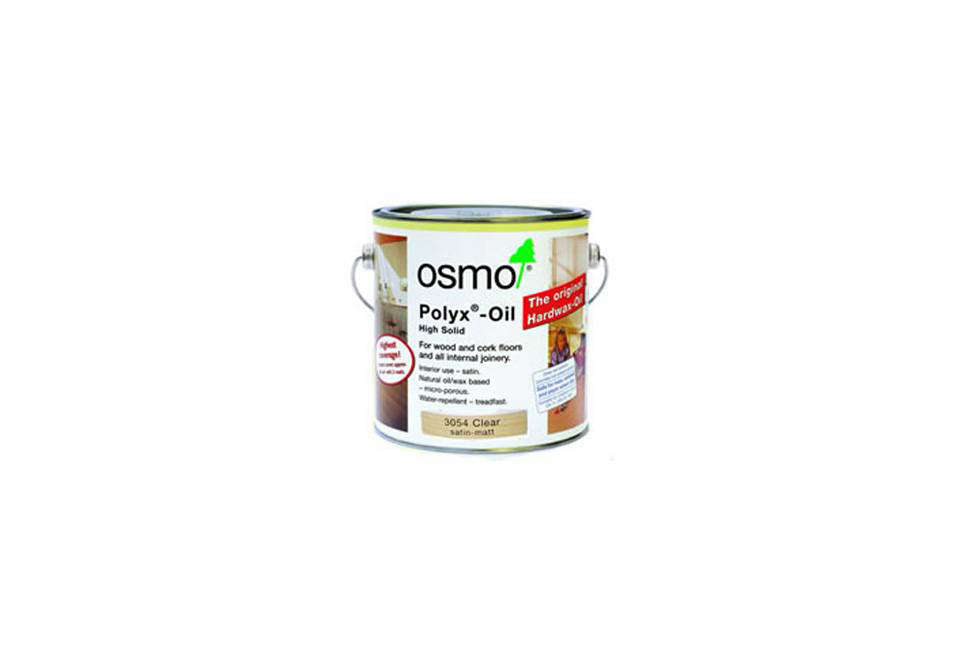
If wood finishes had personalities, some would be loud, shiny show-offs. Polyx-Oil Original is not that. It is the calm, capable type that walks into the room, protects your wood, and somehow still lets the grain be the main character. That is a big reason why this hardwax-oil finish has built such a loyal following among homeowners, floor refinishers, cabinet makers, and furniture lovers who want wood to look like, well, wood.
Polyx-Oil Original belongs to the hardwax-oil family, a category that blends natural oils and waxes into a finish that penetrates the wood while also leaving behind a durable protective surface. In plain English, that means it does not create the thick plastic-looking shell some people dislike in conventional coatings. Instead, it highlights texture, deepens tone, and gives the surface a more natural, touchable look. It is the kind of finish that makes you want to run your hand over the table and say, “Yep, that still feels like oak.”
For anyone researching a wood floor finish, furniture finish, or hardwax oil for cabinets and stairs, Polyx-Oil Original keeps showing up for a reason. It is durable, water-repellent, abrasion-resistant, easy to maintain, and famously spot-repairable. That last point is a huge deal. Traditional film finishes often punish small damage with a full refinishing project. Polyx-Oil is more forgiving. When life happens, and it always does, you can often address the worn area without sanding the entire room back to the Stone Age.
What Is Polyx-Oil Original?
Polyx-Oil Original is a hardwax-oil wood finish designed for interior wood surfaces. It is especially popular on hardwood floors, plank floors, stairs, furniture, cabinetry, wood trim, cork, and even certain sheet goods. The finish is based on natural vegetable oils and waxes, which is part of why it produces that warm, low-drama, natural look people love. It is also microporous, meaning it does not completely seal wood under a rigid plastic shell. Instead, it allows the wood to breathe while still offering serious protection.
That balance is the whole sales pitch, and honestly, it is a pretty good one. You get a finish that resists water, dirt, and common household spills, but still preserves the visual depth and tactile quality of real wood. Coffee spills, tea drips, the occasional splash of wine, and damp footprints are part of normal life. Polyx-Oil Original is built for that sort of everyday abuse without making the surface look overworked or overcoated.
Another selling point is appearance. Clear hardwax oils tend to enrich color and grain, creating a subtle “wet look” effect that gives wood a fuller, richer tone. On oak, walnut, and similar species, this can look fantastic. On lighter woods where people want a nearly raw look, some users compare options carefully because clear oil finishes usually deepen color. That is not a flaw. It is just wood chemistry being wood chemistry. Sample boards are your best friend here.
Why Woodworkers and Homeowners Keep Coming Back to It
1. It looks natural
Polyx-Oil Original does not try to turn wood into laminate cosplay. It enhances grain instead of burying it. That makes it a favorite for people who love Scandinavian, modern rustic, minimalist, and natural interior styles where texture matters as much as color.
2. It is durable without feeling heavy
This finish is often chosen for floors because it holds up well to foot traffic while keeping a more organic look than many conventional floor coatings. It also works beautifully on furniture that gets touched constantly, such as dining tables, chairs, benches, and stair parts. The surface feels smooth and rich, not thick and synthetic.
3. It can be repaired locally
This may be the most practical advantage of all. If a floor gets scratched in one traffic lane, or a tabletop gets worn near one corner, a hardwax-oil system makes local maintenance more realistic. You are not always trapped into refinishing an entire surface because one small area had a bad day.
4. It simplifies the finishing process
Polyx-Oil Original is known for thin application, usually two coats by brush or roller, with no primer and no intermediate sanding in normal use. That does not mean you can get lazy. It does mean the process is more approachable than many people expect from a premium finish.
Where Polyx-Oil Original Works Best
The classic use case is flooring. Hardwood floors, plank floors, stairs, and cork surfaces are natural fits because the product was developed with those demanding applications in mind. It is also widely used on furniture, cabinetry, trim, doors, and shop-built pieces where the goal is a low-build finish with strong everyday protection.
It is especially appealing in homes where people want a repairable wood floor finish instead of a once-and-done coating that becomes difficult to patch gracefully later. In kitchens, mudrooms, and family spaces, that repairability can matter just as much as stain resistance. The finish is also suitable for humid interior rooms when applied correctly, which helps explain its popularity in kitchens and bathrooms.
That said, not every wood species behaves the same way. Dense tropical hardwoods and oily species can be less cooperative. Cork can absorb more product than expected. Very dry, thirsty wood can drink up finish like it just crossed a desert. Translation: always test first, and do not assume your sample on white oak will behave exactly the same way on walnut, maple, or exotic hardwoods.
Application Tips That Separate Great Results From Regret
There is a simple rule with Polyx-Oil Original: thin is in. Very in. If you remember only one thing, remember that. Overapplication is the most common mistake and the fastest route to slow drying, tackiness, uneven sheen, and a finish that makes you question your life choices.
Surface prep matters more than people want it to
The wood should be clean, dry, and free of old finishes, wax, dirt, and mystery residue from projects past. For flooring, final sanding in the 120 to 150 grit range is commonly recommended. For furniture, sanding can go finer, often around 180 to 240 grit depending on the species and desired feel. Remove all dust before application. Dust is not rustic charm. Dust is sabotage.
Stir thoroughly and test first
Stir the can carefully before use, then test on an offcut or hidden area. A sample board tells you how much the wood will darken, how the sheen will read in your lighting, and whether your sanding prep is actually good enough. That tiny test panel can prevent giant disappointment later.
Apply with restraint
Brush, roller, pad, or cloth methods are all used, depending on the product version and surface. The key is applying a thin, even coat with the grain. On smooth wood, coverage is often quoted at roughly 258 square feet per liter per coat, but actual yield varies with porosity, surface texture, and how generously the product is applied. If your board looks flooded, you are probably using too much.
Give it air and time
Under normal conditions, drying between coats is often around 8 to 10 hours. Good ventilation is important. Cooler temperatures, higher humidity, and heavy application can slow everything down. After the second coat dries, the surface can usually handle light use, but the finish continues curing after that. So yes, you can admire it immediately. No, that does not mean you should drag a refrigerator across it the next morning.
How It Compares With Polyurethane
This is where the debate usually gets lively. Polyurethane is a film finish. It builds a tougher-looking protective layer on top of the wood and can be a great choice when maximum surface isolation is the goal. Polyx-Oil Original takes a different approach. It penetrates and protects while keeping a more natural look and feel.
The trade-off is not “good versus bad.” It is “which compromise do you prefer?” If you want a traditional sealed-up look with heavy film build, polyurethane may suit you better. If you want a natural wood appearance, easier spot repair, and a finish that feels more integrated with the material, Polyx-Oil Original has the advantage. Many people switch to hardwax oil because they are tired of the all-or-nothing repair problem that comes with some conventional floor finishes.
Maintenance: The Secret Nobody Should Pretend Is Optional
Hardwax-oil lovers tend to be honest about one thing: this is not always a set-it-and-forget-it finish. The upside is easy maintenance and repair. The downside is that maintenance is part of the relationship. If that sounds dramatic, it is only because floors are dramatic.
Routine care is simple. Keep grit and dirt off the surface, clean with appropriate products, and avoid over-wetting the wood. For floors, maintenance systems made for hardwax-oil surfaces help preserve appearance and water resistance over time. Light marks can often be cleaned or refreshed before they become bigger issues. When higher-traffic zones begin to look tired, a maintenance coat can restore them without a full sanding job.
This is one reason Polyx-Oil Original is so appealing in lived-in homes. You can respond to wear gradually instead of waiting for a catastrophic refinishing weekend involving dust, noise, and regret-fueled pizza.
Common Mistakes to Avoid
Using too much product: the most common mistake by a mile. Thick coats do not mean better protection. They usually mean longer drying and worse results.
Skipping the sample board: clear oils warm the wood tone. If you skip the test piece, do not act shocked when pale maple stops looking pale.
Ignoring ventilation: drying conditions matter. Open the room up and give the finish a fighting chance.
Assuming every wood species behaves the same: they do not. Some absorb more, some less, and some species need extra caution.
Expecting zero maintenance forever: that is not the point of hardwax-oil. The point is attractive, renewable protection.
Who Should Choose Polyx-Oil Original?
This finish makes the most sense for people who care deeply about natural appearance, touchability, and repairability. If you want your floor to look like real wood rather than a glossy photograph of wood, you are probably the target audience. If you hate the idea of refinishing an entire room because one section wore out, you are definitely the target audience.
It is also a strong choice for thoughtful DIYers. The process rewards patience more than magic talent. Follow the prep, apply thin coats, allow proper drying, and maintain the surface sensibly. In return, you get a finish that looks refined without feeling fussy.
Real-World Experiences With Polyx-Oil the Original Hardwax-Oil
One of the most common experiences people describe with Polyx-Oil Original is surprise at how little product should actually be used. First-time users often open the can expecting a finish that behaves like paint, stain, or polyurethane. Then they learn the hardwax-oil lesson: less is more, and then a little less than that. Once that clicks, the product starts to make sense. The finish goes on thin, the grain stays visible, and the wood keeps that natural warmth that gets lost under heavier coatings.
Another common experience is how satisfying the final feel can be. Floors finished with Polyx-Oil Original are often described as warm, natural, and lived-in from day one rather than overly shiny or slick. Furniture finished this way tends to feel handcrafted in the best sense of the word. A dining table still feels like timber, not like it has been shrink-wrapped in gloss. That tactile quality is hard to explain until someone actually runs a hand across the finished surface. Then the reaction is usually something like, “Oh, now I get it.”
On floors, homeowners often appreciate the softer visual effect. Instead of a thick surface glare, the finish tends to create a calmer sheen that shows off grain and texture. That can be especially attractive on white oak, walnut, and other species with strong natural figure. In bright rooms, the floor looks grounded and elegant instead of flashy. In older homes, it can help wood feel authentic rather than over-restored.
The learning curve shows up most clearly around drying and maintenance. People who apply too much product often report tacky spots or uneven sheen, which is frustrating but also incredibly common. The good news is that once the application method is corrected, later coats and future projects usually go far more smoothly. Polyx-Oil Original has a reputation for being user-friendly, but that does not mean it forgives every bad habit. It rewards light hands, good prep, and patience.
Repairability is another area where real-world experience tends to be very positive. Families with pets, kids, chairs that scrape, or guests who somehow spill drinks in a perfectly controlled environment often end up loving the ability to refresh traffic zones or small damaged areas instead of refinishing the whole surface. This is where the product moves from “nice finish” to “practical finish.” A coating can look beautiful in a showroom, but real life is the actual test. Polyx-Oil Original earns its reputation because it keeps looking good in rooms where people actually live.
There is also a mindset shift that happens with hardwax-oil finishes. Users stop expecting a surface that never changes and start appreciating one that ages gracefully. Small marks, softened sheen in traffic lanes, and occasional maintenance become part of the finish story rather than signs of failure. For a lot of wood lovers, that is not a drawback. It is the whole appeal. The finish feels renewable, not disposable.
In the end, the real experience of using Polyx-Oil Original is usually not about drama. It is about control. Control over appearance, over touch, over maintenance, and over future repairs. That is why so many people who try it once end up using it again on the next floor, the next tabletop, or the next piece of furniture they care too much about to coat in something that looks like melted plastic.
Final Thoughts
Polyx-Oil the Original Hardwax-Oil has earned its reputation by doing something many finishes claim but few actually pull off: it protects wood while still respecting the character of the material underneath. It is durable, water-repellent, attractive, repairable, and refreshingly honest about what it is meant to be. Not a thick shield. Not a miracle shortcut. A smart, beautiful, renewable wood finish for people who want performance without sacrificing feel.
If your goal is a natural wood finish with real-world durability, Polyx-Oil Original deserves a serious look. Just remember the golden rule: apply it thinly, let it dry properly, and treat maintenance as part of the system. Do that, and your wood surfaces can look rich, warm, and remarkably human for a very long time.