Poinsettias can remain colorful well beyond the holidays, but only if they receive bright light, careful watering, steady temperatures, and protection from winter drafts. Follow these 12 practical poinsettia care do’s and don’ts to keep those brilliant bracts looking festiveand possibly coax the plant into another performance next year.
How to Keep a Poinsettia Healthy and Colorful
A poinsettia often enters the house looking like the botanical equivalent of a holiday celebrity: bright, dramatic, and surrounded by shiny packaging. A few weeks later, however, it may be dropping leaves beside the fireplace while everyone pretends not to notice.
The problem is rarely a lack of enthusiasm. Poinsettias are tropical plants native to Mexico and Central America, so winter transportation, dry indoor air, overwatering, and cold windows can all create trouble. Fortunately, modern varieties are fairly durable when their basic needs are met.
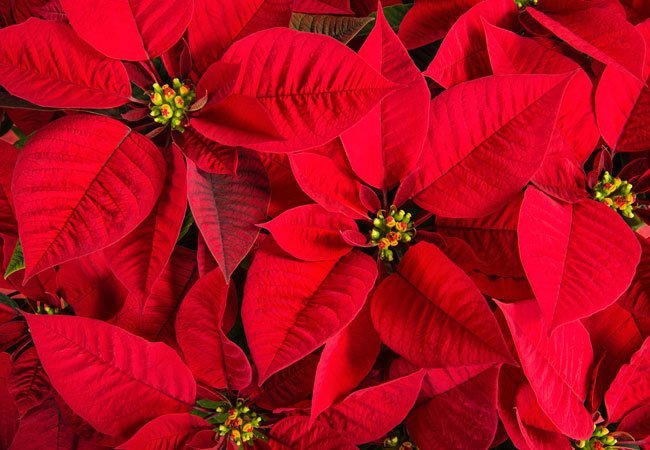
The red, pink, white, cream, or marbled portions commonly called flowers are actually modified leaves known as bracts. The true flowers are the tiny yellow-green structures in the center, called cyathia. Keeping the plant comfortable helps both the foliage and colorful bracts last for weeks or even months.
12 Essential Poinsettia Care Do’s and Don’ts
1. Do Choose the Healthiest Poinsettia Available
Successful poinsettia care begins before the plant reaches your shopping cart. Look for a full, well-branched specimen with crisp, dark-green foliage extending close to the soil. The leaves and bracts should appear firm rather than wilted, curled, spotted, or yellow.
Examine the small flowers in the middle of the bracts. A fresh plant usually has intact cyathia with little visible pollen. If those flowers have fallen or are shedding abundant yellow pollen, the display may already be past its prime. Check beneath the leaves for whiteflies, sticky residue, or webbing as well. A holiday bargain loses its charm when it arrives with six-legged houseguests.
2. Don’t Expose the Plant to Cold During the Trip Home
A poinsettia can suffer chilling injury during a surprisingly short walk through freezing air. Ask the store to sleeve the entire plant, especially when temperatures are below 50 degrees Fahrenheit. Take it directly to a warmed vehicle and avoid leaving it in the car while completing other errands.
Cold-damaged leaves may wilt, discolor, or fall several days later, making the decline appear mysterious. The plant may have been injured before it ever reached the living room. When possible, buy poinsettias from an indoor display rather than one positioned beside an exterior door or on a chilly sidewalk.
3. Do Provide Plenty of Bright Light
Place the plant near a bright east-, south-, or west-facing window where it can receive at least six hours of useful daylight. Bright indirect light is a dependable choice, although gentle winter morning sun is usually welcome. In a dim room, the plant may lose lower leaves and fade more quickly.
Leave a little space between the foliage and the glass. Leaves pressed against an icy window can be damaged even when the rest of the room feels comfortable. If natural light is limited, a full-spectrum grow light can supplement daylight. Position and operate it according to the manufacturer’s directions rather than turning the coffee table into a miniature interrogation room.
4. Don’t Put a Poinsettia Near Drafts or Extreme Heat
A stable indoor temperature of approximately 65 to 70 degrees Fahrenheit suits a poinsettia well. Slightly cooler nights can help preserve the display, but prolonged temperatures below about 50 degrees may cause injury. Excessive heat can accelerate aging and dry the potting mix.
Keep the plant away from exterior doors, fireplaces, radiators, space heaters, fans, and forced-air vents. Avoid setting it on top of an appliance that becomes warm. Sudden temperature swings often trigger wilting or leaf drop, even when watering appears correct.
5. Do Test the Soil Before Watering
There is no universal poinsettia watering schedule. A small plant in a warm room may need water sooner than a large plant in a cool, humid location. Check the pot regularly and water when the soil surface feels dry to the touch or when the container feels noticeably lighter when lifted.
Carry the plant to a sink and apply room-temperature water slowly until excess begins flowing through the drainage holes. Allow it to drain thoroughly before returning it to the display. This method moistens the root ball evenly and is more effective than giving the plant a timid splash every morning.
6. Don’t Allow the Roots to Sit in Water
Overwatering does not simply mean applying a large amount at once. The more dangerous problem is keeping the roots continuously saturated. Waterlogged potting mix lacks sufficient oxygen, encouraging root damage, yellow foliage, wilting, and root rot.
Remove decorative foil before watering, punch drainage holes through its base, or lift the nursery pot out of its decorative cover. Empty the saucer or outer container after the pot finishes draining. Never assume a wilted plant automatically needs more water; check the soil first, because damaged roots can cause wilting even when the mix is wet.
7. Do Maintain Moderate Humidity
Heated winter homes can be extremely dry. A poinsettia tolerates average household humidity, but moderate humidity reduces moisture loss and helps prevent crispy leaf edges. Grouping houseplants together or operating a room humidifier can improve conditions.
A pebble tray is another option, provided the pot sits above the water rather than in it. Avoid repeatedly soaking the bracts with a spray bottle. Misting produces only a brief humidity increase, and foliage that remains wet in cool or poorly ventilated conditions can become vulnerable to spotting and disease.
8. Don’t Fertilize a Poinsettia While It Is Blooming
A newly purchased poinsettia generally does not require fertilizer during its holiday display. Commercial growers have already supplied the nutrients needed to bring it into color. Adding extra plant food will not make the bracts brighter and may allow fertilizer salts to accumulate in the potting mix.
If the plant is being kept after the holidays, begin feeding only after the bracts fade and active new growth appears. Use a balanced houseplant fertilizer at the label rate. Never fertilize dry soil or a severely stressed plant; water normally and allow it to recover first.
9. Do Keep the Irritating Sap Away From Skin and Pets
The poinsettia’s frightening reputation is exaggerated: it is not considered a deadly plant when accidentally tasted. Nevertheless, its milky sap can irritate skin, eyes, and the mouth. Eating the foliage may cause nausea, drooling, vomiting, or stomach discomfort in children and pets.
Display the plant beyond the reach of curious children, cats, and dogs. Wear gloves when pruning, wash exposed skin, and avoid touching your eyes. Contact a veterinarian, poison-control service, or medical professional if an exposure produces persistent or serious symptoms. “Not usually deadly” is useful context, not an invitation to add poinsettia leaves to the salad.
10. Don’t Ignore Sudden Leaf Drop
A few aging lower leaves are not necessarily alarming, but rapid leaf loss signals stress. Dry soil and limp foliage suggest underwatering. Yellow leaves combined with wet soil often point to poor drainage or root trouble. Green leaves dropping suddenly may indicate cold exposure, a draft, or an abrupt environmental change.
Inspect the undersides of leaves for pests and consider what changed during the previous week. Moving the plant repeatedly can create more stress, so correct the most likely problem and give it time to respond. Avoid applying fertilizer, pesticide, and additional water all at once; that turns diagnosis into botanical roulette.
11. Do Prune and Repot a Poinsettia You Want to Keep
When the colorful bracts fade in late winter or early spring, cut the stems back to approximately 4 to 6 inches, leaving several buds or leaves where possible. Wear gloves because the cut stems release sap. Continue watering carefully until new growth begins, then resume regular feeding.
Repot the plant if roots tightly circle the root ball or emerge through the drainage holes. Choose a clean container only 1 or 2 inches wider than the existing pot and use fresh, well-draining potting mix. After frost danger passes and nighttime temperatures remain above roughly 50 to 60 degrees, the plant can spend summer outdoors in a protected location with bright shade or morning sun. Acclimate it gradually to prevent scorched leaves.
Pinch growing tips during late spring and summer to encourage a compact, bushy shape, but stop pruning by late summer so flower buds can develop.
12. Don’t Expect Reblooming Without Uninterrupted Darkness
Poinsettias are short-day plants, meaning their flowering response is triggered by long, uninterrupted nights. Beginning around late September or October 1, provide about 14 to 15 hours of complete darkness every night for approximately 8 to 10 weeks. A common schedule is darkness from 5 p.m. until 8 a.m., followed by bright daytime light.
The dark period must be genuinely dark. A closet opened at midnight, a lamp switched on briefly, or light leaking from a hallway can delay color development. Cover the plant with a lightproof box or move it into a dark closet each evening, taking care that temperatures and ventilation remain suitable.
Once the bracts have developed strong color, the strict treatment can end. Reblooming is possible, but the process requires consistency. Think of it as a holiday craft project that waters itself only when you remember to water it.
A Simple Seasonal Poinsettia Care Calendar
- December through February: Provide bright light, stable temperatures, and water whenever the soil surface becomes dry.
- March through April: Cut back faded plants and reduce watering slightly until new growth appears.
- May through August: Repot if necessary, fertilize according to the product label, move the plant outdoors after cold weather ends, and pinch shoots for fuller growth.
- September: Bring the plant indoors before cool nights, inspect it for pests, and stop pruning.
- October through November: Provide 14 to 15 hours of uninterrupted darkness nightly and strong light during the day.
- December: Stop the dark treatment when the bracts show good color and return to normal holiday care.
A 30-Day Poinsettia Care Experience: What Usually Works
Consider a common real-world scenario: A healthy red poinsettia comes home in early December wrapped in gold foil. During its first week, it looks perfect on the dining table, but that location receives little daylight. Someone adds a small amount of water every evening because the plant is “supposed to stay moist.” By the second week, several lower leaves are yellow, the soil remains wet, and the holiday star appears to be rehearsing a dramatic exit.
The first useful lesson is that visible symptoms must be interpreted alongside the growing conditions. Yellow leaves alone do not reveal whether a poinsettia is thirsty. In this example, lifting the nursery pot from the foil cover reveals standing water underneath. The saturated root ball is heavy and smells slightly stale. The correct response is not another drink. The plant needs to drain, and the decorative cover needs holes or must be removed whenever watering occurs.
After drainage is corrected, the poinsettia moves to a table a few feet from a bright south-facing window. The location supplies abundant winter light without placing foliage against cold glass. A nearby heating vent is redirected so hot air no longer blows across the leaves. During the following week, a few previously damaged leaves still fall. That does not mean the adjustment failed; plants cannot repair leaves that were already severely stressed. The important signs are that new leaf loss slows and the remaining foliage stays firm.
Watering also becomes observational rather than calendar-based. The soil is checked every day, but water is added only when the surface feels dry and the pot feels lighter. Depending on room temperature, sunlight, plant size, and humidity, that may occur after three days or after seven. Each time, the pot is watered thoroughly at the sink and allowed to drain. This soak-and-drain routine is both simpler and safer than administering frequent little sips.
By the end of the month, the plant may not look exactly as flawless as it did in the greenhouse, but its bracts can remain richly colored and most foliage should still be intact. The experience demonstrates that consistency matters more than elaborate products. No leaf polish, fertilizer cocktail, ice cubes, or motivational speech is required. Bright light, moderate temperatures, proper drainage, and soil-based watering decisions do most of the work.
Keeping the plant for another year changes the nature of the project. The goal is no longer to preserve a finished holiday display but to grow a healthy shrub, shape it through pruning, and trigger fresh color in fall. Owners who succeed often use reminders for the nightly dark treatment because missing several nights can disrupt the flowering response. Owners who decide that this routine sounds suspiciously like caring for a tiny botanical celebrity can compost the plant responsibly and purchase a locally grown specimen next season. Both choices are respectable.
Frequently Asked Questions About Poinsettia Care
How often should a poinsettia be watered?
Check the plant regularly and water when the surface of the potting mix feels dry. The interval may range from a few days to more than a week, depending on pot size and household conditions. Always let excess water drain away.
Why are my poinsettia’s leaves falling off?
Common causes include cold exposure, hot or cold drafts, insufficient light, severely dry soil, saturated roots, and sudden environmental changes. Examine soil moisture and recent conditions before choosing a remedy.
Can poinsettias live outdoors?
They can grow outdoors during warm weather and year-round in suitable frost-free climates. A houseplant should be moved outside only after cold weather has passed and should be acclimated gradually to brighter light.
Are poinsettias poisonous to cats and dogs?
Their toxicity is commonly overstated, but the irritating sap can cause drooling, mouth discomfort, vomiting, or stomach upset. Keep the plant out of reach and contact a veterinarian if significant symptoms occur.
Conclusion
Good poinsettia care is less about performing holiday magic and more about avoiding a handful of predictable mistakes. Start with a healthy plant, protect it from cold, provide bright light, and let the soilnot the calendardetermine when to water. Prevent standing water and drafts, delay fertilizer until active growth resumes, and use an uninterrupted dark schedule if you want the bracts to color again.
With those habits, a poinsettia can remain attractive long after the decorations return to storage. Keep it for next year or enjoy it for one season; either way, it deserves better than drowning inside a very fashionable foil wrapper.