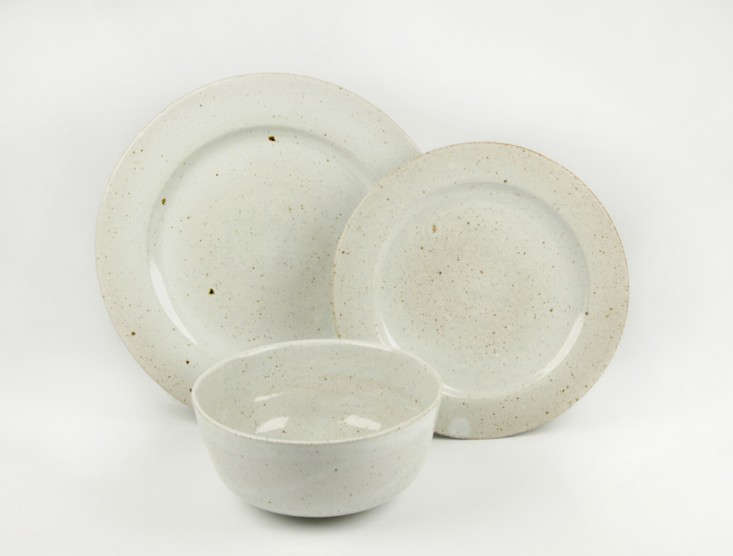
There are dinner plates, and then there are dinner plates that quietly convince you your reheated leftovers deserve a linen napkin and a tiny parsley garnish. Peter Sheldon Ceramics’ Stoneware White Dinner Set belongs firmly in the second categtural white glaze, and the pleasant heft of stoneware, this kind of dinnerware turns an ordinary meal into something that feels a little more intentionalwithout requiring you to learn French cooking techniques or own a chandelier.
The documented Peter Sheldon Ceramics place setting includes a 10.5-inch dinner plate, an 8.5-inch salad plate, and a 6.75-inch soup bowl. The original description emphasized elegant, light forms, a natural white glaze, and hand-mixed glazes designed to create subtle variation from piece to piece.
That combination explains the enduring appeal of handmade white stoneware dinnerware. It is neutral without being dull, practical without looking factory-issued, and relaxed enough for Tuesday pasta while still polished enough for a birthday dinner. In other words, it is the culinary equivalent of a white button-down shirt: reliable, adaptable, and much more interesting when the details are right.
What Makes the Peter Sheldon Stoneware White Dinner Set Special?
At first glance, a white dinner set may sound like the most cautious purchase in the universe. White plates? Revolutionary. Next up: water is wet. But handmade white stoneware is not about playing it safe. It is about letting texture, proportion, glaze variation, and food take center stage.
Peter Sheldon Ceramics was associated with a Los Angeles-based studio practice known for classic forms and a fresh California-influenced color palette. That design language matters because the pieces are not trying to shout across the dining table. They create a calm background where roasted vegetables, glossy tomato sauce, flaky fish, berry desserts, and even the occasional frozen pizza can look unexpectedly dignified.
The appeal is also tied to the handmade process. Machine-made dinnerware aims for exact repetition. Handmade pottery embraces controlled variation. One rim may sit a fraction differently from another. One glaze may appear warmer or more clouded than the next. Those differences are not defects when they are part of the maker’s process; they are evidence that the plate had a life before it reached your cabinet.
A Three-Piece Place Setting That Covers Real Life
A well-designed place setting does not need forty-seven specialty dishes, including a mysterious “fruit saucer” that somehow only appears at estate sales. The Peter Sheldon Stoneware White Dinner Set focuses on three useful essentials: a dinner plate, a salad plate, and a soup bowl.
The 10.5-Inch Dinner Plate
A 10.5-inch dinner plate is large enough for a full meal without becoming a tabletop satellite dish. It works for roasted chicken with vegetables, salmon and rice, pizza night, sandwiches with a respectable pile of fries, or a composed dinner party entrée. The broad white surface gives food visual contrast, which is one reason white plates remain a staple in kitchens and restaurants: they allow the color and texture of the meal to take the spotlight.
For home cooks, this size also encourages better plating. Instead of stacking every component into one heroic mountain, you can spread the meal out a little. A simple lemony chicken breast suddenly looks less like “I cooked because I had to” and more like “I have a small but thriving bistro in my kitchen.”
The 8.5-Inch Salad Plate
The smaller plate may be called a salad plate, but it should not be sentenced to leafy greens forever. It is useful for toast and eggs, pastries, dessert, fruit, appetizers, cheese, a late-night slice of cake, or the noble single cookie you promised yourself would be the last one.
Its smaller footprint also makes it valuable when serving multiple courses. A dinner table feels more composed when each course has its own scale. Matching dinner plates, salad plates, and bowls can make even a modest meal feel cohesive, which is one reason editors and food writers often recommend building a practical set around these basic forms.
The 6.75-Inch Soup Bowl
The bowl is arguably the secret workhorse of the set. Its documented dimensions suggest a vessel with enough height and capacity for soup, stew, cereal, oatmeal, grain bowls, noodles, ice cream, and the very specific midnight meal known as “whatever is left in the fridge.”
Modern bowl design has become increasingly flexible because people do not eat in strict categories anymore. A good bowl can hold pasta one night, ramen the next, and a chopped salad after that. Testing from kitchen publications has shown that generously sized, gently shaped bowls work especially well across dishes ranging from noodles and chili to salad and oatmeal.
Why White Stoneware Works in Almost Every Home
The visual strength of a white stoneware dinner set is not that it disappears. It is that it adapts. Pair it with striped napkins and brass flatware for a warm, layered table. Use it with clear glasses and simple linen for a minimalist look. Add blue serving bowls, colorful flowers, or a patterned tablecloth, and the white plates keep the scene from becoming visually chaotic.
Natural white glaze is especially useful because it can carry warmth. Unlike a stark, glossy restaurant plate, handmade white stoneware often has subtle shifts in tone. It may read as creamy, chalky, cloudy, ivory, or softly luminous depending on the light. That variation makes the dinnerware feel more relaxed and more human.
White stoneware also has a practical advantage for people who enjoy changing their home style. You may eventually tire of mustard-yellow placemats, orange goblets, or a table runner purchased during a very emotional autumn. A neutral dinner set is less likely to clash with your next decorating phase.
Stoneware Versus Porcelain: What Is the Difference?
Stoneware is valued for its sturdy feel, heat retention, and casual everyday character. It is generally heavier than porcelain, which many people appreciate because it feels substantial in the hand. Stoneware is often durable and commonly compatible with dishwashers and microwaves, but its finish can be more vulnerable to scratches than some other ceramic surfaces.
Porcelain, by comparison, is often lighter and more formal-looking. It can be an excellent choice for people who prefer a thinner, brighter, more traditional table setting. Stoneware tends to suit households that want everyday dishes with a handmade, earthy, slightly more relaxed personality.
Neither material is universally “better.” The right choice depends on how you live. If your dinnerware spends most of its time serving dinner, breakfast, snacks, and the occasional bowl of cereal eaten while standing at the counter, stoneware makes a lot of sense. If you want feather-light dishes that lean formal and polished, porcelain may be your better match.
The Handmade Glaze Difference
One of the defining features of the Peter Sheldon Ceramics Stoneware White Dinner Set is its hand-mixed glaze. The original product description noted that the studio formulated its glazes from scratch and used the glazing process to create subtle surface variation.
This matters because glaze does more than add color. It affects sheen, texture, mood, and the way the piece responds to light. A glossy white glaze may feel clean and bright. A satin glaze can look softer and more modern. A slightly varied glaze can make a simple dinner plate feel like an object worth noticing.
Handmade glaze also means you should release the expectation that every plate will look cloned in a laboratory. A little variation is part of the charm. Think of it like sourdough bread: the irregularity is not a bug; it is the point.
How to Style a White Stoneware Dinner Set
For Everyday Meals
Keep things simple. Use woven placemats, clear drinking glasses, and a neutral napkin. A white stoneware dinner set will make weekday meals look more polished without forcing you to perform a full tablescape ritual before eating tacos.
For Casual Entertaining
Layer the white plates with colorful linens, seasonal flowers, and one or two serving pieces in a contrasting glaze. Deep green, smoky blue, terracotta, charcoal, and amber glass all look particularly good against warm white stoneware.
For a Minimalist Table
Use white linen, clear glassware, simple stainless steel flatware, and a small branch or single vase at the center of the table. The handmade character of the ceramic pieces prevents the setting from feeling sterile.
For a Dinner Party
Use the dinner plate for the main course, the salad plate for an appetizer or dessert, and the bowl for soup, pasta, or a grain-based starter. Handmade ceramics encourage slower, more intentional presentation because they make even simple food feel worth arranging thoughtfully.
Care Tips for Handmade Stoneware Dinnerware
Before treating any handmade ceramic dish as dishwasher-safe, microwave-safe, oven-safe, or freezer-safe, check the maker’s current care instructions. Stoneware can be durable, but durability is not a universal permission slip to expose a piece to every temperature swing known to humankind.
For long-term care, avoid sudden shifts from freezer-cold to hot oven or from a hot dishwasher cycle to a cold countertop. Thermal shock can cause ceramic pieces to crack. When washing handmade stoneware, use mild dish soap and avoid abrasive scrubbers that can dull the glaze or leave visible marks.
Hand-washing is often the gentlest option for special handmade pieces, especially if you want to preserve the glaze over many years. Food writers and ceramic specialists commonly recommend mild soap and gentle handling for artisan tableware.
It is also smart to use felt or cork separators if you stack handmade plates frequently. This small step can reduce friction between glazed surfaces and help prevent tiny chips around rims.
Food Safety and Handmade Ceramics
Handmade dinnerware should be purchased from makers or retailers that clearly identify it as food-safe and intended for serving food. The U.S. Food and Drug Administration notes that improperly made ceramicware containing extractable lead can contaminate food, particularly when pieces are decorative or traditional pottery not intended for food use.
For a dinner set such as Peter Sheldon Ceramics’ stoneware place setting, the sensible approach is simple: confirm current product details directly with the seller, use food-contact pieces as intended, and do not assume that every decorative ceramic object belongs near dinner. Your decorative vase may be gorgeous, but it is not automatically a soup bowl just because it has a round opening and an optimistic personality.
Who Should Consider a Handmade White Stoneware Set?
This kind of dinnerware is a strong fit for people who want everyday dishes that feel personal rather than generic. It suits first homes, wedding registries, small apartments, creative households, hosts who enjoy casual dinner parties, and anyone trying to replace a random collection of mismatched plates acquired through roommates, relatives, and questionable clearance aisles.
It may be less ideal for households that need ultra-lightweight dishes, require completely identical pieces, or expect dinnerware to survive every accidental drop, dishwasher overload, and toddler percussion concert. Handmade stoneware is sturdy, but it is still ceramic. Respect it, and it can become part of the daily rhythm of a home for years.
Experience: Living With a Peter Sheldon Ceramics-Style White Stoneware Dinner Set
Imagine opening the cabinet on a rainy Wednesday evening. The refrigerator contains half a lemon, leftover roast chicken, a bunch of parsley that has seen better days, and one heroic container of soup. This is not the beginning of a cooking show episode. This is normal life. Yet when the soup lands in a softly glazed stoneware bowl and the chicken sits on a clean white plate with a quick salad beside it, the meal suddenly feels less like a refrigerator rescue mission.
That is the quiet pleasure of a handmade white dinner set. It does not transform dinner into a luxury vacation. It transforms the feeling around dinner. The plate feels substantial when you carry it to the table. The bowl holds warmth in your hands. The slight variation in the glaze catches the light from the kitchen window. You notice the meal for a moment before you begin eating it.
On a weekend morning, the smaller plate becomes the default home for toast, eggs, fruit, and the kind of coffee you drink slowly because there is nowhere urgent to be. A stack of white stoneware plates also makes a small kitchen look calmer. Instead of seeing a loud collection of unrelated colors and patterns, you see a simple foundation that works with almost everything.
Then comes the real test: guests. A friend arrives with a bottle of wine. Someone else brings bread. Another person says they are “not very hungry,” which is usually the opening line before they eat three servings of pasta. The white dinnerware handles the chaos beautifully. It does not compete with the food, flowers, napkins, or conversation. It makes the table feel assembled without making anyone feel like they need to sit up straighter.
There is also a small joy in watching the set age. Maybe a plate develops a faint utensil mark. Maybe one bowl becomes the favorite because it is slightly deeper or has the most interesting glaze cloud. These details create familiarity. The dishes stop being objects you purchased and start becoming part of household memory: the bowl used for sick-day soup, the plate that held birthday cake, the salad plate that somehow became everyone’s preferred breakfast dish.
That is why handmade stoneware has staying power. It is not perfect in the factory sense. It is better than perfect for people who want a table to feel lived-in, useful, and inviting. Peter Sheldon Ceramics’ Stoneware White Dinner Set represents that philosophy well: simple forms, a calm white palette, and enough handmade character to make ordinary meals feel like they deserve a little ceremony.
Final Thoughts
Peter Sheldon Ceramics’ Stoneware White Dinner Set demonstrates why handmade white dinnerware remains a favorite for everyday kitchens and thoughtful entertaining. The three-piece format is practical, the neutral glaze is versatile, and the handmade details give the table personality without demanding attention.
Whether you are serving a carefully planned dinner party or reheating soup after a long day, a white stoneware place setting can make the ritual feel more considered. It is useful, adaptable, and quietly beautifulthe sort of dinnerware that does not need to shout because it already knows it looks good.
Note: Product names, availability, pricing, care instructions, and exact specifications can change over time. Confirm current details directly with the maker or retailer before purchasing.