There are few invitations on the internet more powerful than this one: show me your pet. Not your résumé. Not your vacation budget spreadsheet. Not the sourdough starter you swear is thriving. Your pet. The little furball, feathered diva, scaled sidekick, or floppy-eared household supervisor who has somehow become the emotional CEO of your home.
And honestly, who could resist? Pets are one of the rare topics that can unite dog people, cat people, rabbit people, reptile people, and even the one very committed person who owns a turtle with the personality of a retired middle school principal. When someone says, “Pandas! Show me your pet!” what they are really asking is, “Please hand over the joy immediately.”
That joy is not imaginary. People build real routines, emotional bonds, and even healthier habits around their animals. Pets can encourage movement, companionship, social connection, and stress relief. They also give us stories that are impossible to keep to ourselves: the rescue dog who sleeps like a thrown sweater, the cat who appears only when a laptop opens, the cockatiel who believes every phone call is actually about him, and the rabbit who somehow learned that the sound of a banana peeling means it is showtime.
So let’s do this properly. Let’s talk about why pet reveals are so irresistible, what they say about us, what makes a great pet story, and why loving animals well matters even more than posting their cutest photo. Because sure, your pet may be adorable. But the real magic is deeper than the picture.
Why the Internet Will Always Fall for a Pet Reveal
People love pets online for the same reason they love them offline: animals make life feel warmer, less lonely, and a lot less self-important. A pet does not care whether your inbox is full, whether you used the right font in a presentation, or whether your attempts at “quiet luxury” still involve sweatpants. A pet cares about dinner, attention, routine, and the suspicious rustling sound coming from the kitchen.
That simplicity is part of the appeal. Pet content cuts through noise. It feels honest. A dog leaning dramatically against the couch because you stopped petting him is not trying to build a personal brand. A cat wedged into a salad bowl is not curating an aesthetic. Animals are funny without trying, affectionate without speech, and deeply expressive even when they are doing absolutely nothing productive.
There is also a social reason pet sharing works so well. It invites instant connection. You may have nothing in common with a stranger except that both of you understand the universal meaning of a photo captioned, “He is not allowed on the bed and yet here we are.” Pet stories create easy empathy. They are personal without being intimidating. They are emotional without being heavy. They are the internet at its best: specific, sincere, and just ridiculous enough to be memorable.
The Real Reason We Want to Show Off Our Pets
Showing off a pet is not just bragging with whiskers. It is often an expression of attachment. People do not share pet pictures simply because the animal looks cute, although that certainly helps. They share because the pet has become part of the family story.
A dog is not just “a dog.” He is the one who waits by the door every afternoon at 5:47 like a tiny union rep demanding consistency. A cat is not just “a cat.” She is the ruler of the windowsill, destroyer of expensive houseplants, and guardian of the exact blanket you wanted for yourself. A pet becomes shorthand for comfort, routine, grief, healing, comedy, and companionship.
That is why rescue stories hit so hard. People love seeing a once-anxious animal now stretched across a couch like a Roman emperor. They love before-and-after photos. They love goofy names, weird habits, and that one expression every pet owner swears means, “She understood every word I just said and chose chaos anyway.” The charm comes from recognition. Anyone who has loved an animal sees their own life reflected in that moment.
What People Actually Want to See When You Say, “Show Me Your Pet”
Here is the secret: most people do not just want a polished photo. They want personality.
1. The face
Yes, of course. The face matters. Giant eyes, crooked ears, elegant whiskers, noble profile, tiny nose, dramatic overbite, “I have seen things” expression. We are all weak in the presence of a good pet face.
2. The name and its backstory
Names are half the fun. Maybe your dog is named Waffles because he was born floppy. Maybe your cat is named Professor Sneeze. Maybe your bearded dragon is named Linda, which somehow makes her even more powerful. Pet names reveal a lot about the humans, too, and that is part of the entertainment.
3. The quirk
This is where pets become legends. A cat that only drinks from a running faucet. A senior dog that insists on carrying one sock during thunderstorms. A parrot that coughs theatrically whenever someone else is getting attention. The quirk turns a cute animal into a character.
4. The relationship
The most heartwarming pet stories are rarely about appearance alone. They are about connection. The child who reads to the family dog every night. The adopted cat who started sleeping next to someone after a difficult year. The shy shelter pup who now greets every neighbor like he is running for mayor. Pets are meaningful because they participate in our lives.
The Science Behind the Squeal
There is a reason pet content feels emotionally sticky. Human-animal bonds can support well-being in practical ways. Pets can encourage daily routines. Dogs often nudge people to walk more and get outside more often. Companion animals may ease loneliness and help people feel more connected. For many households, pets also become emotional anchors during stressful periods, big moves, breakups, grief, or just the ordinary chaos of modern life.
That does not mean pets are magic solutions to every problem. They are living beings, not fuzzy self-help apps. But many owners know the experience firsthand: a pet can interrupt spiraling thoughts, create structure, inspire play, and turn a regular Tuesday into something softer. Even small rituals matter. The morning walk. The evening feeding routine. The cat who arrives exactly when you sit down after a rough day, pretending this was entirely her idea and not an act of love.
There is also something powerful about how pets invite presence. Animals are excellent at forcing humans into the current moment. You cannot really doomscroll and throw a tennis ball properly at the same time. You cannot overanalyze a work email while your rabbit is trying to rearrange your pant leg with determined little bites. Pets pull attention toward the immediate world, and that can be a gift.
Responsible Pet Love Is Better Than Viral Pet Love
Now for the less glamorous but very necessary truth: being proud of a pet should never outrun caring for a pet. The best pet stories begin with responsible ownership, and that looks a lot less like costumes and a lot more like consistency.
Healthy pets need routine veterinary care, preventive care, good nutrition, exercise, mental stimulation, and environments that make sense for their species. A bored dog is not “bad.” A cat shredding furniture may be telling you she needs better outlets for scratching, climbing, or play. A pet acting fearful or reactive is not trying to ruin your day; that animal may be stressed, under-socialized, in pain, or overwhelmed.
In other words, the cutest pets are not the ones with the best accessories. They are the ones whose needs are being met.
For dogs
That usually means movement, training, routine, and brain work. Walks matter, but so do sniffing, play, puzzle toys, reward-based learning, and rest. Dogs need physical activity, yes, but they also need mental engagement. A dog with something appropriate to do is usually much easier to live with than a dog expected to “just chill” for twelve hours and somehow remain emotionally enlightened.
For cats
That means enrichment, vertical space, scratching options, play, and respect for their preferences. Indoor cats especially benefit from environments that let them stalk, perch, hide, and observe. Some cats want to be in the middle of everything. Others want affection on a very precise schedule negotiated by invisible legal counsel. Both are normal.
For small pets, birds, reptiles, and others
It means species-specific care, proper habitat setup, and realistic expectations. Not every animal wants cuddles. Not every pet expresses comfort the same way. Loving a pet well includes learning what that particular animal actually needs rather than assuming all affection should look like a greeting card.
Pet Safety Is Not Boring. It Is Love in Action.
If you want your pet story to have a long, happy middle, safety matters. That includes keeping toxic foods out of reach, storing medications securely, making sure collars and tags are current, and considering a microchip as a backup identification tool. Many lost-pet stories become miracle reunions because someone planned ahead before the emergency ever happened.
Home life matters, too. Loud noises, unstable routines, and inaccessible spaces can create stress. So can under-exercise, loneliness, and unresolved health issues. The “naughty” behavior people laugh about online is sometimes funny, but sometimes it is communication. The dog chewing walls might be panicking. The cat avoiding the litter box might need a medical evaluation. The bird plucking feathers might be stressed. Cute does not cancel care.
Adoption, Rescue, and the Bigger Picture
One of the most meaningful parts of pet culture is how often it leads people toward adoption and rescue. When someone shares a goofy photo of a shelter dog now thriving in a home, that image does more than earn comments. It changes perception. It shows people that pets with difficult starts, unusual looks, medical needs, or senior status can still become extraordinary companions.
That matters because animal welfare is bigger than one charming post. Shelters and rescues continue to care for millions of animals, and many organizations point to solvable problems such as housing barriers, access to care, and behavior support as major factors in pet surrender. A cute pet reveal can be entertainment, but it can also be advocacy. It can remind people to adopt, foster, donate, volunteer, or simply support policies that help pets stay with the families who love them.
So yes, show the photo of your one-eyed cat sleeping like a wealthy aunt on vacation. But also remember that behind every happy pet post is a chance to model better care and more compassion.
What Makes a Pet Story Memorable
The best pet stories are not perfect. They are specific. They include the odd details that prove love is real. Maybe your dog refuses to cross puddles but charges heroically into leaf piles. Maybe your cat chirps at birds like she is filing a formal complaint. Maybe your rescue mutt learned the household schedule before you did. Maybe your senior pet moves a little slower now but still brightens the room by simply existing in it.
That is what people connect with. Not perfection. Recognition. The internet may ask for a photo, but what it really treasures is the tiny biography inside it.
And that is why the phrase “Pandas! Show me your pet!” works so well. It sounds playful, but it opens a much bigger door. It invites people to share companionship, humor, recovery, loyalty, routine, and the strange everyday tenderness of living with another species. It is a request for joy, but also for story.
Five Hundred More Words of Pet-Person Experience, Because One Section Was Never Going to Be Enough
Anyone who has ever lived with a pet knows that the experience is made of tiny moments that would sound unimpressive on paper and yet feel enormous in real life. A dog placing his head on your knee while you pretend you are not crying. A cat deciding, after months of caution, that your lap is acceptable real estate. A rabbit performing a joyful sprint across the room for no obvious reason except that existence suddenly feels excellent. These moments are not dramatic in the cinematic sense. They are dramatic in the human sense. They change the atmosphere of a home.
For first-time pet owners, there is often a surprising shift in perspective. Life begins to revolve around new landmarks. You stop noticing time only in meetings and errands and start noticing it in feedings, walks, naps, and weird habits. Morning is when the dog does his full-body stretch and sneezes twice. Evening is when the cat patrols the hallway like unpaid security. Weekends are no longer just “free time.” They are prime fetch hours, litter-refreshing hours, tank-cleaning hours, nail-trimming negotiations, and the deeply serious business of selecting the one toy your pet will ignore in favor of a cardboard box.
There is also the comedy. Pet owners are forever explaining sentences they never expected to say aloud. “Please do not yell at the dishwasher.” “That sock is not your enemy.” “You cannot sit in the pasta pot.” “Why are you wet?” These lines become part of family folklore. They get repeated at holidays. They become nicknames. Years later, someone will say, “Remember when Daisy stole the entire loaf of bread?” and the room will light up again.
Then there is the healing side. Many people associate pets with recovery, comfort, and routine after difficult seasons. A daily walk can help someone leave the house when motivation is low. Feeding time can create structure when everything else feels uncertain. The sound of tags jangling in the hall or paws clicking across the floor can make a place feel less empty. Pets do not fix life, but they often make life easier to face one day at a time.
Older pets bring another kind of experience entirely. They move differently. They may need softer beds, easier stairs, medications, or shorter adventures. But they often become even more emotionally vivid. A gray muzzle can hold an entire family history. A senior cat asleep in a warm patch of sun can look less like a pet and more like a living archive of every apartment, move, holiday, and hard year you got through together. Loving an older pet teaches patience, gratitude, and the very specific ache of wanting time to slow down just a little.
And perhaps that is the deepest truth behind every pet photo people rush to share. They are not only posting an animal. They are posting a relationship. A witness. A routine. A source of laughter. A chapter of home. So when someone says, “Pandas! Show me your pet!” it never feels like a small request. It feels like permission to show a piece of your life that is softer, funnier, and more loved than words alone can explain.
Conclusion
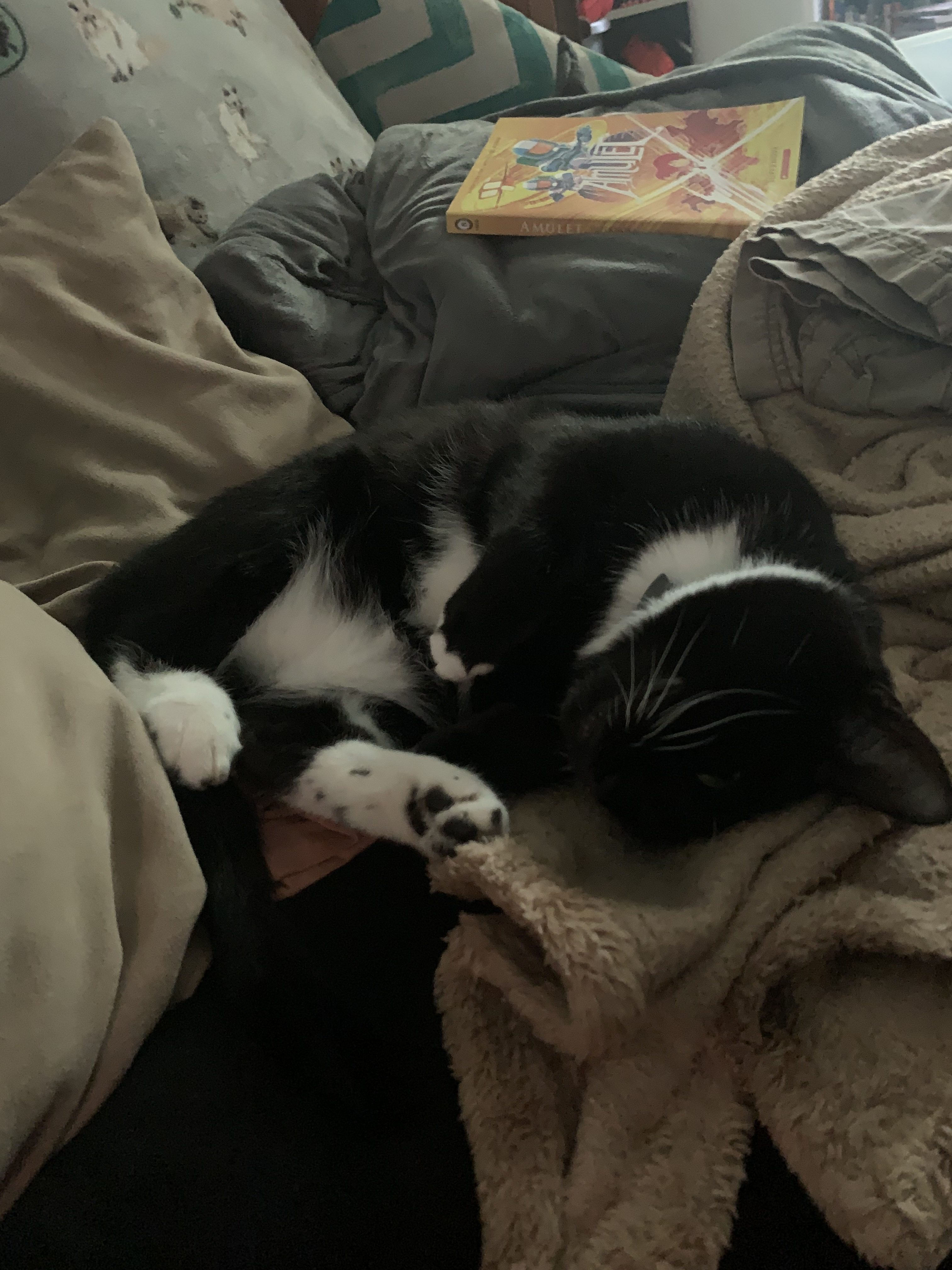
Pets win hearts online because they already own them offline. They make people laugh, move more, open up, and pay attention to the present moment. They give households rhythm and personality. They also depend on us for safety, care, patience, and understanding. So yes, absolutely show the world your pet. Share the ears, the fluff, the judgmental stare, the dramatic sleeping pose, the rescue glow-up, the tiny biography hidden in one funny picture.
But the best pet reveal is not just adorable. It reflects a life that is cared for. And that is what makes the whole thing worth celebrating.