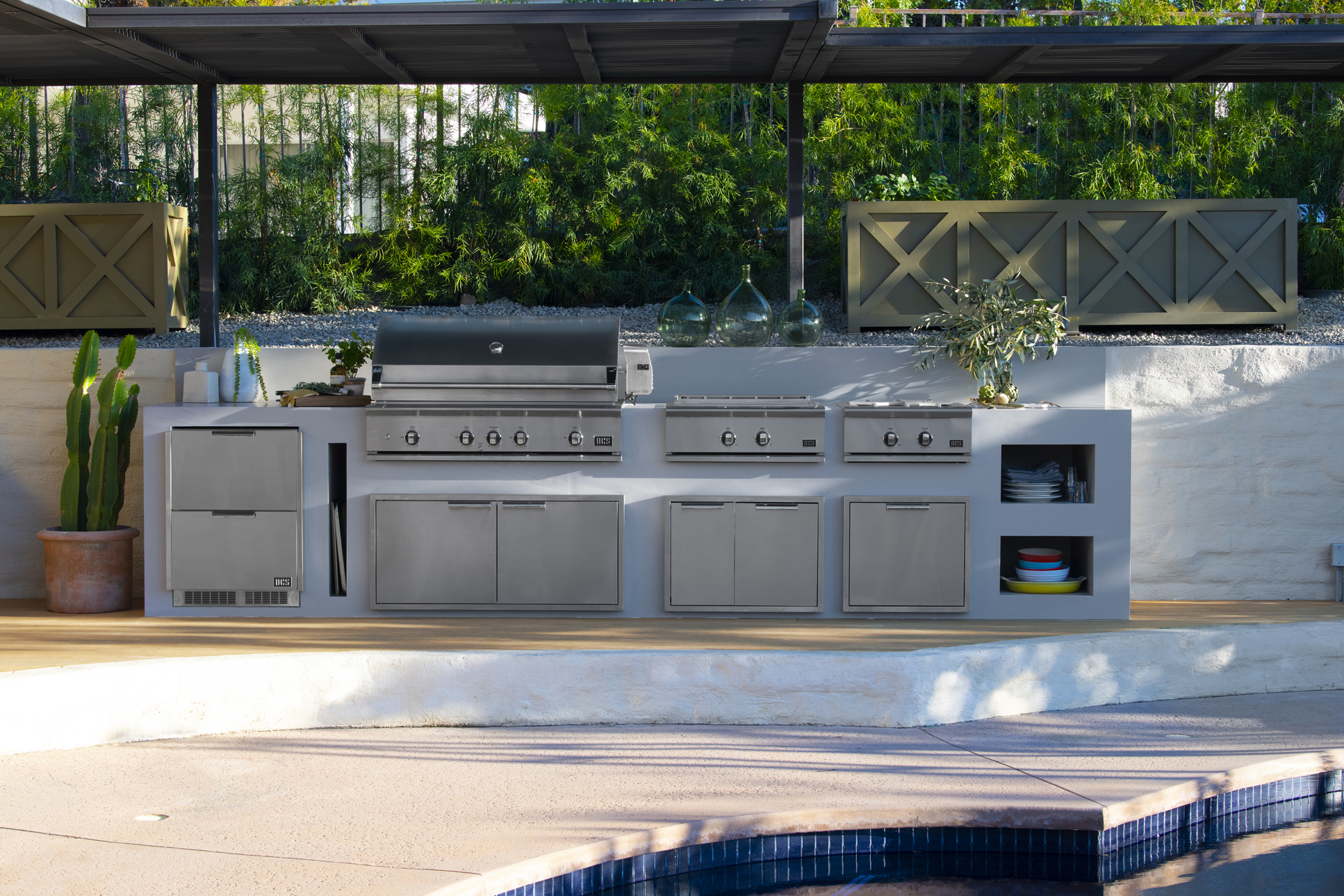
There is a moment in every backyard gathering when the host disappears. One minute they are laughing beside the patio table, and the next they are sprinting through the sliding door to rescue the salad, grab the tongs, find the citrus, refill the ice, and wonder why outdoor entertaining suddenly feels like a relay race sponsored by mosquitoes. A chef-designed outdoor kitchen solves that problem beautifully. Instead of treating the grill as a lonely metal box parked on the patio, it turns the backyard into a real cooking stationplanned for flow, storage, prep, heat control, cleanup, and conversation.
That is the big appeal behind the chef-designed outdoor kitchen concept via DCS Outdoor Appliances. DCS, known for premium outdoor grills and stainless steel appliances, approaches outdoor cooking less like a weekend gadget hobby and more like a serious culinary setup. Think powerful built-in grills, specialty burners, griddles, refrigeration, access drawers, warming drawers, and carefully coordinated modules that let the cook work outside without running back indoors every six minutes like a sitcom character who forgot the buns.
The result is not just an outdoor kitchen. It is outdoor living with a backbone: a space where meals are prepared, plated, served, and enjoyed in one natural rhythm.
What Makes a Chef-Designed Outdoor Kitchen Different?
A standard backyard grill area usually starts with one question: “Where should we put the barbecue?” A chef-designed outdoor kitchen starts with better questions: Where will raw food land? Where will cooked food rest? Where does smoke travel? Where do guests gather without blocking the cook? Where do tools, towels, spices, ice, trash, and serving pieces live?
Professional kitchens are built around motion. The fewer steps a cook takes, the better the food and the calmer the experience. That same principle matters outdoors. A grill may be the star, but a great outdoor kitchen needs supporting actors: counter space, cold storage, a sink if possible, lighting, durable cabinets, shade, proper ventilation, and safe clearances. Otherwise, even the fanciest grill becomes a very expensive place to burn chicken while balancing a platter on a patio chair.
DCS Outdoor Appliances fits naturally into this chef-minded approach because its product lineup is designed as a complete outdoor kitchen suite. Built-in grills, power burners, griddles, side burners, storage drawers, carts, warming drawers, and refrigeration can be planned together for a cohesive look and a more practical workflow.
DCS Outdoor Appliances: Built for Serious Backyard Cooking
DCS has long positioned itself as a premium outdoor cooking brand, and its appliances reflect the needs of people who want more than burgers and hot dogsalthough, to be fair, a perfectly grilled hot dog still deserves respect. Many DCS grills are built with heavy-duty 304-grade stainless steel, a material valued in outdoor kitchens for its durability, corrosion resistance, and polished professional appearance.
The brand’s built-in grill options are available in different series and sizes, with features aimed at high-performance cooking. Depending on the model, DCS grills may support searing, smoking, rotisserie cooking, baking, slow cooking, and charcoal-enhanced flavor. That range matters because outdoor cooking is no longer limited to “flip it once and hope.” Home cooks now want to reverse-sear steaks, roast whole chickens, crisp vegetables, smoke ribs, griddle breakfast, and keep side dishes warm without turning the indoor kitchen into mission control.
The Grill as the Centerpiece
In a chef-designed outdoor kitchen, the grill is the anchor. DCS built-in grills are made to integrate into islands, counters, and outdoor cabinetry, creating a custom look rather than the temporary feel of a standalone grill shoved against a wall. High-output burners give cooks the heat needed for aggressive searing, while thoughtful grate design and grease management help support more controlled cooking.
For homeowners who love entertaining, this matters. A large grill surface makes it easier to cook proteins and vegetables at once. Multiple heat zones let you sear steak on one side while keeping corn, peppers, or fish at a gentler temperature on the other. Add a rotisserie, smoker tray, or warming area, and the outdoor kitchen starts to behave like a real culinary workstation.
Specialty Cooking: Power Burners, Griddles, and Side Burners
The most useful outdoor kitchens are not one-trick ponies. DCS specialty cooking appliances help expand the menu. A power burner can handle large pots for seafood boils, pasta, stocks, or wok cooking. A griddle opens the door to pancakes, smash burgers, fajitas, delicate fish, fried rice, and brunch spreads that make everyone suddenly “available” on Sunday morning.
Side burners are equally practical. They allow sauces, beans, sautéed vegetables, or small side dishes to cook outside while the grill handles the main event. That means fewer trips indoors, fewer bottlenecks at the stove, and fewer moments when someone asks, “Need help?” while standing directly in the way.
The Chef’s Layout: Zones That Actually Work
A beautiful outdoor kitchen can still be frustrating if the layout is wrong. The best designs divide the space into zones: hot, cold, wet, dry, and serving. This simple framework keeps the kitchen organized and prevents awkward traffic patterns.
The Hot Zone
The hot zone includes the grill, power burner, side burner, griddle, and warming drawer. It should be placed where smoke can move safely away from guests and the house. Heat-producing appliances need manufacturer-approved clearances, non-combustible materials where required, and access to gas shutoff valves and service panels.
The Cold Zone
The cold zone includes outdoor refrigeration, beverage drawers, ice storage, and chilled ingredients. This area should be near the prep space but not jammed directly against high-heat appliances unless the design includes proper insulation and ventilation. Outdoor refrigerators need airflow to perform well, especially in hot climates.
The Prep Zone
The prep zone is where the chef-designed concept really shines. You need landing space for trays, cutting boards, marinades, seasonings, and finished food. A narrow counter may look sleek in photos, but real cooking requires elbow room. Plan generous counter space beside the grill and near the refrigerator. The cook should be able to move from fridge to prep to grill without playing patio pinball.
The Wet Zone
A sink is not mandatory, but once you have one outdoors, it becomes difficult to imagine life without it. It helps with handwashing, rinsing herbs, cleaning tools, filling pots, and managing sticky barbecue sauce situations. If plumbing is too costly, even a well-planned beverage station, prep sink alternative, or nearby indoor access point can improve function.
The Serving and Social Zone
The best outdoor kitchen keeps the cook connected to guests without trapping everyone in the cooking lane. A bar counter, dining table, lounge seating, or pass-through surface helps people gather comfortably while the cook works. The goal is hospitality, not crowd control.
Why Storage Is the Unsung Hero
Outdoor kitchen storage sounds boring until you do not have it. Then it becomes the most exciting thing in the world, right after discovering extra guacamole. DCS storage options include built-in access doors, drawers, tower drawers, trash bins, dry pantry solutions, and warming drawers. These details matter because an outdoor kitchen needs dedicated homes for grill tools, gloves, wood chips, foil, serving trays, cleaning supplies, fuel accessories, and dry goods.
Good storage also keeps counters clean. A cluttered outdoor kitchen loses its luxury feeling fast when every surface is covered with tongs, paper towels, lighter cubes, spice jars, and a mystery lid no one can identify. Drawers and access doors make the kitchen feel intentional, not improvised.
Materials Matter: Stainless Steel, Stone, and Weather-Ready Surfaces
Outdoor kitchens live a tough life. Sun, rain, humidity, grease, smoke, pollen, and temperature swings all show up uninvited. That is why material selection is not just a design choice; it is a survival plan.
Stainless steel is popular for outdoor appliances because it offers a clean professional look and strong weather resistance. Stone, porcelain, concrete, tile, and masonry are common choices for counters and surrounds, but they should be selected with climate in mind. Freeze-thaw cycles, intense sun, salty coastal air, and heavy rain can all affect long-term performance.
The smartest outdoor kitchens use materials that are beautiful but not precious. After all, this is a place where someone will eventually drop a rib, spill lemonade, or set down a smoky cast-iron pan with great confidence and no coaster.
Safety and Ventilation: The Not-So-Glamorous Essentials
No outdoor kitchen article is complete without the safety talk. It may not be as glamorous as a rotisserie chicken turning under golden light, but it is what keeps the dream from becoming a fire department anecdote.
Gas grills and outdoor cooking appliances should be installed according to manufacturer instructions and local building codes. Clearances to combustible materials, overhead structures, fences, siding, and landscaping must be respected. If the grill sits under a roof, pergola, pavilion, or covered patio, ventilation becomes even more important. Outdoor-rated vent hoods may be needed to manage smoke, heat, and grease.
Gas shutoff access is also essential. The island should include service access so fuel lines, valves, drip trays, and appliance components can be inspected and maintained. A gorgeous outdoor kitchen that cannot be serviced is like a sports car with the hood welded shut: dramatic, but not ideal.
Design Style: Professional Without Feeling Cold
DCS appliances bring a polished stainless steel aesthetic that works especially well in modern, transitional, coastal, and contemporary outdoor spaces. But stainless steel does not have to make a backyard feel like a restaurant loading dock. The key is balance.
Pair stainless appliances with warm stone, wood-look porcelain, textured tile, soft outdoor lighting, comfortable seating, planters, and weather-resistant textiles. Use the appliances as the culinary core, then soften the surrounding space so people want to linger. An outdoor kitchen should look capable, but it should also feel welcoming.
Menu Ideas for a DCS-Inspired Outdoor Kitchen
A chef-designed outdoor kitchen invites a broader menu than basic grilling. For a relaxed summer dinner, start with chilled shrimp from the refrigerator drawers, blistered shishito peppers on the griddle, and grilled sourdough brushed with olive oil. Move to rotisserie chicken, seared ribeye, cedar-plank salmon, or vegetable skewers over controlled heat zones. Use the side burner for lemon butter sauce or herbed rice, and keep roasted vegetables warm while guests settle in.
For brunch, the griddle becomes the hero. Pancakes, bacon, eggs, breakfast potatoes, and grilled fruit can all happen outside. Nobody has to stand over the indoor stove while everyone else enjoys the patio. That is outdoor living at its best: the cooking becomes part of the gathering instead of a chore hidden behind the scenes.
How to Plan Your Own Chef-Designed Outdoor Kitchen
Start with how you actually cook. Do you host large parties or small family dinners? Do you grill mostly proteins, or do you want pizza nights, seafood boils, wok cooking, and Sunday brunch? Do you need refrigeration outdoors, or is the indoor kitchen close enough? Do you want guests seated at the island, or would you rather keep traffic away from the grill?
Next, measure the space carefully. Plan clear walking paths, landing zones beside appliances, and enough counter depth for real prep. Think about sun direction, wind, shade, lighting, and proximity to utilities. A kitchen that looks perfect at noon may be blinding at 5 p.m. or smoky when the prevailing wind changes.
Finally, build the kitchen around the cook. That is the heart of the chef-designed idea. Appliance height, burner placement, tool storage, lighting, and prep space should make cooking easier. When the kitchen supports the cook, the food gets better and the host gets to stay in the party.
Common Mistakes to Avoid
Choosing Appliances Before Designing the Layout
It is tempting to pick the biggest grill first. Resist the urge until you understand the full layout. A massive grill with no counter space is less useful than a properly sized grill with prep, storage, and serving zones.
Forgetting Shade and Lighting
Outdoor kitchens need daytime comfort and nighttime visibility. Task lighting near the grill and counters is especially important. Mood lighting is lovely, but nobody wants to judge steak doneness by the glow of a citronella candle.
Ignoring Cleanup
Trash storage, towel access, drip tray access, and easy-to-clean surfaces save time. Outdoor cooking is fun; outdoor scrubbing at 11 p.m. is character development.
Underestimating Counter Space
Counter space is where outdoor kitchens either succeed or quietly annoy everyone. Plan more than you think you need, especially beside the grill and near the serving area.
Experience: What Living With a Chef-Designed Outdoor Kitchen Feels Like
The first thing you notice when using a well-planned outdoor kitchen is not the grill power or the shine of the stainless steel. It is the calm. Everything has a place. The tongs are in the drawer where they belong. The platter is already outside. The drinks are cold without anyone raiding the indoor refrigerator. The side burner is simmering sauce while the grill handles the main course, and the cook is not vanishing through the back door every two minutes.
In a DCS-inspired setup, the experience feels closer to cooking in a professional station than “standing near fire and hoping for dinner.” You can set up zones: raw ingredients on one counter, finished food on another, tools within reach, and guests gathered nearby but not in the danger lane. That small shift changes the mood of the entire evening. Instead of guarding the grill like a lighthouse keeper, the cook can talk, taste, adjust, and enjoy the process.
One of the best experiences is cooking for a mixed crowd. Someone wants steak medium rare. Someone else wants salmon. A vegetarian guest arrives with portobello mushrooms and the optimism of a person who has been served too many sad side salads. With a flexible outdoor kitchen, you can create heat zones and cook everything with more control. The griddle can handle vegetables or flatbreads. The side burner can warm beans or sauce. The refrigerator keeps herbs, citrus, butter, and chilled drinks close by. Suddenly, the menu expands without expanding the stress.
Another underrated pleasure is morning use. Outdoor kitchens are often imagined as evening entertainment spaces, but brunch outdoors is a secret luxury. Fire up the griddle for eggs, pancakes, bacon, and grilled peaches. Keep coffee, juice, and fruit nearby. Let guests sit in the morning air while breakfast happens in front of them. It feels generous, relaxed, and just fancy enough to make a regular weekend feel like a vacation rental brochureminus the checkout instructions.
Maintenance becomes part of the routine, but not an overwhelming one if the design is smart. Stainless steel needs wiping. Grates need cleaning. Drawers should be kept dry and organized. Refrigeration needs airflow and occasional interior cleaning. The difference is that a thoughtfully designed kitchen makes maintenance easier because access is built in. You are not crawling behind a grill with a flashlight and a vocabulary your neighbors should not hear.
The biggest lifestyle change is that the backyard becomes useful more often. It is no longer reserved for big parties or perfect-weather weekends. A good outdoor kitchen encourages small moments: grilling vegetables on a Tuesday, making burgers after work, warming soup outside on a cool evening, or hosting friends without turning the indoor kitchen upside down. The outdoor space becomes an extension of the home, not a decorative area visited only when guests arrive.
There is also a social benefit. People naturally gather around cooking, especially outdoors. A chef-designed kitchen lets that happen without chaos. Guests can lean at the counter, refill drinks, ask what smells so good, and feel included. The cook becomes part of the gathering rather than the person performing kitchen magic in isolation.
In the end, the appeal of DCS Outdoor Appliances and the chef-designed outdoor kitchen concept is not only about luxury. It is about reducing friction. Better heat control, better storage, better workflow, better durability, and better design all add up to a more enjoyable way to cook and entertain. Yes, the stainless steel looks impressive. Yes, the appliances can make the backyard feel high-end. But the true win is simpler: dinner gets easier, guests stay happier, and the host finally stops sprinting back into the house for the forgotten spatula.
Conclusion
A chef-designed outdoor kitchen via DCS Outdoor Appliances is more than a backyard upgrade. It is a smarter way to cook, host, and enjoy outdoor living. By combining professional-style grills, specialty cooking appliances, weather-ready storage, refrigeration, and thoughtful layout planning, homeowners can create a space that works as beautifully as it looks.
The best outdoor kitchens are not built around showing off. They are built around use. They make prep easier, cooking more precise, cleanup faster, and entertaining more natural. Whether you are searing steak, simmering sauce, griddling brunch, or simply keeping drinks cold while friends gather nearby, a well-designed DCS outdoor kitchen turns the patio into the most delicious room of the house.
Note: Product features, installation requirements, prices, and availability may vary by model, location, and retailer. Always review the latest DCS Outdoor Appliances specifications, manufacturer manuals, and local building codes before purchasing or installing an outdoor kitchen.