Joints are supposed to glide. They are not supposed to click, catch, wobble, or act like they are trying to sabotage your next soccer game. But that is exactly what can happen with an osteochondritis dissecans lesion, often shortened to OCD lesion. Despite the slightly dramatic name, this condition is not about inflammation running wild through the joint. It is a problem involving the bone just under the cartilage and the cartilage covering it. When that small area loses support, the bone and cartilage can weaken, crack, or even loosen.
This condition shows up most often in active children, teens, and young adults, especially in the knee, but it can also affect the elbow, ankle, and other joints. Some people notice mild aching after sports. Others feel sharp pain, swelling, or that unsettling sensation that the joint is “giving out.” In more advanced cases, a loose fragment can cause popping, locking, or catching. That is your joint’s version of waving a red flag.
Because early symptoms can seem like a basic overuse injury, osteochondritis dissecans can be easy to brush off. Big mistake. A timely diagnosis can improve the odds of healing and help protect the joint over the long term. Here is what to know about symptoms, causes, treatment options, recovery, and what living with an OCD lesion can actually feel like.
What is an osteochondritis dissecans lesion?
An osteochondritis dissecans lesion is a damaged area of bone and cartilage inside a joint. The problem starts in the subchondral bone, the layer of bone right under the smooth joint cartilage. If that area does not get enough support or blood flow, it can weaken. The cartilage on top may then crack, soften, or separate along with a small piece of bone.
The lesion may stay stable and remain in place. In other cases, it can become unstable, partly detach, or break loose inside the joint as a loose body. When that happens, symptoms tend to get louder, more annoying, and much harder to ignore.
Doctors often separate the condition into two broad categories:
- Juvenile osteochondritis dissecans: occurs in children or teens whose bones are still growing.
- Adult osteochondritis dissecans: occurs after skeletal maturity, when spontaneous healing is generally less likely.
That distinction matters because younger patients with stable lesions often have a better chance of healing with rest and protection alone.
Symptoms of an OCD lesion
The symptoms of osteochondritis dissecans can range from subtle to downright rude. Early on, the joint may only hurt after activity. Later, daily movement can become the issue.
Common symptoms
- Joint pain, especially during or after sports, running, jumping, climbing, or repetitive movement
- Swelling or tenderness around the joint
- Stiffness or reduced range of motion
- A clicking, popping, or grinding sensation
- The feeling that the joint is weak, unstable, or “giving way”
- Locking, catching, or the joint getting stuck in one position
In a stable lesion, symptoms may be mild or come and go. In an unstable lesion, pain and mechanical symptoms usually become more obvious. If a loose fragment gets trapped between moving surfaces, the joint may suddenly lock. That is not a personality quirk. That is a call-the-doctor moment.
Where symptoms usually show up
The knee is the most common site, especially the end of the femur. However, osteochondritis dissecans also appears in the elbow and ankle, and less commonly in other joints.
- Knee OCD lesion: pain with running, stairs, squatting, jumping, or sports; swelling; catching or locking
- Elbow OCD lesion: pain on the outside of the elbow, loss of motion, catching, and trouble with throwing or tumbling sports
- Ankle OCD lesion: deep ankle pain, swelling, stiffness, and symptoms that flare with impact activity
What causes osteochondritis dissecans?
The exact cause is still not fully settled, which is medicine’s polite way of saying, “We know a lot, but not every last detail.” Most experts believe OCD is multifactorial, meaning several factors may contribute at once.
Likely contributing factors
- Repetitive microtrauma: repeated stress on the joint over time, especially in sports
- Reduced blood supply: the affected area of bone may not get enough circulation
- Genetic predisposition: some people may be more likely to develop the condition
- Growth-related vulnerability: adolescent joints may be more sensitive while bones are still developing
- Possible metabolic or biologic factors: these may play a role in some cases
In practical terms, this means the condition often appears in active kids and teens who do a lot of running, jumping, cutting, throwing, or repetitive loading. Sports such as soccer, basketball, football, baseball, gymnastics, and similar high-demand activities are common backdrops.
That does not mean sports are the villain. It means repetitive stress plus a susceptible joint can create a perfect storm.
Who is most at risk?
Osteochondritis dissecans most often affects children and adolescents between about ages 10 and 20, particularly those who are highly active in sports. Boys have historically been diagnosed more often, though sports participation patterns and diagnosis rates can vary. Adults can develop OCD lesions too, but the condition is especially associated with the pediatric and teen athlete population.
Risk factors include
- Participation in organized sports or high-impact training
- Repetitive throwing or overhead motion for elbow lesions
- Frequent jumping, sprinting, cutting, or pivoting
- A family history of OCD or related joint issues
- Prior joint stress that never fully settled down
How doctors diagnose an OCD lesion
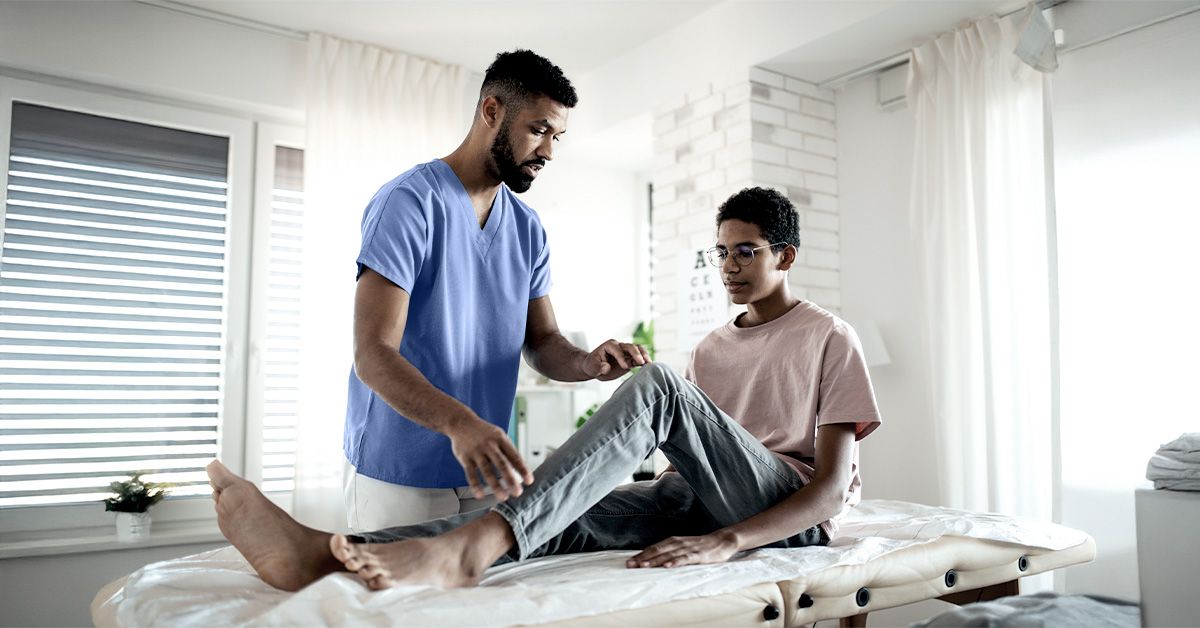
Diagnosis starts with a medical history and physical exam. A doctor will ask when the pain started, whether the joint swells or locks, and what activities make symptoms worse. Then comes imaging, which is where the mystery gets less mysterious.
Imaging tests commonly used
- X-rays: often the first test; they can show the location and size of the lesion
- MRI: helps evaluate the bone, cartilage, and whether the lesion appears stable or loose
- CT scan: sometimes used to better define loose fragments or bony detail
X-rays are important, but they do not always tell the whole story. An MRI is especially useful when symptoms continue or when the doctor needs to see how much cartilage is involved. That information helps guide treatment and estimate healing potential.
Treatment for osteochondritis dissecans lesion
Treatment depends on the patient’s age, whether the bones are still growing, which joint is involved, how large the lesion is, and whether the fragment is stable or unstable. The two big goals are simple: restore joint function and reduce the risk of future joint damage.
Nonsurgical treatment
Stable lesions in younger patients often improve without surgery. Conservative care may include:
- Rest from high-impact or aggravating activities
- Temporary sports restriction
- Crutches, brace, boot, cast, or splint in selected cases
- Physical therapy for motion, strength, and joint support
- Pain relief strategies recommended by a clinician
In many children and young teens, symptoms improve over a few months of rest and protected activity. Follow-up imaging may be needed to confirm healing rather than just crossing fingers and hoping for the best.
When surgery may be needed
Surgery is more likely if:
- The lesion is unstable or detached
- A loose fragment is causing locking or catching
- Symptoms continue after several months of conservative treatment
- The lesion is large
- The patient is near or past skeletal maturity
Possible surgical options
- Drilling the lesion to stimulate healing
- Fixing the fragment in place with pins or screws
- Removing loose bodies
- Cartilage restoration procedures in selected cases
- Bone and cartilage grafting for more advanced defects
Recovery after surgery varies by procedure and joint involved. Some patients need a period of limited weight-bearing, followed by physical therapy and a gradual return to sports over several months. In other words, recovery is usually more marathon than magic trick.
Can an OCD lesion heal on its own?
Sometimes, yes. Stable juvenile lesions have the best chance of healing with conservative care. Healing is less predictable in adults and in unstable lesions. That is why early evaluation matters. A sore knee that keeps swelling after activity might not be “just a tweak,” even if everyone on the sideline insists it is.
Complications and long-term outlook
If osteochondritis dissecans is not recognized or does not heal well, it can lead to ongoing pain, repeated swelling, mechanical symptoms, and damage to the joint surface. Over time, that can raise the risk of early osteoarthritis.
Complications may include
- Loose bodies inside the joint
- Persistent pain or stiffness
- Reduced athletic performance
- Chronic cartilage damage
- Earlier degenerative joint changes
Prognosis is generally better when the lesion is stable, diagnosed early, and treated before major cartilage breakdown occurs. Adolescents tend to do better than adults, especially when the condition is caught before the fragment becomes unstable.
When to see a doctor
It is smart to get evaluated if you or your child has:
- Persistent pain in the knee, elbow, ankle, or another joint
- Swelling that keeps returning after activity
- Locking, catching, or popping in the joint
- A feeling that the joint is weak or giving out
- Limited range of motion
- Symptoms that do not improve with simple rest
Quick attention is especially important in young athletes. The earlier the diagnosis, the better the chance of protecting the joint and avoiding a bigger problem later.
How OCD lesions affect daily life and sports
One frustrating thing about osteochondritis dissecans is that it often interrupts life at exactly the wrong time. The athlete is in season. The teen has tryouts. The child just figured out how to love a sport. Then the joint starts protesting.
Even outside sports, symptoms can affect everyday movement. Walking stairs, kneeling, squatting, carrying a backpack, or sitting too long can become irritating. For elbow lesions, throwing, push-ups, tumbling, and even opening a heavy door can be uncomfortable.
The emotional side matters too. Many patients feel confused because the pain does not always match one memorable injury. There may be no dramatic twist, no cinematic fall, just a slow build of soreness that turns into a real problem. That can make the diagnosis feel surprising, but it is actually a common pattern.
Experiences related to osteochondritis dissecans lesion: what people often go through
For many people, the experience of an osteochondritis dissecans lesion starts with denial. Not dramatic denial. More like, “It only hurts after practice, so it is probably nothing.” A teen basketball player may notice knee pain after jumping drills. A baseball pitcher may feel a strange ache in the elbow that lingers after throwing. A gymnast may chalk it up to normal soreness because, well, everything hurts a little in gymnastics. At first, the symptoms can be easy to dismiss.
Then comes the second phase: the joint starts getting weird. Maybe the knee swells after games. Maybe the elbow loses a few degrees of motion. Maybe the ankle feels fine during warm-up, then complains loudly halfway through activity. Some patients describe a clicking sensation. Others say the joint feels unreliable, as if it cannot quite be trusted. That “giving way” sensation can be more unnerving than the pain itself, because it makes movement feel uncertain.
Another common experience is frustration with the timing. OCD lesions rarely arrive when life is calm and convenient. They tend to show up in the middle of a season, during growth spurts, before tournaments, or when an athlete is training hard and feeling strong. Being told to rest for weeks or months can feel almost more painful than the joint issue. Young athletes, especially, may worry about losing skills, fitness, or their place on the team.
Parents often go through their own version of the journey. At first, they may assume it is a strain or overuse injury. Then imaging reveals that this is not just soreness but an actual lesion affecting bone and cartilage. That word choice alone can make the room feel heavier. The next questions usually come fast: Will it heal? Is surgery needed? Can my child play again? Is this going to cause arthritis later?
Recovery brings a different challenge: patience. When symptoms improve, many patients feel tempted to do too much too soon. The pain fades, confidence returns, and suddenly the brain says, “Great, let us sprint.” The joint, however, may still be reading a different script. Rehab often requires learning restraint, rebuilding strength, improving range of motion, and following a stepwise return-to-sport plan. It is not glamorous, but it is often what protects the long-term result.
There is also a psychological shift that happens once people understand the diagnosis. Instead of thinking, “My knee is randomly annoying,” they begin to see a clearer path forward. A diagnosis can be scary, but it can also be a relief. It explains the pain. It explains the swelling. It explains why the joint was behaving like a rusty hinge with a grudge.
Most importantly, many patients do get back to the activities they love, especially when the lesion is diagnosed early and managed appropriately. The experience may include rest, rehab, imaging, and lots of conversations about timelines, but it also often includes a return to confidence. The lesson is not that the joint is fragile forever. It is that smart treatment now can protect movement later.
Final thoughts
An osteochondritis dissecans lesion is more than a fancy orthopedic phrase. It is a real joint problem involving bone and cartilage that deserves attention, especially in active children, teens, and young adults. The most common clues are pain, swelling, reduced motion, and mechanical symptoms such as locking, catching, or giving way. Repetitive stress, reduced blood supply, and individual susceptibility all seem to play a role.
The good news is that many stable lesions, especially in younger patients, can heal with rest and proper management. When surgery is needed, modern treatment options can still help restore function and support a return to activity. The key is early recognition. If a joint keeps complaining, do not just tell it to be quiet. Get it checked.